REVIEW · MUMBAI
Dhobi Ghat Tour
Book on GetYourGuide →Operated by Mumbai Dream Tours · Bookable on GetYourGuide
A laundry yard can be a life story. At Mahalaxmi Dhobi Ghat, you watch dhobis hand-wash, sort, and iron clothes from across Mumbai in the city’s largest open-air laundry. I love the clear choreography: sorting by color, beating out stains, and hanging for drying. I also like the human side, with dhobi families explaining their routines and daily challenges. One consideration: photography is not allowed inside, so you’ll need to plan your shots accordingly.
This is a short, practical tour (about 30 minutes). You meet at the Dhobi Ghat viewpoint area, and the visit runs with an English-speaking guide plus entry tickets and tea included.
What makes the whole thing click is seeing the work happen the old way. Clothes move through trough washing, then drying lines, then heavy charcoal irons before they head back into the city.
In This Review
- Key things to know before you go
- Mahalaxmi Dhobi Ghat: an open-air laundry with real history
- Starting at the viewpoint: what the first minutes feel like
- Watching the manual system: sorting, beating, and drying
- From trough to charcoal irons: the moment clothes become pressed
- Hospital sections and why they exist
- The people behind the work: stories, humor, and daily challenges
- Photography rules and how to get good shots anyway
- Time your visit right: morning 8 am works best
- Price and value: is $11 for a 30-minute tour worth it?
- Who should book this Mumbai Dhobi Ghat tour
- Should you book this Dhobi Ghat tour?
- FAQ
- How long is the Dhobi Ghat tour?
- What does the tour cost?
- What is included in the ticket?
- Where do I meet the guide and where does the tour end?
- Can I take photos during the tour?
- Is the tour in English, and when is the best time to start?
Key things to know before you go
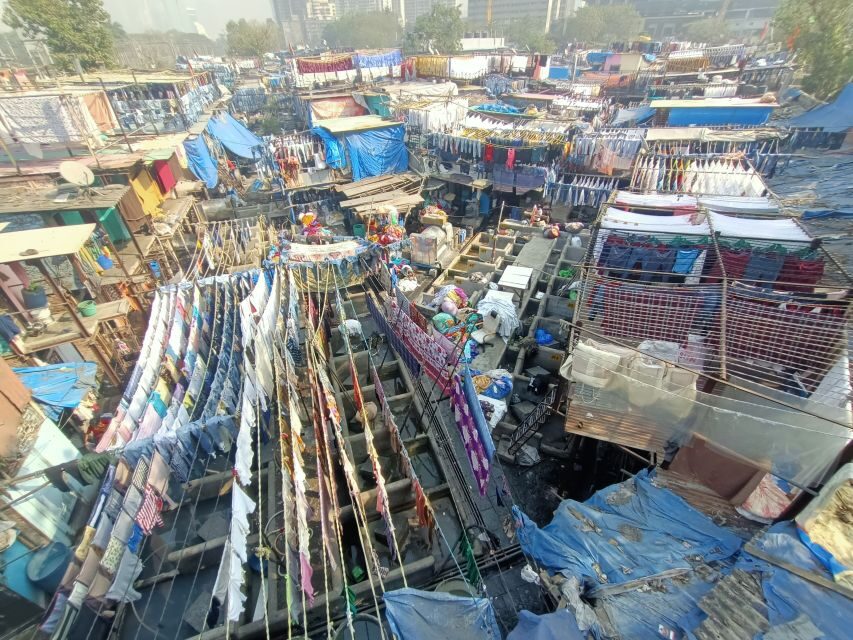
- Mahalaxmi is Mumbai’s famous open-air laundry, operating for over a century and often described as the world’s largest.
- Hand work is the star of the show: sorting, beating, line-drying, and ironing happen with family members doing each step.
- You’ll spot more than everyday laundry since there are areas for boiling water and washing hospital-infected clothes.
- Expect a sense of organized chaos with porters bringing in fresh loads while others deliver finished stacks.
- Tea is included, so it feels like a real stop, not just sightseeing.
- Plan around the rules: photography is restricted inside the working areas.
Mahalaxmi Dhobi Ghat: an open-air laundry with real history

Mahalaxmi Dhobi Ghat is one of those Mumbai places that doesn’t feel like a museum. It’s a working site. People bring dirty clothes from all over the city, and dhobi families run the process through the day until garments return clean and pressed.
The tour matters because it gives you context for what you’re seeing. Yes, you’ll watch laundry being washed, beaten, dried, and ironed. But you’ll also learn why this place became essential to city life, and how the ghat’s layout supports steady workflow.
Even if you’re not a history person, this stop helps you read Mumbai differently. Instead of thinking of clothes as a background detail, you see how much labor and organization sit behind something we all take for granted.
You can also read our reviews of more tours and experiences in Mumbai.



Starting at the viewpoint: what the first minutes feel like

You’ll start at a designated meeting area at the Dhobi Ghat entrance, near a viewpoint where you can take in the yard from the outside. This is a smart setup. It helps you get your bearings fast, because the activity inside can look like a dozen things happening at once.
Then your English-speaking guide brings order to the scene. They explain what you’re seeing and where each stage typically happens: sorting, washing, drying, and ironing. Since the tour is short, those first minutes set you up to notice details instead of just watching motion.
You’ll also get entry taken care of, and tea is included. That small comfort can really matter in Mumbai, especially if you’re hitting other sights the same morning.
Watching the manual system: sorting, beating, and drying
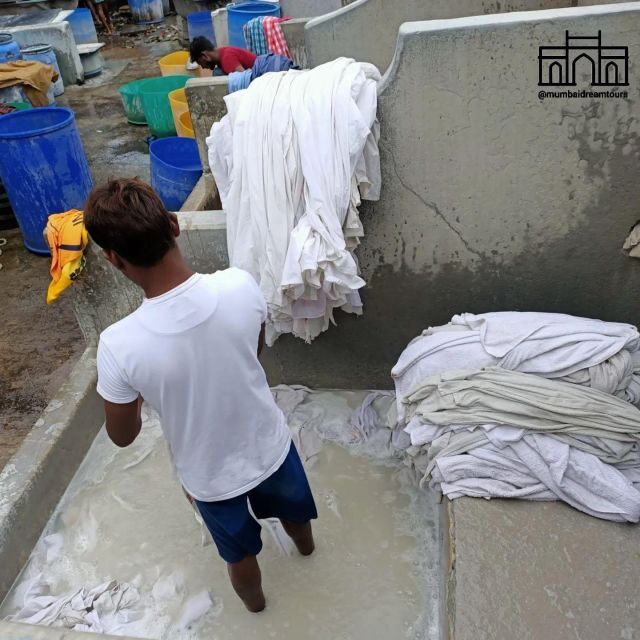
The highlight here is the visible process. You’ll see dhobis sort clothes by color and type. That’s not just tidying. It’s a practical step that affects how laundry is washed and handled, especially when different fabrics and dye colors need different attention.
Next comes the beating and stain removal. One person works the clothes through the wash area while others handle the next tasks. It’s physical work, and it looks rhythmic once you notice how the roles line up.
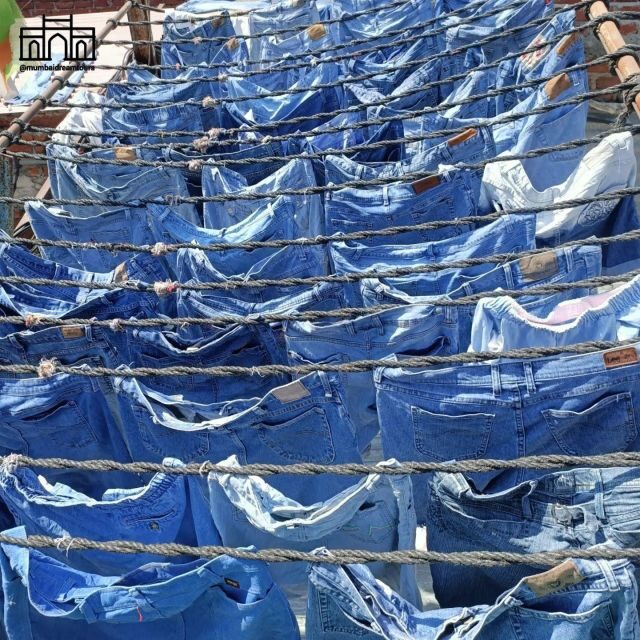
Then the clothes move to drying lines. This is where the ghat turns into a visual feast for your eyes. Rows of drying fabrics create a color display you don’t get in most indoor laundromats. If you’re the kind of person who loves street photography (and you’re okay following the rules), this is one of the best parts of the tour to focus on.
One practical note: this is an outdoor working environment. Plan for smells. Plan for movement. Plan for the fact that you’re stepping into someone’s job, not into a staged set.
From trough to charcoal irons: the moment clothes become pressed
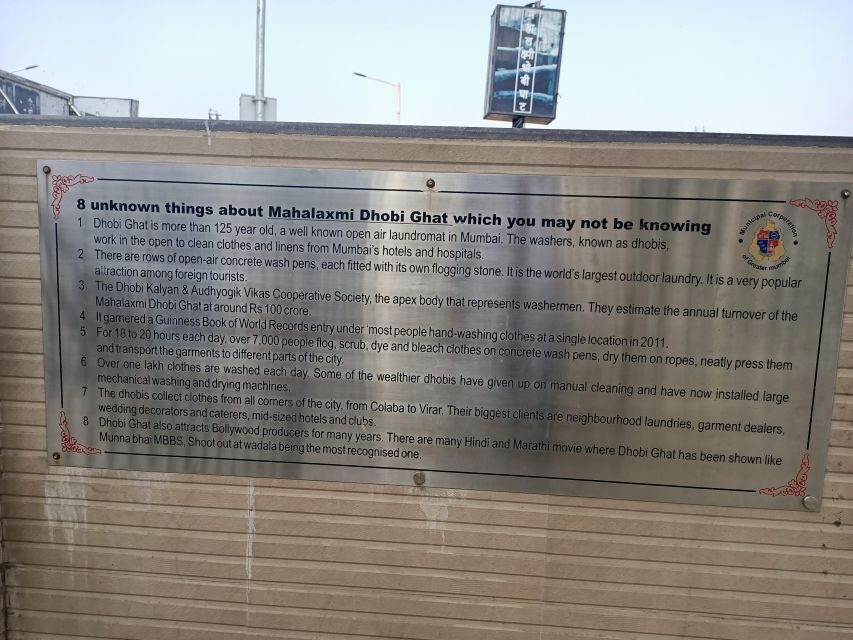
Washing is only the first transformation. The tour also shows how drying leads into the final finishing work.
You’ll learn about charcoal ironing, using bulky irons that take heat and effort. This part is surprisingly satisfying to watch. It’s one thing to see clothes hang and dry. It’s another to see how the last step restores shape and crispness before delivery.
The guide’s explanation helps connect the effort to the outcome. When you understand what’s happening at each stage, the ghat stops being just an interesting photo spot and starts looking like a system. Every family member has a role, and the timing of each job affects the flow of laundry coming in and going out.
Hospital sections and why they exist

One detail that makes the tour feel more real is that the ghat isn’t only about everyday laundry.
During the visit, you’ll learn that there are separate sections for boiling water and washing infected clothes from hospitals. That matters because it shows the ghat is part of a broader city service network.
It also changes how you view the rest of the operation. The same organized setup you see for regular garments is also used for more sensitive loads, where procedure and separation are important. You might not expect that when you first picture an open-air laundry yard, and the tour helps you catch that connection.





The people behind the work: stories, humor, and daily challenges
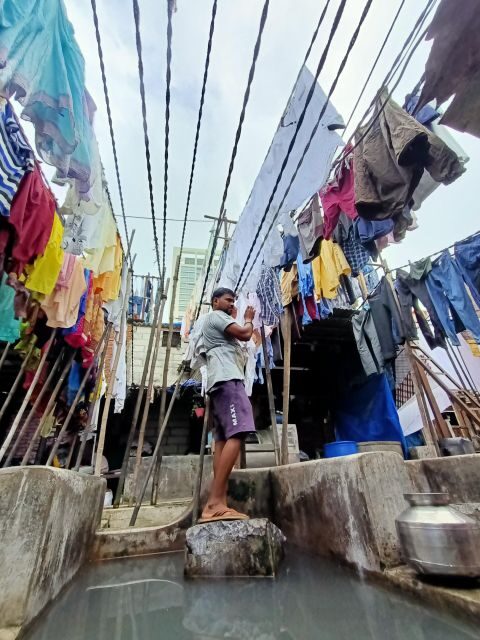
This is where the tour becomes more than a viewing experience. Dhobi ghat is managed and worked by the people who live the work every day. Your guide can help you understand their routines: the pace, the physical demands, and the way family labor keeps things running.
Some of the guides you might meet bring the stories to life with personality. For example, Havat has been described as a longtime character who worked there like generations before him, with a strong sense of humor. Another guide, Hardik Tank, has been noted as gentle, helpful, and well prepared.
You may also get little human moments that make the place feel personal, like interacting with kids on-site. In the tour experience, there’s even mention of playing a simple game like marbles with children there, plus learning practical washing tips you can actually use at home.
I like that this tour doesn’t treat the dhobis like background talent. It treats them like the experts they are.
Photography rules and how to get good shots anyway
Let’s be blunt: you cannot treat this like a free-for-all photo shoot. There’s a clear rule that photography is not allowed inside.
That doesn’t mean you’ll leave empty-handed. You can still capture plenty from areas where you’re allowed to photograph, especially the colorful drying lines and the general rhythm of the yard. The most photogenic scenes tend to be the lines of garments in the sun and the movement of clothes being loaded and unloaded.
For the best results, come with a simple plan:
- Aim for wide shots first, so the scene doesn’t get lost in the chaos.
- Save close-ups for moments where colors and textures are clear.
- Stay mindful of the inside restriction and follow your guide’s directions without arguing.
If photography matters a lot to you, choosing the morning timing helps too, because the light and activity often work together better early in the day.
Time your visit right: morning 8 am works best

This tour is short, so timing matters. Morning 8 am is listed as the best time to start, and it makes sense for a working laundry yard.
In the morning, you’re more likely to see early stages of the workflow clearly: washing and sorting starting their day of rotation, drying lines already populated, and porters moving loads in and out as the rhythm builds.
If you go later, you might still see activity, but the flow could be at a different stage. Since your tour window is around 30 minutes, you’ll benefit from being there when the site is showing off multiple stages at once.
Price and value: is $11 for a 30-minute tour worth it?
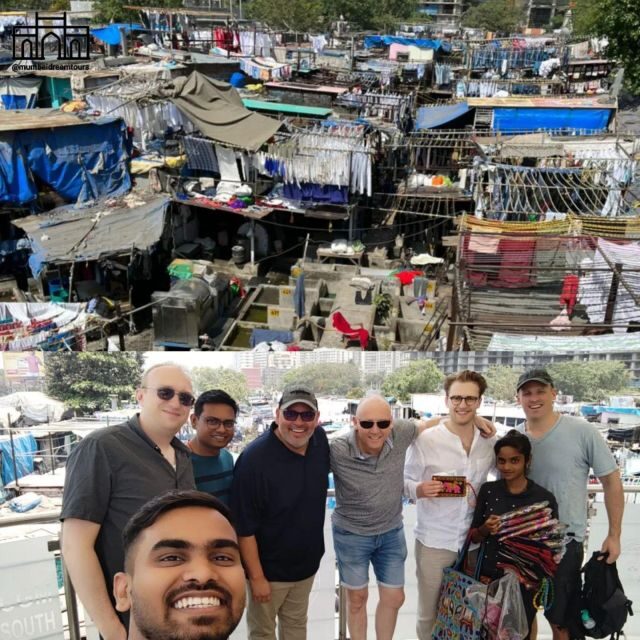
At about $11 per person, this tour is priced like an impulse-friendly add-on. The value comes from what’s included: entry tickets, an English-speaking guide, and tea.
If you try to do this on your own, you might be able to wander around. But you’d miss the “why” behind the scenes. The guide turns the place into a story you can follow: how laundry is sorted, how manual steps fit together, and how hospital-infected laundry is handled differently. That context is the real value, not just the views.
Also, the tour is short. For a busy day in Mumbai, that matters. You’re not locking up half your schedule to learn something you can grasp in a compact time window.
The one cost you should expect is mental: you need to be respectful and patient. This is someone’s workplace. If you treat it like a quick photo stop without listening, the experience won’t feel worth it. If you treat it like a guided lesson in daily city labor, it usually lands well.
Who should book this Mumbai Dhobi Ghat tour
This tour is a strong match if you like:
- Real-life city systems (not just monuments)
- Watching work processes with clear roles and visible steps
- Culture that lives in daily routine
- Short tours that still teach you something specific
It’s also good if you’re with a curious group and want a change of pace from forts, markets, or museums.
On the other hand, if you hate outdoor environments, strong laundry smells, or you want unrestricted interior photography, you might want to think twice. The restrictions and the working atmosphere are part of the deal.
Should you book this Dhobi Ghat tour?
Yes, I’d book it if your goal is to understand Mumbai beyond the postcard. Mahalaxmi Dhobi Ghat gives you a rare blend: a working place, family labor, and a city service role you don’t usually see up close. With the guide and the included tea, you get more meaning than you would on a wander-and-guess visit.
Book it especially if you can go around 8 am and you’re comfortable following the rule about no photography inside. Keep your expectations practical: this is a fast guided walk through an active workplace, not a slow, cinematic production.
If that sounds like your kind of travel day, this is a smart, low-cost way to see Mumbai in motion.
FAQ
How long is the Dhobi Ghat tour?
The tour runs for about 30 minutes.
What does the tour cost?
The price is listed as $11 per person.
What is included in the ticket?
Entry tickets, an English-speaking guide, and tea are included.
Where do I meet the guide and where does the tour end?
You meet your guide at the Dhobi Ghat viewpoint area. The tour ends back at the meeting point.
Can I take photos during the tour?
Photography is not allowed inside.
Is the tour in English, and when is the best time to start?
The tour is in English, and the best start time listed is in the morning at 8 am.