REVIEW · MUMBAI
Dharavi Slum Walking Tour: Mumbai’s Inspiring Small Industries
Book on Viator →Operated by Explore Mumbai Tours · Bookable on Viator
Two hours, and Dharavi feels personal. This small-group walking tour shows Mumbai’s working side of one of the world’s largest slums—moving from everyday commercial work to the Kumbharwada pottery colony inside Dharavi. I like that it includes hands-on small industries you can actually see in motion, and I like that it balances workplaces with the residential area where people live. One consideration: it’s very up close, including tight alleyways, so it may feel cramped if you want distance.
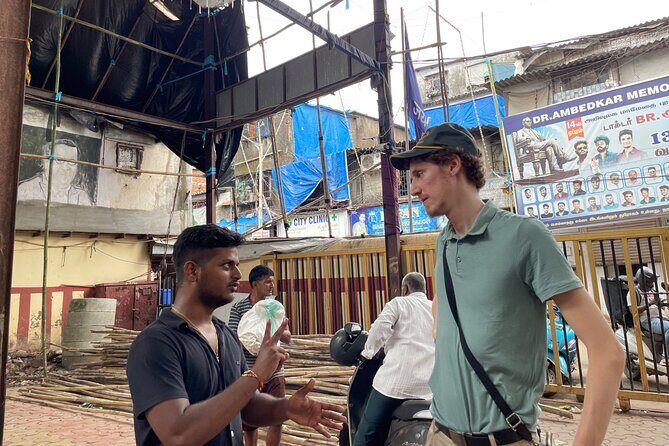
The meeting point is Third Wave Coffee near Mahim, and the walk is led by local guides. In particular, guides such as Sharon and Ruqaiyya are called out for being engaging and proud of Dharavi, which changes the tone from sightseeing to real context. The tour also aims to keep you safe while letting you take photos in active working areas—so you’ll want to be mindful and ready for close quarters.
In This Review
- Key Points at a Glance
- A Two-Hour Plan That Feels Like a Working Neighborhood
- Meeting at Third Wave Coffee: How the Walk Starts
- The Industrial Side: Recycling, Leather, Textiles in Motion
- Switching to Home Life and the Kumbharwada Pottery Colony
- What the Guides Do Differently (Sharon and Ruqaiyya)
- Price and Time: Getting Real Value for $9.51
- Tight Alleys, Active Work: Who This Tour Fits (and Who It Doesn’t)
- Photos and Respect: Making It Through Without Fuss
- Should You Book Dharavi Walking Tour?
- FAQ
- FAQ
- How long is the Dharavi slum walking tour?
- Where does the tour start?
- Does the tour include a visit to Kumbharwada pottery colony?
- Is hotel pickup and drop-off available?
- Is this tour private?
- What kinds of small businesses and industries are covered?
- Do I need to buy an admission ticket?
- What is the cancellation policy?
Key Points at a Glance
- Low cost, focused timing: A 2-hour walk for $9.51 makes this easier to fit into a tight Mumbai schedule.
- Work + home in one route: You’ll see both the commercial side and the residential side, not just one or the other.
- Kumbharwada pottery stop: A dedicated visit to the pottery colony adds a clear cultural anchor.
- Tight, active alleys: Expect very narrow lanes while you pass through workplaces.
- Guides with local pride: Named guides like Sharon and Ruqaiyya are praised for explanations that feel personal.
- Optional transfer support: Hotel pickup and drop-off are available if you choose the transfer option.
A Two-Hour Plan That Feels Like a Working Neighborhood
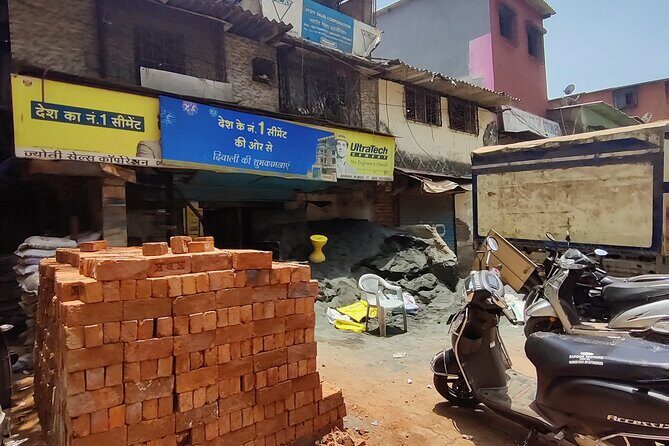
This Dharavi slum walking tour is built for people who don’t want a vague photo stop. You’re walking through the area where small businesses operate, then shifting to where families live. That contrast is the heart of the experience, and it’s what makes Dharavi’s reputation make more sense in your head.
I like how direct it is. Instead of trying to cover everything, you get a clear slice of daily life—recycling and making on one side, living spaces and local workshops on the other. For many visitors, that’s the sweet spot: enough time to see how the place functions, without it dragging on for half a day.
The big tradeoff is closeness. You’ll be in narrow alleys and inside the flow of work. If you want to observe from far away, this may not be your best match—but if you want reality, it delivers.
You can also read our reviews of more walking tours in Mumbai



Meeting at Third Wave Coffee: How the Walk Starts
You start at Third Wave Coffee on Tip Road, near Mahim (the exact address is given for the meeting point). That’s helpful because it’s an easy landmark compared to trying to find a tiny lane entrance on your own. The tour is also noted as near public transportation, which matters in Mumbai where traffic and routing can turn into a time tax.
The start format is designed for quick orientation. Your guide starts you off with the idea that this is a working area and you need to move carefully, especially when photographing. The itinerary also mentions a safety focus while still making it possible to capture photos.
Another practical plus: it’s described as a private tour/activity where only your group participates. That can make it less intimidating, because you’re not constantly negotiating space with strangers along the route.
The Industrial Side: Recycling, Leather, Textiles in Motion

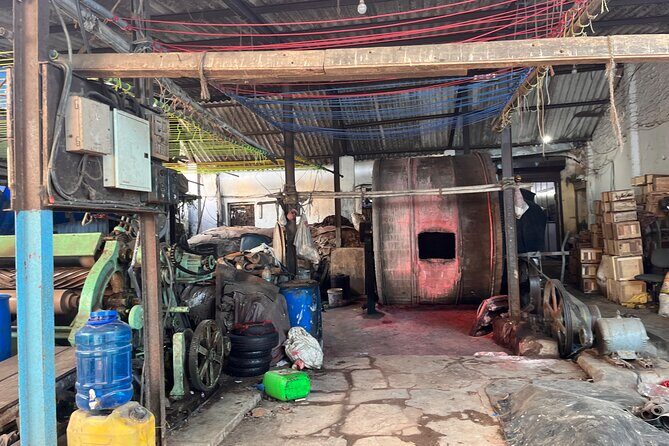
The tour’s first phase is the commercial side of Dharavi, where you’ll see small-scale industry happening in real time. You’re shown work tied to recycling and manufacturing, including materials like plastic, cardboard, and aluminum. You’ll also see garment creation mentioned as part of the activity in this area.
I like that the tour doesn’t treat these businesses like background texture. It frames them as part of how residents earn a living—so you’re not just walking past objects, you’re watching processes. That helps you understand Dharavi as an active economy rather than just an image.
You should also expect a lot of sensory closeness. This isn’t the kind of stop where everything is staged behind barriers. The walk is described as going through working areas, meaning the route can feel tight and busy as you pass through the flow of daily labor.
One helpful way to think about this: if you’re the type who likes to see how things are made, you’ll probably enjoy the industrial segment more than you expect. But if you came mainly for housing and community life, note that the tour begins with industry and then shifts toward residences later.
Switching to Home Life and the Kumbharwada Pottery Colony
After the industrial part, the tour moves into the residential sector. This is where the experience stops being only about production and starts showing how people live alongside work. You’ll see small-roofed houses and a mix of government and private buildings in the area, plus leather workshops.
Then comes a standout: a visit to the Kumbharwada pottery colony within Dharavi. This stop gives the walking route a clear cultural focus. Pottery is a craft people immediately recognize, and it’s a useful contrast to the recycling and manufacturing you saw earlier.
Why this matters for you: the Kumbharwada visit can anchor the tour thematically, so your photos and memories aren’t only about industrial activity. It also helps explain that the area includes long-standing skills and not just short-term hustles.
The residential segment is also where some visitors feel the difference most strongly. The tour format is still a walk through real space, and alleyways can be very narrow. If you’re prone to claustrophobia or you simply prefer wide streets, keep that in mind before you book.
What the Guides Do Differently (Sharon and Ruqaiyya)
A good guide can completely change how you interpret what you see in Dharavi. In the feedback tied to this tour, guides named Sharon and Ruqaiyya are praised for being engaging and informative, and for sounding like they know the area from the inside.
That local pride shows up in the way the tour explains what you’re seeing. The route is designed to teach you about daily lives, history and culture, and the way small businesses fit into the neighborhood. Instead of a checklist of facts, you’re getting context—why certain work happens where it happens, and how people’s routines shape the area.
One point worth noting: some people say the guide helped them understand things beyond what they would have noticed alone. That’s especially valuable in a place where everything is close—if you’re only looking for a view, you may miss the story.
If you have questions—about how work connects to family life, or how crafts like pottery fit in—this is the kind of tour where your questions can actually land.



Price and Time: Getting Real Value for $9.51
At $9.51 per person for about two hours, this tour is priced for accessibility. It’s also structured so you can do it without sacrificing a full day to logistics. For many itineraries in Mumbai, that kind of time efficiency matters.
What you’re really paying for isn’t comfort. It’s access: you’re guided through active small industries, then into residential areas, and you get a specific craft stop at Kumbharwada. In that sense, the value comes from the guided structure, not from fancy facilities.
Two other details make the experience easier to manage. The tour uses a mobile ticket, so you aren’t scrambling with printed confirmations. And there’s an option for hotel pickup and drop-off, which can save time if you’re not staying near efficient public transport.
Booking can also be a factor. This tour is noted as being commonly booked about 25 days in advance on average, so if Dharavi is on your must-do list, it’s smart to lock it in early.
Tight Alleys, Active Work: Who This Tour Fits (and Who It Doesn’t)
This tour suits people who want close, practical understanding. If you like learning by seeing how jobs actually get done, you’ll probably connect with the recycling work, garment creation, and workshop flow. The Kumbharwada pottery visit also appeals if you want one cultural stop that feels concrete and specific.
It can be uncomfortable for people who want more distance. The tour is described as very up close, including walking through narrow alleys—think extremely tight spaces. If you don’t like crowds, confined areas, or unpredictable movement around working stalls, you might find it stressful.
There’s also an itinerary balance to consider. One piece of feedback suggests some people would prefer less time on the industrial side and more on housing. That doesn’t mean the tour is wrong—it means it’s shaped around both. But if housing life is your priority, go into it knowing industry comes first and craft and residences come after.
If you’re traveling with limited mobility or you have a strict need for wide walking areas, you should be cautious. The tour states that most travelers can participate, but the narrow-alley setup means comfort will vary by person.
Photos and Respect: Making It Through Without Fuss
The tour mentions you’ll have the opportunity to capture cherished photos, and it includes safety guidance. That’s a good sign, because in a working community you don’t want to wander off with your phone and create chaos.
My practical advice is to treat photography like a part of the experience, not a side quest. Keep your movements controlled, follow your guide’s timing, and be ready to put your camera away when space gets tight. The point of the tour is to understand what you’re seeing, not just collect images.
Also, come with the mindset that this is not a museum. People work, places are functional, and your presence matters. If you stay calm and keep to the route, you’ll get more out of the explanations and the craft stop.
Should You Book Dharavi Walking Tour?
Book it if you want a guided, two-hour view of Dharavi that includes real small industries and ends with a clear cultural anchor at Kumbharwada pottery. This is especially worth it if you’re trying to understand Dharavi beyond stereotypes—because the format pushes you to see the area as a living, working neighborhood.
You might skip it if you strongly prefer to observe from a distance or you’re uncomfortable in extremely narrow spaces. In that case, the closeness is the whole point, and you’ll feel it.
If you do book, choose the transfer option if your hotel is far from efficient routes. The pickup/drop-off can make your day smoother, and you’ll arrive focused rather than rushed. And because it’s often reserved about a month in advance, plan ahead so you’re not stuck chasing last-minute availability.
FAQ
FAQ
How long is the Dharavi slum walking tour?
The tour lasts about 2 hours.
Where does the tour start?
The meeting point is Third Wave Coffee, Tip Road, Unit no.58, Ground, Ram Mahal, Senapati Bapat Marg, Marinagar Colony, Station, Mahim, Mumbai, Maharashtra 400016, India.
Does the tour include a visit to Kumbharwada pottery colony?
Yes. The itinerary includes a visit to the Kumbharwada pottery colony within Dharavi.
Is hotel pickup and drop-off available?
There is a transfer option that includes hotel pickup and drop-off for a hassle-free day.
Is this tour private?
Yes, it is listed as private, meaning only your group will participate.
What kinds of small businesses and industries are covered?
The tour covers small-scale industries including pottery, leather, textiles, and recycling, with examples such as recycling of plastic, cardboard, and aluminum and garment creation.
Do I need to buy an admission ticket?
The activity lists admission ticket as free.
What is the cancellation policy?
You can cancel for a full refund up to 24 hours in advance of the experience start time. If you cancel less than 24 hours before, the amount paid is not refunded.