REVIEW · NEW DELHI
Delhi Agra Jaipur Tour with Ranthambore Wildlife Safari
Book on Viator →Operated by Ranthambore Safari Tours · Bookable on Viator
Seven days can still feel like India’s highlight reel. This tour links Delhi, Agra, and Jaipur with a Ranthambore wildlife safari, so you get monuments and nature in one tight loop.
I especially like the guide-led sightseeing. You’ll have a professional tour guide in Delhi, Agra, and Jaipur, with focused stops like Jama Masjid, Red Fort, Chandni Chowk, and the big Jaipur forts and palaces.
The main thing to plan around is the safari reality: the Ranthambore jungle safari costs extra, and tiger sightings are never guaranteed, even on a good day.
In This Review
- Key Takeaways Before You Go
- Why This Golden Triangle and Ranthambore Combo Fits 7 Days
- Price and Logistics: What $300 Covers (and What It Doesn’t)
- Getting Into the Day One Rhythm in Delhi
- Delhi Half-Day Tour: Forts, Temples, and Old-City Squares
- Taj Mahal Morning in Agra: Sunrise Point Is the Payoff
- Fatehpur Sikri: The UNESCO Detour That Breaks Up the Drive
- Ranthambore Wildlife Safari Day: The Excitement and the Real Costs
- Jaipur Half-Day: Birla Temple, Raj Mandir, and the Pink City Mood
- Jaipur Full-Day Highlights: Amber Fort, Jal Mahal, Hawa Mahal, and More
- Transportation Feel: Private Vehicle, Bottled Water, and Real-World Timing
- Who This Tour Suits Best
- Should You Book This Delhi–Agra–Jaipur + Ranthambore Safari Tour?
- FAQ
- How long is the Delhi Agra Jaipur tour with Ranthambore included?
- What is included in the $300 per person price?
- Are hotel accommodations included?
- Are monument entrance fees included for Delhi, Agra, and Jaipur?
- Is the Ranthambore safari included?
- Can I choose the safari vehicle type in Ranthambore?
- Do you provide pickup and drop in Delhi?
- Do you visit the Taj Mahal during sunrise?
- What is the cancellation policy?
Key Takeaways Before You Go
- Private air-conditioned vehicle keeps long drives more comfortable than hopping between shared cars
- Taj Mahal sunrise point sets you up for a calmer, more atmospheric first look
- Fatehpur Sikri UNESCO stop adds a major cultural detour without breaking the route
- Ranthambore safari is extra (gypsy/canter charges and park fees are not included)
- Jaipur touring is guide-led and structured: Amber Fort, Hawa Mahal, City Palace, Jantar Mantar
- Support shows up in the details with pickup/drop and hassle-free coordination
Why This Golden Triangle and Ranthambore Combo Fits 7 Days

This is a classic Golden Triangle route, then it adds a wildlife day at Ranthambore. That combo is a smart use of time: you see India’s royal and Mughal era landmarks, then you step into a national park setting the same week.
I like that the plan mixes structured mornings with lighter afternoons. You’re not just stuck on a bus all day; you get guided blocks in each city and at least some time to reset.
You should also know the pacing is not gentle. Drives between Delhi–Agra–Ranthambore–Jaipur can eat hours, so it’s best if you’re the type of person who enjoys moving from “one big moment” to the next.
A few more New Delhi tours and experiences worth a look



Price and Logistics: What $300 Covers (and What It Doesn’t)
The listed price is $300 per person, and the value is strongest when you consider what’s already included. You get private air-conditioned vehicle transportation, pickup and drop in New Delhi, parking/toll costs, fuel, and a professional tour guide for the Delhi, Agra, and Jaipur monuments.
You also get practical extras that usually cost extra on similar tours: bottled water during transfers and fuel surcharge and landing/facility fees.
What’s not included matters for budgeting:
- Hotel accommodation (you book your own stay)
- Monument entrance fees in Delhi, Agra, and Jaipur
- Ranthambore National Park fees
- Safari gypsy/canter charges
- Tips/”gratuities” (recommended)
- Souvenir photos and extra add-ons
Bottom line: this price buys the route, the vehicle, and the guiding structure. It doesn’t fully cover gate money or wildlife costs.
Getting Into the Day One Rhythm in Delhi
On arrival in Delhi, you’re met by a representative and transferred to your hotel. After check-in, day one is basically a breather: you’ve earned it.
This matters because Delhi can feel intense when you land. Having a transfer waiting for you means you can get your bearings fast, then decide what to do with your first evening—without hunting for transport right away.
If you’re arriving on your own and want a smooth start, this is one of the better setups: you’re not thrown into a “figure it out” situation before you’ve even eaten.
Delhi Half-Day Tour: Forts, Temples, and Old-City Squares
Delhi’s half-day sightseeing is built around major landmarks you can’t easily skip. With a guide, you cover places like Jama Masjid, Red Fort, and Chandni Chowk (old market lanes), plus memorial stops such as Raj Ghat.
The morning also includes big ceremonial landmarks like India Gate, along with government-area sights such as the President House and Parliament House. Then the tour shifts to a spiritual stop at Bangla Sahib, the Sikh temple.
Here’s the practical upside: the guide helps you connect what you see. Even if you’ve read about the Mughal and colonial layers of Delhi, having someone explain what each site represents saves time and confusion.
One small consideration: since it’s a half-day, you’ll walk and move at a steady pace. Wear comfortable shoes and plan for traffic-related timing even with a driver.
Taj Mahal Morning in Agra: Sunrise Point Is the Payoff
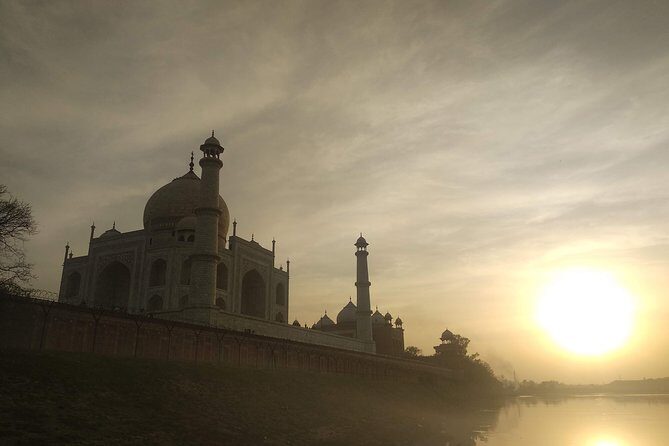
Agra begins with an early start. You’re taken to the Taj Mahal at the sunrise point, then you return to your hotel for breakfast and freshening up.
That timing choice is a big deal. The Taj is always impressive, but early hours tend to feel quieter and more reflective, which is exactly what you want when you’re seeing one of the world’s most famous sights.
After breakfast, the tour continues with Agra Fort, then you travel toward Ranthambore. This keeps Agra from feeling like just a single-photo stop.
If you hate hectic mornings, this may still be okay because the sunrise plan comes with a payoff and a built-in reset back at the hotel.
A few more New Delhi tours and experiences worth a look






Fatehpur Sikri: The UNESCO Detour That Breaks Up the Drive
On the way from Agra to Ranthambore, you stop at Fatehpur Sikri, a UNESCO World Heritage site. This is one of those places that adds meaning to the journey without feeling like an extra day.
It also helps you psychologically. Long drives between cities can make you feel like you’re passing through. A heritage stop in the middle changes the rhythm.
Because the itinerary doesn’t spell out every hour here, treat Fatehpur Sikri as a “see it with time for photos and overview” stop rather than a slow exploration marathon.
Ranthambore Wildlife Safari Day: The Excitement and the Real Costs
Ranthambore is the main event—so it deserves a clear expectations checklist.
The safari is arranged for an early morning slot, and you ride via private gypsy or canter on a SIC basis (meaning the safari cost is not included in the package). You book and pay directly, and you choose the vehicle type.
Two practical points:
- Park fees and safari charges are extra, so your total trip cost will rise once you lock your safari.
- Wildlife spotting is not a guarantee. You’re going out to look, not to collect a certainty.
In the real world, safari rides can involve rough, bumpy tracks, especially when you’re in an open-sided vehicle style. One common complaint is that you might come back with tracks and sightings at distance rather than a close tiger moment. Still, on the right day (and in good conditions), tiger sightings do happen.
What I’d do in your shoes: decide your safari budget early. Then pack for an early start and a physically active morning. Bring patience, not expectations for instant action.
Jaipur Half-Day: Birla Temple, Raj Mandir, and the Pink City Mood
Jaipur day starts after the drive from Ranthambore. Once you check into your hotel and freshen up, you head out for a half-day with a guide.
This section is varied, which I like. You visit Birla Temple, then move through key streets like M.I. Road. You also stop at Raj Mandir, the famous Bollywood cinema hall.
Then you get time for the local Pink City markets. That’s where Jaipur feels like Jaipur, not just a list of landmarks.
A small caution: market time is usually flexible, and the pace depends on crowds and traffic. If shopping is a priority, keep your must-buy items in mind before you go, so you can move quickly instead of drifting.
Jaipur Full-Day Highlights: Amber Fort, Jal Mahal, Hawa Mahal, and More
Day six is your big Jaipur day. After breakfast around 8 AM, the full guided tour covers the core highlights:
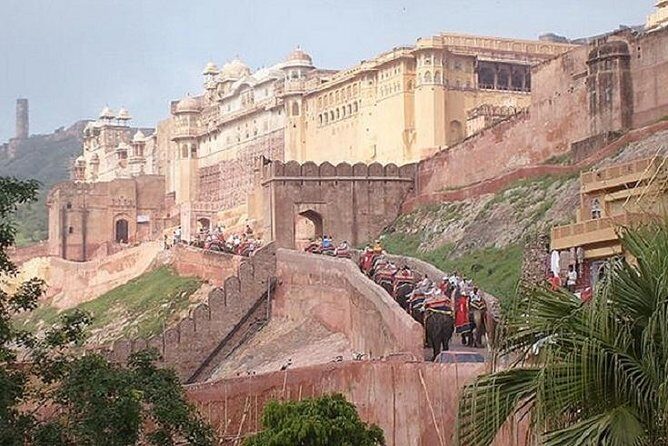
- Amber Fort (including the uphill panoramic view)
- Jal Mahal (the “lake palace” view)
- Hawa Mahal
- City Palace
- Jantar Mantar
This is the day where you feel the city’s planning and architecture. Amber Fort gives you the hilltop scale and fortification logic. Then Hawa Mahal adds the famous facade look that people expect, while City Palace and Jantar Mantar bring you back into the details.
Wear shoes that can handle uneven stone and steps. Amber Fort is not a sit-and-watch stop.
If you’re someone who wants both photos and explanations, this guide-led format is where the tour really earns its keep.
Transportation Feel: Private Vehicle, Bottled Water, and Real-World Timing
One of the biggest practical wins here is the private air-conditioned vehicle. It means fewer transfer headaches and less time waiting in lines just to get moving again.
The tour includes fuel, parking, toll taxes, and interstate taxes, plus bottled water for comfort during the drive day. That’s not glamorous, but it reduces friction.
The trade-off is simple: India road timing can be unpredictable. Even with a driver, you should expect schedule shifts based on traffic. Build flexibility into your mindset, especially on the intercity travel days.
Who This Tour Suits Best
This route is ideal if you want:
- A guided Golden Triangle with a clear structure
- One wildlife day at Ranthambore as the special contrast to monuments
- The convenience of pickup/drop and a private vehicle instead of stitching transport on your own
- Early-morning sightseeing, especially for the Taj Mahal sunrise point
It’s less ideal if you hate long drives or you need a guaranteed wildlife outcome. Safari is wildlife viewing, not a reserved seat at a show.
Should You Book This Delhi–Agra–Jaipur + Ranthambore Safari Tour?
Yes, I’d book it if your goal is a well-paced “big sights plus one nature day” trip. The included private transport, guide coverage across three cities, and Taj sunrise planning give you strong value for $300, especially since many similar tours charge extra for guide time.
I’d pause before booking if your budget can’t absorb monument entrance fees, Ranthambore fees, and the safari vehicle cost. Also pause if you’re not comfortable with the uncertainty of wildlife spotting. You can go for tiger sightings and still come back with tracks, distant views, and the feeling that nature kept the best moment for someone else.
If you’re flexible and you like early starts, this is a solid route that respects your time while still delivering the two things people come to India for: landmark awe and a real wildlife encounter.
FAQ
How long is the Delhi Agra Jaipur tour with Ranthambore included?
It runs for about 7 days.
What is included in the $300 per person price?
Pickup and drop in New Delhi (hotel/airport/railway station), private air-conditioned transportation, fuel, parking, toll and interstate taxes, personal informative tour guide for Delhi, Agra, and Jaipur monuments, bottled water, plus fuel surcharge and landing/facility fees.
Are hotel accommodations included?
No. Hotel accommodation is not included.
Are monument entrance fees included for Delhi, Agra, and Jaipur?
No. Monument entrance fees are not included.
Is the Ranthambore safari included?
Ranthambore National Park fees are not included, and safari gypsy/canter charges are also not included. You book and pay for the safari separately.
Can I choose the safari vehicle type in Ranthambore?
Yes. The safari can be arranged via private gypsy or canter, and the safari cost is paid by you based on your choice.
Do you provide pickup and drop in Delhi?
Yes. Pickup and drop are included for New Delhi hotel/airport/railway station.
Do you visit the Taj Mahal during sunrise?
Yes. You’re taken to the Taj Mahal at the sunrise point, then return to the hotel for breakfast.
What is the cancellation policy?
Free cancellation is available. You can cancel up to 24 hours in advance for a full refund. If you cancel less than 24 hours before the start time, the amount paid is not refunded.