REVIEW · NEW DELHI
Wildlife of Central India
Book on Viator →Operated by Chinkara Journeys · Bookable on Viator
Tigers, caves, and clever planning. This private 12-day wildlife tour is built around tiger-focused safaris and smart logistics, plus the included safari permits and still-camera fee that keep you from fussing once you’re in the parks. My only caution is that the pace is brisk and sightings depend on animals behaving like animals.
I also like the way the trip leans on expert people. When you’re dealing with parks, rules, and changing wildlife odds, having a steady hand matters, and Saurabh of Chinkara Journeys shows up again and again as the reason the trip feels organized. Add in chances for birdwatching and other quieter wildlife time, and it’s more than a drive-by.
In This Review
- Quick hits: what makes this tour work
- Central India Tiger Time: Why This Route Gets Results
- Starting in Delhi: The Easy Beginning You Want
- Bandhavgarh: The Tiger Reserve Opening Act
- Kanha National Park: More Chances, More Species
- Pench and Satpura: The Two Extra Reserves That Stretch Your Odds
- Bhimbetka Rock Shelters: 30,000-Year-Old Cave Paintings in the Middle of Wildlife Time
- Getting There: Domestic Flights and Air-Conditioned Overland Transfers
- Safari Permits, Camera Fees, and What’s Actually Included
- Lodges, Comfort, and the Reality of Safari Days
- Your Best Shot for Big Cats: How the Program Is Designed
- Learning Conservation, Not Just Chasing Sightings
- Photography and Birdwatching Tips That Fit This Trip
- Value for $3,149: What You’re Paying For
- Who This Tour Is Best For (and Who Should Think Twice)
- Should You Book This Tiger-Focused Central India Tour?
- FAQ
- How long is the Wildlife of Central India tour?
- Where does the tour start and when?
- Does the tour offer pickup?
- Is this tour private?
- What major wildlife are you likely to look for?
- Which UNESCO site is included?
- Are safari permits included?
- Are meals included?
- Is domestic airfare included?
- What should I plan to pay for outside the package?
Quick hits: what makes this tour work
- Tiger-first planning with safaris timed for the best odds (often early morning and afternoon)
- Bandhavgarh + Kanha plus two more tiger reserves, commonly including Pench and Satpura
- UNESCO Bhimbetka Rock Shelters and cave paintings believed to be about 30,000 years old
- More than jeep safaris: forest walks and birdwatching can be part of the mix, depending on the reserve
- Meals during tiger reserve days so you don’t keep losing time to detours
- Domestic flights + air-conditioned car transfers, a practical way to cover serious ground fast
Central India Tiger Time: Why This Route Gets Results
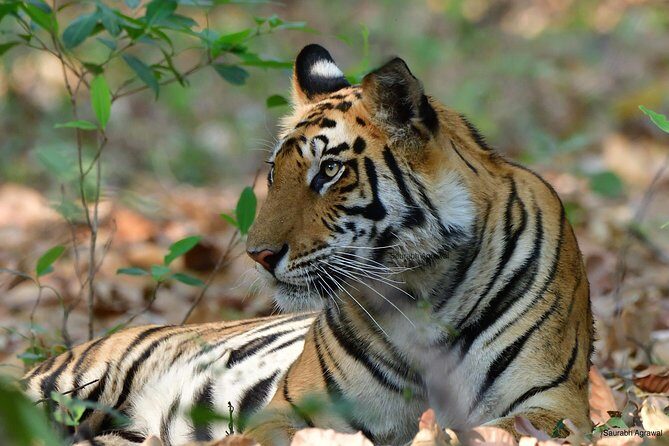
Central India is one of the places where you can realistically base a whole trip on big cats. That doesn’t mean tigers are guaranteed—parks are wild places, and your schedule can’t force an animal out of a bush. What this tour does well is stack the odds in your favor with the right kind of repetition: multiple reserves, multiple safari windows, and time spent in the areas where tigers actually live their daily lives.
The other big reason this works for you is focus. The tour is built around the “big five” style list—tigers and leopards, plus sloth bears, wild dogs, and bison—with tigers as the prime goal. When a tour has that clarity, you don’t end up with one token safari and then a pile of sightseeing you didn’t come for.
A few more New Delhi tours and experiences worth a look



Starting in Delhi: The Easy Beginning You Want
You meet at Indira Gandhi International Airport (T3 Road, Delhi 110037) with a start time of 10:00 am. Pickup is offered, and it’s listed as near public transportation, which helps if your own flight timings are a little chaotic. The trip ends back at the meeting point, which is also handy after 12 days of moving through India.
A practical point: when you start at the airport, you’re less likely to lose a full day getting organized. That matters on wildlife tours, where the real “product” is your safari time.
Bandhavgarh: The Tiger Reserve Opening Act
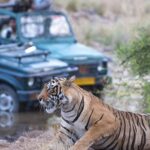
Bandhavgarh is where the trip’s energy usually kicks up fast. If you’re choosing this tour for a tiger-heavy itinerary, this reserve is a strong way to begin because it’s famous for tiger presence and it’s set up for frequent safari outings.
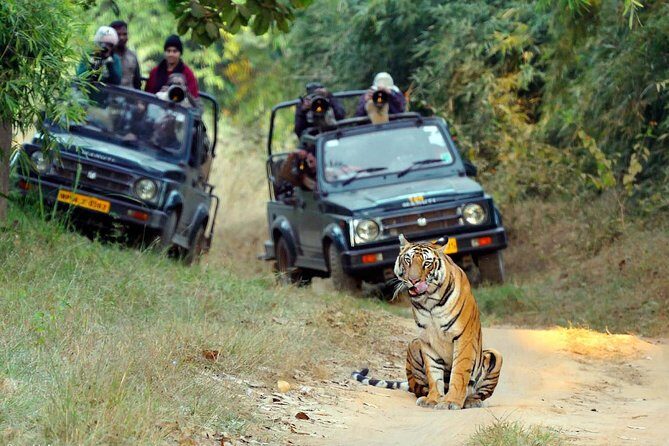
In the real world, that means you’ll be doing the safari routine that wildlife tours live and die by: early drives, then another window later in the day. The payoff is that tigers can show different behaviors at different times. One hour you might be watching paths and clearings; another hour you might see movement that only shows up when the light and temperature shift.
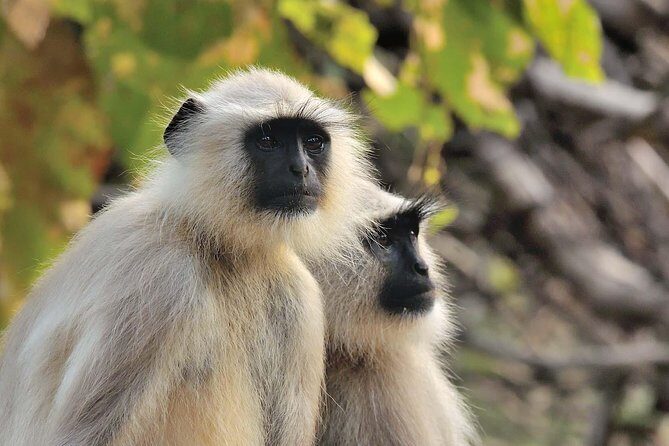
Even when tigers aren’t the star of a particular drive, you’ll still be in thick animal country. Leopards show up too, and you’re also in the right habitat to pick up birds and smaller wildlife if you take the time to look beyond the headline animals.
Kanha National Park: More Chances, More Species
Kanha (spelled in the tour info as Kanna) brings breadth. The whole idea here is you’re not betting everything on one reserve. When you add Kanha to the mix, you get a second engine for sightings: another set of safari blocks, another set of local wildlife rhythms, and another chance at tigers and leopards.
What I like about doing more than one major reserve is that it reduces the feeling of being stuck in one roll of the dice. Even if wildlife is quiet on one day, you’re not done—you’re moving to new habitat and new viewing options.
Kanha also helps with variety. This type of route tends to include not just jeep drives, but other wildlife-focused time like birdwatching and walks when the program and reserve conditions allow. Those are the moments when you start noticing the details you miss when you’re only chasing the big moment.
Pench and Satpura: The Two Extra Reserves That Stretch Your Odds
Because the tour includes two tiger reserves beyond the main parks, you get extra tries at the animals that matter to you. Based on the route described in past departures, Pench and Satpura are often part of the mix, and that combination is useful for two reasons.
First, you diversify habitat. That means different types of vegetation, different water sources, and different chances for ambush-style sightings. Second, you extend the time your eyes are on wildlife. Safari days can be long and tiring, but the benefit is cumulative: you learn the patterns faster and you get better at reading what’s happening in front of you.
This is also where the trip’s “private and customizable” label can matter. If conditions are right, you might find a mix of safari styles (jeep drives plus other options like walking or boat-style outings, depending on what the reserve allows). That variety keeps the days from turning into one repeatable routine.




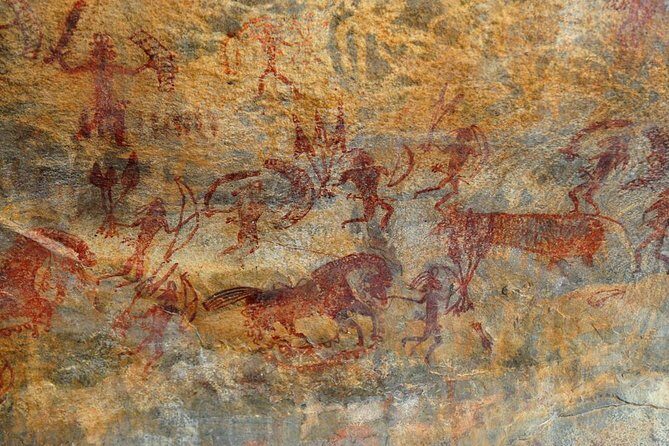
Bhimbetka Rock Shelters: 30,000-Year-Old Cave Paintings in the Middle of Wildlife Time
You don’t just do animals and travel. The trip includes a UNESCO stop at the Bhimbetka Rock Shelters, where cave paintings are believed to be around 30,000 years old.
Why this matters for you: it breaks the mental rhythm. Safari days can become all senses on alert—quiet trees, fast glances, listening for movement. Then you switch gears to human history in the same broader region. It’s a good reset and a nice reminder that people have been watching the same landscapes for a very long time.
Also, it helps that this stop is well suited to a day with a change of pace. Even if a safari day is slow, you still end up with a meaningful experience that has nothing to do with whether a tiger chooses your route.
Getting There: Domestic Flights and Air-Conditioned Overland Transfers
Twelve days is a short window to cover a big chunk of Central India. That’s why this tour uses domestic flights plus overland car journeys (in an air-conditioned vehicle).
The practical benefit is time savings. If you tried to do the same route all by road, you’d spend more hours in traffic than in safari seats. On a wildlife trip, that’s time you don’t get back.
Also, the tour is private, which usually means you’re not stuck waiting on a large tour bus. You stay focused on your schedule and the drive time stays more predictable.
Safari Permits, Camera Fees, and What’s Actually Included
This trip includes accommodation (twin/double sharing) and the safari permits, plus the still camera fee. It also includes “full cycle of meals in tiger reserve” days, and you’ll have meals while visiting tiger reserves.
That inclusion matters because safari costs can surprise people. Permits and camera fees aren’t always bundled elsewhere, and getting them handled ahead of time reduces one more stressful variable on safari days. You can also plan your day around safari windows without wondering whether lunch is a scramble.
What’s not included is also clear: international flight, visa, and airport charges, plus personal expenses. So you’re responsible for those big items, but the core wildlife costs and the on-the-ground logistics are handled.
Lodges, Comfort, and the Reality of Safari Days
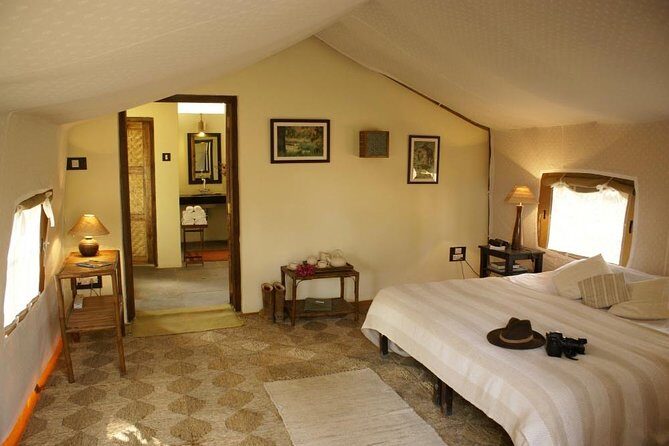
Wildlife safaris can be physically demanding. The nice part is that the trip includes quality accommodation in the reserves’ area, and the transport is in comfort-focused vehicles. That’s not a luxury promise, but it does mean you’re less wrecked by the end of each day.
Past departures have also described the lodges as high quality and set in pleasant surroundings, with delicious meals tailored to different tastes. That matters because good food and a decent bed can be the difference between enjoying day three of tiger time and counting down the hours to home.
One consideration: safari days are early, and you’ll be outside a lot. If you’re the type who hates waking up before the sun, you might find this itinerary a bit intense.
Your Best Shot for Big Cats: How the Program Is Designed
The trip’s prime focus is tigers, but it isn’t only about one animal. You’re also hunting for leopards, sloth bears, wild dogs, and bison. That matters because Central India wildlife is often “full system” living: when one species is active, others tend to be around too, and your eyes get better at spotting movement patterns.
The big mechanism is repetition across different reserves and different safari time windows. Many departures run early morning and afternoon safaris, usually twice a day. That gives you two chances in one day to catch an animal doing something visible—crossing a clearing, feeding, or resting out in the open.
And because it’s private and customizable, you can often lean into what you care about most. If you’re a photographer, the included still-camera fee is a small thing that makes a bigger difference than it sounds like.
Learning Conservation, Not Just Chasing Sightings
One of the most appreciated parts of this kind of trip is how it helps you understand what you’re seeing. Conservation work can be invisible when you’re focused on the next tiger moment. Still, expert guides tend to explain how parks are managed and why those rules exist, from how vehicles move to why certain behaviors are discouraged.
This also connects with the broader human side. In Central India, wildlife protection isn’t separate from local life. You’ll have chances to learn how conservation tries to protect animals while respecting the way people live nearby.
That kind of context makes the whole trip feel more meaningful. It’s not only a checklist of animals. It’s also learning how the system stays alive.
Photography and Birdwatching Tips That Fit This Trip
Since safari permits and a still-camera fee are included, you can plan to photograph without extra friction. For wildlife photography, the real trick is patience and positioning. On jeep safaris, the best shots usually come from calm scanning and waiting for movement, not frantic camera flipping.
If birdwatching is part of the day, remember that birds show up when you slow down. Keep your eyes moving between canopy, edges, and open ground. That’s where you’ll find both common and interesting species while you’re waiting for big cat action.
Also, bring something that keeps you comfortable for long sits in the vehicle. Safari time can mean hours of standing still with a camera. If you’re comfortable, you’ll last longer—and you’ll miss fewer moments.
Value for $3,149: What You’re Paying For
At $3,149 per person, this isn’t a budget wildlife trip. But when I look at value, I focus on what would cost you time and money if you did it on your own.
You’re paying for a bundle of core safari inputs:
- Domestic airfare
- Safari permits
- Still camera fee
- Accommodation
- Full meals during tiger reserve days
- Air-conditioned surface transport
That’s the big point: you’re not just paying for “a guide.” You’re paying for planning, park access, and the movement between reserves that would otherwise eat up days and energy. For wildlife tours, that can be worth real money because the opportunity cost is huge: a delayed start or missed safari window can mean fewer animal chances.
The other value piece is risk management. Wildlife trips have uncertainty. A good operator can’t conjure tigers, but they can reduce wasted time and keep the schedule flowing so you get the safari volume you came for.
Who This Tour Is Best For (and Who Should Think Twice)
This works best if you:
- Want a tiger-first trip with multiple reserves
- Like wildlife days that start early and keep going
- Care about more than one species, including leopards and sloth bears
- Enjoy learning about conservation and how parks function
Think twice if you:
- Hate long, fast-paced itineraries
- Need lots of free time each day to wander on your own (this is a structured safari program)
- Have trouble with early starts and long vehicle sits
Should You Book This Tiger-Focused Central India Tour?
If your goal is serious wildlife time, especially with tigers as the main target, this tour is a strong match. The combination of multiple reserves, included safari essentials, and conservation-focused guidance makes it practical—not just exciting.
Just go in with one clear expectation: the big cats can be unpredictable. What this trip offers is the best kind of control you can have—smart timing, real park access, and enough repetition that your odds don’t collapse after one slow day.
One more real-world note: the experience is listed as non-refundable and can’t be changed for any reason. If your dates are shaky, lock them down carefully before you commit.
FAQ
How long is the Wildlife of Central India tour?
The tour is listed as about 12 days.
Where does the tour start and when?
It starts at Indira Gandhi International Airport T3 Road in New Delhi, with a start time of 10:00 am.
Does the tour offer pickup?
Yes, pickup is offered.
Is this tour private?
Yes. It is a private tour/activity, and only your group participates.
What major wildlife are you likely to look for?
The tour focuses on tigers, with hopes also for leopards, sloth bears, wild dogs, and bison.
Which UNESCO site is included?
The Bhimbetka Rock Shelters, with cave paintings believed to be around 30,000 years old.
Are safari permits included?
Yes. Safari permits and a still camera fee are included.
Are meals included?
Meals are included as a full cycle while visiting tiger reserves.
Is domestic airfare included?
Yes, domestic flights are included.
What should I plan to pay for outside the package?
International flights, visa, airport charges, and personal expenses are not included.