REVIEW · HARIDWAR
Haridwar: Full-Day Cultural Tour with Guide
Book on GetYourGuide →Operated by Uttar Tours · Bookable on GetYourGuide
Ganga Aarti wakes Haridwar fast. This 8-hour cultural circuit hits the city’s main spiritual stops in a smart order, with temple legends plus real-life market time and a front-row style plan for the evening ritual. I especially like that the day is guided end-to-end, including pickup and a local explanation at each major site, with guides like Dinesh and Ajay known for keeping the stories clear and practical.
My favorite part is the Ganga Aarti at Har Ki Pauri, timed so you can grab a decent viewing spot before it gets packed. I also like the mix of big-name temples and quieter spiritual corners, like Kusha Ghat, where locals do daily rituals. A possible drawback to plan for: you’ll walk a fair bit, and the ropeway stops are not great if you have mobility limits or if you’re sensitive to crowds and stairs.
Haridwar can feel like sensory overload on your own, so having a guide does real work for you. The tour includes transport, mineral water, light refreshments, and assistance with shopping—so you spend less time guessing and more time actually enjoying the places. If you’re picky about pacing, the day is tightly packed; even with a private group, you’ll want to keep your expectations realistic about what fits into 8 hours.
In This Review
- Key things to know before you go
- Why Haridwar’s spiritual rhythm hits hardest with a guide
- The pacing: what 8 hours feels like in real life
- Daksh Mahadev Temple: Shiva’s legend in a calmer setting
- Shri Yantra Temple: spiritual symbolism you can actually understand
- Maya Devi Temple and the Shakti Peetha connection
- Udan Khatola ropeway to Chandi Devi: views plus a story
- Ropeway back for Mansa Devi on Bilwa Parvat
- Lunch and then Moti Bazaar: the everyday Haridwar layer
- Kusha Ghat: where daily rituals feel close and human
- Har Ki Pauri and the Ganga Aarti: how to get the best experience
- Tickets, fees, and whether $35 feels fair
- Dress code, walking, and who should (or shouldn’t) book
- Should you book this Haridwar full-day cultural tour?
- FAQ
- How long is the Haridwar full-day cultural tour?
- Where do pickup and drop-off happen?
- Is lunch included in the tour price?
- What’s included in the tour?
- Are temple entry fees and ropeway tickets included?
- What should I wear for the tour?
- Can I watch the Ganga Aarti without paying for VIP seating?
- Is it possible to skip the ropeways?
- Is the tour suitable for mobility-impaired guests?
Key things to know before you go
- Ganga Aarti timing: you arrive early at Har Ki Pauri so you’re not scrambling for a view.
- Ropeway views: the cable car/ropeway options connect you to temples on the hills with panorama-level scenery.
- Multiple temple styles: Shiva legends at Daksh Mahadev, plus spiritual symbolism at the Shri Yantra and a Shakti Peetha stop.
- Moti Bazaar shopping with direction: you get a guided walk through what to look for, including puja items and sweets.
- Queue options exist: you can choose general access or pay for VIP queue-skipping and/or VIP seating for the Aarti.
Why Haridwar’s spiritual rhythm hits hardest with a guide
Haridwar has a way of making time feel different. Mornings can feel grounded and devotional, and then—when evening arrives—everything centers on the river, the lamps, and the chants at Har Ki Pauri.
This tour is built around that shift. You start with major sacred sites tied to Shiva and Shakti traditions, then you move into the everyday layers of the city (markets and ghats), and finally you end at the Ganga Aarti where the whole experience clicks into place.
The guide matters because many of these places reward attention. Even if you’re not a theology expert, a good explanation helps you notice what you would otherwise miss: why people are standing where they are, what certain rituals represent, and what each temple’s story means in Haridwar’s spiritual ecosystem.
You can also read our reviews of more guided tours in Haridwar
The pacing: what 8 hours feels like in real life
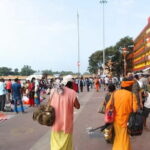
On paper, 8 hours sounds roomy. In practice, it’s a fast-moving full day with temple stops, a ropeway segment, a market walk, and the evening ritual—so plan for steady walking and some waiting time.
You’ll get hotel pickup (or a designated meeting point) and then a full guided experience through the day. There’s a private group setup, so you’re not sharing the guide with a huge crowd, but you should still expect the city itself to be busy around key temples and especially near Har Ki Pauri.
One more practical point: modest dress is required. Shorts and sleeveless shirts aren’t allowed, and you’ll want clothing that covers shoulders and knees. Comfortable shoes are a must, because you’ll move between temple areas and ghats.
Daksh Mahadev Temple: Shiva’s legend in a calmer setting
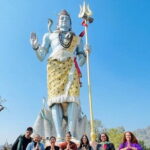
Your day starts with Daksh Mahadev Temple, dedicated to Lord Shiva. This is the kind of stop that feels meaningful even if you only catch a few minutes at each point, because the guide frames the story in a way that’s easy to follow.
What makes it special is the mythological thread tied to King Daksha, Sati, and Shiva. When your guide explains the background, the temple stops feeling like a photo opportunity and starts feeling like a place connected to long-running spiritual narratives.
It’s also described as relatively peaceful and less crowded compared to some other areas. That matters. You get a moment of quiet before the rest of the day turns busier, which helps your brain switch into the right mode for the rest of the temples.
A practical consideration: if you’re traveling with limited stamina, ask your guide for a slightly slower approach here. It’s a good place to set the tone for the rest of the route.
Shri Yantra Temple: spiritual symbolism you can actually understand
Next comes the Shri Yantra Temple, connected to spiritual energy and cosmic geometry. This is a more esoteric stop than the typical temple-circuit feel, and the tour is positioned to help you understand why people visit and how the symbol is used in tantric worship.
If you like meditation, symbolism, or “meaning behind the object” travel, this stop is a standout. You’ll get an explanation that helps you connect the geometry to the spiritual practice rather than treating it as just decoration.
The value here is interpretation. A symbol like the Shri Yantra can seem abstract from the outside, but with a guide’s explanation, it becomes a real entry point into the kind of thinking that shapes parts of Indian spiritual life.
Maya Devi Temple and the Shakti Peetha connection
Then you move to the Maya Devi Temple, one of the Shakti Peethas, tied to Goddess Maya Devi and Haridwar’s ancient roots. This stop shifts the focus from Shiva-centered stories to Shakti-centered devotion, which gives your day more balance.
Shakti Peethas are known across the region for deep pilgrimage importance. Here, the tour approach is to make the connection clear: who the goddess is, why she matters in this location, and how Haridwar fits into broader sacred traditions.
A common mistake is treating each temple like an isolated stop. The guide’s job is to link them, and this part of the itinerary is meant to show how Haridwar’s spiritual identity isn’t one-note.

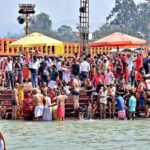
Udan Khatola ropeway to Chandi Devi: views plus a story
The tour includes the Udan Khatola ropeway to Chandi Devi Temple, perched on Neel Parvat. This is where the experience gets more physical and more scenic—cable-car rides mean you’ll see Haridwar and the Ganges from a higher vantage point.
The guide also brings in the myth: Goddess Chandi’s victory over demons. That story gives context for why devotees make the trip to a hilltop shrine. It’s not just “a temple on a mountain,” it’s tied to a bigger theme of protection and victory in Shakti devotion.
If you get motion-sensitive or worried about heights, tell the guide early. The tour notes that elderly guests can skip ropeways, and there’s also an option of hiking to the temples (about 1.5 km each way). That flexibility can matter a lot for comfort.
Ropeway back for Mansa Devi on Bilwa Parvat
After Chandi Devi, you descend and ascend again via ropeway to reach Mansa Devi Temple on Bilwa Parvat. Like Chandi Devi, Mansa Devi is a high-interest devotion stop, known as a wish-fulfilling goddess that draws many devotees.
This segment keeps the day varied: you’re not stuck only at ground-level sites. The repetition of the ropeway experience is also useful for context—you can compare views as you go, and it gives your body a different rhythm than constant walking.
One practical note: ropeway timing can affect how quickly you reach the next stop. So keep your expectations flexible if schedules cause small shifts. This is one of the reasons having a guide is worth paying for: they manage the day so you don’t feel lost.
Lunch and then Moti Bazaar: the everyday Haridwar layer
Lunch is optional and at your own expense. After that, you take a leisurely walk through Moti Bazaar, a key traditional market area.
This stop is for more than souvenirs. With the guide’s assistance, you can shop with less guesswork for things like rudraksha beads, puja items, brass idols, and local sweets. The guide can also help you understand what shoppers typically look for and how these items fit local customs.
If you’re trying to control costs, this market time can actually be a plus. In past groups, the shopping assistance has helped people get better value for what they wanted, instead of wandering into impulse buys with no context.
A small reality check: markets can be crowded, and you’ll want to keep your phone, cash, and bag secure. There’s no reason to panic, just stay aware.
Kusha Ghat: where daily rituals feel close and human
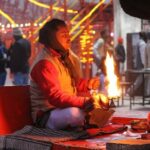
Next is Kusha Ghat, described as a calmer ghat where locals perform daily rituals and spiritual cleansing. This is a great contrast to the more packed pilgrimage hotspots, because you get to see routine devotion rather than only major ceremony-mode.
The tour includes respectful observation of religious activities like pind daan, Ganga snan, and meditation practices. The guide helps you understand what you’re seeing, which keeps you from turning your visit into an awkward staring contest.
If you like travel that feels grounded in real local life, this is one of the stops that makes the day feel more authentic. It’s also a good moment to slow down before the big finale at Har Ki Pauri.
Har Ki Pauri and the Ganga Aarti: how to get the best experience
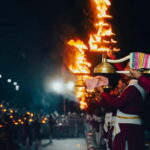
The finale is the Ganga Aarti at Har Ki Pauri. The tour plan is to arrive early so you can secure a good viewing spot.
This is one of those experiences where timing changes everything. If you show up late, you’ll spend the ceremony craning your neck and regretting it. If you arrive early as planned, you can actually watch the full sequence without feeling squeezed.
The guide explains rituals, chants, and the spiritual meaning behind the aarti. That guidance helps you understand what the lamp offerings represent and why they’re timed the way they are.
There are also optional upgrades:
- VIP seating at Har Ki Pauri is available for 200 INR per person.
- General/public area seating on the ghat is free.
If you care a lot about comfort and view quality, consider the VIP seating—especially if you’re traveling with someone who doesn’t love crowding. If you’re fine with standing and you want to save money, public viewing can work well.
Tickets, fees, and whether $35 feels fair
The headline price is about $35 per person for an 8-hour guided day. For that, you get the big value items: expert English/Hindi cultural guide, transportation, a guided walk in Moti Bazaar, assistance with local shopping, and mineral water plus light refreshments.
But you should budget for what’s not included:
- Lunch is not included.
- Entry fees to temples & ropeway tickets are not included.
The tour data gives you useful numbers to plan:
- Standard ropeway/cable car round trip (combined for Mansa Devi and Chandi Devi) is around 550 Rupees per person.
- There’s also a note that the guide ticket may be payable by the guest.
- If you want to skip temple queues for VIP visit, there’s an additional 500 INR per person paid directly at the temple.
- VIP Aarti seating is 200 INR per person.
Here’s how I’d judge value: if you want both ropeway temples plus Har Ki Pauri Aarti with guided interpretation, this tour can be a better deal than trying to piece it together yourself, especially for navigation and timing. The guide’s role is not just storytelling—it’s helping you hit the right spots without wasting time.
If you’re comfortable organizing transport and negotiating entry and ropeway logistics on your own, you might spend less without a guide. But if you want the day to flow and you’d rather spend energy on the sites, the $35 price plus on-the-day fees is often reasonable.
Dress code, walking, and who should (or shouldn’t) book
This tour is best for people who don’t mind religious crowds and a decent amount of walking. The modest dress rule is strict enough that you’ll want to pack accordingly—cover shoulders and knees, and skip shorts and sleeveless tops.
It’s also noted as not suitable for people with mobility impairments, which makes sense given the temple access and ghat areas. If you’re elderly, you can sometimes skip ropeways if needed, and there’s also the option to hike (about 1.5 km each way) instead of using ropeways.
For solo travelers and couples, the private-group setup is a big plus because you can ask questions freely and keep your pace. For families, it can work if everyone can handle walking and the dress rules.
Language-wise, the guide provides English and Hindi, which helps a lot at temples where the meaning of chants and rituals matters.
Should you book this Haridwar full-day cultural tour?
If your goal is to experience Haridwar in one focused day—temples, hilltop views by ropeway, market time, and the Ganga Aarti—this tour is a strong choice. The best reason to book is the structure: you get guided meaning at each stop, and the Aarti timing is handled so you’re not missing the moment.
I would skip or reconsider if:
- you have mobility limitations,
- you hate crowds and standing for ceremonies,
- or you need very slow pacing with lots of downtime.
If you do book, do one thing for yourself: plan your clothing early, bring comfortable shoes, and consider whether you want the VIP queue-skip and/or VIP Aarti seating based on your comfort level. That’s the small decision that can make the biggest difference in how enjoyable the day feels.
FAQ
How long is the Haridwar full-day cultural tour?
The duration is 8 hours.
Where do pickup and drop-off happen?
Pickup is available from Haridwar or Rishikesh, and drop-off is also offered in Haridwar or Rishikesh.
Is lunch included in the tour price?
No. Lunch is not included, and you’ll have it at your own expense.
What’s included in the tour?
You get an expert English/Hindi-speaking cultural guide, transportation, mineral water and light refreshments, a guided walking tour in Moti Bazaar, and assistance with local shopping.
Are temple entry fees and ropeway tickets included?
No. Temple entry fees and ropeway tickets are not included.
What should I wear for the tour?
Modest dress is required. Shorts and sleeveless shirts aren’t allowed, and you should cover shoulders and knees.
Can I watch the Ganga Aarti without paying for VIP seating?
Yes. There is no charge for seating in the general/public area on the ghat, but VIP seating is available for 200 INR per person.
Is it possible to skip the ropeways?
Yes. Elderly guests can skip the ropeways if needed.
Is the tour suitable for mobility-impaired guests?
No. It is not suitable for people with mobility impairments.