REVIEW · VARANASI
Cooking Class with Sona
Book on Viator →Operated by Cooking Class With Sona · Bookable on Viator
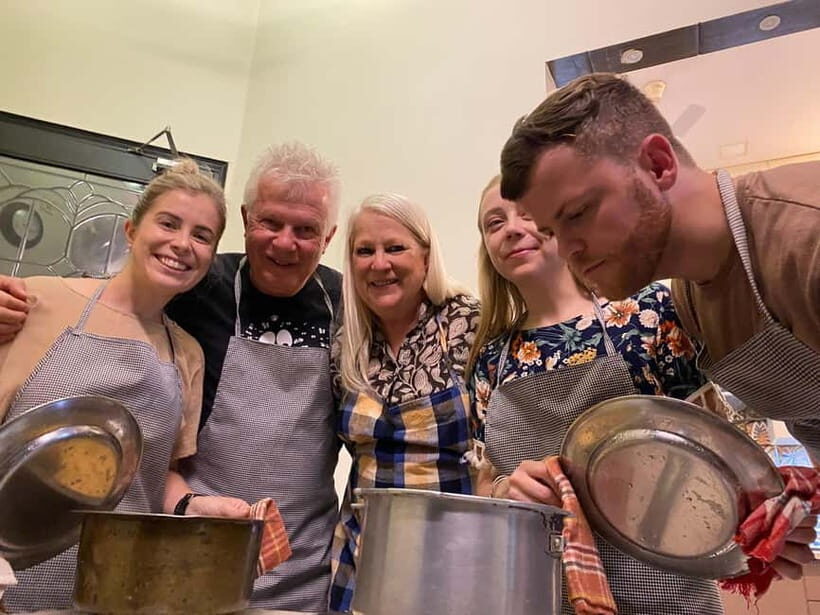
Varanasi tastes different when you cook it. This class is taught by Sona, a local home cook, and it focuses on vegetarian North Indian flavors with homemade spice mixes and a full cooking walkthrough. I especially like how clearly she communicates, and how practical the methods are so you’re not just eating well—you’re learning how to make it.
You’ll also leave with a real handle on homemade spices, from prep to finishing a plate. The one drawback to consider: the whole class is vegetarian, so if you’re chasing meat-based dishes, you’ll need a different activity in Varanasi.
Plan on about 2 hours 30 minutes to around 3 hours of hands-on cooking. Lunch and dinner are included, and it’s a private experience for your group, so it’s not rushed by a crowd.
In This Review
- Key things to know before you go
- A Home-Cooked Vegetarian Lesson in Varanasi
- What You’ll Cook: Thali, Paneer, Kofta, Eggplant, and More
- From Chopping Board to Dinner Table: The 2.5–3 Hour Flow
- Why Homemade Spices Change Everything (and How You’ll Use This Later)
- Lunch and Dinner Included: What That Adds to the Price
- Meeting Near Assi Ghat: Easy Plan, No Pickup
- Who This Cooking Class Is For
- Should You Book Cooking Class With Sona?
- FAQ
- How long is the Cooking Class with Sona?
- Is the class vegetarian?
- What dishes are included in what you’ll learn?
- Does the price include lunch and dinner?
- What languages are supported?
- Is pickup or drop-off provided?
- Where does the class start?
- Is this a private experience?
- How far in advance should I book?
- What is the cancellation policy?
Key things to know before you go
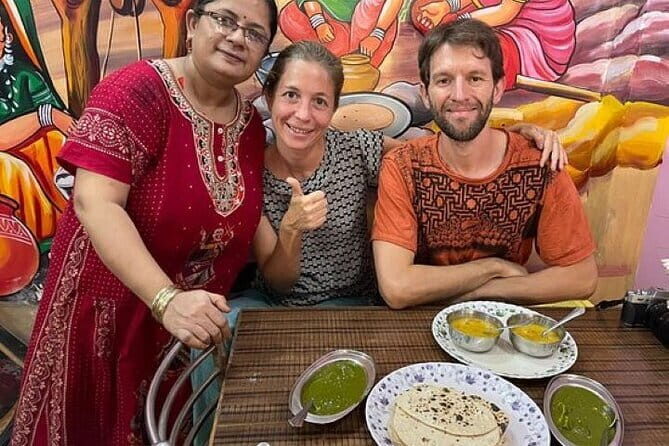
- Learn the full process, from chopping to cooking, not just watching
- Vegetarian thali style meal: chapati, dal, sabji/curry, rice, and sweets
- Homemade spice focus, so you can recreate flavors at home
- Learn breads and classics like chapati, naan, puri, and bhature
- Includes drinks and snacks concepts, including Indian chai/tea masala, plus items like samosa and pakora
A Home-Cooked Vegetarian Lesson in Varanasi
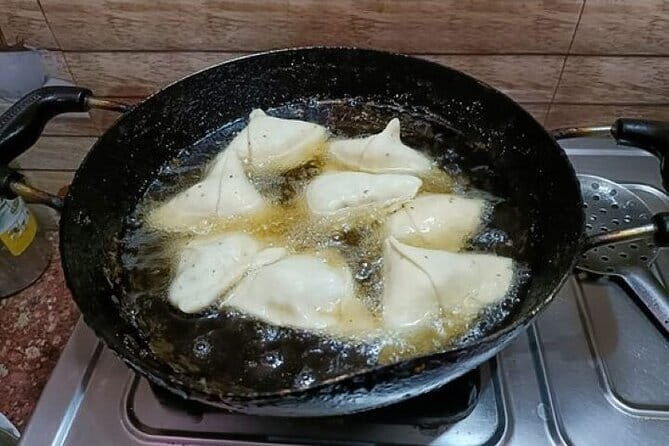
This cooking class is built around something you’ll value later: a step-by-step path through Indian cooking that you can repeat. You’re not just tasting a dish. You’re learning techniques you can use again in your own kitchen, even if you don’t live in India.
Sona runs it as a local home cook experience in Varanasi, centered on vegetarian cooking. That matters because vegetarian food is where a lot of Indian flavor technique lives—spice blooming, lentil texture, frying and crisping, and the way sauces change depending on what you’re adding.
It’s also easy to imagine fitting into a real day here because it’s a focused block, not an all-day production. You’ll get the practical cooking experience, then you’ll eat what you make (both lunch and dinner are included), which is a big part of the value.
You can also read our reviews of more cooking classes in Varanasi
What You’ll Cook: Thali, Paneer, Kofta, Eggplant, and More
The centerpiece is a thali approach, which is basically a full plate meal meant to feel complete. In this class you learn the components of thali, including chapati, dal (lentils), sabji/curry (vegetables), rice, and sweets. It’s a great structure because you’re not stuck learning one dish in isolation.
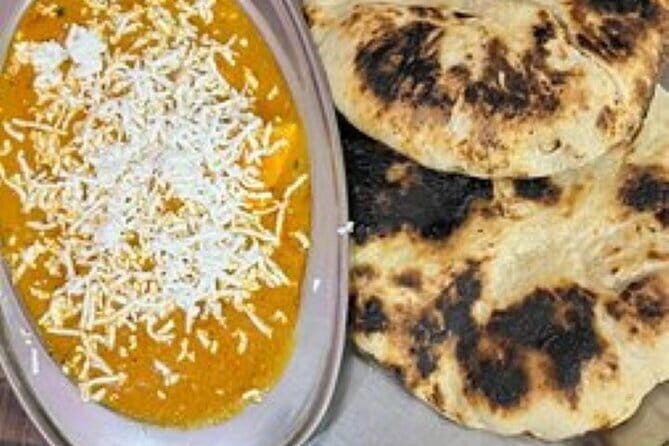
You’ll also work through specific vegetarian dishes that show off different styles across North India. Examples include paneer butter masala, malai kofta, and roasted eggplant (brinjal). Even if you already know these dishes from restaurants, making them from scratch helps you understand the texture and timing—especially with paneer and kofta, where the sauce-to-ingredient balance changes everything.
If you’re a bread person, this is a standout. You’ll learn multiple Indian breads such as naan, chapati, puri, and bhature. That’s not just variety for variety’s sake. Different breads teach different dough handling and cooking methods, and they also make the meal feel more authentic because thali without bread options can feel a bit incomplete.
Sona also includes dishes and snack-style foods from different states of India, including chole-bhature and items like pakora and samosa. Think of these as flavor anchors too. When you learn how the doughs and fillings behave, it becomes easier to recreate the classics later.
Finally, there’s a drink component. You’ll learn Indian chai / tea masala, which is a smart add-on because it ties spice use to aroma and sweetness—two things that are hard to catch just by watching food being served.
From Chopping Board to Dinner Table: The 2.5–3 Hour Flow
This is advertised as a 2 hours 30 minutes class, but the full cooking process is described as taking around 3 hours. Practically, that means you should plan your schedule as if it’s closer to a 3-hour block once prep and cooking pacing are included.
Sona teaches you the complete process, meaning you’re involved from the start with prep steps like chopping, and then through cooking. That full workflow is the difference between learning recipes and learning how Indian cooking actually works: mise en place first, then controlled heat and timing.
You can expect the class to move through a loop of tasks:
- learn or review ingredients and spice use
- do the hands-on prep (chopping and combining)
- cook each dish component and adjust as you go
- finish with bread and meal assembly
Because the class includes lunch and dinner cooked food, you’ll eat what you make rather than getting a quick snack and leaving. That also means you can notice results immediately—how the dal thickened, whether your curry tastes right after resting, and how the breads turn out when served fresh.
Why Homemade Spices Change Everything (and How You’ll Use This Later)

Homemade spices aren’t just a romantic idea. They’re practical. Fresh spice mixes can taste brighter and less flat than pre-ground versions, and you also learn how to use them in context—when to add, how to balance heat, and how to let aroma develop.
In this class, spice is a core theme. You’ll use homemade spices for vegetables/curry and for the tea masala drink. Learning the role of spice in both savory and drink flavors gives you a framework you can repeat at home, even when you swap ingredients based on what’s available.
Here’s the value you should look for: the class is designed so you don’t just memorize a list of dishes. You learn techniques you can reuse, like building flavor through sauce steps, getting the right lentil texture, and handling fried or bread-based components properly.
If you’ve ever cooked Indian food at home and felt like it tastes close but not right, this is where the class helps. It’s the difference between copying a recipe and understanding the method.
Lunch and Dinner Included: What That Adds to the Price
At about $40.82 per person, it’s not just a “watch someone cook” experience. The price comes with meals: lunch and dinner are included, both made as part of what you learn.
That changes the math. You’re paying for ingredient-driven hands-on cooking instruction plus the value of a real lunch and a real dinner—served in a thali style experience. In a place like Varanasi, where food is everywhere, the value is not getting fed. The value is being taught while you’re fed.
You’re also booking with a guide support setup: an English and Hindi guide is included, which matters because cooking terms and timing are hard to translate without real language help. From the information you have, Sona’s English communication is strong, and she explains things well—exactly what you want when you’re trying to repeat a process later.
One more thing: since it’s a private group experience, you’re not competing for attention with strangers. That makes a difference when you’re asking questions about spice levels or dough consistency.
A few more Varanasi tours and experiences worth a look

Meeting Near Assi Ghat: Easy Plan, No Pickup
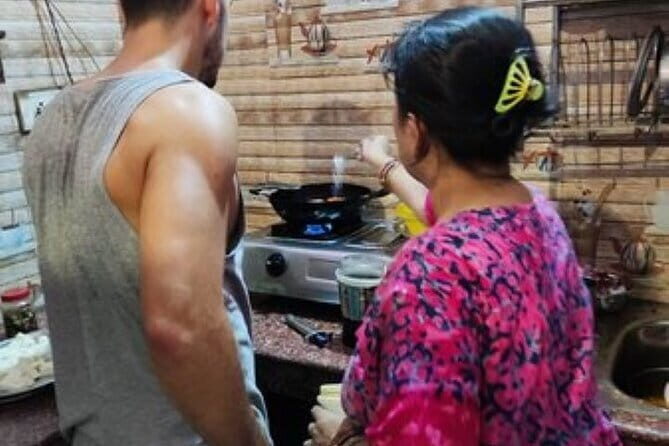
You meet at a paying guest house near Assi Ghat, at B 30/232 on Ravidas Ghat Crossing in Nagwa, Varanasi. The activity ends back at the meeting point, so plan for your own return from there.
A key practical point: there’s no pickup and drop-off, and private transportation isn’t included. That means you should budget time to get there and back on your own using local transport or on foot if your schedule allows.
Because the meeting point is listed as near public transportation, you shouldn’t feel stuck, but you do want to build in a few minutes to confirm you’re at the right spot. Bring some buffer time if you’re navigating around Assi Ghat streets.
Also, water bottles aren’t listed as included. If you’re sensitive to heat during cooking, pack a small bottle so you’re comfortable through the class.
Who This Cooking Class Is For
This class is ideal if you want a hands-on Indian cooking skill that’s repeatable at home. It’s especially strong for people who:
- like vegetarian food and want deeper technique, not just flavor
- want to learn how North Indian dishes come together
- care about spice use and want a method, not just a list
- enjoy bread and want to understand multiple dough and cook styles
It also works well for couples or small groups because it’s private, which helps you ask questions without a crowd pressure.
If you’re short on time in Varanasi, it’s still a solid pick because it’s a single focused block with meals included. Just be sure your day can handle that 2.5-to-3-hour window without forcing you into a rushed start.
Should You Book Cooking Class With Sona?
If you want a genuine vegetarian cooking education with homemade spices and a full thali-style outcome, I think this is a strong booking. The focus on learning from chopping to cooking is what makes it worth your time, and the fact that lunch and dinner are included helps the price feel fair.
Book it if:
- you want to learn dishes like thali components, paneer butter masala, malai kofta, roasted eggplant, plus breads and classic snacks
- you appreciate clear instruction in English and a guide support setup
- you want food you cook yourself, not just watch being plated
Skip it (or add a backup plan) if:
- you’re only interested in non-vegetarian Indian food
- you’re expecting a quick demo rather than hands-on cooking
Overall, this class is a practical, food-centered way to get more from Varanasi than just sightseeing. You leave with techniques you can use at home—and with a meal that proves you actually learned the process.
FAQ
How long is the Cooking Class with Sona?
The duration is listed as about 2 hours 30 minutes, and the full cooking process is described as taking around 3 hours.
Is the class vegetarian?
Yes. The class focuses on vegetarian foods only.
What dishes are included in what you’ll learn?
The class includes thali components (chapati, dal, sabji/curry, rice, and sweets) and also covers dishes such as paneer butter masala, malai kofta, roasted eggplant, naan, chapati, puri, bhature, chole-bhature, pakora, samosa, and chai/tea masala.
Does the price include lunch and dinner?
Yes. Dinner cooked food and lunch cooked food are included.
What languages are supported?
An English and Hindi guide is included, and Sona’s English communication is described as strong and easy to follow.
Is pickup or drop-off provided?
No. Private transportation, pickup, and drop-off are not included.
Where does the class start?
The start point is listed near Assi Ghat, at a paying guest house location on Ravidas Ghat Crossing, near Assi Ghat, Nagwa, Varanasi.
Is this a private experience?
Yes. It’s private, meaning only your group participates.
How far in advance should I book?
On average, it’s booked about 5 days in advance, and you should receive confirmation within 48 hours of booking, subject to availability.
What is the cancellation policy?
Free cancellation is available up to 24 hours in advance for a full refund. If you cancel less than 24 hours before the start time, the amount paid is not refunded.