REVIEW · NEW DELHI
New Delhi: Indian Cooking Class in a Local Home
Book on GetYourGuide →Operated by Explore Real India · Bookable on GetYourGuide
Indian spices feel less mysterious after you cook them. In this Delhi class in a local home, I like the hands-on setup and the fact that you’re learning from JD and his family team, not a big studio.
The biggest upside for me is the practical focus: you cook a full meal and get clear reasons behind the techniques, from rice timing to the spice step that happens at the end. One thing to consider: it’s a private home experience, so the setting is comfortable and air-conditioned, but you’re still moving around a normal kitchen rather than a polished classroom.
In This Review
- What makes this class worth your time
- A home kitchen in GK-1: easier than you think
- JD teaching, Bindra welcoming: the human part matters
- Your menu: main dish, rice, three breads, dessert
- Spices: what changes flavor and when you add them
- How the 2.5 hours tends to run in the real world
- Price and value: $47 for a full meal lesson
- Where this fits in your Delhi trip
- Should you book this Delhi cooking class?
- FAQ
- What is the duration of the cooking class?
- How much does it cost?
- What will I cook during the class?
- Is tea or other drinks included?
- How big is the group?
- Where do I meet the host?
- What languages is the guide available in?
What makes this class worth your time
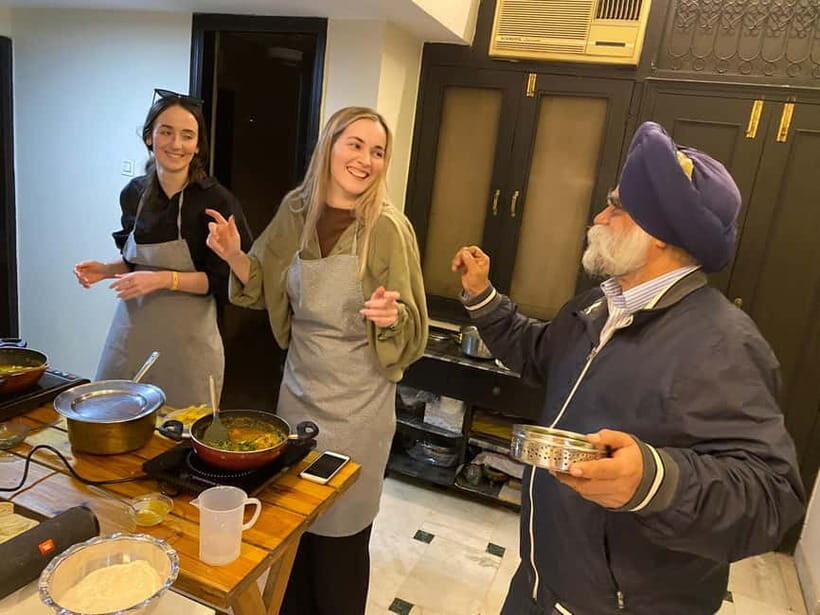
- A real family-kitchen feel in GK-1, with an air-conditioned space and restroom access
- Small group size (up to 10) so questions don’t get lost
- A full meal: main dish, rice, three breads, and a dessert
- Spice technique, not just spice names (including timing and an end-of-cook spice step)
- Strong teaching in English, with support in Hindi and Punjabi
- You eat what you make together at the end, with plenty of conversation
A home kitchen in GK-1: easier than you think
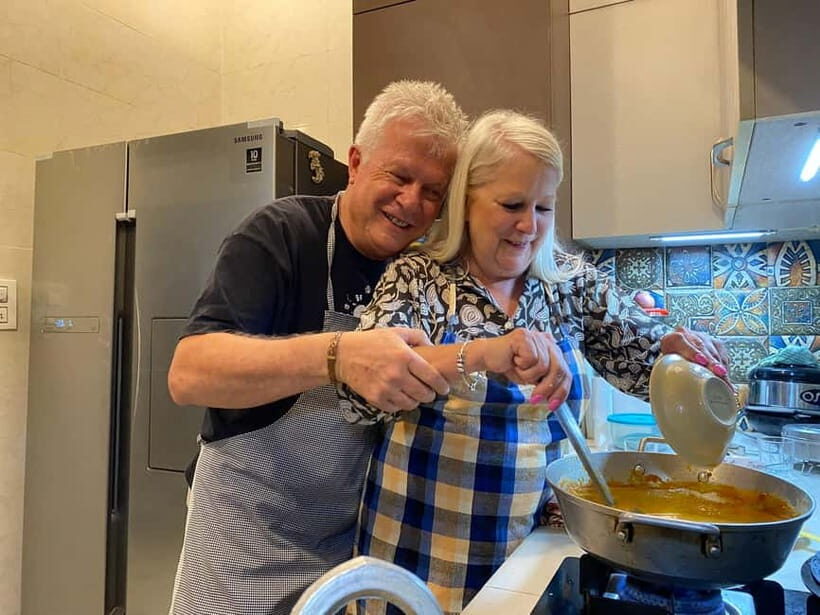
This isn’t a commercial cooking school with fluorescent lights and a line of burners. You’re going to R-142 GK-1 at Bindra’s House, and the experience is built around a family kitchen environment.
You also get a separate entrance to keep things smooth. That’s a small detail, but it matters when you’re arriving in Delhi with a tight schedule, especially if you’re pairing the class with other plans.
The room itself is fully air-conditioned, and there are restrooms on site. That means you can focus on cooking instead of worrying about comfort.
You can also read our reviews of more cooking classes in New Delhi
JD teaching, Bindra welcoming: the human part matters
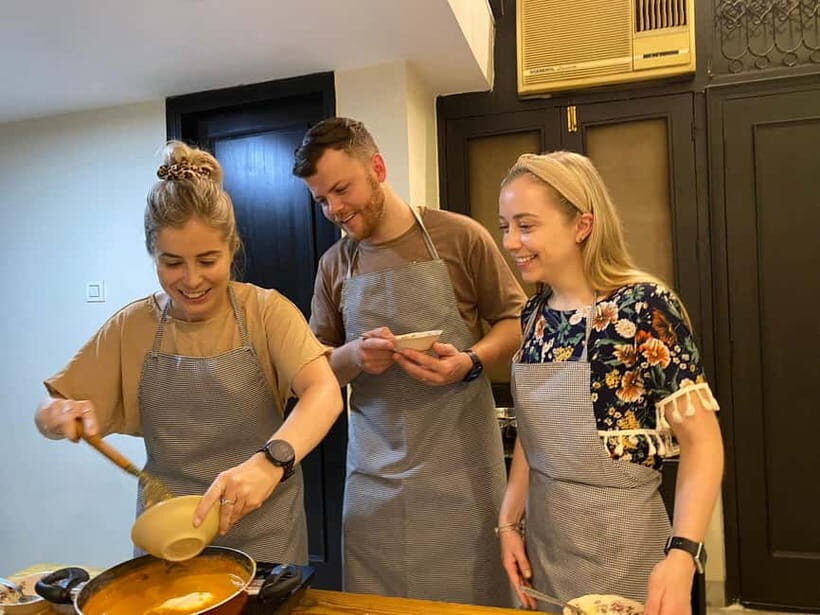
The class is guided by JD (English, Hindi, Punjabi), with his father Bindra also involved in the welcome and overall setup. In the kitchen, the teaching style is practical: JD explains what you’re doing and why, then keeps you cooking rather than standing around.
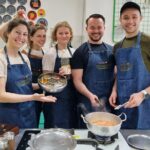
The group is limited to 10 people, which changes the vibe. You get more personal pacing, and it’s easier to correct small mistakes early, whether that’s dough handling for breads or how you manage the heat for curry.
One more thing I appreciate: the lesson isn’t only language and steps. There’s conversation about everyday life in Delhi and the background of what you’re cooking, so the meal lands with context, not just instructions.
Your menu: main dish, rice, three breads, dessert
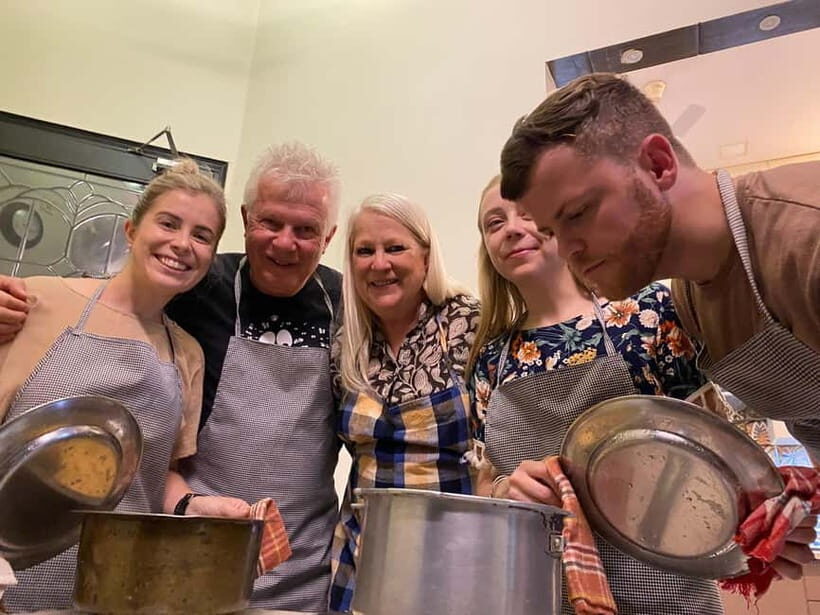
You’ll be making a complete Indian meal. The plan is built around a main dish plus one rice dish, three breads, and a dessert.
Depending on the session, the main dish may be chicken-style curry (you’ll see examples like chicken curry and butter chicken), and the bread can include multiple versions rather than only one flatbread. Some classes include a vegetarian option alongside a non-vegetarian curry, so if you’re trying to balance tastes, you’ll likely have options during your meal.
For rice, you’re not just reheating something. You get instruction on how the rice is cooked so it turns out the way it should, rather than clumping or tasting flat.
And dessert isn’t an afterthought. You’ll make something like a rice pudding style dessert, with the milk and timing handled by the process you learn, not by guesswork.
Spices: what changes flavor and when you add them
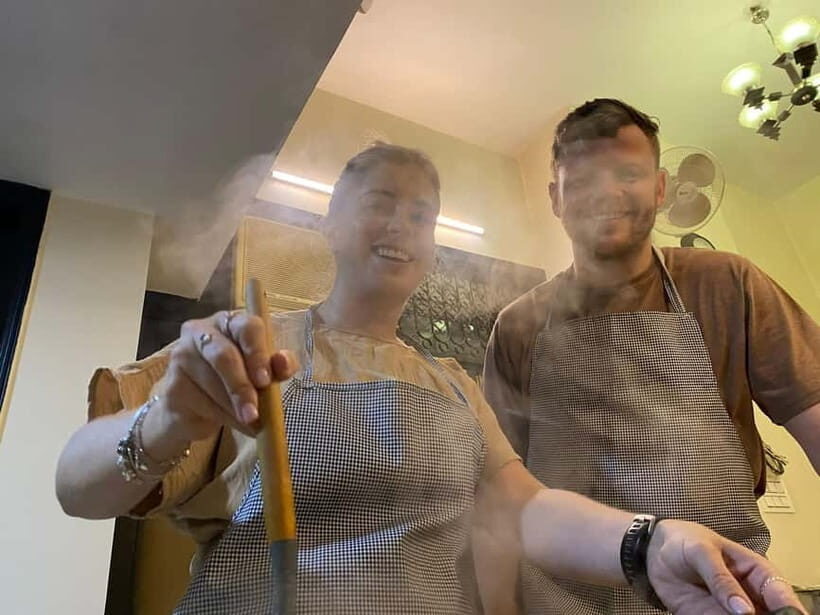
If you’ve ever tasted Indian food in restaurants and wondered why it’s so fragrant, this class tackles the real answer: timing and technique.
You’ll learn about spices as ingredients with jobs. That includes how spices contribute flavor and aroma and how the order of operations affects the final taste.
A key teaching moment is the end-of-cook spice step. People highlight that you add specific spices near the end to boost flavor, so the curry tastes deeper without tasting like raw spice. It’s the kind of trick you can actually repeat at home, because it’s taught as a deliberate step, not a vague recommendation.
You’ll also work with spices that are already portioned and ready, which keeps the class moving while still teaching you what each part does. That’s smart for a 2.5-hour session: you get learning without getting stuck in prep.
How the 2.5 hours tends to run in the real world
This is a 2.5-hour class, so the schedule stays focused. When you arrive, ingredients are prepared so you can jump into cooking right away instead of spending the first hour chopping or measuring everything.
A typical flow looks like this:
- You start cooking multiple components in parallel (rice work, curry steps, and bread prep).
- You roll or prepare dough for breads while the main dish is building flavor.
- You manage curry steps in stages, with explanations for each step’s purpose.
- You finish the dessert as you wrap up the meal prep.
- Then you sit together to eat what you made and talk through what you learned.
One practical advantage in the way it’s run: it’s not one person talking the whole time. Everyone gets hands-on time, and the pacing helps you avoid the common “watch someone else cook” feeling.
A few more New Delhi tours and experiences worth a look





Price and value: $47 for a full meal lesson
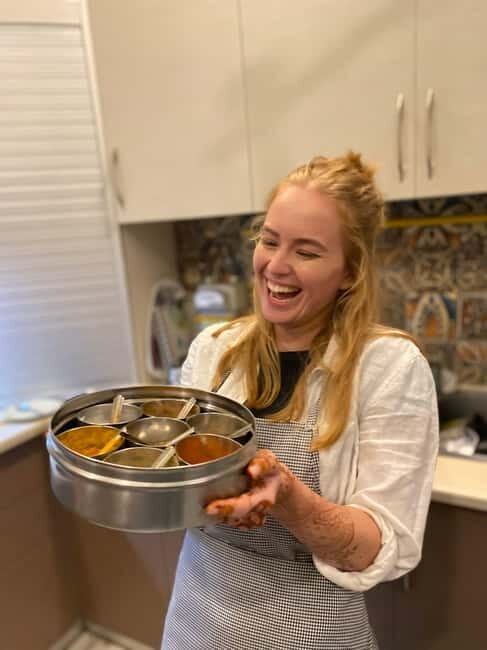
At $47 per person for 2.5 hours, this can be good value if you compare it to what you’d pay for a solid meal plus a real cooking lesson.
Here’s what you get that makes the price easier to justify:
- Host-led instruction (not prerecorded videos)
- Ingredients and all food
- All drinks, including tea and water
- A small group setting, which makes it easier to ask questions
You’re paying for a meal you can remake and a spice approach you can repeat. If you’re only looking for a quick taste, it might feel like overkill. But if you want the “how,” it’s a smart use of a short Delhi evening.
Also, the meal included is a real centerpiece. You’re not leaving hungry with only samples; you’re eating the dishes you helped produce.
Where this fits in your Delhi trip
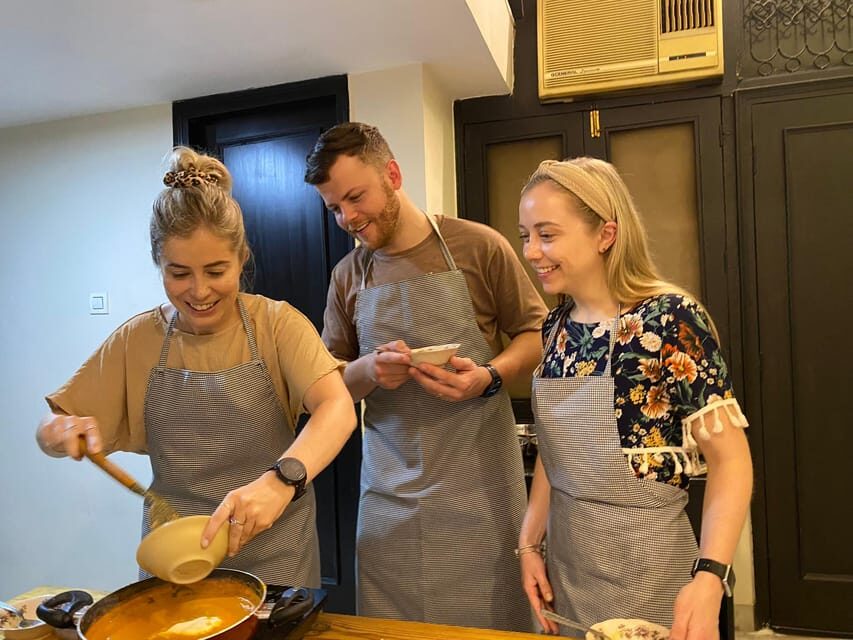
This works best when you want a calmer, local evening. If you’re bouncing between old Delhi sights and modern districts, this class gives you a different kind of memory: hands-on, tasty, and social.
It’s especially good if you:
- love food and want a lesson you’ll use at home
- have tried Indian restaurants but want the technique behind the flavors
- want a more personal cultural experience than a quick sightseeing stop
- like small-group settings where you can actually ask questions
If you’re the type who hates kitchen mess or hates being hands-on, you might find a home-kitchen format less comfortable. But the trade-off is that you get real cooking practice, not just a staged demo.
Should you book this Delhi cooking class?
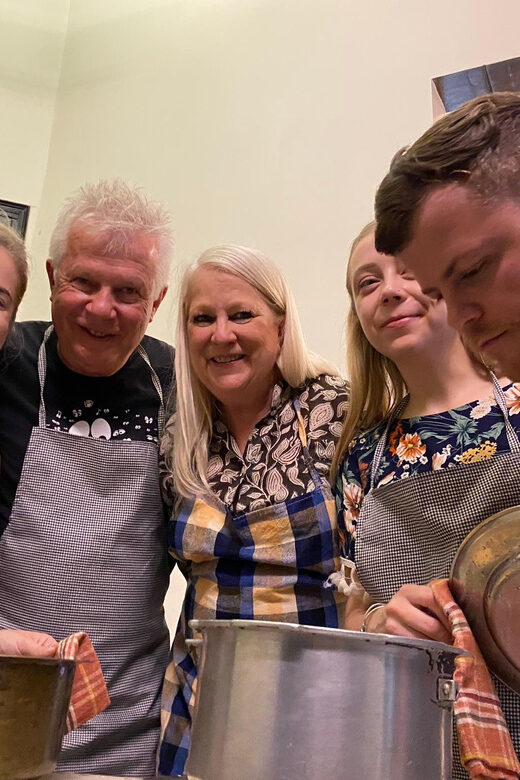
I’d book it if you want more than a meal. This is a 2.5-hour session that teaches spice timing, rice and bread techniques, and how the last steps change flavor, all while you eat together in a local home with JD and Bindra.
I would skip it only if you’re short on time, dislike home-kitchen settings, or just want a restaurant meal without learning anything. If your goal is to take Indian cooking skills back home, this is one of the most practical ways to do it in Delhi.
FAQ
What is the duration of the cooking class?
The class lasts 2.5 hours.
How much does it cost?
It’s $47 per person.
What will I cook during the class?
You’ll prepare a complete Indian meal with a main dish, one rice dish, three breads, and a dessert.
Is tea or other drinks included?
Yes. The class includes drinks such as tea and water.
How big is the group?
It’s a small group, limited to up to 10 participants.
Where do I meet the host?
Go to R-142 Gk-1, Bindra’s House.
What languages is the guide available in?
The live guide speaks English, Hindi, and Punjabi.