REVIEW · MUMBAI
Bombay by Dawn
Book on GetYourGuide →Operated by Mystical Mumbai · Bookable on GetYourGuide
In This Review
- Bombay by Dawn: The city wakes up, and you should too
- Key things to look for on this early-morning Mumbai tour
- How a 4:30AM start teaches you to read Mumbai
- From newspapers to wholesale markets: the trade chain you normally ignore
- Flower markets, sea air, and the morning’s changing mood
- Sassoon Docks at dawn: fish, labor, and Mumbai’s first wet dock
- The short local train ride: why it’s worth the early wake-up
- Temple morning prayer: the quiet finish to a busy morning
- Price and value: is $64 for 4 hours a fair deal?
- Who should book this and who should skip it
- What to do to make the morning easier on yourself
- Should you book Bombay by Dawn?
- FAQ
- What time does the Bombay by Dawn tour start?
- How long is the tour?
- What language is the live tour guide available in?
- Is food or drinks included?
- Does the price include hotel pick-up and drop-off?
- Is the tour suitable for pregnant women?
- What is the cancellation and refund policy?
Bombay by Dawn: The city wakes up, and you should too
Mumbai at dawn is a whole different city. This 4-hour Bombay by Dawn tour takes you into the daily trade behind the smells, the bargains, and the morning routines that keep local life moving.
I especially like how the tour connects the dots from fresh food to the people who move it—starting with something you normally take for granted, like the newspaper—then shifting to fruit, flowers, vegetables, and fish. And I love that it includes a short local train ride, so you’re not only watching markets from the sidewalk.
One drawback to plan for: it’s early. You’re meeting at 4:30AM, and the tight timing means if you’re late or the day starts behind schedule, you might miss some elements (like the newspaper stop or the morning temple prayer).
Key things to look for on this early-morning Mumbai tour
- 4:30AM pickup so you catch the true morning rhythm, not the later crowds
- Newspaper vendor meeting as a starting point for how Mumbai information travels
- Fruit, flower, and vegetable wholesalers where bargaining sets the day’s supply
- Sassoon docks fish trade at the city’s first wet dock open to the public
- A short local train ride for a real feel of everyday transit
- Morning prayer at a famous temple as a calm contrast to the market chaos
You can also read our reviews of more tours and experiences in Mumbai.

How a 4:30AM start teaches you to read Mumbai
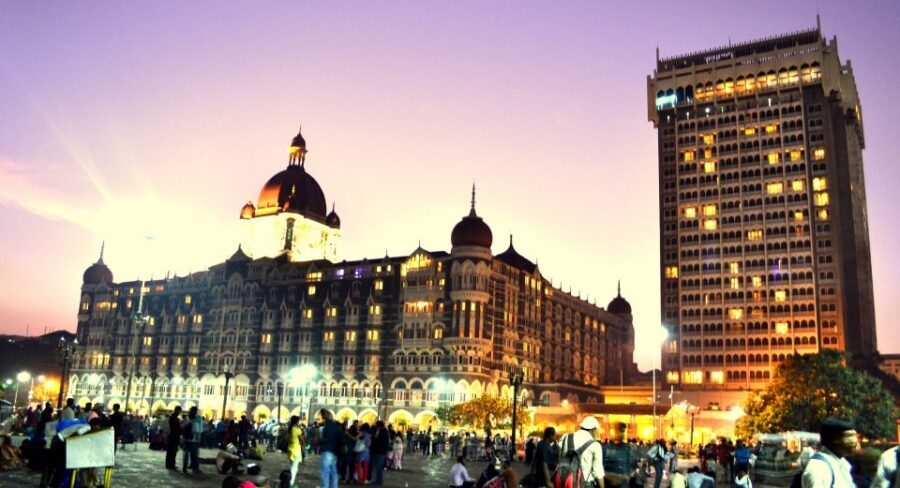
The best way to understand Mumbai isn’t from a viewpoint. It’s from the sidewalk at the hour when people are already at work, when the day’s money is being made in small decisions—what sells fast, what’s fresh enough to command a better price, and what needs to move today rather than tomorrow.
That’s why this tour’s timing matters. You meet at 4:30AM at your accommodation and head out with a driver/guide and professional guide. In just 4 hours, you get a practical look at the city’s morning “system”: how goods arrive, who handles them, and how quickly freshness becomes value.
This is also the tour’s quiet superpower: it’s not only about famous landmarks. It’s about trade. When you see vendors negotiating over fruit, flowers, and vegetables, you understand why Mumbai’s mornings feel like they’re built for speed. Fresh food isn’t just a food choice here. It’s a business strategy.
And yes, your senses do get used. Fish is part of it. If you’re sensitive to strong smells, go in knowing that Sassoon docks will wake up even the sleepiest part of you.
From newspapers to wholesale markets: the trade chain you normally ignore
The tour starts by taking you to a place you might notice in passing, but never fully understand: the flow of information and goods through street-level trade.
First up is the newspaper vendor. It’s a simple meeting, but it sets the tone. You’ll think about where your newspaper goes after it’s printed and why deliveries matter to people’s mornings. It’s a clever way to connect your life as a visitor to local logistics.
Then you walk to the wholesale side of things—fruit, flowers, and vegetables. This is where the tour earns its keep. You’re not looking at neatly arranged produce for tourists. You’re seeing wholesalers and traders surrounded by bargaining, with prices shaped by what’s available and how fast it needs to be sold.
A few practical notes for how to enjoy this section:
- Expect close quarters and lots of movement. If you’re easily overwhelmed, keep your pace slow and your attention on your guide’s explanations.
- Watch how negotiations work. Even if you don’t understand the language perfectly, you’ll recognize the rhythm: quick questions, fast decisions, and people comparing what’s fresh right now.
- Take in the contrast. Markets can feel loud and chaotic, but there’s structure to them once you see how each stall connects to the next step.
This is also where the tour’s “fresh food emphasis” becomes more than a line in the description. You start to understand why mornings are so important in Mumbai’s economy: the city runs on timing, and the people you meet are managing that timing all day long.
Flower markets, sea air, and the morning’s changing mood
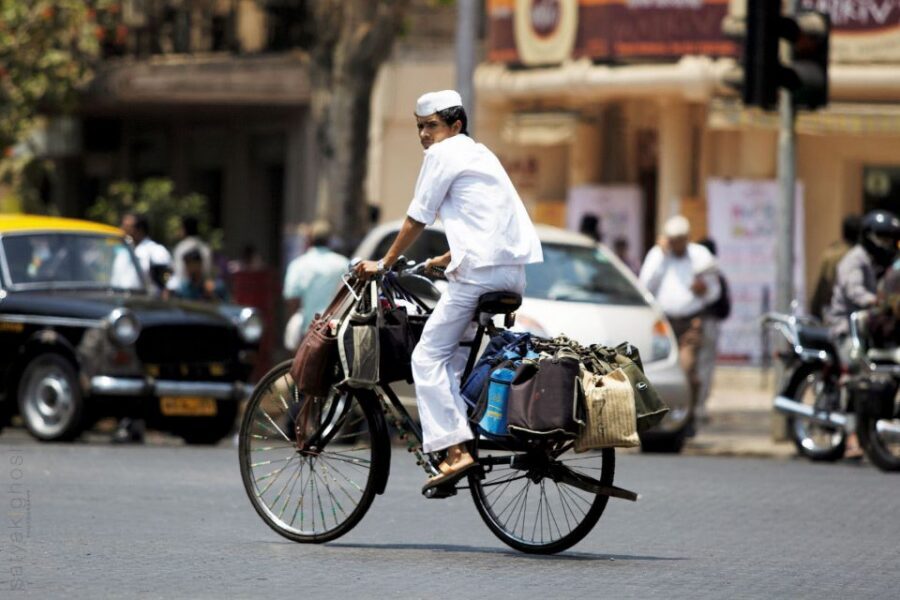
Depending on the route your guide follows that morning, you may also pass through key early-day viewpoints and stops that help you understand Mumbai’s layers.
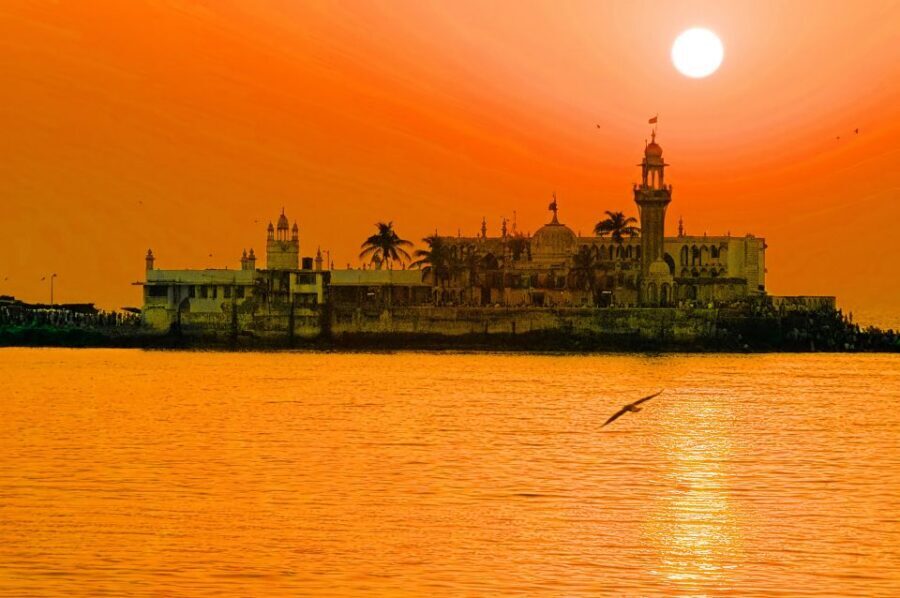
One example from a past group includes a drive to Banganga, where people explained the role of this water tank in Mumbai’s rituals and daily life. That kind of stop adds context. It’s not just commerce—it’s also faith and routine happening alongside the markets.
From there, the tour can move you into scenes that feel calmer for a moment: views like Marine Drive at sunrise, where people are jogging and meditating as the day opens. It’s a good reminder that Mumbai’s morning trade doesn’t replace spirituality and personal practice—it runs next to it.
Then, right when you start to get comfortable, you swing back to work mode and head toward the docks.
That rhythm is useful for you as a visitor. Instead of forcing everything into one uniform “market experience,” the tour gives you a few temperature changes—both literally (it’s still early) and emotionally (from bargaining energy to quiet sunrise moments).
Sassoon Docks at dawn: fish, labor, and Mumbai’s first wet dock
If you only remember one part, make it Sassoon docks.
The tour specifically highlights the Sassoon docks fish market and notes it as the city’s first wet dock that’s open to the public. That detail matters, because it positions this isn’t as a staged attraction. It’s a working space where fish are prepared and distributed for the morning sales.
Expect a sensory shock in the best way: the smell of fish at dawn isn’t subtle, and that’s part of the point. You’re seeing the cost of freshness—not in theory, but on the dock itself.
Here’s what I think makes this stop powerful:
- You understand the journey. You’ve already seen wholesale fruit, flowers, and vegetables. Now you’re seeing a whole different category of fresh food arriving from the sea.
- You see labor, not just product. The processing and distribution steps show how much work happens before anything ends up on plates.
- You learn what “open to the public” means in real life. You’re not kept behind glass. You’re close enough to understand the scale of morning trade.
One practical caution: if you dislike strong smells, plan your mindset before you get there. Keep a respectful distance where your guide suggests and stay focused on the explanations rather than trying to “out-muscle” the environment.
For many people, the fish market is the highlight, and it’s easy to see why. It’s the tour’s most direct connection to the early-morning economy that keeps Mumbai fed and supplied.




The short local train ride: why it’s worth the early wake-up
After markets and docks, you’ll take a small distance train ride.
This is one of those add-ons that makes the whole tour feel more real. You’re not only walking through commerce; you’re experiencing how locals connect to it. Even if it’s a brief ride, it changes your perspective because it puts you inside the movement of the city rather than simply observing it from a street-level vantage.
A short train segment also helps break the day up. Dawn tours can start to feel like a long sprint. The ride gives you a different seat—literally and figuratively—to process what you’ve seen.
If you’re unsure how to handle early travel logistics, treat this as a built-in advantage: the tour operator sets the timing and the movement. Your job is to show up early, stay aware of where the guide is leading, and keep your energy for the market stops ahead.
Temple morning prayer: the quiet finish to a busy morning
One of the tour’s stated final pieces is attending morning prayer in one of the famous temples, followed by drop-off back at your accommodation.
This segment can feel like a full reset after the fast pace of bargaining and fish preparation. It’s also a useful cultural contrast. Trade is intense, but so is daily faith. The day isn’t only about selling and buying. It’s also about how people center themselves before the work of the day begins.
There’s one consideration: timing. When a group starts later than planned, the prayer stop—and even earlier elements like the newspaper distribution or specific market segments—can be affected. So if this part matters to you, commit to being ready at the pickup time and stay flexible if the morning runs slightly behind.
If you want that reflective ending, keep your attention on what your guide points out rather than trying to rush photos. You’ll get more from the experience if you treat it like a living moment, not a quick stop.
Price and value: is $64 for 4 hours a fair deal?
At $64 per person for a 4-hour tour, you’re paying for three big things: early timing, local access, and guided interpretation.
Early timing costs money in Mumbai because 4:30AM means coordinating vehicles, a guide, and schedules when many businesses are just opening or still preparing for the morning sale. That also explains why you get more than casual sightseeing.
Local access is another major value driver. Without a guide, it’s harder to know where to stand, what to ask, and which areas make sense to visit in sequence. This tour moves you from newspaper vendor to wholesale markets to Sassoon docks, and that flow teaches you how the supply chain works.
Finally, the price includes driver/guide, a professional guide, and hotel pick-up/drop-off. What’s not included is food and drinks, which means you should plan to handle meals on your own. In practice, many people treat this tour as the event that happens before breakfast rather than a food-focused outing.
So for value: if you want a story of Mumbai’s morning economy—with smells, negotiations, docks, and prayer—$64 is a reasonable price. If you want a relaxed, sleep-in sightseeing stroll with no sensory intensity, this may feel too early and too focused.
Who should book this and who should skip it
This tour is best for people who like real daily life and can handle an early start without complaining. If you enjoy learning how cities work—through the eyes of vendors, not just through museum labels—this fits.
It’s also a good match if you’re traveling with curiosity, not just a checklist. The morning’s structure is built around trade points that connect to each other, and the guide’s explanations turn “busy scenes” into a clearer picture.
Two groups should think twice:
- If you’re pregnant, it’s listed as not suitable.
- If you strongly dislike intense smells or very early mornings, the docks section may be challenging.
If you’re okay with those considerations, you’ll likely appreciate the tour’s organization. Multiple past participants have praised the coordination and the guide quality, and that shows up in how the schedule stays on track from market stops to the docks and toward the temple prayer.
What to do to make the morning easier on yourself
Even with a guide handling the route, you can make this tour smoother by preparing for dawn reality.
Wear shoes that you don’t mind getting slightly scuffed. You’ll be walking and standing at market locations. Bring a layer, too, because early mornings can feel colder than you expect when you wake up before sunrise.
Because food and drinks are not included, plan your timing. Think of this as an early-life immersion, then eat after. If you like to carry water, bring it—just don’t expect food provided during the route.
Also, keep your expectations realistic. This tour is short. It’s designed to hit the morning’s key trade points, not to linger everywhere for hours. If you go in with the mindset of “fast, focused, informative,” you’ll get the most out of it.
Should you book Bombay by Dawn?
Book it if you want Mumbai’s morning explained through fresh-food trade, you’re curious about how docks and wholesale markets feed daily life, and you don’t mind getting up early to do it. The Sassoon docks fish market is the kind of experience that’s hard to fake elsewhere, and the short train ride adds a real local texture.
Skip it if you’re sensitive to strong smells, you don’t do well with early mornings, or you need pregnancy-friendly accessibility (it’s not suitable for pregnant women). And if temple prayer is a must-have moment for you, arrive ready for the 4:30AM pickup so your day doesn’t get stretched.
If you match those conditions, this tour is a strong value because it packages logistics plus on-the-ground context into a compact morning—exactly what you want when time is limited and you still want the real Mumbai.
FAQ
What time does the Bombay by Dawn tour start?
The tour meets you at 4:30AM at your accommodation.
How long is the tour?
The duration is 4 hours.
What language is the live tour guide available in?
The live tour guide is available in German and Spanish.
Is food or drinks included?
No. Food and drinks are not included.
Does the price include hotel pick-up and drop-off?
Yes. Hotel pick-up and drop-off are included.
Is the tour suitable for pregnant women?
No. It is listed as not suitable for pregnant women.
What is the cancellation and refund policy?
You can cancel up to 24 hours in advance for a full refund.