REVIEW · MUMBAI
Best Combo Tour: Dabbawalas, Dhobi Ghat and Slum with Train
Book on GetYourGuide →Operated by India Trip Explore · Bookable on GetYourGuide
Four hours can change how you see Mumbai. This combo tour strings together the city’s most fascinating everyday systems: dabbawalas lunchbox logistics, Dhobi Ghat’s outdoor laundry, and a guided walk through Dharavi, all with real local-rail time in between.
I especially like the pace and the variety. You get hands-on-looking moments at the lunchbox operation, plus a Dhobi Ghat visit where you can literally picture how laundry happens in open concrete troughs. I also like that the day includes a local train ride, so you’re not just watching Mumbai from the sidewalk.
One consideration: the total time is tight, so you’ll walk between stops and spend part of the morning moving with daily commuter energy—great if you’re up for it, less great if you hate crowds.
In This Review
- Key takeaways before you go
- Why this Mumbai combo tour actually works
- Churchgate meet-up: starting where Mumbai trains meet the city
- Dabbawalas: lunchbox delivery as real-city logistics
- Dhobi Ghat: the outdoor laundry you can picture instantly
- The local train ride: commute time, Mumbai style
- Dharavi with a local guide: work, lanes, and street commerce
- Getting value for about $32: what’s included and why it matters
- Timing and pace: a short day with concentrated moments
- Who this tour suits best (and who should reconsider)
- Should you book this Dabbawalas, Dhobi Ghat and Dharavi with train tour?
- FAQ
- Where does the tour start?
- What’s the duration of the tour?
- Which main stops are included?
- What’s included in the price?
- Is food included?
- Is the tour guide available in English?
- Are train tickets included or do I need to buy them?
- Where does the tour finish?
- Can I book and pay later, and is there free cancellation?
Key takeaways before you go
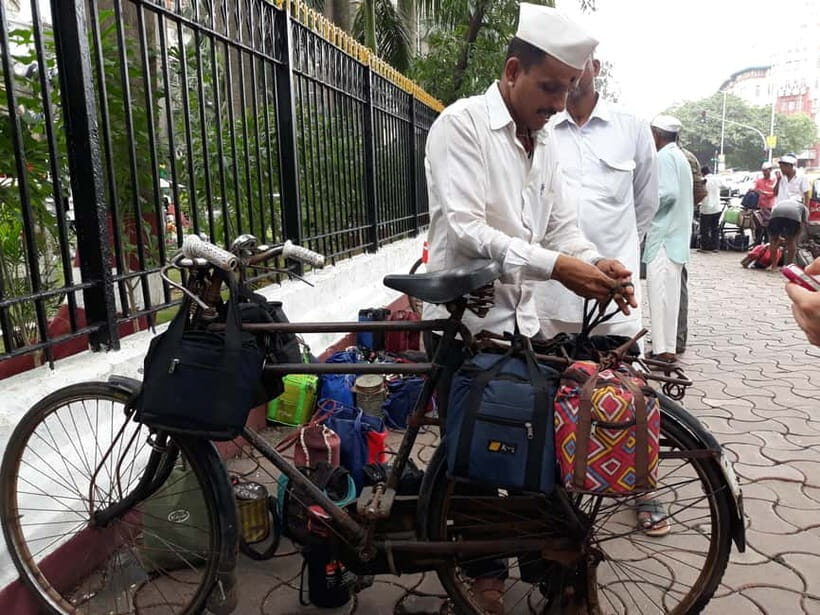
- Dabbawalas logistics you can see up close: sorting, delivering, and transporting lunchboxes across Mumbai as the system runs.
- Dhobi Ghat’s open-air laundry setup: hundreds of dhobis handwash and dry clothes in outdoor troughs.
- A real local train segment: you experience the rhythm of Mumbai commuting, not just tourist transport.
- Dharavi with a guide who can answer questions: narrow lanes, workshops, and street markets covered through local guidance.
- English guide + local train tickets included: fewer planning headaches once you meet at Churchgate.
- Guides matter here: people have specifically praised patient, careful guidance—especially around Dharavi.
Why this Mumbai combo tour actually works
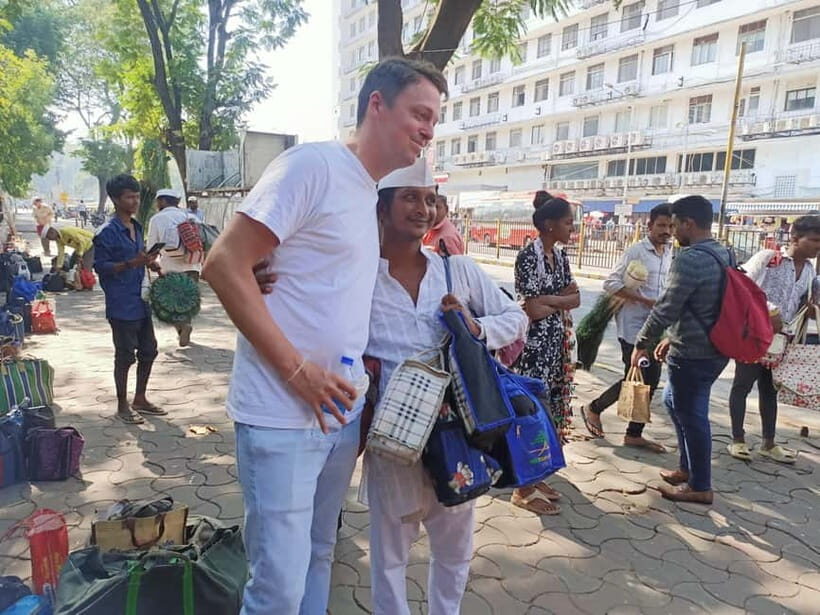
This tour is built around three places that are famous, but for very different reasons. The dabbawalas represent Mumbai’s famously precise daily operation—an invisible service most people only notice when it fails. Dhobi Ghat shows a completely different kind of labor: physical, repetitive, and visible, where laundry happens in the open air. Then Dharavi brings you into a neighborhood shaped by work—workshops, street commerce, and daily life.
What ties it together is that all three stops are about systems. Lunchbox delivery is a system. Laundry is a system. Community enterprise is also a system. You don’t just collect photos; you learn how the city runs at ground level.
And because the tour includes a local train ride, you’re not insulated from Mumbai’s motion. You experience a slice of how people get from place to place, which helps everything else make more sense once you’re walking again.
You can also read our reviews of more tours and experiences in Mumbai.


Churchgate meet-up: starting where Mumbai trains meet the city
You start at Churchgate Railway Station, near the ticket window by the chemist shop named DAVA DISCOUNT. That meeting point is smart: Churchgate is central and it puts you close to the rail lines that connect you to the rest of the day.
You’ll likely want to arrive a little early. Stations can be confusing if you’re moving fast, and you’ll want your bearings before the group heads out. Also, since food and drinks aren’t included, think about whether you’ll want a snack plan before you go (more on timing later).
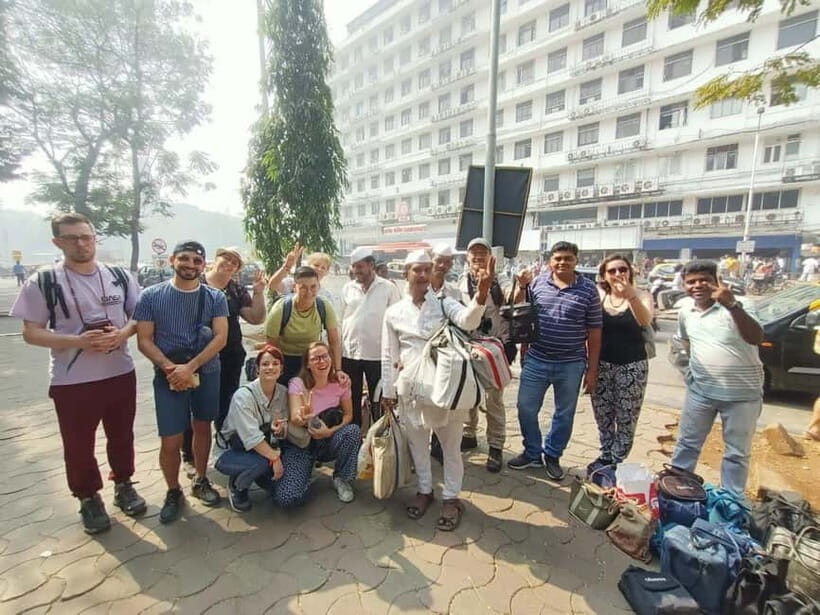
At Churchgate you’ll have a photo stop plus a short guided tour and walk—around 30 minutes. This isn’t meant to be a museum-style intro. It’s more like a warm-up: get oriented, hear the basics from your guide, then get moving so the day doesn’t feel like sitting around waiting for the next stop.
Dabbawalas: lunchbox delivery as real-city logistics
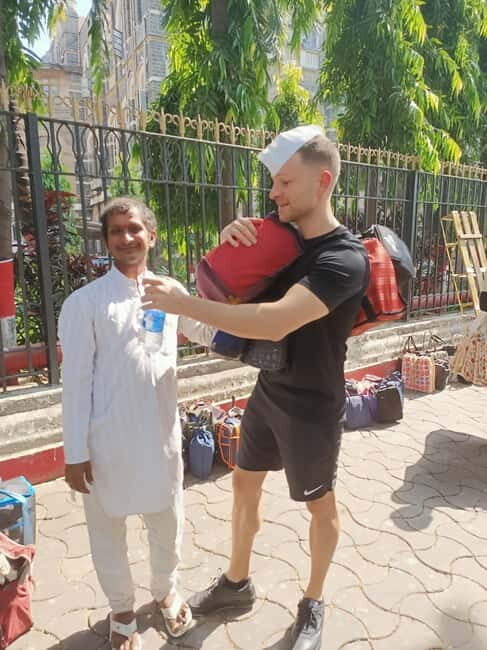
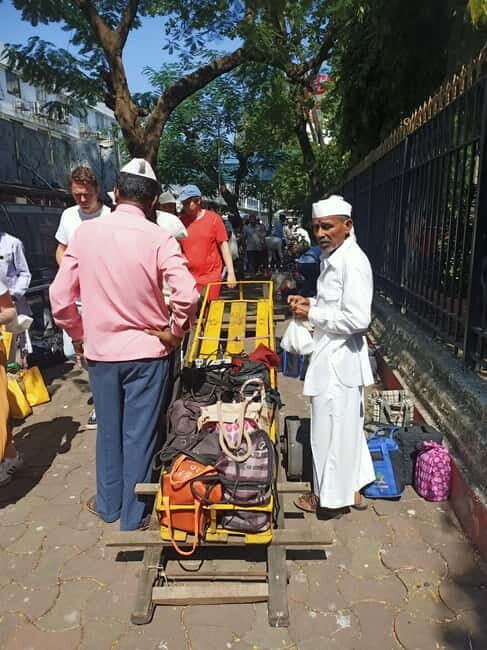
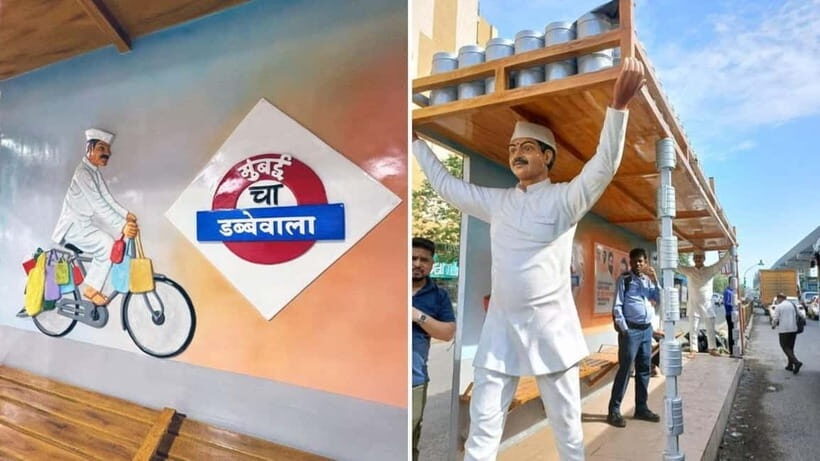
The highlight here is watching the legendary lunchbox delivery service that has operated in Mumbai for over a century. Instead of hearing vague claims, you get to observe the operation: the dabbawalas sorting, delivering, and transporting thousands of lunchboxes across the city.
That’s the key idea I’d encourage you to keep in mind while you’re there: this isn’t only about tradition. It’s about coordination. You’ll see how structured the process is—people working within a system, moving items through steps you can understand with your eyes and questions.
You also learn how the service fits into daily life. Lunchboxes aren’t just food containers; they’re schedules, routes, and reliability. When you watch the workflow, Mumbai feels less chaotic and more organized than you might expect.
This stop is typically paired with guided explanation and photo time, so you can ask the small questions that make it click. If you like practical travel—how cities function, who does what, and why—this is the part you’ll remember.
Dhobi Ghat: the outdoor laundry you can picture instantly
Next comes Dhobi Ghat, described as the world’s largest outdoor laundry. This is where the tour gets visually memorable.
You’ll visit and take a guided look, with another short photo stop and walk (about 30 minutes). The core scene: hundreds of dhobis handwash and dry clothes in open-air concrete troughs. The whole operation happens outside, so it’s not hidden behind a facility. You see the work directly.
What I like about Dhobi Ghat is that it’s not just a spectacle. Your guide’s talking points help you connect what you see—handwashing, drying, repeating tasks day after day—to the institution’s history and significance. The tour also focuses on the dhobis’ daily lives, which adds context. You’re less likely to treat it like a photo set and more likely to see it as skilled, ongoing labor.
Possible drawback: Dhobi Ghat can be intense visually and physically. Even if you’re only there for a short time, expect strong sensory impressions from work being done in the open. Wear comfortable shoes and be ready to stand and walk.
The local train ride: commute time, Mumbai style
Between stops you’ll take a local train ride, and it’s a major value point in this tour. You spend roughly 5 minutes between one section and 10 minutes between another, but the effect is bigger than the clock says.
This is the section that helps you understand the city’s scale and rhythm. Even short rides on Mumbai’s suburban trains bring you into the flow of daily routines. You travel alongside local commuters, soaking up sights and sounds from a different angle than a taxi window.
What to expect: you won’t feel like you’re in a staged experience. This is public transit. That means you’ll be close to people, moving at the speed of the system, and dealing with the usual train-car constraints. If you’re comfortable in crowded spaces, you’ll enjoy this part a lot.
A tip from how guides tend to run this day: listen to your guide and stay aware of where you’re supposed to regroup. Train cars move fast, and the best moment is when you’re stepping off and the guide has everyone pointed in the same direction.





Dharavi with a local guide: work, lanes, and street commerce
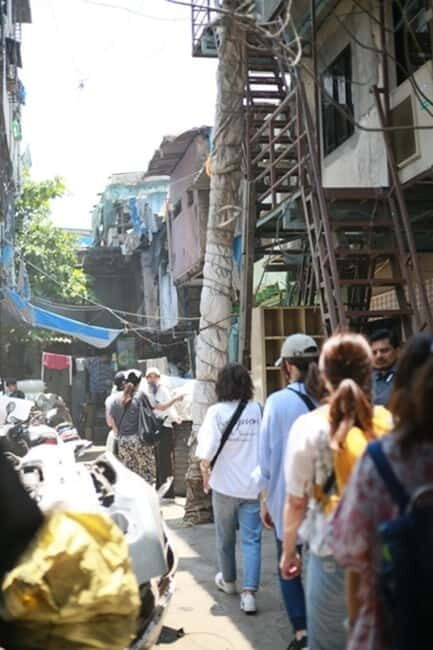
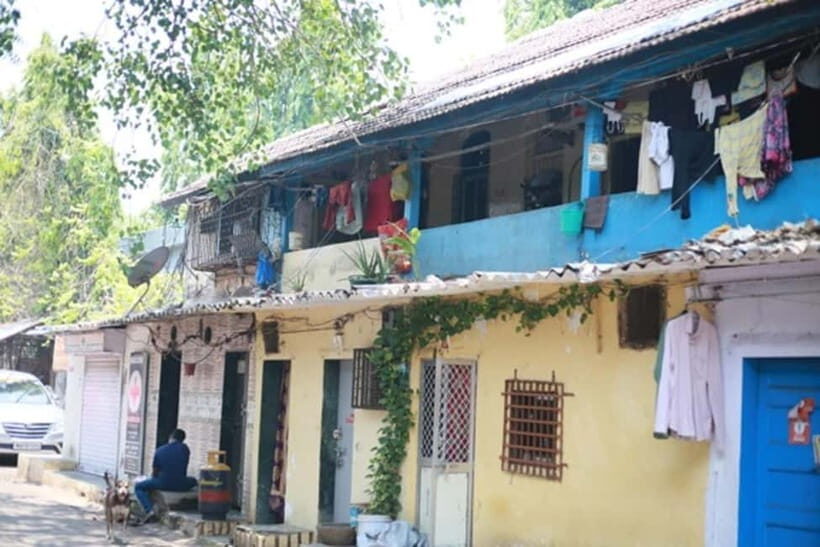
Then you head to Dharavi, one of Asia’s largest and most dynamic slum areas. The tour uses a guided walk through narrow alleyways and takes in workshops and street markets—then gives you time to see how entrepreneurship shows up at neighborhood scale.
You’ll spend about 2 hours here, with a mix of photo stop, guided tour, sightseeing, and walking. This portion is where you’ll feel you’re learning “by doing”: you’re not watching Mumbai from a distance, you’re moving through the same narrow routes that residents use.
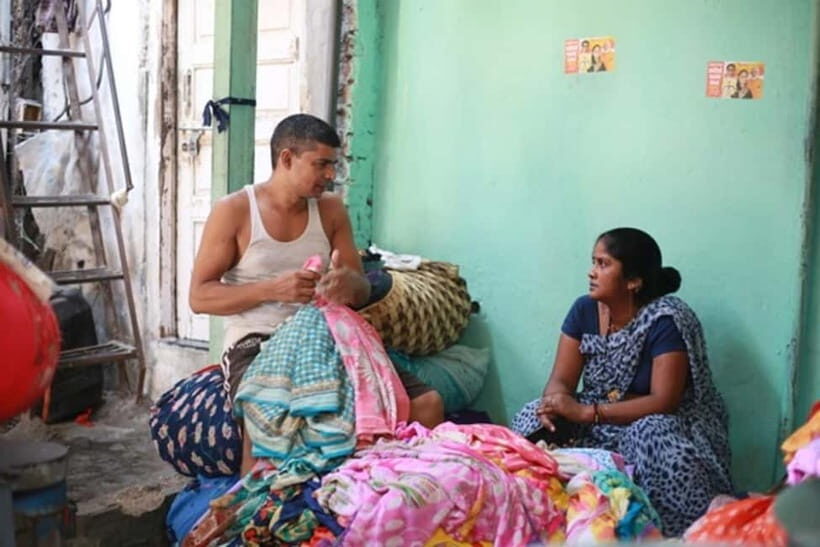
The value is in the explanations. A local guide helps translate what you see into meaning: the neighborhood’s resilience, the entrepreneurial spirit, and the industries and businesses that operate there. If you like asking questions, this is the part where your guide can give direct answers rather than generic scripts.
Safety and comfort matter here, and the guide experience seems to be a big part of it. In past groups, guides have been described as patient, careful with visitors, and ready to answer questions—key things when you’re walking in close quarters.
One thing to keep in mind: Dharavi is lived-in. Photography and interactions need common sense and respect. If you’re unsure about what’s appropriate in any moment, your guide will steer you.
The tour ends at Sai Multispeciality Hospital & Research Centre, so plan your onward ride from that area rather than expecting to return to Churchgate at the end.
Getting value for about $32: what’s included and why it matters
At $32 per person for a 4-hour tour, the value comes from three bundled pieces:
- An English-speaking guide: you’re paying for translation of what you see into clear context, not just a walk from place to place.
- Local train tickets included: you avoid the hassle of sorting out transit on your own mid-day.
- Water bottle included: small thing, but helpful when you’re doing multiple stops with walking.
Food isn’t included, so you’ll still want to plan that. Also note the tour includes photo stops and short walks at each location—meaning you’re getting enough time to understand each place without burning your whole day.
My practical take: this tour is a good deal when you want variety and don’t want to piece together logistics yourself. If you already know exactly how to get to each site by public transport and you only care about one or two stops, you might spend less doing it independently. But you’d give up the guide’s connective tissue—the way the day explains systems that otherwise look unrelated.
Timing and pace: a short day with concentrated moments
This is a 4-hour circuit with multiple moving parts, so it’s not the slow, sit-down style.
You’ll spend about 30 minutes at Churchgate for photos and guided time. Dhobi Ghat gets around 30 minutes of visit time with photos and walking. Then Dharavi runs about 2 hours, which is long enough to feel like you’re actually part of the neighborhood rhythm rather than skimming.
Between these blocks you get short train transitions. Even though the ride segments are brief, they break up the day so you’re not stuck in one continuous walking loop.
If you’re the type of person who likes a plan but hates rushing, go in knowing the schedule is tight. Comfortable shoes, a charged phone for photos, and a relaxed attitude about crowds will make the difference.
Who this tour suits best (and who should reconsider)
This combo tour is especially good for you if:
- you like seeing how cities work day-to-day, not only the famous monuments
- you’re curious about how systems—delivery, laundry, and work economies—operate in real life
- you enjoy guided Q&A, especially in places where context matters
It might be less ideal if:
- you have limited comfort with crowded public transit
- you don’t like walking and standing through active work areas
- you want a slow pace with lots of free time
Because the day includes Dharavi, it’s also a great pick when you want an explanation-focused guide rather than wandering with no framework.
Should you book this Dabbawalas, Dhobi Ghat and Dharavi with train tour?
I’d book it if your goal is to understand Mumbai through real routines in a compact amount of time. The combination makes sense: delivery logistics at one stop, outdoor manual labor at the next, then a neighborhood shaped by work and enterprise. Add a local train ride and an English guide, and you get a day that feels more like learning the city’s connections than collecting isolated landmarks.
I’d think twice only if you want maximum comfort and minimum walking, or if you’re not okay with crowded transit during a busy commute.
FAQ
Where does the tour start?
The tour starts at Churchgate Railway Station, near the ticket window by the chemist shop named DAVA DISCOUNT.
What’s the duration of the tour?
The tour lasts about 4 hours.
Which main stops are included?
You’ll visit the dabbawalas lunchbox delivery area, Dhobi Ghat (outdoor laundry), Dharavi (slum area), and you’ll take a local train ride between parts of the route.
What’s included in the price?
The price includes an English speaking guide, local train tickets, and a water bottle.
Is food included?
No. Food and drinks are not included.
Is the tour guide available in English?
Yes, the tour includes an English live tour guide.
Are train tickets included or do I need to buy them?
Local train tickets are included.
Where does the tour finish?
The tour finishes at Sai Multispeciality Hospital & Research Centre.
Can I book and pay later, and is there free cancellation?
The experience offers reserve now & pay later, and free cancellation is available if you cancel up to 24 hours in advance for a full refund.