REVIEW · AMRITSAR
Amritsar Heritage Walk: “Back in Time”
Book on GetYourGuide →Operated by WalkandExplore · Bookable on GetYourGuide
Amritsar history fits in your shoes. I love the street-level stories and how the walk treats Jallianwala Bagh with real care, not gloss. One thing to consider: this is a foot-forward tour through narrow old lanes, so heat and rain can affect comfort.
For me, the best part was the mix of places you’d never line up on your own—heritage stops, small side alleys toward Baba Bohar, and market areas like Guru Bazaar and Kathia Bazaar. Guides such as Hardik or Prarit can switch storytelling between Hindi, English, and Punjabi, which makes the whole walk feel personal instead of scripted. You should also expect a fast pace of seeing and hearing: an 8–10 stop route can move quicker than you think.
At $18 per person, the value is strong if you want context, not just photos. You’re paying for a guide who connects architecture, religion, and everyday life into a single route, plus tips for bargaining and finding good food along the way.
In This Review
- Key highlights I’d plan around
- Starting outside the Partition Museum: the 1947 context you can walk with
- Jallianwala Bagh: more than a stop, a moment to slow down
- Old lanes toward Baba Bohar: where the city feels lived-in
- Frescoes, temple architecture, and a lesson in seeing details
- A 150-year workshop: craft work that connects past and skills
- Little Jaipur, an ashram, and religious Amritsar beyond the obvious
- The market trio: Guru Bazaar, Kathia Bazaar, and Maisewan Bazaar
- Hidden streets and the advantage of a guide in Amritsar
- Rain, thunderstorms, and how to handle weather with a walking tour
- Language choices: storytelling that actually matches your comfort level
- Price and value: $18 for context you can’t DIY
- Who this tour fits best
- Should you book Amritsar Heritage Walk: Back in Time?
- FAQ
- What does the tour cost?
- How long is the walking tour?
- Which languages does the guide use?
- What major places are included?
- Are monument entrance fees included?
- Are camera charges included?
- Is it okay for solo travelers?
Key highlights I’d plan around
- Starting outside the Partition Museum to frame 1947 before you even hit the historic lanes
- Jallianwala Bagh handled thoughtfully, with time to reflect rather than rush
- Baba Bohar area alleys plus an old Hindu temple with wall frescoes
- A 150-year workshop tied to early industrial-era craftsmanship and skills
- Old city markets (Guru Bazaar, Kathia Bazaar, Maisewan Bazaar) for crafts, spices, and snack stops
- English or Hindi or Punjabi storytelling, with bargaining tips built in
Starting outside the Partition Museum: the 1947 context you can walk with
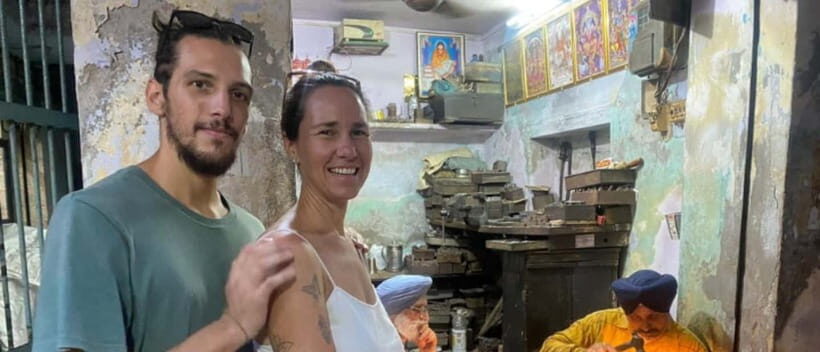
The tour begins outside the Partition Museum, and that’s a smart move. Before you get lost in old lanes and temple facades, you get a grounded sense of what Partition meant for everyday families. Even if you already know dates from a book, hearing the human impact first changes how you read the city afterward.
This sets a tone: the walk doesn’t treat history as a museum piece. You learn how the modern city sits on top of older communities and upheavals. It also helps explain why Amritsar’s streets feel both proud and heavy at the same time—practical, emotional, and real.
You can also read our reviews of more walking tours in Amritsar



Jallianwala Bagh: more than a stop, a moment to slow down
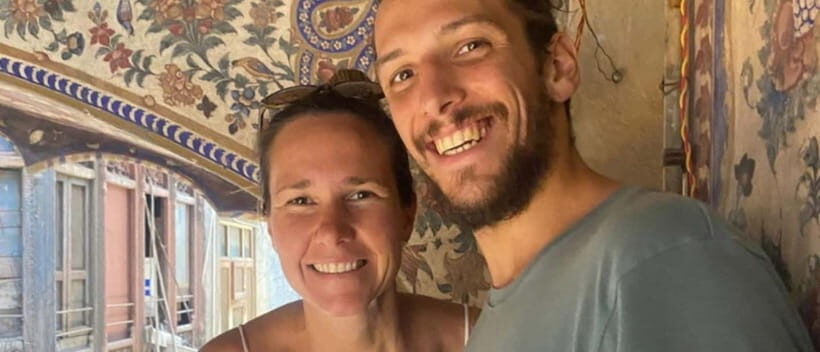
Next comes Jallianwala Bagh, the memorial site connected to 1919 events. This is not a “quick photo and move on” kind of place. The guide’s role matters here, because it’s easy to misunderstand or skim if you don’t get the right background.
What I liked most was the way the walk gives space for reflection—paired with clear storytelling about bravery, resilience, and the drive for freedom and justice. If you’ve ever felt that big memorials can become awkward when you’re alone, having a guide helps you understand what to notice and what to feel.
Practical tip: carry water and keep your phone charged. Even if the walking portion isn’t long, memorial sites can take time when you’re reading what’s in front of you.
Old lanes toward Baba Bohar: where the city feels lived-in
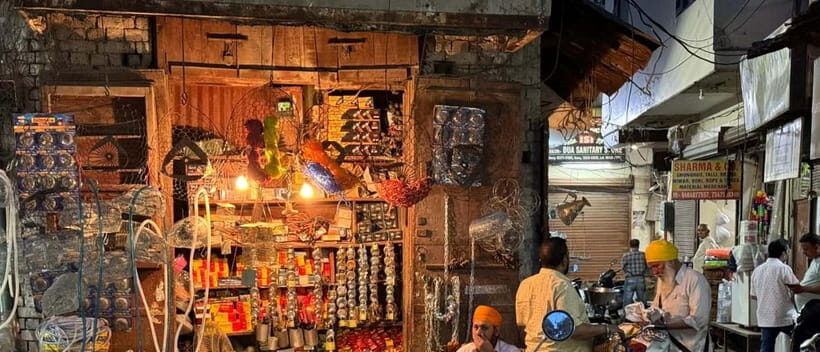
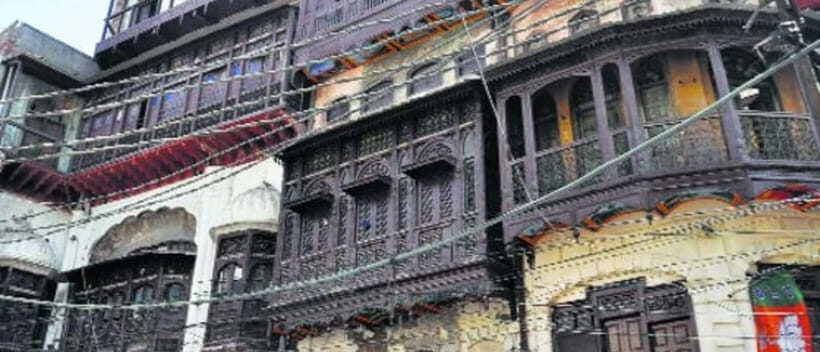
After the memorial, the route shifts into the older layers of Amritsar—narrow alleys and small lanes that make you feel the city’s original scale. You don’t get the “wide boulevard” version of Amritsar here. Instead, you’ll be walking close to walls, shopfronts, and everyday routines.
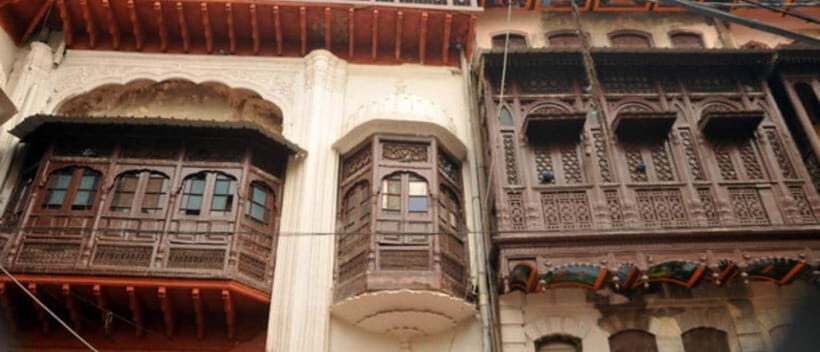
A standout segment is heading toward the Baba Bohar area. This isn’t just a scenic detour. It’s a chance to see how religious life, local craftsmanship, and neighborhood rhythms sit side by side. One of the best parts of a guided heritage walk is that you notice things you’d otherwise miss—doorway carvings, old facades, and the little signs that a place has history even if it looks “ordinary” from afar.
Frescoes, temple architecture, and a lesson in seeing details
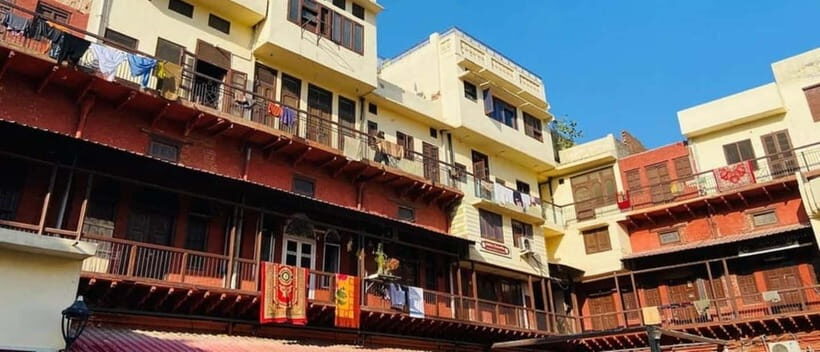
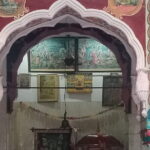
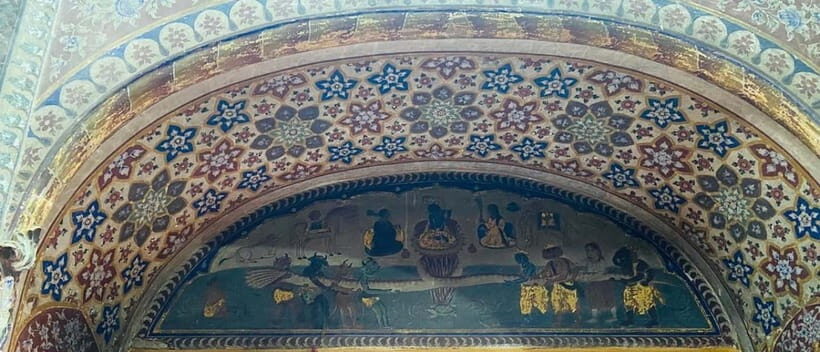
The walk includes a Hindu temple and time to look at wall frescoes artwork. That matters because in South Asia, religious art often communicates identity, storytelling, and devotion—not just decoration.
I found that the guide’s commentary makes the frescoes easier to read. You stop thinking of them as random color and start seeing patterns, themes, and why certain styles show up in specific buildings. It’s the difference between walking past a wall and actually understanding what you’re looking at.
If you plan your visit well, you can treat this as your “slow looking” segment. Don’t rush it just because the rest of the day moves quickly.
A 150-year workshop: craft work that connects past and skills

Another highlight is a 150-year workshop linked to early Industrial Revolution-era activity. Even if you’re not a factory-history nerd, this stop gives you something valuable: proof that “history” in Amritsar isn’t only monuments and memorials. It’s also technique—how people made things, and how skills passed through generations.
Expect to see a working environment or a space with craft focus, and you’ll likely hear explanations about how industry and local trades shaped the city. This is the kind of stop that makes a heritage walk feel grounded. You leave knowing the city’s past wasn’t only political; it was also practical and inventive.
You can also read our reviews of more historical tours in Amritsar


Little Jaipur, an ashram, and religious Amritsar beyond the obvious
Along the route you may visit smaller heritage nodes like Little Jaipur and an ashram. These stops broaden the story. They remind you that Amritsar isn’t only about Partition and memorials; it’s also a living religious and cultural crossroads.
For me, the value here was balance. You get solemn reflection at Jallianwala Bagh, and then you see spiritual spaces that show continuity—how belief, daily routines, and community life keep moving even when history changes everything else.
The market trio: Guru Bazaar, Kathia Bazaar, and Maisewan Bazaar
The old city markets are where the walk turns into a sensory experience: spices, jewelry, crafts, and snacks. You’ll spend time in Guru Bazaar, Kathia Bazaar, and Maisewan Bazaar, and the route is designed so you’re not just passing shops—you’re understanding what you’re seeing.
I like markets best when a guide helps you shop with purpose. Here, you get help with bargaining tips and practical ideas for saving money. That’s real value. Without that, many people end up paying “tourist pricing” or buying random stuff they later realize they don’t need.
Snack stops are part of the experience too. I had fresh jalebis on the route, and in one case I also tried a kulcha at a local lunch spot—cheap enough that it felt like you were tasting the city instead of “spending for a meal.” Food costs are not included, so treat snacking as your flexible add-on, not part of the ticket price.
Hidden streets and the advantage of a guide in Amritsar

One of the biggest reasons this tour is worth it is that it gives access to narrow streets and lesser-known corners. You don’t just get a list of famous landmarks. You get route thinking.
Your guide’s job is to point out details: old facades, artists’ workshop areas, architectural influences, and religious cues that blend into the street. It’s the difference between walking with blinders and walking with a script you can understand.
And yes, sometimes you get practical help too. I experienced a moment of logistical support when a pickup taxi didn’t collect as planned; the guide helped arrange a replacement. When you’re solo, that kind of backup peace of mind counts.
Rain, thunderstorms, and how to handle weather with a walking tour
A quick reality check: this is a walking tour through parts of old Amritsar. If weather turns, you’ll want to be flexible.
In one experience, thunder and lightning hit, and the guide offered the option to change time, though it wasn’t possible to fully cancel. The good news is the guide still focused on keeping the route moving safely—ducking into sheltered spots like museums and eateries until conditions improved.
So pack like a local: a light umbrella or rain jacket, plus shoes that handle uneven streets. If you’re the type who hates delays, bring calm expectations.
Language choices: storytelling that actually matches your comfort level
Included in the tour is storytelling in Hindi, English, and Punjabi based on your convenience. That’s not a small detail. It changes everything if you want to ask questions.
On my walk, guides like Hardik were able to keep the group engaged with history trivia and architectural context. If you speak English, you’ll get clear explanations. If you’re more comfortable in Hindi or Punjabi, you can switch the tone and pace. Either way, the guide’s goal is connection, not recitation.
Price and value: $18 for context you can’t DIY
Let’s talk money. At $18 per person, you’re not paying for museum tickets—you’re paying for a trained guide with a narrative route.
What you get for the price:
- A full route across multiple categories (memorial, temples, markets, workshops, heritage lanes)
- Guided interpretation, which is what makes a city “click”
- Market strategy, including tips for bargaining and saving money
- Access to narrow streets that are easy to miss without local guidance
If you try to do this solo, you might see the famous points and still miss the small connections: why a temple’s art matters, how a workshop reflects industrial-era influence, or why certain neighborhoods feel the way they do today.
Also remember: entrance fees to monuments are not included, and camera charges inside monuments may apply. So keep a little extra budget for any stops that require payment once you’re already there.
Who this tour fits best
This Amritsar heritage walk is a great match if:
- You want history explained in plain language, not just posted signage
- You like walking and learning street-by-street
- You plan to visit the old markets and want help shopping wisely
- You’re traveling solo and appreciate a guide who checks in and can support logistics if something goes wrong
It might not be ideal if you:
- Cannot handle walking on narrow lanes for part of the route
- Want a “mostly vehicle” experience (this is primarily on foot)
- Are extremely strict about memorial visits taking time, since reflection is part of the approach
Should you book Amritsar Heritage Walk: Back in Time?
I’d book it if you want Amritsar with context. This isn’t only about seeing places—it’s about understanding why they matter and what you’re noticing as you move through the city.
Book it especially if you care about the combination of solemn history at Jallianwala Bagh, religious and artistic details like frescoes, and the practical texture of everyday life in markets such as Guru Bazaar and Kathia Bazaar. At $18, the value is in the guide-led connections and the smart route through less obvious streets.
FAQ
What does the tour cost?
The tour costs $18 per person.
How long is the walking tour?
One experience described it as about two hours of walking.
Which languages does the guide use?
Storytelling is available in Hindi, English, and Punjabi.
What major places are included?
You can expect stops that include Jallianwala Bagh, Guru Bazaar, Kathia Bazaar, Maisewan Bazaar, areas toward Baba Bohar, and a Hindu temple with wall fresco artwork. The route also includes a 150-year workshop and other heritage sites like Little Jaipur and an ashram.
Are monument entrance fees included?
No. Entrance fees to monuments are not included.
Are camera charges included?
No. Camera charges that apply inside monuments are not included.
Is it okay for solo travelers?
The experience includes examples of solo travelers being supported by the guide, including safety check-ins after arriving back at a hotel.
If you tell me your travel dates and whether you prefer more history, more shopping, or more food stops, I can suggest how to time this tour during your Amritsar day.