REVIEW · AMRITSAR
Amritsar: Small Group Sightseeing Tour with Wagah Border
Book on GetYourGuide →Operated by Taxi Bazaar · Bookable on GetYourGuide
The day starts with a place you cannot fake. This Amritsar small-group tour strings together Sikh spirituality, a hard look at Partition and the Jallianwalla Bagh massacre, and then the evening Wagah Border ceremony.
I love the way the morning at the Golden Temple turns sightseeing into something more human: your guide explains Sikh principles, helps you navigate the complex respectfully, and points you toward what to actually notice (from the shrine area to the community kitchen rhythm). I also really like the Langar stop—watching the kitchen run like a well-organized operation of kindness, and in some cases even getting a chance to volunteer. The one possible drawback: this is a walking-in-crowds day, and the lines around key temple areas can eat into time, so go in with patience.
You’ll be guided by an expert local in English, Hindi, or Punjabi, in a private group of up to 6 people. Pickup is from your hotel, and the day is paced so you’re not just dropped at sites and told good luck. If you have mobility limitations, note the tour includes some walking and may not work well for you.
In This Review
- Key Highlights You’ll Actually Care About
- A Day That Links Sikh Faith, Partition Trauma, and the Wagah Show
- Golden Temple Morning: What Your Guide Helps You See
- Langar Kitchen: Seeing Community Service Run Like Clockwork
- Jallianwalla Bagh: The Site Where History Becomes Personal
- Partition Museum: The Hard Middle That Helps Everything Else Make Sense
- A Lunch Break in Amritsar: Use It Smart
- Wagah Border Ceremony: How to Handle the Crowd and Catch the Moment
- Private Small-Group Comfort: Why Up to 6 People Changes Everything
- Price and Value: Is $40 for This Day Actually Reasonable?
- Who Should Book This Tour (and Who Might Want Another Option)
- Should You Book This Amritsar Tour with Wagah Border?
- FAQ
- How long is the Amritsar sightseeing tour with Wagah Border?
- Is this tour a private group, and how many people are included?
- What stops are included in the day?
- Do I need a passport or ID?
- How much walking is involved?
- What language will the guide speak?
Key Highlights You’ll Actually Care About
- Golden Temple, guided with context: you’ll learn Sikhism basics and how to move through the complex respectfully
- Langar kitchen service on full display: see how food is prepared for large numbers of pilgrims
- Jallianwalla Bagh explained clearly: your guide helps connect the site to the events and their impact
- Partition Museum stop with visual storytelling: photos, videos, and expressive art help you understand the division of India and Pakistan
- Wagah Border ceremony with real crowd energy: lowered flags and a formal handshake moment between soldiers
- Small group, up to 6 people: easier pace control, more time for questions (and less chaos than big tours)
A Day That Links Sikh Faith, Partition Trauma, and the Wagah Show
Amritsar is one of those cities where the past sits right next to daily life. This tour is built around three emotional tones: spiritual calm in the morning, heavy historical reality midday, and then a theatrical-but-solemn ceremony at the border.
What makes it work for first-timers is the sequencing. You start where people come to pray and serve, then you move into places that explain why millions of lives were broken apart in 1947. Only after that comes the Wagah ceremony, which feels like a hard emotional contrast—in the best way, if you’re ready for it.
This is also the kind of day where your guide matters. I’ve seen tours where history gets dumped on you like a lecture. Here, the guides in this experience range from calm explainers like Ajit Singh and Lovepreet to highly responsive hosts like Sharna and Sultan, and the common thread is that they answer questions without rushing you out the door.
You can also read our reviews of more tours and experiences in Amritsar.



Golden Temple Morning: What Your Guide Helps You See
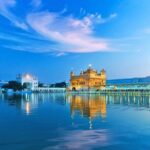
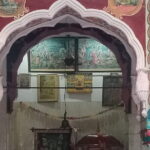
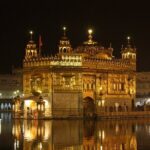
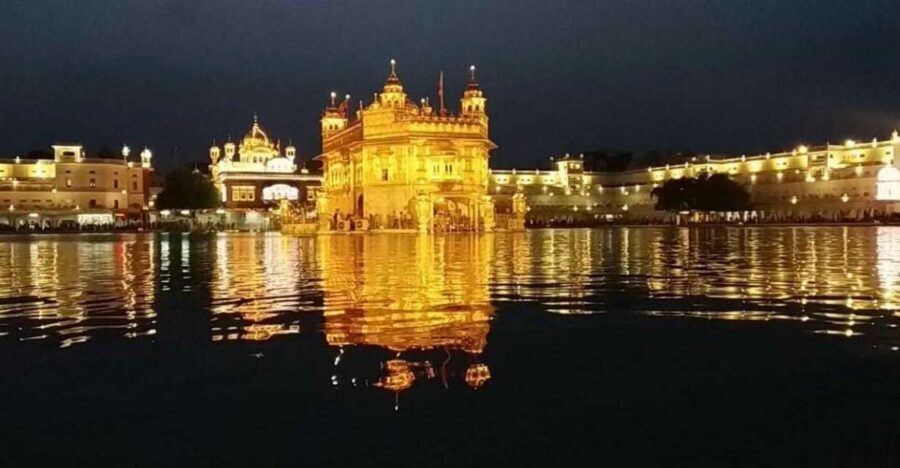
The Golden Temple is the reason most people come to Amritsar, but it’s also the reason many people miss the point. Yes, the shrine’s glow is unforgettable. But the deeper value is how your guide turns your visit into understanding—what Sikhism is about, why this place matters, and what to focus on as you walk.
Your morning includes a guided visit of the Golden Temple area for about two hours. Depending on the day and crowd levels, you may spend extra time near the temple’s key interior spaces. One guest noted that the line for the area connected to the Sikh holy text involved waiting anywhere from 1 to 3 hours, so if time is tight, you might prioritize the areas that match your interests and comfort.
Guides like Karen and Anil Sharma are specifically praised for making the visit feel guided rather than overwhelming. I like that because the Golden Temple complex is busy, sacred, and easy to get turned around in if you’re trying to do it all solo.
Practical note: bring your passport or ID card, since you’ll need it again for the border ceremony later. Also, dress and act with respect—your guide will help with the flow so you’re not guessing.
Langar Kitchen: Seeing Community Service Run Like Clockwork
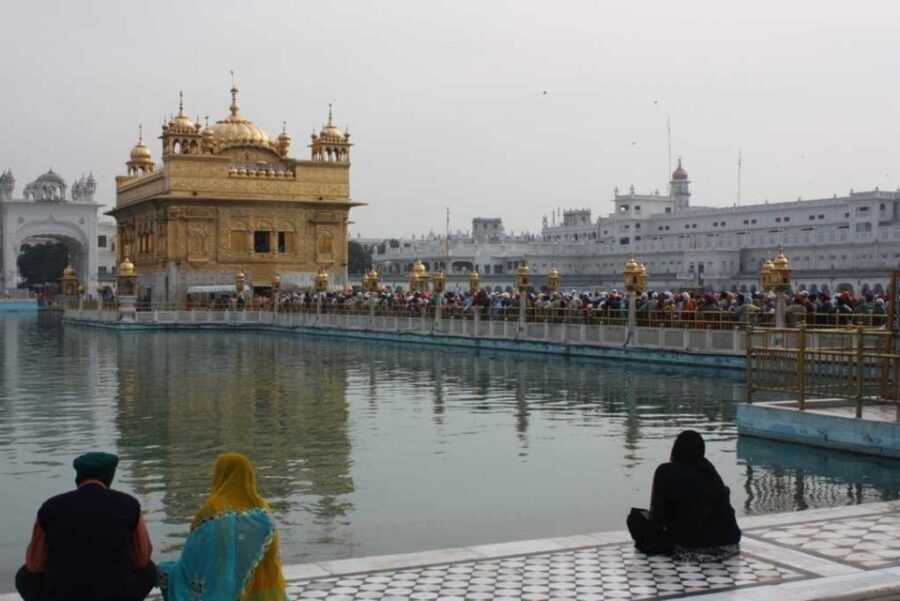
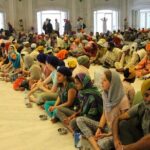
After prayers, you head to the Langar Hall—also called the community kitchen. This part is my favorite “why this matters” stop on the tour, because it’s not abstract. You actually see food preparation happening for huge numbers of pilgrims.
What I love here is the contrast with typical tourism. You’re not buying a ticket, posing for a quick photo, and leaving. You’re watching a system of service designed to treat people equally—no matter who they are, no matter where they’re from.
In reviews, people mention everything from exploring parts of the kitchen areas a normal visitor wouldn’t easily find to volunteering to help prepare or serve food. If you get the opportunity, take it. Even a small role makes the whole experience feel less like watching and more like participating.
This stop is also a good reset. The Golden Temple is spiritually moving, but the Langar gives you something practical to hold onto: it’s service with structure, not just a feeling. And if you’re traveling with family, it’s often the moment that turns questions into real understanding.
Jallianwalla Bagh: The Site Where History Becomes Personal
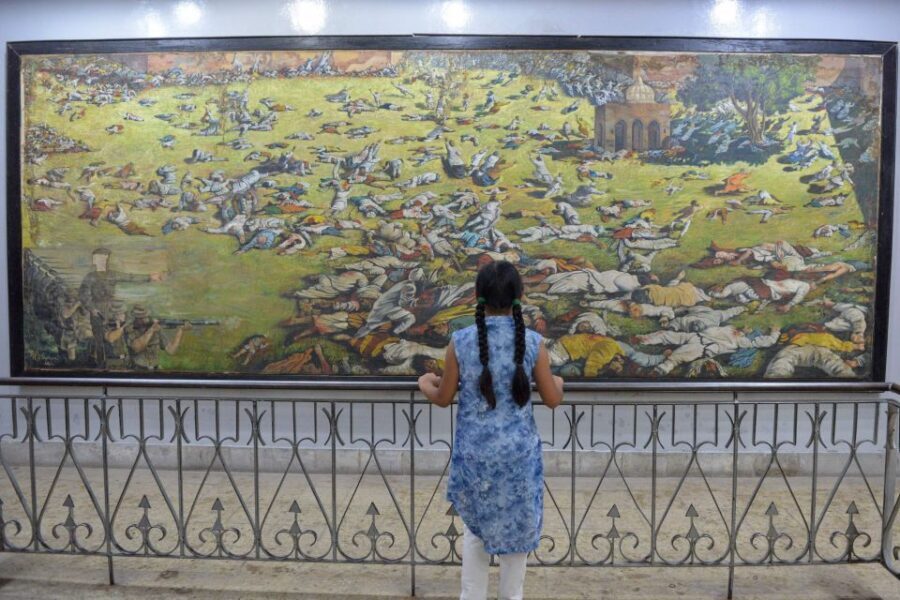
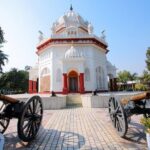
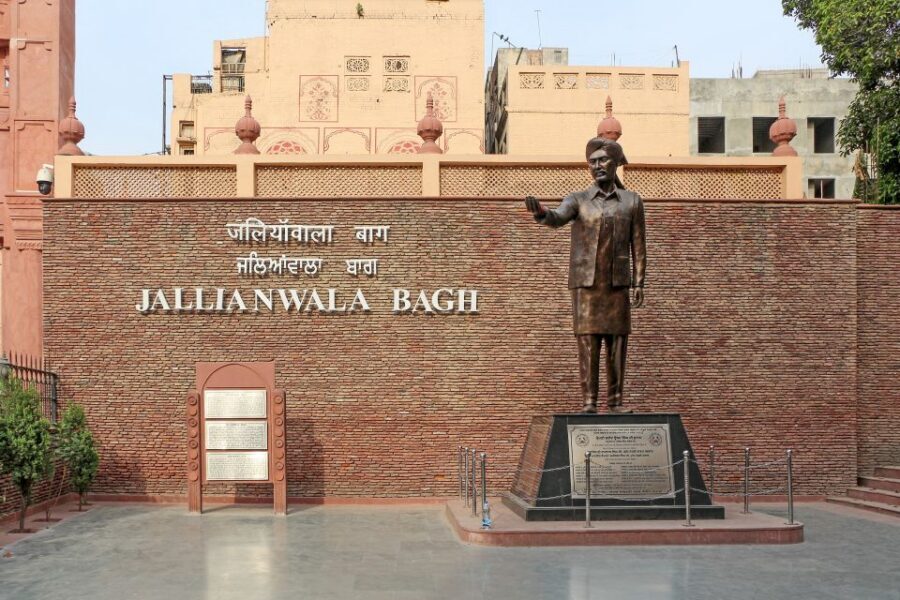
Next comes Jallianwalla Bagh, the location tied to the infamous massacre that changed Indian history. This stop can feel heavy fast, especially if you come in expecting sightseeing to stay light.
The tour includes about an hour guided here, and the best guides handle it thoughtfully: they explain what happened and why it mattered, without turning it into a shouting match. People have specifically praised guides such as Ajit Singh for giving clear, calm explanations of the events, which helps you process the place rather than just stare at it.
One thing to know: historical sites like this aren’t meant to be rushed. If you’re the type who likes to ask follow-up questions, you’ll probably enjoy this part more. If you prefer quick stops, you still get the main context, but pace will depend on your guide and the group’s comfort level.
If you’re visiting with kids, this is still doable, but it helps to have a guide who can connect the story to understandable themes. Reviews mention guides tailoring explanations in child-friendly ways, which is exactly what you want here.
Partition Museum: The Hard Middle That Helps Everything Else Make Sense
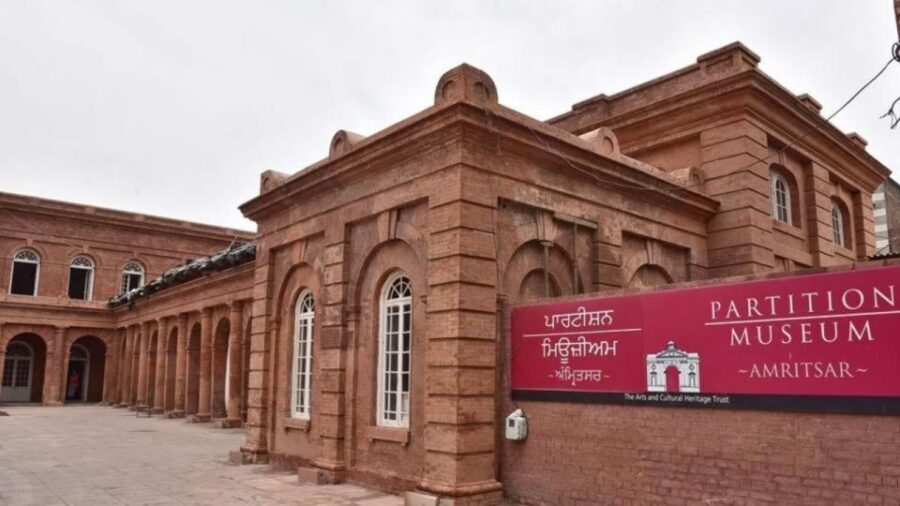
After Jallianwalla Bagh, you’ll visit the Partition Museum, which focuses on the grim history of the division of India and Pakistan. This is the stop that often separates a decent tour from a truly memorable one.
The museum uses videos, photographs, and paintings to show what people faced during Partition. The emotional weight lands because it’s visual, specific, and human-scale—not just dates and headlines. I like that it helps you interpret the city’s modern identity with more clarity.
One real-world consideration: the museum can be closed on certain days. A review mentioned a Monday closure, and the guide compensated by taking extra time to explain the sections you would have seen. If this happens to you, don’t treat it as a loss—treat it as a chance for your guide to walk you through the meaning behind the exhibits.
Plan to spend enough time here that you don’t just skim. This is not where you want to be mentally rushing to the border ceremony.


A Lunch Break in Amritsar: Use It Smart
Between the major historical stops and the evening ceremony, you’ll have a break (about 30 minutes). Don’t underestimate this slot. In Amritsar traffic, short breaks can make the difference between enjoying the day and feeling frazzled.
I’d use this time for two things:
- Quick food or a snack so you don’t run on adrenaline
- Water and a bathroom stop before the evening crowds
Some reviews also mention lunch at local restaurants like Yellow Chili, described as excellent. The tour itself provides the break, but lunch costs and specific restaurant choices can vary—so if you care about food, ask your guide for a nearby option that fits your preferences.
Also, if you’re sensitive to heat, build in slow breathing here. You’ll be standing and moving again later.
Wagah Border Ceremony: How to Handle the Crowd and Catch the Moment
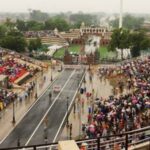
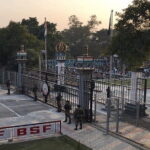
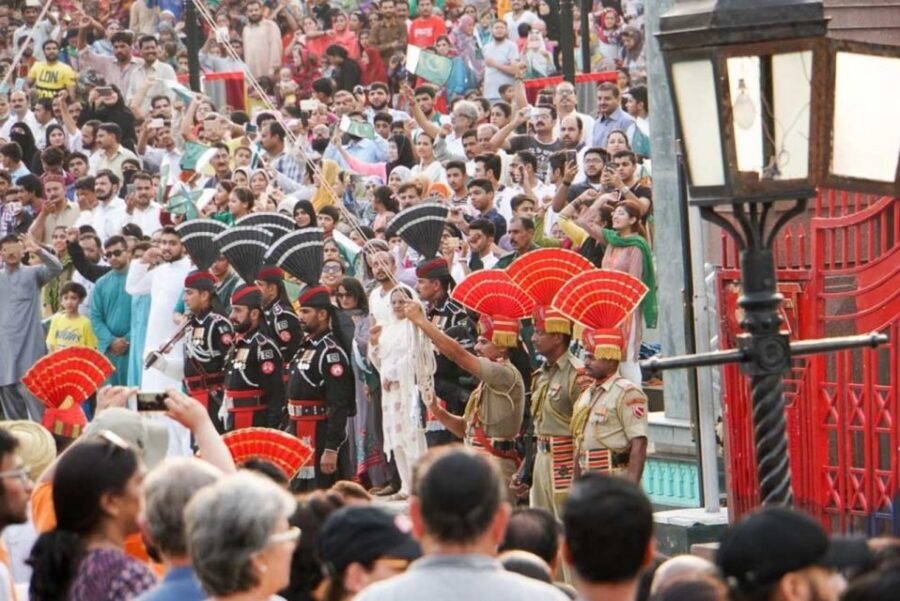
The Wagah Border ceremony is the final act of the day, and it’s different from everything else you’ve seen. It’s formal, theatrical, and packed with energy—like a daily performance rooted in real geopolitics.
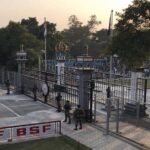
Expect a visit out to the Attari Wagah Border area and a ceremony featuring the lowering of both flags and a handshake moment between soldiers. It’s one of those experiences where you realize it’s not just for tourists; it pulls in a huge local crowd too.
Here’s the practical truth: you need to arrive early. At least one guide experience noted you had to be on the grounds about an hour earlier due to crowds and entry flow. Your guide will handle the timing, but you should come ready for crowds, lines, and a bit of pushing as people try to get closer.
Bring your passport or ID card, and follow any instructions from staff on-site. One review explicitly warned that people can get stuck in the middle of chaos if they try to force entry.
If you can, choose a seat based on how you plan to watch. Most people want good sightlines for the flag moment. Your guide should help you get there in time, and some guides are praised for getting guests into better viewing areas.
Also note: roads around border sites can mean a traffic shuffle. One reviewer mentioned that traffic is part of the experience, not an exception.
Private Small-Group Comfort: Why Up to 6 People Changes Everything

This is a private group capped at 6 people. That matters more than it sounds.
In a small group, your guide can slow down when someone has questions. It also makes it easier to adjust pace if people need a breath, extra time for photos, or a slightly different route around crowds. Several reviews praised guides like Sharna and Thomas for checking on comfort levels and actively managing walking time.
Pickup and drop-off are included from your hotel in Amritsar, and the tour includes parking charges and entry fees. Translation: you spend less time negotiating and more time learning.
One safety detail to be aware of: one review mentioned the vehicle used had no rear seatbelts. I can’t verify what you’ll get, but if seatbelts matter to you, take note and sit where restraint options are clear.
Also, a few reviews mention guides contacting guests via WhatsApp the night before with pickup details. If that happens to you, it’s worth reading carefully and confirming your meeting point early.
Price and Value: Is $40 for This Day Actually Reasonable?
At about $40 per person for a 9-hour guided day, the value is solid—assuming you want both the spiritual highlights and the history-focused stops.
Here’s why the pricing works:
- You’re paying for guided context at multiple major sites (Golden Temple, Jallianwalla Bagh, Partition Museum, and the border ceremony).
- Hotel pickup and drop-off are included, which removes a chunk of stress you’d otherwise pay for in taxis or transport planning.
- Entry fees are included, so you’re not constantly adding small charges at each stop.
Is it cheap? For the range of stops, yes, especially compared to the cost of individual day tours in India. But it’s also not a “sit and look out the window all day” deal. You’re doing a real schedule with some walking, plus a long evening ceremony.
For me, the price makes sense if you’re a first-time visitor or if you want a single-day framework for the city. If you already know Sikh history and Partition history deeply and you’re comfortable building your own itinerary, you might be able to replicate some pieces cheaper. But for most people, this tour saves planning time and gives you better interpretation.
Who Should Book This Tour (and Who Might Want Another Option)
This tour fits best if:
- You want a first-time Amritsar day that covers the big spiritual and historical anchors
- You like learning from a local guide, not just collecting photos
- You’re okay with some walking and crowd conditions
- You want the Wagah ceremony as an evening punctuation mark
It may not be ideal if:
- You have mobility impairments. The tour explicitly says it’s not suitable for people with mobility impairments.
- You hate emotional heavy stops. Jallianwalla Bagh and the Partition Museum are intense. If that’s hard for you, you may still appreciate a guided explanation, but go in prepared.
Families often do well here, and multiple reviews mention guides being especially kind and attentive with kids. Still, I’d suggest you choose this if your family can handle a serious history segment without expecting it to be a light sightseeing day.
Should You Book This Amritsar Tour with Wagah Border?
I’d book it if you want the cleanest one-day path through Amritsar’s most important moments—Golden Temple + Langar service, then Jallianwalla Bagh + Partition Museum, finishing with the daily Wagah ceremony.
Before you decide, ask yourself two quick questions:
- Do you want your history and spirituality explained by someone local? If yes, you’ll likely love this format.
- Are you okay with waiting in lines and standing for ceremony time? If yes, you’ll have the stamina for the whole day.
If the Partition Museum is closed on your travel day, that’s the only clear “possible hiccup” I’d flag. In at least one documented case, the guide compensated with extra explanation, but it’s still smart to be mentally flexible.
If you want a day that feels meaningful, not just busy, this is a very strong choice.
FAQ
How long is the Amritsar sightseeing tour with Wagah Border?
It runs for 9 hours, with hotel pickup in the morning and a drop-off back at your hotel after the evening ceremony.
Is this tour a private group, and how many people are included?
Yes. It’s a private group limited to a maximum of 6 people.
What stops are included in the day?
You’ll visit the Golden Temple (with a guided tour), Langar Hall (community kitchen), Jallianwalla Bagh, the Partition Museum, and the Wagah Border ceremony in the evening.
Do I need a passport or ID?
Yes. You should bring a passport or ID card, and it’s specifically mentioned for the tour.
How much walking is involved?
There is some walking included. It may not be suitable if you have mobility impairments.
What language will the guide speak?
The live tour guide is available in English, Hindi, and Punjabi.