REVIEW · JAIPUR
All inclusive Vegetarian Jaipur Food and Heritage Tour
Book on Viator →Operated by No Footprints · Bookable on Viator
A street-food loop with real context. This all-inclusive Jaipur vegetarian food and heritage tour is built around how local ingredients and techniques shape bold flavors, even when resources are tight. I especially like the focus on market-to-plate understanding and the warm, high-energy guiding I’ve heard described from Bhavya (and sometimes Gaurav). One thing to keep in mind: it runs on good weather, so plan to be flexible if conditions are poor.
I also like that the tasting portion isn’t just food on autopilot. You get the why behind what you’re eating—plus cultural stops that connect ingredients, daily life, and craft in the old-city lanes. And yes, chai comes up a lot in the best way, including praise for what many call the best chai of an entire Jaipur trip.
If you have diet rules or allergies, make it clear in advance. The tour includes safe-to-eat spots that are tried and tested, but the operator notes they’re not responsible for food-related health issues—so you’ll want to be extra careful with your own needs.
In This Review
- Key highlights you’ll feel on the walk
- Why This Jaipur Vegetarian Food Tour Feels Like More Than Tastings
- Meeting in Johri Bazar: A Simple Start for a 4-Hour Food Loop
- Big Gate Stop: Using a Landmark to Learn the Neighborhood
- Vegetable and Flower Market: Where Ingredients Become the Story
- Sweet, Savory, and Jaipur Chai: How the Tastings Work
- Flower Recycling at a Textile Workshop: A Surprising Cultural Tie-In
- Value and Pricing: Is $44.02 Worth It for 4 Hours?
- Who This Tour Suits Best (And Who Should Skip It)
- Should You Book This Jaipur Vegetarian Food and Heritage Tour?
- FAQ
- How long is the All inclusive Vegetarian Jaipur Food and Heritage Tour?
- Where is the meeting point?
- Where does the tour end?
- Is the tour private or shared?
- What’s included in the price?
- Do I need to book in advance, and will I get confirmation?
- Is it suitable for most travelers?
- What if the weather is bad?
- Can I bring up allergies before the tour?
Key highlights you’ll feel on the walk
- Bhavya as a standout guide: passionate, enthusiastic, and tuned into what you should notice
- Market context, not just samples: you connect ingredients to the dishes you try
- The Big Gate stop: a quick landmark moment to help you orient in old Jaipur
- Vegetable and flower market time: where you see everyday produce and blooms feeding the food story
- Chai and snack pacing: built for enjoyment, with bottled water included
- Flower recycling at a textile workshop: craft meets food culture in a practical, memorable way
Why This Jaipur Vegetarian Food Tour Feels Like More Than Tastings
This tour sells itself as food, but it’s really about the way Jaipur cooks with what’s available. The tour description leans into a smart idea: when resources are scarce, people get creative. That creativity shows up in flavor choices, preparation methods, and the way stalls and markets supply the ingredients people rely on day to day.
I like that the experience is set up as a heritage walk, not a checklist. You’re moving through real areas around Johri Bazar and Bapu Bazar, and the guide helps you read what you see. That matters, because the point isn’t only to taste—it’s to leave with a sense of how Jaipur’s food culture works.
Also, the vibe seems built for people who enjoy lively conversation while they eat. In reviews, Bhavya is described as fun, energetic, and genuinely excited about sharing details. When a guide actually cares, the small moments—like what’s being sold and how ingredients get used—land much better.
You can also read our reviews of more food & drink experiences in Jaipur


Meeting in Johri Bazar: A Simple Start for a 4-Hour Food Loop
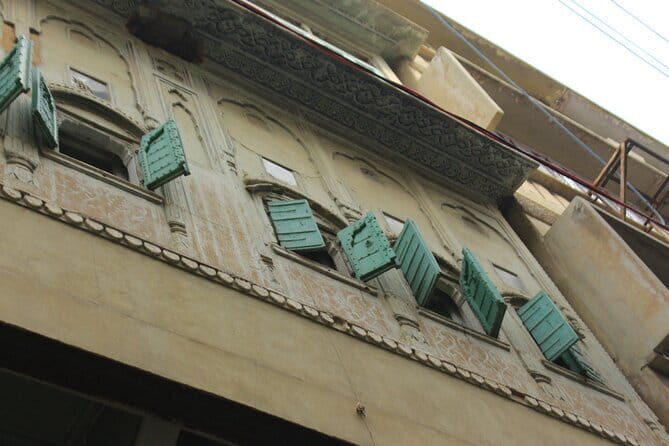
The meeting point is at LMB Hotel, 100–101 Johri Bazar, Bapu Bazar, Biseswarji, Jaipur. For most people, this is a practical neighborhood to start from because it’s near public transportation, and it’s easy to find once you’re in the old-city orbit.
You’ll start the tour with a guide, then head off on a route designed for a few hours of steady sampling. It runs about 4 hours, so it’s long enough to feel like you had a “real experience,” but not so long that you burn the whole day.
A couple of small inclusions make a difference when you’re walking and eating in warm weather: bottled water and snacks are included, and the tour provides a mic, which helps if your group wants to hear every bit of explanation clearly. There’s also a mobile ticket, and the tour mentions group discounts, which is a nice bonus if your group is larger.
Since it’s listed as private, only your group participates. That can be great if you want a more relaxed pace or less crowd pressure. The tradeoff is you won’t get that “mix and mingle” street energy that happens on some public group tours.
Big Gate Stop: Using a Landmark to Learn the Neighborhood
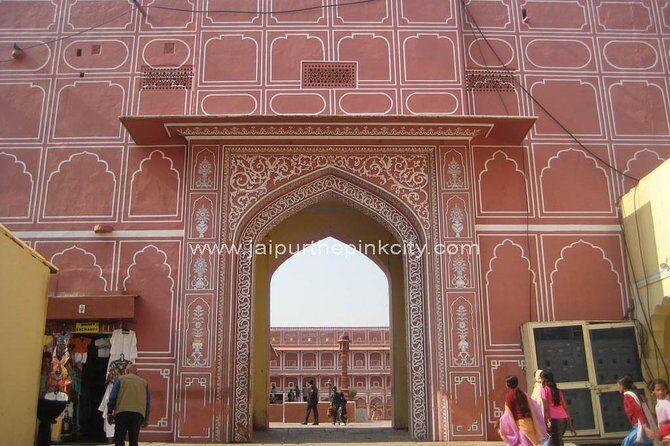
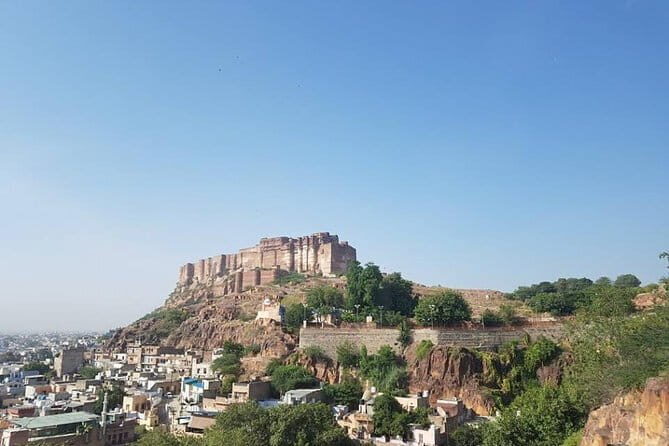
One stop is specifically called out: the Big Gate. Even if you don’t know anything about Jaipur’s street map, a landmark stop helps your brain lock onto where you are. It turns the walk from random lanes into a route with a purpose.
In an old-city food tour, this kind of orientation moment is more than sightseeing. When you have one clear “anchor,” you can connect everything else you see—shops, stalls, and food points—to a bigger mental picture. That’s especially useful in a place where streets can look similar and you might otherwise feel slightly lost.
What’s the downside? It’s only one named viewpoint/stop, so don’t expect a long sequence of major monuments. This is a food-first tour, and the Big Gate works as a quick orientation break, not a full heritage site.
Vegetable and Flower Market: Where Ingredients Become the Story

You’ll spend time in a vegetable and flower market, and this is where the tour’s heritage angle really clicks. Flower markets might sound like a separate attraction, but here they’re tied to what ends up on plates—so you’re watching the supply chain of Jaipur’s food culture happen in real time.
Seeing produce and blooms in the same orbit helps you understand why local cooking can taste the way it does. The tour’s framing about turning scarcity into bold flavors becomes easier to grasp when you’re standing among ingredients being sold daily. It’s not abstract. It’s visible.
This is also the kind of stop where you’ll likely notice sensory details beyond food: colors, smells, and the hustle of merchants. The guide’s job is to translate those impressions into food meaning, so you know what you’re looking at and why it matters.
If you’re sensitive to crowds or strong smells, arrive with the mindset that markets are active spaces. The benefit is you get a direct look at the sources behind what you’ll taste later.
Sweet, Savory, and Jaipur Chai: How the Tastings Work
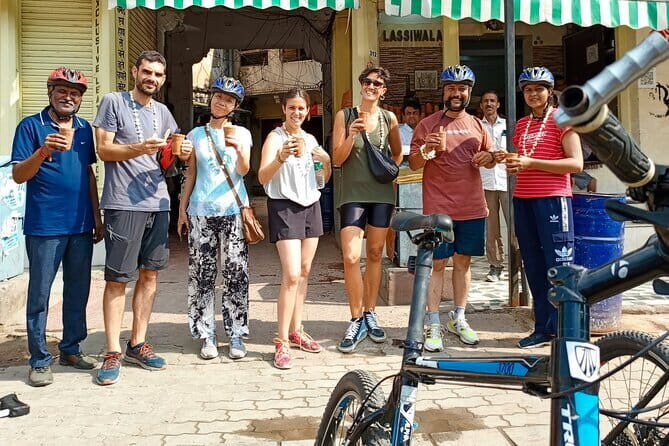
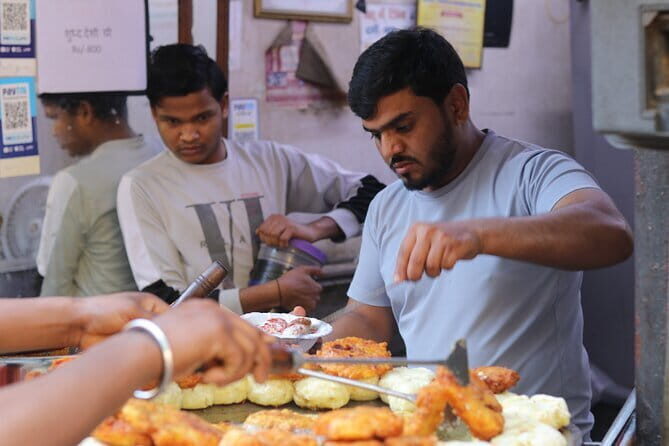
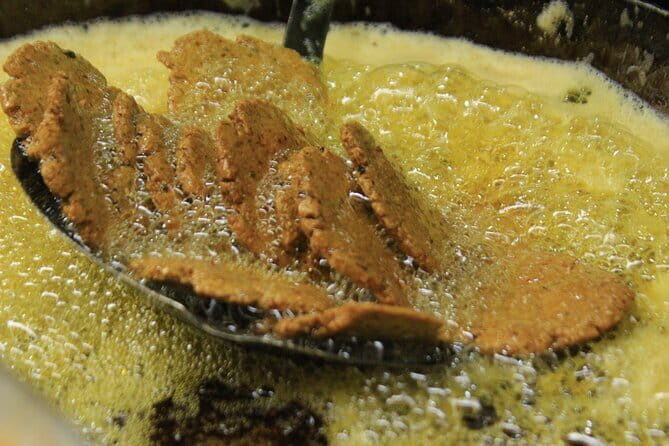
The core of this experience is sampling sweet and savoury dishes along the route, plus snacks. The tour description talks about discovering how local ingredients and clever techniques shape flavors, and that lines up with the idea of tasting your way through the logic of Jaipur cooking.
From the guidance described in reviews, chai is a major highlight. People specifically mention getting what they felt was the best chai of their whole trip. That tells me two things: first, the guide is likely taking you to a well-chosen stop; second, chai isn’t treated as an afterthought. It’s part of the pacing, and it gives you a warm, grounding break while you walk.
Because the tour is described as all-inclusive vegetarian, you should expect a vegetarian-forward food experience. That said, one review mentions veg no veg wording in the tour description context, so if you follow a strict vegetarian diet (or avoid certain ingredients), communicate that clearly when you book. Don’t assume—ask.
Allergies matter here. The tour asks you to provide allergy updates in advance. That’s exactly what you should do, since the operator also notes they can’t accept responsibility for food-related health issues. In practice: if you have allergies, treat this as a guided food plan, not a self-serve buffet with unclear ingredients.
A few more Jaipur tours and experiences worth a look






Flower Recycling at a Textile Workshop: A Surprising Cultural Tie-In
One of the most memorable elements mentioned is flower recycling in a textile workshop. This is a great example of what makes a heritage food tour more interesting than a standard eating crawl. Instead of stopping at where ingredients come from, you also learn what happens after those materials are used.
When you connect food culture to craft, you start to see how everyday life creates value from things people might otherwise discard. The flower-to-textile link is a story that adds meaning to the flavors you’re tasting. You’ve been paying attention to ingredients in markets; now you see a second life for materials.
The practical side: workshop stops can mean you’ll spend a bit of time watching demonstrations or a process explanation. If you’re the type who likes photos, this is often the kind of stop where you’ll get strong visual material. If you’re in a hurry or easily bored by non-food content, this might be the element you like least—but in the reviews shared here, it’s also one of the things people remember.
Value and Pricing: Is $44.02 Worth It for 4 Hours?
At $44.02 per person, the price is low enough that you should think about value, not perfection. Here’s what you’re getting that makes the number make sense: bottled water, snacks, GST, a mic for better listening, and a guided route designed for food sampling in the Jaipur old-city area.
The biggest value isn’t the individual snacks—it’s the time you save and the judgment you avoid. In a market city like Jaipur, it’s easy to wander into random stalls. A good guide helps you choose safe, tasty places and understand what you’re eating without you having to research every stop in advance.
And the tour is private (only your group), which is important for comfort. You’re not sharing your guide time with strangers. If your group likes asking questions and taking notes, that guide attention becomes part of the value.
One more practical note: the tour requires good weather. That’s a real consideration when you’re booking for a specific day. If you’re flexible, this is fine; if you hate rescheduling, you’ll want a backup plan for your Jaipur dates.
Who This Tour Suits Best (And Who Should Skip It)

This tour is a strong fit if you:
- Want vegetarian-focused street food with real context
- Enjoy walking in old-city neighborhoods like Johri Bazar and Bapu Bazar
- Like guides who bring energy and explanation, especially Bhavya’s passion (and sometimes Gaurav’s presence)
- Care about heritage connections, like the flower market and the textile recycling workshop
It might not be your best match if you:
- Only want major monuments and long museum-style stops (this is food and markets first)
- Hate weather-dependent plans
- Have strict medical allergies and prefer ingredient transparency from printed menus (the tour says you should update allergies in advance, but it also notes health responsibility limits)
Should You Book This Jaipur Vegetarian Food and Heritage Tour?
If you want a short, high-satisfaction experience in Jaipur that combines tasting with meaning, I’d book it. The standout theme from the information you have here is the guide quality—especially Bhavya’s enthusiasm—and the way the route builds from markets into tastings and then into craft and recycling.
Before you go, do two simple things: (1) tell the operator about any allergies or dietary needs early, and (2) keep your day weather-flexible. If you do those, you’ll be set up for a smooth 4-hour loop that’s more than eating. It’s a fast way to understand how Jaipur turns everyday ingredients and local knowledge into flavors you can actually remember.
FAQ
How long is the All inclusive Vegetarian Jaipur Food and Heritage Tour?
It lasts about 4 hours (approx.).
Where is the meeting point?
The tour starts at LMB Hotel, 100-101 Johri Bazar, Bapu Bazar, Biseswarji, Jaipur, Rajasthan 302003, India.
Where does the tour end?
The tour ends at 245, Chaura Rasta Rd, Bapu Bazar, Biseswarji, Jaipur, Rajasthan 302003, India.
Is the tour private or shared?
It’s listed as private, meaning only your group participates.
What’s included in the price?
Included items are bottled water, GST, a mic, and snacks.
Do I need to book in advance, and will I get confirmation?
Confirmation is received at the time of booking.
Is it suitable for most travelers?
The tour notes that most travelers can participate.
What if the weather is bad?
The tour requires good weather. If canceled due to poor weather, you’ll be offered a different date or a full refund.
Can I bring up allergies before the tour?
Yes. The tour asks you to give an update for allergies in advance if needed.