REVIEW · SAWAI MADHOPUR
Ranthambore: Guided Safari Tour by Canter or Jeep
Book on GetYourGuide →Operated by RANTHAMBORE CANTER SAFARI BOOKING · Bookable on GetYourGuide
Big cats in real life are a rare deal. This Ranthambore guided safari is built for a fast, focused wildlife run, with a guide who helps you spot the signals in the park. I like the chance to see Royal Bengal tigers (and not just hear about them) and I also like the sheer variety the guide is likely to point out, from spotted deer and sambar to over 270 bird species. One thing to keep in mind: this is a service that depends on timing and the local operator showing up, so it pays to confirm your start time and contact details.
In three hours, you’re not doing tourism-the-movie. You’re doing a practical wildlife mission: check in, get briefed, then head into Ranthambore for guided viewing. The park itself brings the drama—dry deciduous forests, rocky ground, and calm lakes—so your odds come from reading the habitat as much as luck. If you’re sensitive to rough rides or have health limits, take the restrictions seriously, because this type of safari is not built for everyone.
In This Review
- Key points worth knowing before you go
- Ranthambore in three hours: what a canter safari really gives you
- Starting at Ranthambore Circle and the visitor-center briefing
- Inside Ranthambore National Park: guided viewing for tigers and more
- Dry forests, rocky ground, and lakes: why the habitat helps you spot wildlife
- Birds and crocodiles: how to make your safari win even without a tiger
- Canter vs gypsy: choosing the right ride for comfort and value
- What to pack and wear in Ranthambore heat
- Price and value: what you should confirm before paying
- Safety, quiet viewing, and safari etiquette that helps you see
- Should you book this Ranthambore guided canter safari?
- Bottom line
- FAQ
- How long is the Ranthambore guided safari?
- Where does the safari start and end?
- Is hotel pickup and drop included?
- What languages is the live tour guide?
- What wildlife might I see on this safari?
- What are the canter safari prices?
- What should I bring?
- What is not allowed during the safari?
- When is the best time to visit Ranthambore for wildlife viewing?
- Is this safari suitable for young children or pregnancy?
Key points worth knowing before you go
- Canter safari focus: built for guided viewing with an English or Hindi live guide
- Species target list: tigers, leopards, spotted deer, sambar, wild boar, plus crocodiles if you’re lucky
- Birding bonus: over 270 bird species means you can still win even without a tiger view
- Park scenery that matters: dry deciduous forests, rocky terrain, and lakes shape where animals move
- Quick-check practicals: neutral clothing, no flash, minimal noise, and bring water and sunscreen
- Operator timing risk: cancellations and guide no-shows have been reported, so verify details
Ranthambore in three hours: what a canter safari really gives you
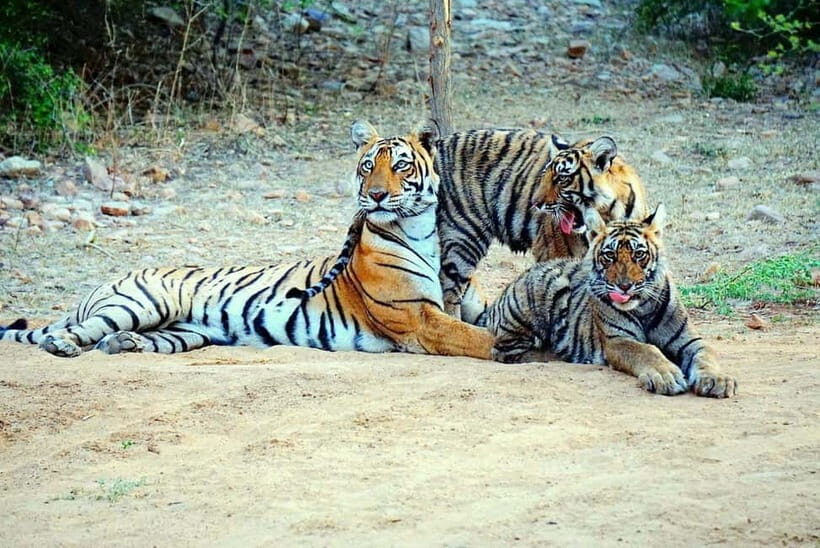
Ranthambore is one of those parks where “wildlife viewing” is the main event, not an add-on. This experience is set up as a 3-hour safari run with a guide and an open safari vehicle (the canter option). For you, that’s useful because it keeps your day from turning into a long logistics puzzle. You get structure: pickup, a briefing, then time in the park with someone helping you scan efficiently.
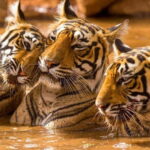
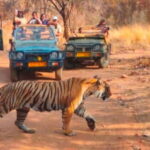
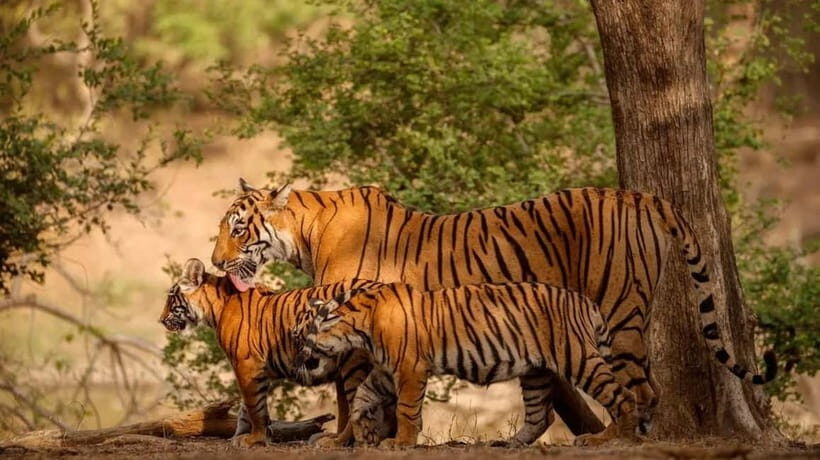
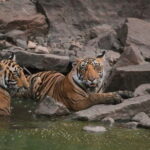
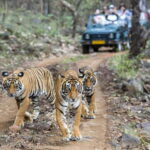
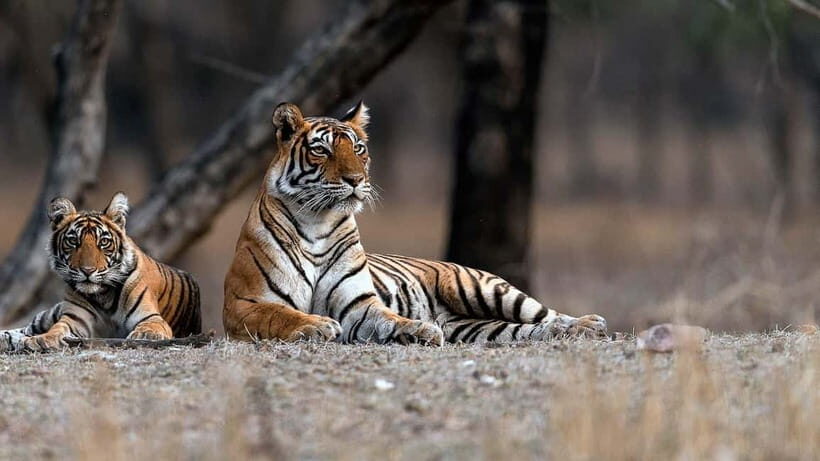
The big draw is the chance at Royal Bengal tigers. You also get a realistic second layer: even if tigers aren’t on the menu that day, Ranthambore’s other animals are common enough to keep the drive interesting—leopards, spotted deer, sambar, and wild boar are all part of the expected mix. Add to that crocodiles and 270+ bird species, and you have multiple ways to have a good safari, not just one.
The main trade-off is speed. Three hours is short, so don’t expect a relaxed, slow outing. You’ll be alert, watching, and moving your eyes constantly. If you prefer a long sit-and-wait day, you might find this feels a bit like speed-dating with wildlife.
You can also read our reviews of more guided tours in Sawai Madhopur


Starting at Ranthambore Circle and the visitor-center briefing
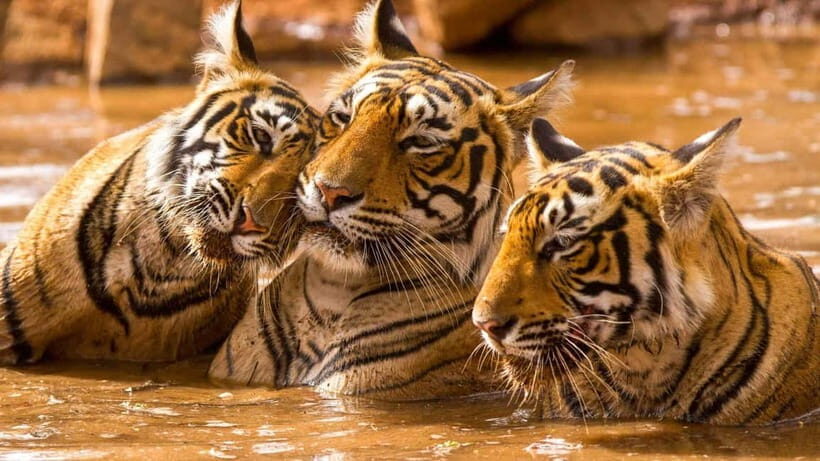
Your safari starts at Ranthambore Circle, then you head to the visitor center. This is where the day usually gets practical fast. You’ll get time for wildlife viewing and also a guided tour and sightseeing component that helps you understand what you’re likely to see and where to focus.
Why this matters: in parks like Ranthambore, animals can be hard to spot until you know what to look for—movement in dry grass, tracks near water, or birds reacting to something nearby. A guide can help you “read” the park instead of just scanning randomly. You’ll also get some self-guided time, which is great for photos and for taking a breather between the more active guidance moments.
Drawback? If the briefing is rushed or you arrive late, you might miss the setup that makes the viewing easier. When you book, I’d treat timing as important, not flexible. Give yourself buffer time to get to the circle and check in properly.
Inside Ranthambore National Park: guided viewing for tigers and more
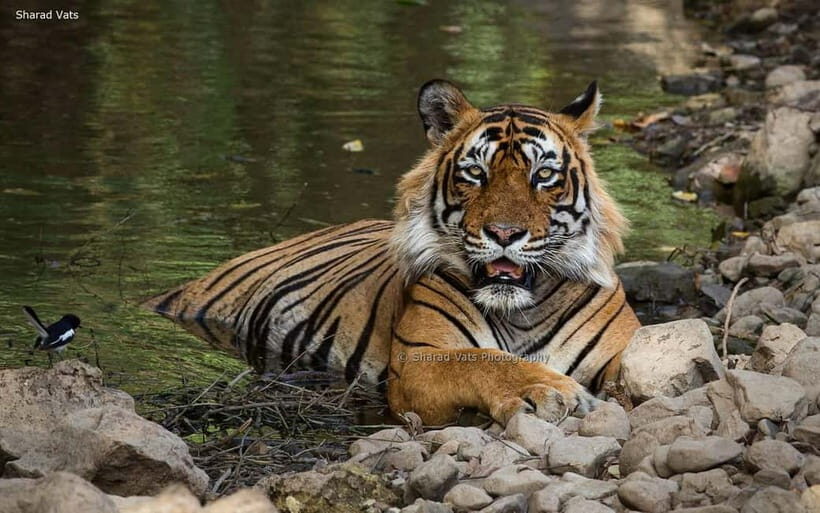
Once you’re in Ranthambore National Park, the experience shifts into guided wildlife viewing. The promise here is serious: the park is celebrated for its Royal Bengal tigers, plus a broader set of mammals and birds.
Here’s what to expect in real terms:
- You’ll be searching for big-cat signs, like presence around certain clearings or activity near water sources.
- You’ll also watch for the medium-sized animals that often show up during the same general viewing windows—spotted deer, sambar, and wild boar.
- You keep scanning for leopards, which can be tougher to spot, but the park’s reputation is built on the chance.
The guide’s role is more than “telling stories.” They help you keep your attention in the right place. Instead of chasing every distant movement, you learn what to prioritize first: animals that indicate a bigger presence, birds that react to change, or water-edge activity that can pull crocodiles into view.
One more realistic note: tigers are not guaranteed. Even in a tiger-famous park, your best strategy is to stay mentally flexible. When you’re open to the full list—birds, deer, boar—your safari doesn’t collapse if the tiger doesn’t appear.
Dry forests, rocky ground, and lakes: why the habitat helps you spot wildlife
Ranthambore’s setting is built for wildlife sightings. You’re moving through dry deciduous forests, with rocky terrain and serene lakes in the mix. That combo matters because animals use cover, then move into open areas for feeding or travel.
For you as a viewer, that translates into a better viewing rhythm:
- When you’re near cover, you slow down your scanning and look for stillness that isn’t natural (eyes, ears, body outlines).
- When you’re closer to water or open edges, you switch to watching for movement and quick directional changes.
- With lakes and water-adjacent areas, you’re also thinking about crocodiles, since that’s part of the park’s wildlife lineup.
This is also why neutral clothing and low noise aren’t just rules. They help you stay in the right zone—both for your comfort and for animal behavior. The animals can’t hear English or Hindi, but they do react to disruption.
Birds and crocodiles: how to make your safari win even without a tiger
One of the smart advantages of this safari is that it’s not only a big-cat hunt. You’re promised over 270 species of birds, and that changes your odds in a good way. Birds are often easier to spot than mammals, and they can clue you in to what’s happening in the area—especially if there’s some movement or a predator presence you can’t immediately see.
Also, crocodiles are on the expected list. You might not see one, but you’ll at least know what your guide is looking for when the route brings you near water edges. That gives your viewing purpose beyond watching for one animal.
My advice: set a simple goal in your head before you start. For example, aim to:
- Identify a few bird species by behavior (alarm calls, group movements, or feeding style).
- Watch for the rhythm of grazing animals—deer and boar habits can be easier than you think.
- Keep your eyes open for water-edge surprises.
When you do that, your safari remains satisfying even if the tiger view takes the day off.
A few more Sawai Madhopur tours and experiences worth a look

Canter vs gypsy: choosing the right ride for comfort and value

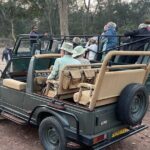
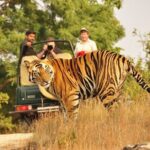
This tour is a canter safari experience, and that choice matters. In general terms, a canter can feel like a more comfortable, higher-capacity safari style than smaller rides—useful when you’re on a 3-hour schedule and you want to focus on viewing instead of bracing through every bump.
You’ll also see pricing options for gypsy safari. Based on the rates provided:
- Canter safari: 2850/- INR per person for Indian guests, 4550/- INR for foreigners
- Gypsy safari: 3200/- INR per person for Indian guests, 5500/- INR for foreigners
- “Tatkal” options exist too, but the price levels are much higher
What I’d do with this information: don’t just pick the cheapest vehicle. Pick the one that matches how you handle uneven ground and how quickly you fatigue with movement. If you have back issues, heart problems, or anything that makes rough rides risky, you should follow the tour’s restriction guidance and skip this style.
What to pack and wear in Ranthambore heat
A lot of safari discomfort comes from basics you can control. For this outing, bring:
- Comfortable shoes (this is not a place for soft sneakers that slide)
- A hat and sunscreen
- Water
- Insect repellent
- Your camera
Wear comfortable and neutral-colored clothing to blend in with the surroundings. It helps you avoid unnecessary attention and it keeps you from feeling like you’re wearing your best city outfit into a dust-and-sun environment.
Rules to follow:
- No smoking
- No flash photography
Also keep noise low. Not because it’s polite on paper, but because it can affect animal behavior and your ability to see what’s going on calmly.
Price and value: what you should confirm before paying
The headline price can look tempting, but Ranthambore safari pricing often comes with different base charges and categories. The rates provided are in INR and vary by vehicle type and whether you’re an Indian or foreign guest.
Here are the key numbers for context:
- Canter safari: 2850/- INR (Indian) or 4550/- INR (foreigner)
- Gypsy safari: 3200/- INR (Indian) or 5500/- INR (foreigner)
- “Tatkal” options: significantly higher for both vehicle types
What’s included (this is the part that affects value):
- On-road hotel pickup and drop
- Guide fee
- Driver
- Boarding pass
- The guided safari itself
So here’s the value question I’d ask before you book: are you paying for just the vehicle, or are you paying for the whole package (pickup, guide fee, and the boarding pass)? This activity states those pieces are included, which is why it can be worth it even when the fees aren’t “cheap.”
One more practical note: this safari runs on a fixed 3-hour window. If you’re paying for a tight schedule, you want the operator to be reliable. Given that booking reliability issues have been reported, I recommend confirming your pickup time and your guide/driver contact route ahead of the start.
Safety, quiet viewing, and safari etiquette that helps you see
This isn’t a theme park. You’re in a wildlife environment, and the guide’s instructions are your best safety net. The experience notes that you should follow the guide at all times for safety, and you should keep noise levels to a minimum to avoid scaring animals.
From a viewer perspective, quiet etiquette also helps you spot wildlife. If the group is loud, you’ll miss subtle movement. If everyone is calm and focused, you’ll notice small changes sooner—like a bird lift-off, a deer stepping out of cover, or a sudden stillness that means something is nearby.
Health and suitability also matter. This experience isn’t suitable for:
- Children under 5
- Pregnant women
- People with back problems
- People with heart problems
If any of these apply, don’t “tough it out.” A safari vehicle ride plus long attention time can be more physically demanding than it sounds.
Should you book this Ranthambore guided canter safari?
If your top goal is a structured, guided 3-hour safari in Ranthambore—built around tigers, other mammals, and serious birding—this is a good fit. I’d book it if you’re comfortable with a short window and you want someone to help you scan efficiently once you’re in the park.
If you hate uncertainty around timing, this is where you need extra caution. There have been reports of safari runs not happening due to local provider issues like cancellations or guide no-shows. Before you commit, confirm the pickup details and the starting time, and make sure you have a reliable way to reach the operator close to departure.
Bottom line
Book this when you want a focused wildlife push and you’re okay with the reality that sightings are never guaranteed. Skip it (or choose a safer alternative) if you’re not willing to handle ride discomfort or you have health concerns listed by the tour.
FAQ
How long is the Ranthambore guided safari?
The duration is 3 hours.
Where does the safari start and end?
It starts at Ranthambore Circle and returns back to Ranthambore Circle.
Is hotel pickup and drop included?
Yes. The activity includes on-road hotel pickup and drop.
What languages is the live tour guide?
The live tour guide is available in English and Hindi.
What wildlife might I see on this safari?
You may see Royal Bengal tigers, leopards, spotted deer, sambar, wild boar, crocodiles, and over 270 species of birds.
What are the canter safari prices?
Canter safari is listed at 2850/- INR per person for Indian guests and 4550/- INR per person for foreigners.
What should I bring?
Bring comfortable shoes, a hat, a camera, sunscreen, water, and insect repellent.
What is not allowed during the safari?
Smoking is not allowed, and flash photography is not allowed.
When is the best time to visit Ranthambore for wildlife viewing?
The best time is October to April.
Is this safari suitable for young children or pregnancy?
It is not suitable for children under 5 years and not suitable for pregnant women. It is also not suitable for people with back problems or heart problems.