REVIEW · JAIPUR
Private Jaipur Agra Delhi Tours 04Night/05 Day WITH Accommodation
Book on Viator →Operated by 707 TOURS · Bookable on Viator
Pink city to marble wonder in five days.
This private Jaipur–Agra–Delhi route is interesting because it’s built as a tight, guided circuit with English-speaking guidance and an air-conditioned vehicle between stops, so you spend your energy on sights instead of logistics. I also like that the itinerary balances the big-ticket icons with stop-by-stop context, from Jaipur’s astronomical Jantar Mantar to Delhi’s Mughal-era landmarks. One thing to plan around: monument entrance fees are not included, so your real budget will depend on which tickets you choose (and how many rides you add).
You’ll get a “greatest hits” sweep, but it isn’t just march-through sightseeing. The tour includes 4-star hotel accommodation for 4 nights, breakfast, and skip-the-line entry where available—plus pickup and transfers timed to each city’s airport. A possible drawback is pacing: with long drives between cities, some days feel full, so you’ll want to keep your energy up and your expectations realistic.
In This Review
- Key Highlights You’ll Actually Notice
- Price and Logistics: What $549 Buys (and What It Doesn’t)
- Day 1 in Jaipur: Airport Pickup and a Softer Landing
- Day 2 in Jaipur: Amer Fort, Hawa Mahal, Jal Mahal, City Palace, Jantar Mantar
- Amer (Amber) Palace: Fort Views + Palace Power
- Hawa Mahal: The Facade That Teaches Jaipur’s Story
- Jal Mahal: A Palace on the Lake
- City Palace: Where Jaipur’s Royal Center Still Makes Sense
- Jantar Mantar: The UNESCO Site That’s Not What Most People Expect
- Day 3: Fatehpur Sikri as the Scenic Brain-Break on the Way to Agra
- Day 4 in Agra: Taj Mahal Time + Agra Fort for Perspective
- Taj Mahal: The Main Event (But Plan for Extra Entry Costs)
- Agra Fort: When You Want the Big-Picture History
- Day 5 in Delhi: Old Delhi Rickshaw, Parliament, Qutb Minar, Humayun’s Tomb, Lotus Temple
- Jama Masjid (Old Delhi): Start with a Big Mughal Landmark
- Rickshaw Ride in Old Delhi
- India Gate + Parliament House: New Delhi’s Ceremonial Axis
- Qutb Minar: UNESCO Vertical Drama
- Humayun’s Tomb: Mughal Memorial Mood
- Lotus Temple: A Modern Break in the Middle of Ancient
- Transfer to Delhi Airport
- Guides and Drivers: The Human Part That Makes This Tour Work
- What to Pack and How to Pace Yourself (So You Don’t Feel Rushed)
- Who This Tour Fits Best
- Should You Book This Jaipur–Agra–Delhi Private Tour?
- FAQ
- Is pickup included on arrival in Jaipur?
- What’s included in the tour price?
- Are monument entrance fees included?
- Is this tour private or shared?
- Do I get an airport transfer in Delhi at the end?
- How long is the tour?
- Does the itinerary include Jaipur, Agra, and Delhi?
- Is breakfast provided during the trip?
- Can I get a refund if I cancel?
Key Highlights You’ll Actually Notice
- Private group feel: only your group participates, so the guide can move at your pace
- Skip-the-line entry included: faster entry helps at major sites when timed right
- Strong guide focus: feedback highlights storytelling, patience, and great photo angles from guides like Dharmendra Singh, Nitin (Rocky), and Ali
- Driver reliability matters: names like Manick and Jeetu Singh show up in notes about punctual pickups and smooth drives
- Real variety across days: Jaipur forts and palaces, Fatehpur Sikri day trip, Agra’s Taj + fort, then Delhi’s Old Delhi to Qutb Minar and Humayun’s Tomb
- Hotel + breakfast are included: you’re not piecing lodging together yourself
Price and Logistics: What $549 Buys (and What It Doesn’t)
At $549 per person, this tour can feel like good value if you want a smooth Golden Triangle with less hassle. What you’re paying for is not just transportation—it’s the bundle of (1) an English-speaking approved guide, (2) AC vehicle, (3) 4-star lodging for 4 nights, (4) breakfast for 4 days, and (5) skip-the-line entry.
What’s not included is straightforward: monument entrance fees. That’s a big deal because in this itinerary you’re repeatedly hitting places that commonly charge separate tickets (Jaipur’s Amer Fort, Jantar Mantar, Agra’s Taj Mahal, Delhi’s Qutb Minar, and others). So you’ll want to budget extra on top of the tour price.
One more logistics point: it’s private, so you’re not sharing the car with strangers. That matters when the schedule is tight—your guide can handle photo stops and timing without negotiating with a large group.
You can also read our reviews of more private tours in Jaipur



Day 1 in Jaipur: Airport Pickup and a Softer Landing
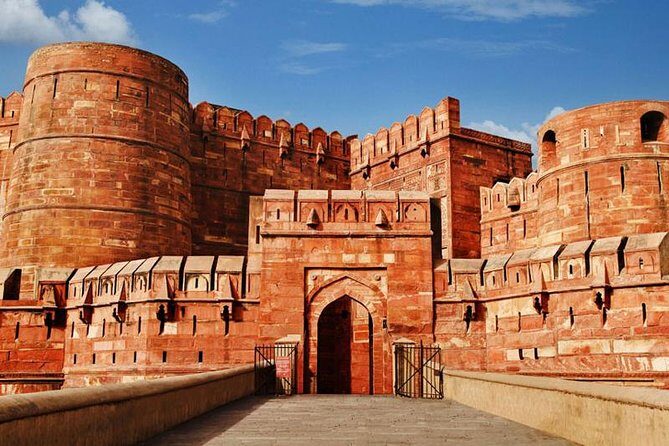
Your day starts with something simple but helpful: pickup on arrival at Jaipur International Airport and transfer to your hotel. That reduces the first-day stress of figuring out transport after a flight—especially when arrival times and local traffic don’t line up neatly.
There’s a built-in choice here: you don’t get an early “rush from the airport to the first monument.” Instead, you’re set up to settle in, check in, and get ready for a full second day of Jaipur sightseeing.
Day 2 in Jaipur: Amer Fort, Hawa Mahal, Jal Mahal, City Palace, Jantar Mantar
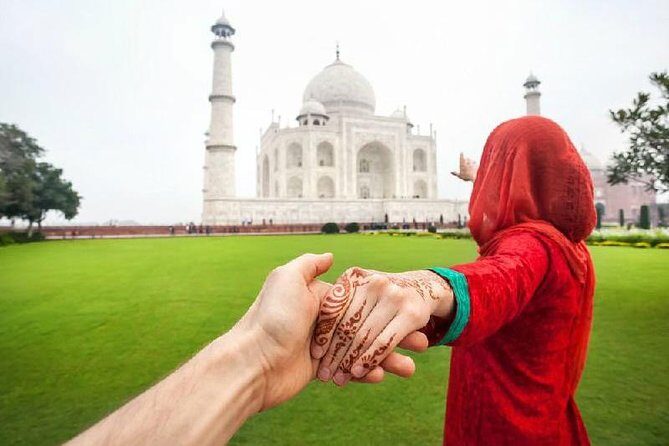
This is the kind of day that makes Jaipur click. You get multiple “icon layers” in a single loop: fort architecture, palace facades, lake scenery, the royal center, and then a UNESCO listed astronomical site.
Amer (Amber) Palace: Fort Views + Palace Power
Amer Fort (2 hours, ticket not included) is the anchor. It’s located about 11 km from Jaipur and sits high on a hill, which means your first real look at the site has built-in drama. This stop works because the fort isn’t only about a single photo—it’s about scale, layout, and the sense of how the rulers controlled visibility and movement.
Practical note: since the admission isn’t included, you’ll want your ticket plan ready before you arrive at the gate. The good news is the tour includes skip-the-line entry, which can help with queue time.
Hawa Mahal: The Facade That Teaches Jaipur’s Story
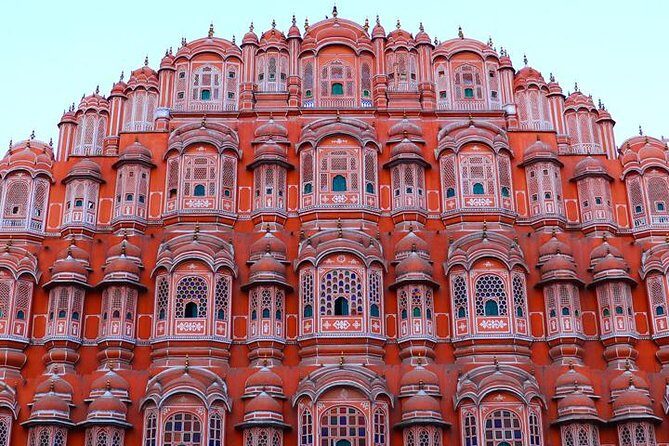
Next comes Hawa Mahal (about 1 hour). This palace of wind is famous for its red and pink sandstone and the way the structure runs along the edge of the City Palace area. It was built in 1799 by Maharaja Sawai Pratap Singh, and it also ties into the idea of the zenana—women’s chambers—so it’s more than just a pretty wall.
If you enjoy architecture details, this is a strong stop. If you hate tight sightseeing timing, try to take your photos early and then slow down for the explanations.




Jal Mahal: A Palace on the Lake
Then you’ll see Jal Mahal (about 30 minutes). The palace sits in the middle of Man Sagar Lake. The time window here is short, but the payoff is that it breaks the “sandstone all day” feeling and gives you a scene that looks different depending on light and water levels.
This stop is ideal if you like those “changing view” moments: even a quick pause can feel worth it because it’s visually distinct.
City Palace: Where Jaipur’s Royal Center Still Makes Sense
The City Palace of Jaipur (about 1 hour) is where the royal story becomes more coherent. It was established when the court moved to Jaipur from Amber in 1727. That context matters: you’re not just scanning buildings; you’re watching how power shifted geographically.
Tickets aren’t included here either, but skip-the-line helps you keep moving.
Jantar Mantar: The UNESCO Site That’s Not What Most People Expect
Finally, Jantar Mantar (about 1 hour) is the wild card—in a good way. It’s a collection of nineteen architectural astronomical instruments built by Sawai Jai Singh II and completed in 1734. It also includes the world’s largest stone sundial and is a UNESCO World Heritage site.
If you’ve only ever seen “fancy monuments,” this is your reality check: Jaipur isn’t just palaces and fort walls; it’s also science-minded design.
Day 3: Fatehpur Sikri as the Scenic Brain-Break on the Way to Agra
Day 3 is built around a long but worthwhile travel day. You check out Jaipur and drive to Agra, stopping at Fatehpur Sikri along the way.
Fatehpur Sikri gets about 5 hours and has ticket-free time (admission marked free). That’s a gift because it lets you wander longer without feeling like you’re in a rush to buy another ticket before you’ve even found parking.
The red sandstone buildings around the center are the visual theme. You’ll pass key landmarks such as:
- Buland Darwaza, the grand entrance to Jama Masjid
- The marble Tomb of Salim Chishti nearby
- Diwan-E-Khas, including the carved central pillar
- Jodha Bai’s Palace, blending Hindu and Mughal styles
- Panch Mahal, a five-story structure overlooking the site
This stop is valuable because it breaks up the Golden Triangle story. Instead of jumping straight from Jaipur’s architecture to Agra’s Taj obsession, you get Mughal-era depth that helps the rest of the trip click.
Day 4 in Agra: Taj Mahal Time + Agra Fort for Perspective
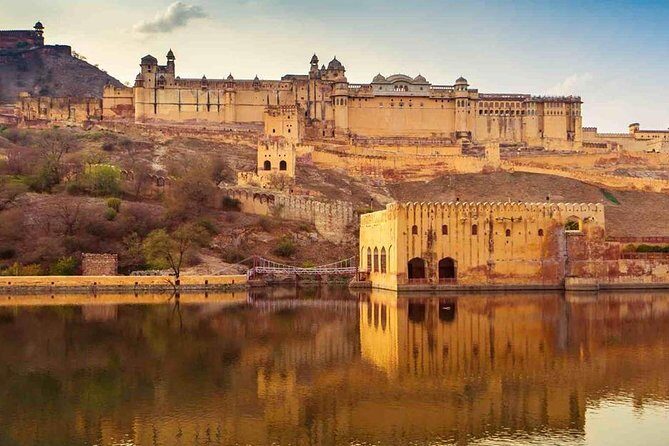
Agra is all about contrast: romantic marble on one side, hardened fortifications on the other.
Taj Mahal: The Main Event (But Plan for Extra Entry Costs)
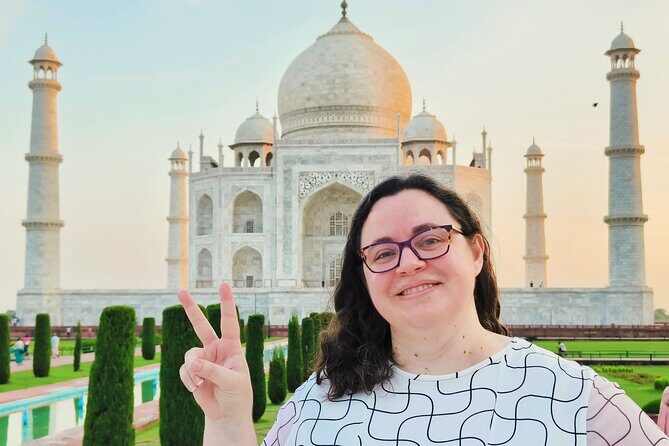
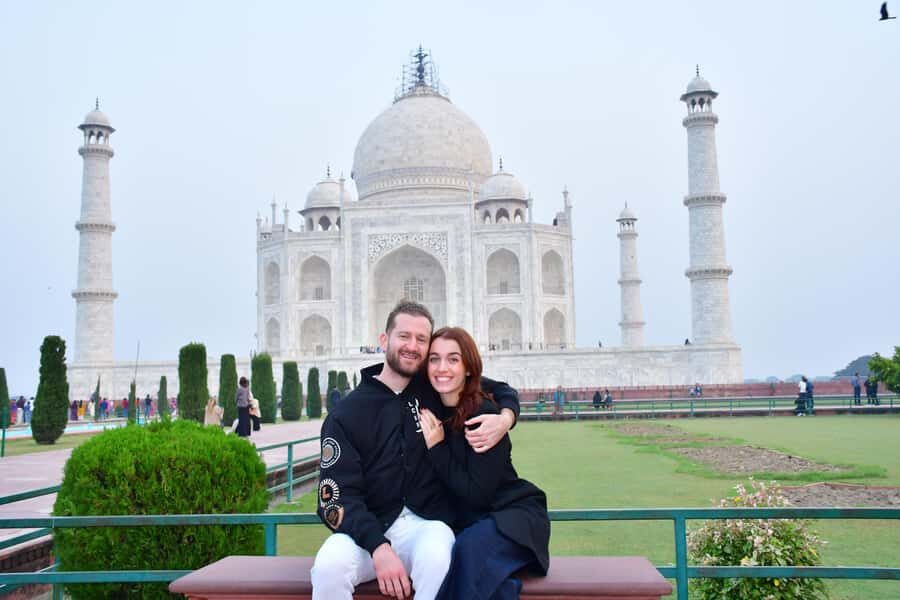
You’ll visit the Taj Mahal for about 2 hours. Tickets aren’t included. The Taj Mahal was commissioned in 1632 by Emperor Shah Jahan to house Mumtaz Mahal, and it also contains Shah Jahan’s tomb.
Here’s how to make this visit feel more meaningful: don’t just frame the postcard angles. Use your guide’s narration to connect the building to its era and symbolism. Many guides in feedback—like Dharmendra Singh and Ali—were praised for explaining the history in a way that makes the marble feel less abstract and more human.
Agra Fort: When You Want the Big-Picture History
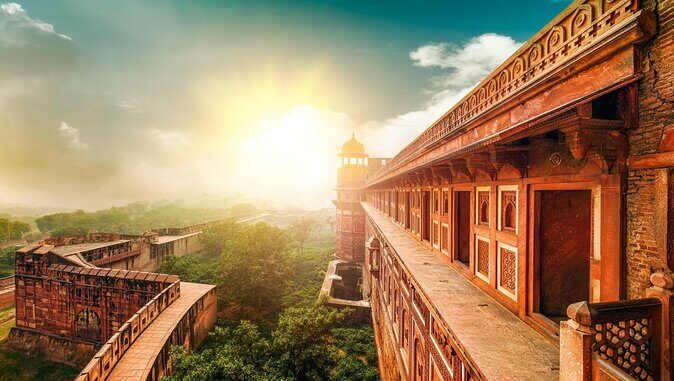
After the Taj, you’ll shift to Agra Fort (about 1 hour, tickets not included). It was a main residence for Mughal emperors until 1638, when the capital moved to Delhi. Before British control, the last Indian rulers to occupy it were the Marathas.
This stop matters because it gives you a sense of power logistics. The Taj is emotional. The fort is practical: walls, administration, defense, residence. Together, they make Agra feel complete.
Day 5 in Delhi: Old Delhi Rickshaw, Parliament, Qutb Minar, Humayun’s Tomb, Lotus Temple
Delhi day is where variety pays off. You go from Old Delhi street energy to New Delhi’s monumental axis style, then back to another UNESCO-linked site.
Jama Masjid (Old Delhi): Start with a Big Mughal Landmark
You’ll see Jama Masjid of Delhi (also referred to as Masjid-e-Jahan Numa). Construction happened under Shah Jahan between 1650 and 1656. There’s a lot to absorb here: scale, courtyard design, and the sense of a city gathering around religious architecture.
Rickshaw Ride in Old Delhi
Then comes a 2-hour rickshaw ride in Old Delhi. This is the part of the day that can feel less like a checklist and more like actual street-level travel. Expect narrow lanes, quick transitions in scenery, and lots of photo chances.
Practical note: rickshaw time is included, but you’ll still want water and patience. This is one of those experiences where taking it slowly is how you get the best memories.
India Gate + Parliament House: New Delhi’s Ceremonial Axis
Next you’ll hit India Gate (about 30 minutes), a war memorial astride Rajpath. After that, Parliament House (Sansad Bhavan) for about 30 minutes. It was designed by British architects Edwin Lutyens and Herbert Baker and inaugurated in 1927.
These stops are short, but they work if you enjoy how a capital city represents itself through design and planning. Even if you don’t spend long inside, the exterior scale and placement help you understand Delhi’s layout.
Qutb Minar: UNESCO Vertical Drama
At Qutb Minar (about 1 hour), you’re looking at a 73-metre tapering minaret with five storeys as part of the Qutb complex (UNESCO World Heritage Site). This is one of the best “stand and stare” monuments on the route.
Tickets aren’t included, but skip-the-line entry is included—so you’re less likely to lose time at the gate.
Humayun’s Tomb: Mughal Memorial Mood
Then you’ll see Humayun’s Tomb (about 2 hours). It was commissioned in 1569–70 by Empress Bega Begum and designed by Persian architects. This stop is a good pacing reset after Qutb Minar’s vertical focus.
Lotus Temple: A Modern Break in the Middle of Ancient
Finally, you’ll end with Lotus Temple (about 1 hour). It’s a Bahá’í House of Worship known for its flowerlike shape and is open to all regardless of religion.
If your feet start feeling heavy, this last stop is a nice way to shift your attention from “history facts” to “space and calm.”
Transfer to Delhi Airport
After sightseeing, the tour finishes with transfer to Indira Gandhi International Airport.
Guides and Drivers: The Human Part That Makes This Tour Work
The tour includes an English-speaking approved guide, and the standout theme in feedback is how much the guide’s storytelling affects the experience. Names that come up often include:
- Dharmendra Singh for making Taj Mahal history feel clear, with patience and strong photo help
- Nitin (Rocky) for combining cultural narrative with historical facts at the Taj
- Ali for detailed Taj Mahal explanations and photography angles
- Yusuf in Jaipur for tailoring the tour to a guest’s needs, including arranging wheelchair support when someone had trouble walking or climbing
Drivers also earn credit. Manick and Jeetu Singh are repeatedly mentioned for punctual hotel pickups, smooth rides, and being willing to accommodate what guests asked for.
That matters because in India, the day can go either smoothly or chaotic depending on timing, street navigation, and communication. This tour’s value shows when the driver and guide keep things calm.
What to Pack and How to Pace Yourself (So You Don’t Feel Rushed)
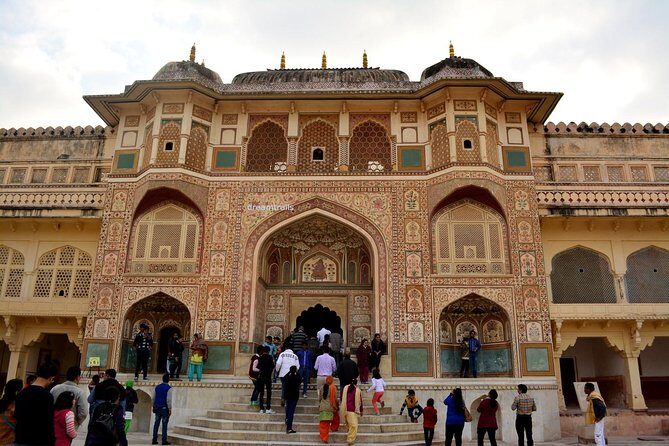
This itinerary is packed with major sights, so you’ll enjoy it more if you travel smart.
- Plan your extra ticket budget: monument entrance fees aren’t included for multiple stops (Amer Fort, Taj Mahal, Agra Fort, Qutb Minar, and more).
- Wear shoes you can handle: forts and tomb complexes often involve uneven surfaces and standing time.
- Bring a light layer: buildings open to sun and wind; temples and outdoor monuments can shift your comfort fast.
- Use the guide’s photo help: feedback repeatedly mentions guides taking photos and suggesting angles. If you want fewer photo regrets, ask early.
- Keep water and snacks simple: with long site days and intercity driving, having basic supplies prevents decision fatigue.
If you’re celebrating a milestone or want the trip to feel extra special, this is a good route for that—because the major sites are famous, but your guide can make them feel personal.
Who This Tour Fits Best
This tour is a strong fit if you:
- Want a private Golden Triangle with an AC car and an English-speaking guide
- Prefer “see the big icons with context” over independent planning
- Like photo-friendly stops, from Hawa Mahal’s facade to Taj Mahal’s angles and Old Delhi street time
- Value reliability—hotels, transfers, and timed entries matter on this kind of trip
It may not be ideal if you:
- Hate busy schedules and long road days
- Don’t want to deal with entrance fees on top of the tour price
- Prefer free-roaming at one city instead of moving every day
Should You Book This Jaipur–Agra–Delhi Private Tour?
I’d book this if you want the Golden Triangle done in a way that’s organized, guided, and built for time efficiency. At $549 per person, you’re getting a useful package: AC transport, a guide, 4-star lodging for 4 nights, breakfast, and skip-the-line entry.
Just go in with one clear expectation: entrance tickets are extra, and the days are full. If that works for you, this is a solid way to get Jaipur’s royal architecture, Agra’s marble obsession with perspective, and Delhi’s mix of Old Delhi streets and New Delhi monuments—without having to stitch it together yourself.
FAQ
Is pickup included on arrival in Jaipur?
Yes. You’ll get pickup on arrival at Jaipur International Airport and then transfer to your hotel.
What’s included in the tour price?
The tour includes an English-speaking approved guide, 4-star hotel accommodation for 4 nights (twin/double sharing), an air-conditioned vehicle, skip-the-line entry, and breakfast for 4 days.
Are monument entrance fees included?
No. Monument entrance fee is not included, even though skip-the-line entry is included.
Is this tour private or shared?
It’s a private tour/activity, so only your group participates.
Do I get an airport transfer in Delhi at the end?
Yes. After finishing sightseeing in Delhi, the tour includes transfer to Indira Gandhi International Airport.
How long is the tour?
It runs for about 5 days (4 nights of accommodation).
Does the itinerary include Jaipur, Agra, and Delhi?
Yes. The route covers Jaipur, Agra, and Delhi, with major stops in each city.
Is breakfast provided during the trip?
Yes. Breakfast is included for 4 days.
Can I get a refund if I cancel?
Yes. Cancellation is free up to 24 hours in advance of the experience start time for a full refund.