REVIEW · VARANASI
All Inclusive : Private Guided Tour of Varanasi and Sarnath
Book on GetYourGuide →Operated by Limra Holiday · Bookable on GetYourGuide
Varanasi by sunrise is unforgettable. This private, guided day pairs a hand-rowed boat on the Ganges with the deep-spiritual color of the Ganga Aarti, plus Sarnath’s core Buddhist sites in one smooth route. I especially like that your guide brings historical and religious context, so what you see at the ghats and temples makes sense fast.
One thing to plan for: the early start is real, and the boat ride can be noisy. A recent booking noted that hearing the guide on the water was a bit tricky due to the engine noise, so you may want to save your questions for when you’re off the boat.
In This Review
- Key points worth knowing
- Starting at 5:30 am: Varanasi by hand-rowed boat
- Ghat hopping: Manikarnika and Assi’s morning rhythm
- Kashi Vishwanath Temple: the big Shiva site on the Ganges bank
- Banaras Hindu University and the Birla Temple replica: modern Varanasi meets tradition
- Bharat Mata Mandir: India as a marble map
- Sarnath: where the Buddha’s first discourse began
- Dashashwamedh Ghat Ganga Aarti: dusk ritual on the river
- Price and value: does $31 buy a real day?
- What to expect day-of: timing, pace, and how to get the most
- Who this private tour suits best
- Should you book this Varanasi and Sarnath private tour?
- FAQ
- What time does the tour start?
- Where can you be picked up and dropped off?
- Is the boat ride included?
- How long is the tour?
- Which languages are available for the live guide?
- Is Sarnath’s museum always open?
- What’s not included in the price?
Key points worth knowing
- 5:30 am pickup keeps you ahead of the crowds and locks in the best light for the river
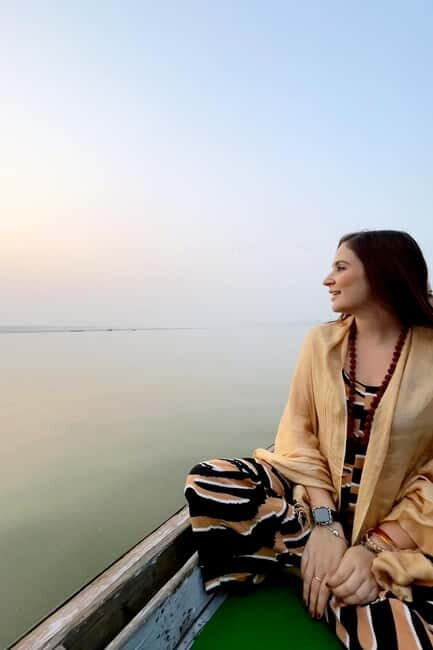
- Hand-rowed Ganges boat ride offers a close-up view of bathing ghats and cremation sites from the water
- Private live guide in multiple languages (English, Spanish, German, French, Russian, Japanese, Italian) helps you connect the dots
- Sarnath is the must-stop for the Buddha’s first sermon site, including the Dhamekh Stupa
- Evening Dashashwamedh Ghat Ganga Aarti adds a dusk ritual you can’t easily recreate on your own
- Food is not included, so you’ll need to budget for lunch and any extras
Starting at 5:30 am: Varanasi by hand-rowed boat
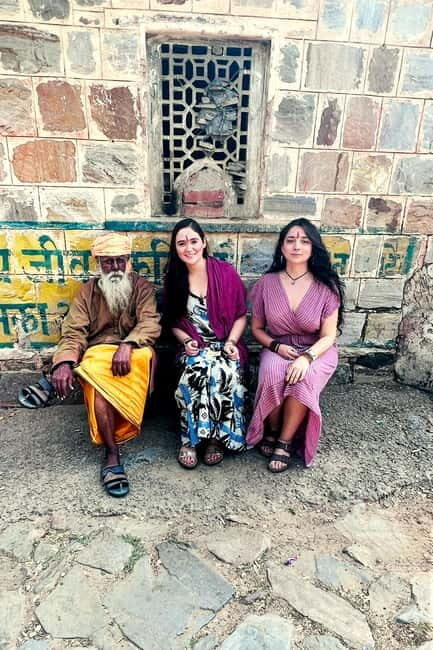
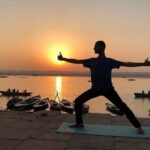
If you want Varanasi at its most alive, this tour starts at 5:30 am. You’ll be picked up from your chosen location in Varanasi (or even Sarnath/cantonment, depending on the option you select), then head to the river for a boat ride. The emphasis here is on being out early enough to see the ghats with softer light and calmer energy.
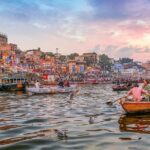
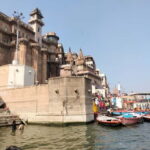
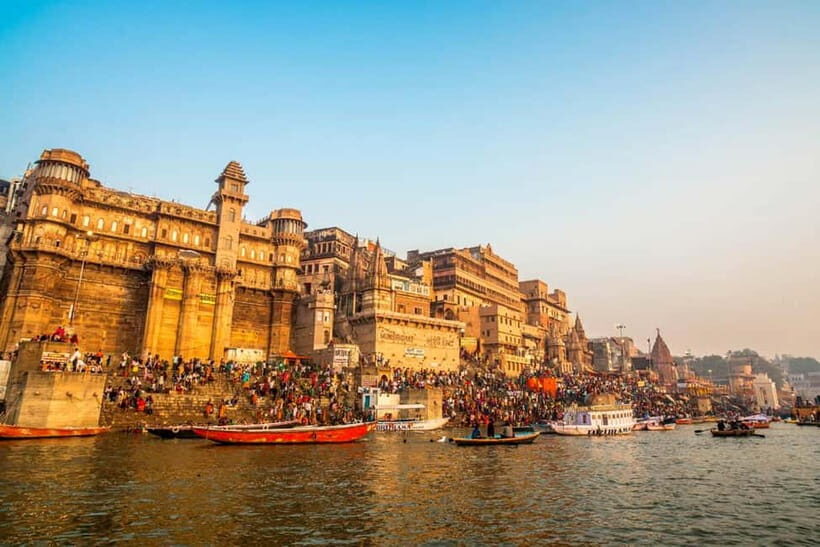
The boat portion is described as a hand-rowed trip on the Ganges, and it’s weather permitting (so the operator will only run it when conditions allow). From the water, you’ll see the bathing ghats and the cremation areas along the riverbank, with the broad river and opposite shoreline in view. It’s one of those experiences where you quickly understand why the Ganges is central to daily life—rituals, movement, and meaning all flow together.
Practical note: the boat engine noise can make conversation harder while you’re still on the water. Plan to take in what you can see, and ask your guide follow-up questions once you’re back on land or during slower moments when you can hear clearly.
You can also read our reviews of more guided tours in Varanasi
Ghat hopping: Manikarnika and Assi’s morning rhythm
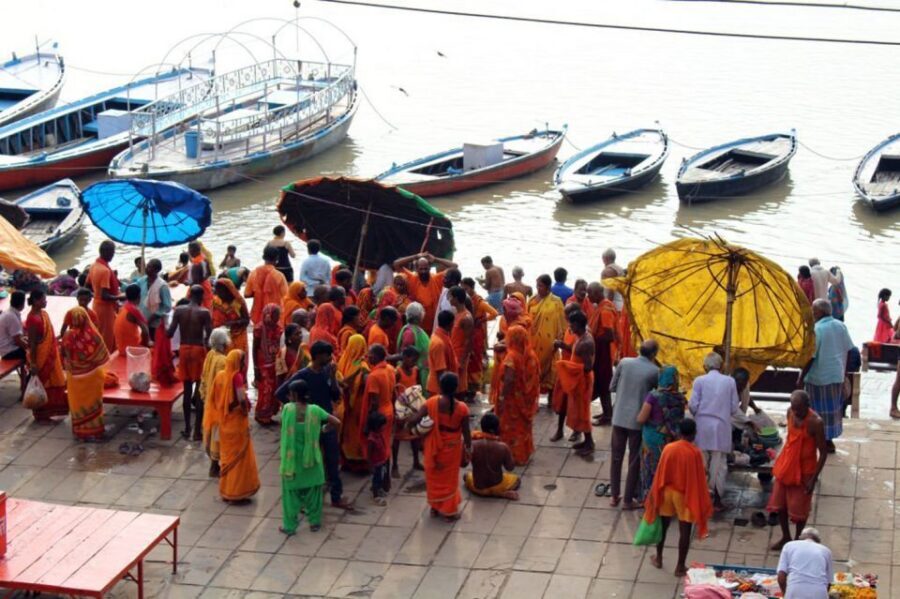
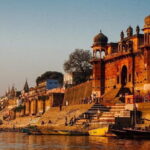
After the boat ride, the schedule shifts into short, high-impact stops along Varanasi’s river edge. You’ll make brief photo stops and guided visits around Manikarnika Ghat and Assi Ghat. These are not just scenic pit stops—they’re key places where you can witness how the city uses the river as a stage for daily devotion and major life events.
Manikarnika Ghat is particularly associated with funeral rites, so expect a solemn atmosphere even in the morning. Assi Ghat, on the other hand, is known for everyday river activity—so you get a contrast in mood and purpose within minutes. Seeing both in the same day helps you understand Varanasi as more than a postcard: it’s a working spiritual system that keeps going.
Time-wise, these segments are short (the itinerary lists very brief windows), which is a smart way to manage a long day. The tradeoff is you won’t linger for long conversations with locals or for slow wandering at each ghat—your guide is keeping the momentum so you can still reach the major temples and Sarnath in time.
Kashi Vishwanath Temple: the big Shiva site on the Ganges bank
Next up is Shri Kashi Vishwanath Temple, one of Varanasi’s most important Hindu temples. This is dedicated to Vishveswara—Shiva as lord of the universe—and the temple is one of the twelve Jyotirlingas, which is why it draws pilgrims. With a private guide, you’re not just walking through crowds; you’re getting the meaning behind what you’re seeing.
Since the temple sits on the western bank of the Ganges, you also get a clear sense of the river-temple relationship. Your guided time here is designed to balance photo moments with actual understanding of the site. If you’re visiting for the religious significance, this is the stop that makes the rest of the day click.
A practical consideration: temple spaces can feel crowded and active, and you’ll want comfortable shoes. Also, plan for a lot of looking upward, moving with the flow, and keeping your body ready for short waits.
Banaras Hindu University and the Birla Temple replica: modern Varanasi meets tradition
After the main temple, you’ll head to Banaras Hindu University (BHU), founded in 1916. This stop is not just academic. It’s a window into how Varanasi and modern institutions coexist, and it gives you a break from nonstop sacred-site intensity.
The tour includes a campus visit and time to see key places like Bharat Kala Bhavan museum and the newer Vishwanath Temple, sometimes referred to as the Birla Temple. The newer temple is described as an exact replica of the original Vishwanath Temple, which is a fascinating idea to think about while you’re in Varanasi. It’s like seeing devotion translated into a different space and era—still rooted in the same iconography, but housed in a university setting.
This segment can be surprisingly restful because BHU has more room to breathe than the densest parts of old Varanasi. It’s also helpful if you want variety: a temple pilgrimage paired with a museum and campus walk makes the day feel less one-note.
Bharat Mata Mandir: India as a marble map
Bharat Mata Mandir is dedicated to the goddess representing all the goddesses in Indian culture. Instead of traditional statue-focused worship, this temple features a huge map of undivided India carved in marble. Even if you don’t know the symbolism before you arrive, seeing the map format helps you connect the idea of devotion to national identity in a visual way.
The tour gives you a short visit here, with photo stops and guiding. This is a good time to slow down and take in details, because the concept is different from the Shiva-focused sites you’ve been seeing. It’s also a reminder that spirituality in Varanasi can be expressed through many forms—religion, culture, and geography all tied together.
After Bharat Mata Mandir, you’ll learn about Varanasi silk weaving traditions. That’s a useful cultural add-on because it explains how the city’s sacred identity overlaps with everyday craft and commerce. Then lunch is on your own, so you can choose something nearby that fits your tastes and energy level.
You can also read our reviews of more private tours in Varanasi

Sarnath: where the Buddha’s first discourse began
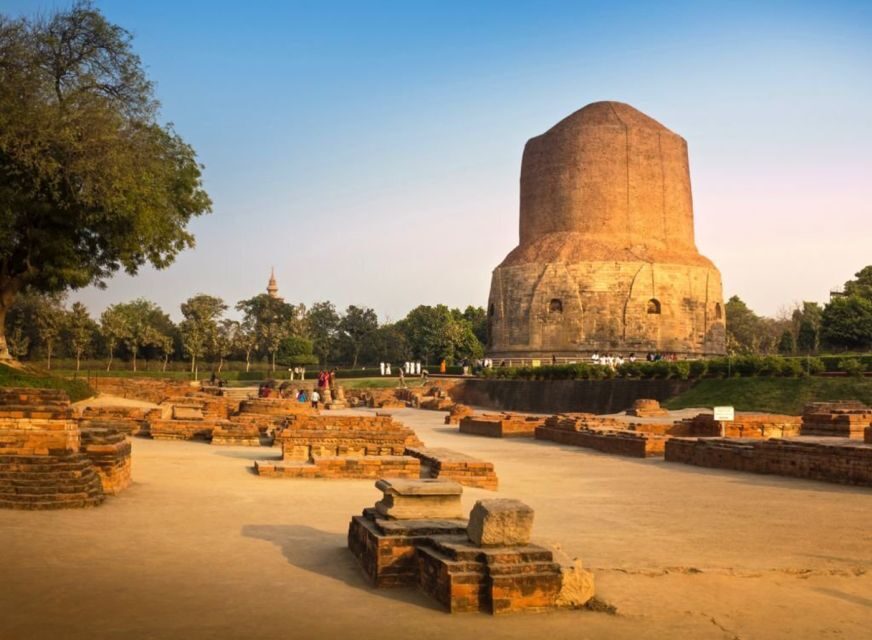
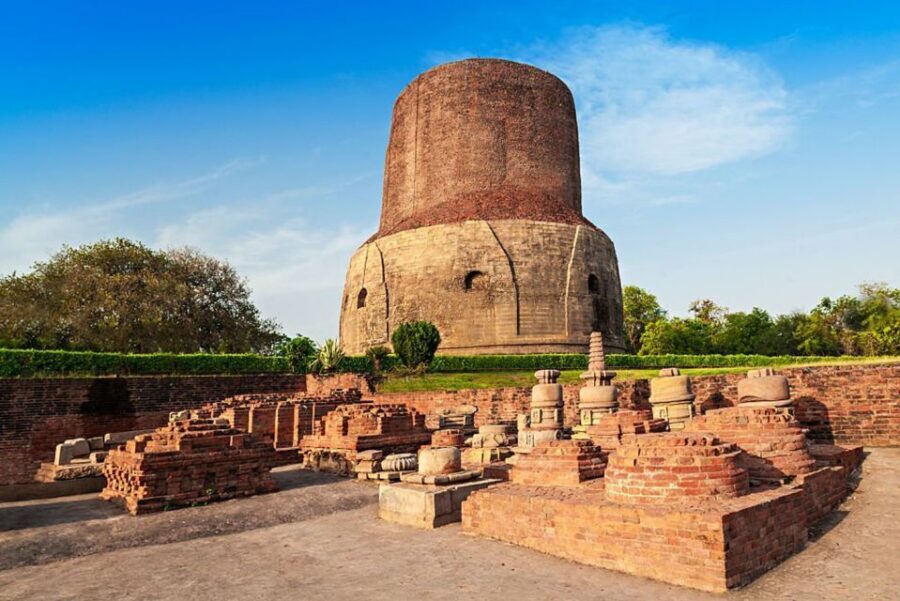
Sarnath is the reason this tour feels complete. After Enlightenment at Bodh Gaya, it’s here that Lord Buddha preached his first sermon—often described as Maha Dharm Chakra Pravartan—and this site is treated as a major Buddhist pilgrimage center. Your guided time focuses on the core structures and context so you can tell what matters and why.
You’ll visit the Dhamekh Stupa and several other structures that reflect the place’s importance in that era. The Dhamekh Stupa is the centerpiece you’ll want to clock from multiple angles, because the stupa complex is where the “why you’re here” becomes very tangible.
You’ll also visit the Archaeological Museum. It holds treasures dating back to the 3rd-century BC, but it’s closed Fridays. So if your dates land on a Friday, you may need to plan around skipping that portion or adjusting your expectations for what you can see.
Sarnath often feels quieter than Varanasi, even on busy days. That contrast is a feature, not a flaw. After hours of river devotion and dense temple activity, Sarnath gives your mind a different pace.
Dashashwamedh Ghat Ganga Aarti: dusk ritual on the river
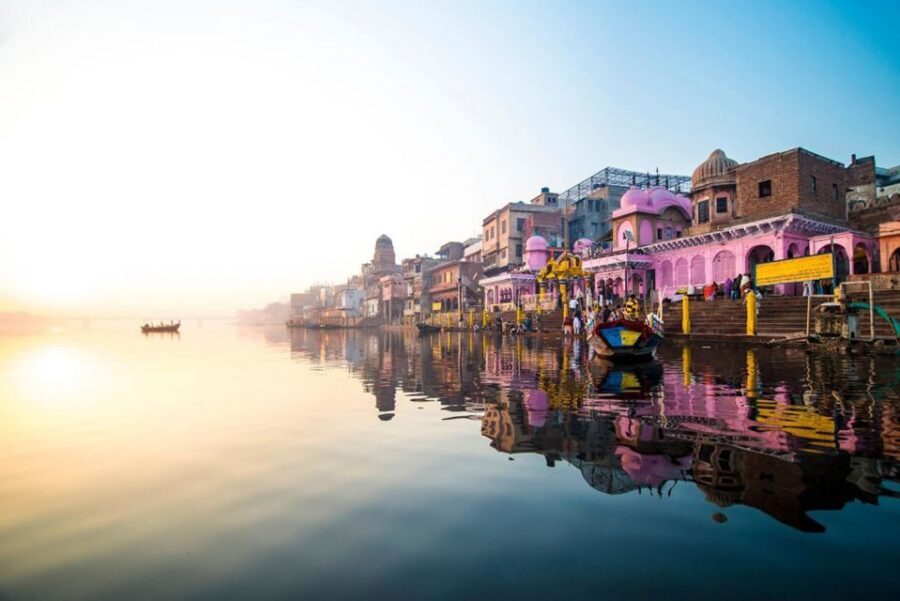
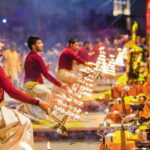
The day closes with the evening Ganga Aarti ceremony at Dashashwamedh Ghat. This devotional Hindu ritual is performed at dusk on the banks of the Ganges using fire as an offering to Maa Ganga, the goddess of the river.
The experience is described as intense and color-filled, and that matches what most people feel when they watch it in person: it’s not quiet, but it is focused. The guide’s job here is important—when you understand the sequence and symbolism, the ceremony stops being just beautiful movement and becomes something you can follow.
Because this is a timed ritual, the earlier parts of the schedule matter. The tour is built to get you through temples and Sarnath without missing the dusk atmosphere at the end. After the Aarti, you’ll return to your hotel or another chosen drop-off location in Varanasi.
One more practical thought: since you’re watching an outdoor ceremony, it helps to wear layers or clothing that you’re comfortable in for low-light conditions. The tour doesn’t mention weather gear, so your own common sense matters.
Price and value: does $31 buy a real day?
At around $31 per person for a 7-hour private guided tour, this is priced in the value category for Varanasi. The headline value isn’t just that it’s private. It’s that you get a full-day plan with transport, a guide, and key experiences clustered together: boat time, multiple religious sites, Sarnath, and the Aarti.
Here’s where the inclusions really help your wallet and your sanity:
- AC vehicle for the day means you’re not spending your trip energy fighting heat or weather.
- Pickup and drop-off at your chosen location (including airport/railway station/hotel) keeps logistics from eating your day.
- Private live guide reduces guesswork, especially in places where customs and meanings matter.
- Skipping the ticket line (when applicable) saves time at high-demand spots.
- Mineral water is provided.
What you still need to budget for:
- Food and drinks are not included, and lunch is specifically listed as own expense.
- Monuments entry fees are only included if you select that option.
- The morning boat ride is only included if you select the option and weather permits.
So, the real deal is this: you’re paying for a structured day with transport and a guide, not for meals or guaranteed add-on tickets. If you’re comfortable planning your own lunch and you confirm which optional inclusions you want, the price feels fair.
What to expect day-of: timing, pace, and how to get the most
This itinerary is designed to pack a lot in without turning it into a sprint with no meaning. You’ll start early, hit the river ghats and the main Shiva temple, then continue through BHU and Bharat Mata Mandir before switching from Hindu sites into Buddhist landmarks in Sarnath.
The stop lengths are generally short at several locations, which means you’ll get a good orientation but not a long slow wander. For me, that’s a positive as long as you’re okay with guided “see and understand” rather than “stroll for hours.” If you want maximum free time, plan to add extra hours on your own before or after the tour.
You should also know the guide supports multiple languages: English plus Spanish, German, French, Russian, Japanese, and Italian. That can matter if you want more than basic explanations during temple visits and while moving between sites.
Finally, there are clear rules: alcohol and drugs are not allowed. And the tour is listed as not suitable for pregnant women. If either applies to you, consider a different format or a modified route.
Who this private tour suits best
This works especially well if you:
- want both Varanasi and Sarnath in one day without navigating on your own
- care about understanding religious meaning, not just taking photos
- prefer a private guide who can match the pace to your questions
- value convenient pickup and drop-off rather than figuring out local transport
It may feel like less of a fit if you:
- hate early starts and long days (this tour begins at 5:30 am)
- need long quiet time at each site rather than quick guided stops
- are sensitive to noise while on the boat (engine sound can interfere with hearing)
Should you book this Varanasi and Sarnath private tour?
I’d book it if your goal is a focused, guided best-of day: river sunrise, major temple highlights, a structured Sarnath visit, then the Ganga Aarti at dusk. The private guide and the transport help you spend your energy on what you came for, and the schedule is built to make both morning and evening moments happen.
I’d pause before booking if you’re planning around Friday for the Sarnath museum. Since the museum is closed Fridays, you might want to confirm what you’ll still see that day, because your time there would be more about the stupa and site structures than the museum objects.
If you want a smooth, meaningful day with minimal hassle, this is the kind of tour that saves time and gives you context along the way.
FAQ
What time does the tour start?
The itinerary starts with early pickup at 5:30 am from your hotel or other chosen location in Varanasi.
Where can you be picked up and dropped off?
Pickup and drop-off are available at your chosen location, including airport, hotel, and railway station. The tour also lists pickup options in Varanasi, Sarnath, and Varanasi cantonment, with drop-off in Varanasi cantonment, Sarnath, and Varanasi.
Is the boat ride included?
The boat ride in the morning is included only if you select the option, and it runs weather permitting.
How long is the tour?
The duration is listed as 7 hours.
Which languages are available for the live guide?
The live guide is available in English, Spanish, German, French, Russian, Japanese, and Italian.
Is Sarnath’s museum always open?
No. The archaeological museum at Sarnath is closed on Fridays.
What’s not included in the price?
Food and drinks are not included. Monuments entry fees are included only if you select that option.