REVIEW · GOA
Bake Bread With 80 Years Old Baker In Majorda
Book on Viator →Operated by Soul Travelling · Bookable on Viator
Bread-baking in Goa beats cooking class clichés.
This session puts you in a working Majorda bakery where you can shape poi/pao and smell the wood-fired oven doing its job, guided by Soul Travelling. It’s a hands-on food experience with local stories, plus a short stop that shows everyday Majorda life.
I like two things a lot: the small group size (max 10), which keeps questions easy and pace human, and the fact that it’s not just eating. You’re taught the Pao tradition and the Goan Poder idea, then you make bread yourself and finish with an Italian twist.
One thing to consider: this isn’t a walking trail. You’re asked to have your own vehicle because the experience visits two places, and if the bakery space gets tight, you may have some waiting time in the heat.
In This Review
- Key things you’ll notice right away
- Majorda bread making: why this is more than eating
- Where the experience starts: Da Tita by Magic Italy (2:00 pm)
- The real highlight: shaping poi/pao with an 80-year-old baker
- The wood-oven moment: when your bread comes out hot
- A quick local detour: visiting Majorda Railway Station
- The Italian twist: your panino made from poi
- What’s included (and what to plan for)
- Price and value: is $22.35 worth it?
- Guides and energy: Fenosha, Tavanya, Atul, Medore, Karan
- Best for who: bread lovers, culture hunters, and curious eaters
- Quick practical tips before you book
- Should you book Bake Bread With an 80-year-old Baker in Majorda?
- FAQ
- How long is the bread-making experience?
- Where does the experience start and end?
- What time does it begin?
- How many people are in the group?
- Is bottled water included?
- Can I cancel for a full refund?
Key things you’ll notice right away

- Meet at Da Tita by Magic Italy (2:00 pm) and head out from there with your guide
- Hands-on poi/pao shaping in a real working bakery, not a staged demo
- An 80-year-old baker’s craft front and center, with plenty of time to learn by watching
- Wood-oven baking with that steam-and-aroma moment when bread comes out hot
- A Majorda Railway Station stop that adds local texture beyond food
- Make a panino from your poi, with a fun Italian twist at the end
Majorda bread making: why this is more than eating
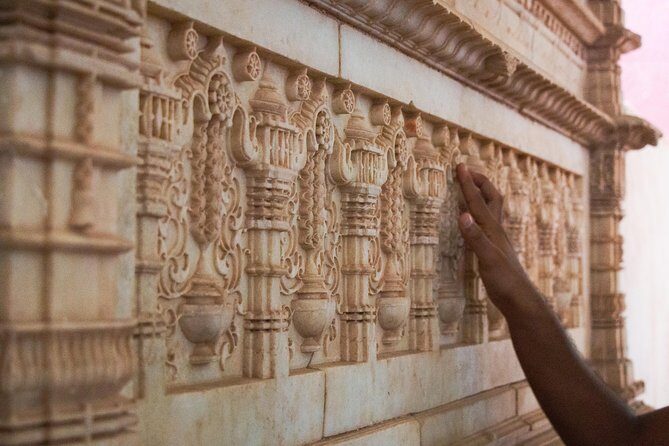
Goa has plenty of food tours. What I like here is the focus: you learn the bread process, then you participate. This is the kind of experience where the “chef” is doing the real work, and you get to follow along with flour on your hands and fire in the background.
The center of it all is poi/pao, a Goan bread tradition tied to Portuguese influence. You get the origin story, but more importantly you get why people keep doing it the same way: skill passed down, dough behavior you can feel, and timing shaped by heat.
This also feels more local than many “experiences” because it’s tied to everyday routines: a bakery that’s already in motion, and a short visit to Majorda Railway Station that breaks up the food focus with real surroundings.
You can also read our reviews of more tours and experiences in Goa.



Where the experience starts: Da Tita by Magic Italy (2:00 pm)
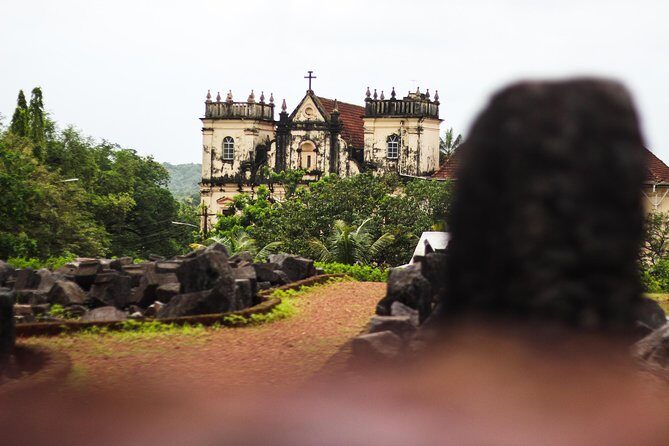
The meeting point is Da Tita by Magic Italy, Authentic Italian Restaurant & Pizzeria, in Calata, Girim, Goa. The start time is 2:00 pm, and the experience ends back at the same meeting spot.
Why that matters: starting in the early afternoon helps you avoid the harshest late-day sun, but it doesn’t eliminate heat. Expect warm weather conditions, especially when you’re close to where bread is handled or ovens are active.
Also, bring a bit of patience for transitions. Since this is not a walking trail, you’ll move between two places by vehicle, and you’ll likely spend time regrouping and getting everyone ready for the next step.
The real highlight: shaping poi/pao with an 80-year-old baker
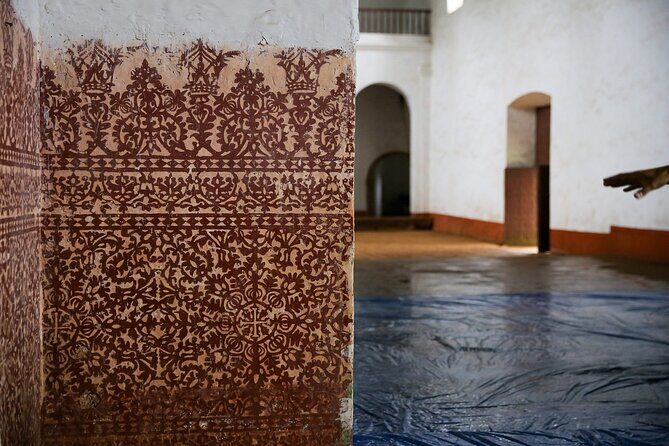
The core part happens in a traditional mud bakery in Majorda. You’ll walk into a rustic setup where bread baking is already underway, and you’ll see how poi making fits into daily life.
You should expect a proper hands-on session. You’ll learn the concept of baking bread and the importance of Goan Poder, then you’ll get hands-on with poi. That Goan Poder idea is explained as a practical part of baking, not just a romantic phrase. It’s about what the heat and process require, and why timing matters.
Then comes the part that makes this experience memorable: you watch the baking of poi in the traditional oven. The wood-fired element is a big deal here. The smell of burning wood and hot bread is immediate, and when the dough starts to transform, you’ll understand why locals trust this method.
Some people like this best because the baker’s age isn’t just a trivia hook. An 80-year-old baker working at craft level means you get “how” and “why,” not just steps. Even if you’re not a confident cook, you can learn by watching the motions and the rhythm.
The wood-oven moment: when your bread comes out hot
A big chunk of the value is sensory. You’ll see steam rise when bread is baked, and you’ll break into fresh bread while it’s still hot.
From the way the bread session is described, the experience leans into that classic Goan texture: a soft, spongy center and an overall aroma that feels like a bakery should. You’re not just watching a demo. You’re part of the process, so when bread comes out, it feels earned.
One practical note: baking means heat. If you’re sensitive to warm indoor air and crowded spaces, plan for it. There’s a chance that the bakery area may not fit everyone at once, and then you might spend a little time waiting while the group rotates through tasks or space clears.
A quick local detour: visiting Majorda Railway Station
After the main bakery work, there’s a stop at the local Majorda Railway Station. This isn’t just a random photo break. It’s a chance to step out of “tour mode” and see daily movement in the area.
Why I think this helps: bread-making can become a full sensory bubble. A short local detour resets you and gives context. You get to feel how this food sits inside real life, not on a stage.


The Italian twist: your panino made from poi
The session ends with a fun finish. You’ll make your own panino from your poi, with a playful Italian twist.
This part matters even if you’re not a sandwich person. It’s a way to turn what you made into a meal you can imagine recreating later. You’re not leaving with only memories of dough handling. You’re leaving with an edible idea of how locals and outside influences can overlap in Goa.
And if you’ve ever worried that bread-making tours are just about watching someone else work, this twist helps keep it practical and personal.
What’s included (and what to plan for)
Here’s what comes with the experience:
- Snacks
- Guided tour
- Soul Travelling goodies
- First Aid / Medical kit
- All fees and taxes
- Mobile ticket
What’s not included:
- Bottled water
- Any extra camera charges (if applicable)
- Any meals/services not mentioned above
My advice: bring or buy water before you go into the busiest parts of the session. You’ll be close to heat and busy hands, and hydration is one of those boring needs that saves the day.
Also, since photography charges aren’t included, if you use gear beyond a phone camera, plan for possible extra fees. If you want to record video, it’s smart to ask the guide briefly before you start.
Price and value: is $22.35 worth it?
At $22.35 per person, this sits in the “good value” zone for a hands-on food experience in Goa. The math isn’t only about the snacks. It’s about what you get for that money:
- You learn the bread process, not just the backstory
- You interact with real local craft in a working bakery
- You spend time with an 80-year-old baker’s technique and stories
- You get multiple moments of payoff: mixing/handling, watching the wood-oven bake, then tasting fresh bread
There’s also a quality-of-experience factor: groups are small, and the format is built for a short, focused session rather than a long bus ride with scattered stops. If you want one practical “food skill” experience in Goa without spending a fortune, this price makes sense.
Guides and energy: Fenosha, Tavanya, Atul, Medore, Karan
The tone of the experience is affected by the guide. In the information you shared, several guide names pop up: Fenosha, Tavanya, Atul, Medore, and Karan.
What these names tell me, practically: this is handled like a real story-led activity, not a “follow me to the next place” shuffle. People describe the guides as helpful, high-energy, and fun. That matters when you’re learning a process, because good pacing keeps you from getting lost at the dough stage.
So if you’re the type who learns better through conversation, this setup should work well. If you’re shy, small-group size helps a lot.
Best for who: bread lovers, culture hunters, and curious eaters
This experience fits best if you want food that has a process behind it. You don’t need to be a “cook.” You just need curiosity and a willingness to get a little flour on your hands.
It’s especially good for:
- People who like local craft more than staged shows
- Anyone interested in how Portuguese influence mixed into Goan daily life
- Families and pairs who want an easy-to-fit half-day activity (about 3 hours 30 minutes)
If you’re sensitive to heat or cramped spaces, go in with realistic expectations. Some parts of the session are hands-on and close to active baking conditions, so comfort planning helps.
Quick practical tips before you book
- Bring a way to stay hydrated since bottled water isn’t included
- Wear clothes you don’t mind getting slightly messy (bread work gets hands busy)
- Plan for vehicle travel between stops, since it’s not a walk-it-all route
- Arrive a little early at Da Tita by Magic Italy so you’re not rushed into the first phase
Should you book Bake Bread With an 80-year-old Baker in Majorda?
If you want one Goa activity that feels real and hands-on, I think this is a strong choice. The main reason: you’re not only tasting bread. You’re learning how poi/pao is made, watching it bake in a traditional wood oven, and finishing with a meal concept you helped create.
Book it if you like craft, process, and small-group attention. Skip it or go cautiously if heat or tight spaces bother you, since the bakery area may have limited room and a group rotation can create some waiting time.
If you’re building a Goa trip around food that connects to everyday life, this is the kind of half-day experience that gives you something to remember long after the bread is gone.
FAQ
How long is the bread-making experience?
The duration is about 3 hours 30 minutes.
Where does the experience start and end?
It starts at Da Tita by Magic Italy, Authentic Italian Restaurant & Pizzeria (Calata, Girim, Goa) and ends back at the same meeting point.
What time does it begin?
It starts at 2:00 pm.
How many people are in the group?
The activity has a maximum of 10 travelers.
Is bottled water included?
No, bottled water is not included.
Can I cancel for a full refund?
Yes, you can cancel for a full refund if you cancel at least 24 hours before the experience starts. If you cancel less than 24 hours before, the amount paid isn’t refunded.