REVIEW · NEW DELHI
3 Days Golden Triangle India Tour Delhi – Agra Jaipur
Book on Viator →Operated by Baba private tour · Bookable on Viator
Golden Triangle gets crowded fast, so I like this plan because it stays private. You get a private vehicle and guide each day, which means you can move at a human pace instead of herding through the same photo stops with a big group. I also like that the most famous stop, the Taj Mahal, is handled with early pickup and included admission, then you roll right into Agra Fort without wasting time.
One thing to consider: it’s a tight 3-day loop. You’ll spend long stretches traveling between Delhi, Agra, and Jaipur, and the third day is mainly for the return drive rather than extra sightseeing in Delhi.
In This Review
- Key Highlights Worth Paying Attention To
- Why This 3-Day Golden Triangle Plan Feels Better Than the Usual Herd
- Price and Value: What $136 Covers (and Why It Can Be a Smart Deal)
- Day 1 in Agra: Taj Mahal First, Then Agra Fort Without the Shuffle
- What can feel like a drawback on Day 1
- Day 2 in Jaipur: Hawa Mahal’s Windows, Jal Mahal Photos, and City Palace
- Hawa Mahal: 950 windows and the power of design
- Jal Mahal: quick stop, great photos, simple pacing
- City Palace: where power, court, and city connect
- Day 2 drawback to consider
- Day 3: Back to Delhi With a Smooth Drop-Off
- The Guide and Driver Factor: Why Many People Rave About Pratap and Baba
- Practical Tips That Make the Golden Triangle Easier
- Who This Tour Suits Best
- Should You Book This Private Golden Triangle Tour or Keep Searching?
- FAQ
- What cities are included in this 3-day Golden Triangle tour?
- Is this tour private or shared with other groups?
- Do I get pickup and transportation included?
- Are entrance fees included for the main attractions?
- Is Taj Mahal admission included?
- Are hotels included in the price?
- How does free cancellation work?
Key Highlights Worth Paying Attention To
- Private guide + A/C car each day for calm, flexible pacing
- Taj Mahal early start with admission included and staff support on arrival
- Agra Fort included the same day, making Mughal-era sights efficient
- Hawa Mahal and City Palace combo in Jaipur, with classic photo opportunities
- Jal Mahal photo stop on Man Sagar Lake for a postcard-style break
- Hotel option for 2 nights if you want the logistics handled
Why This 3-Day Golden Triangle Plan Feels Better Than the Usual Herd
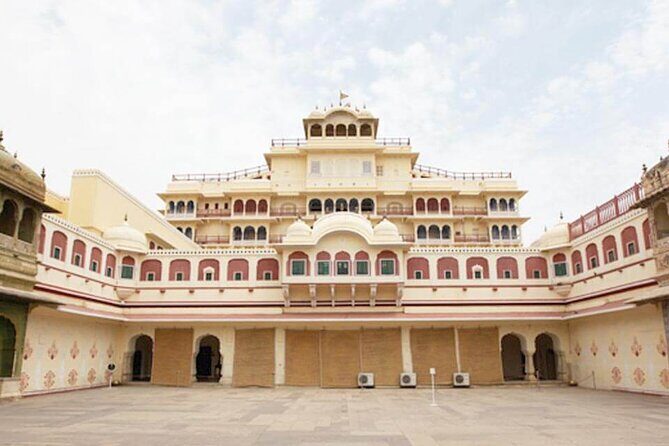
Golden Triangle is popular for a reason: Delhi’s modern pulse, Agra’s Mughal landmarks, and Jaipur’s Rajput-era palaces are all close enough to connect fast. The catch is that most tours flood the big sites at peak times. This one is built to help you avoid that by keeping everything private—just your group, not a crowd.
In practice, that private setup changes small things that matter. You’re not stuck waiting for stragglers. You’re not pushed to sprint. If you want to linger for better light at a monument, you can—without the awkward shuffle of a large group tour. It also helps that the guide can handle the flow of the day so you’re not figuring out timing, tickets, and routes while you’re tired.
A few more New Delhi tours and experiences worth a look



Price and Value: What $136 Covers (and Why It Can Be a Smart Deal)
At $136 per person for roughly 3 days, the value comes from what’s included rather than the sticker price. You get a private tour guide, a private A/C car, and entrance fees for the listed monuments. For many visitors, that’s the hidden cost people forget to add up—especially when you’re paying for guides, transfers, and individual tickets one by one.
The tour also offers optional 2 nights in a 3-star hotel, which can save time if you’d rather not research and book on your own. If you prefer to choose your own lodging, the tour still works—you can add hotel accommodations or keep it separate. Either way, you’re buying convenience plus local know-how, not just transportation.
One more detail that improves the trip flow: a mobile ticket is provided. That’s a small thing, but when you’re moving between multiple sites in three days, it helps the day feel smoother.
Day 1 in Agra: Taj Mahal First, Then Agra Fort Without the Shuffle
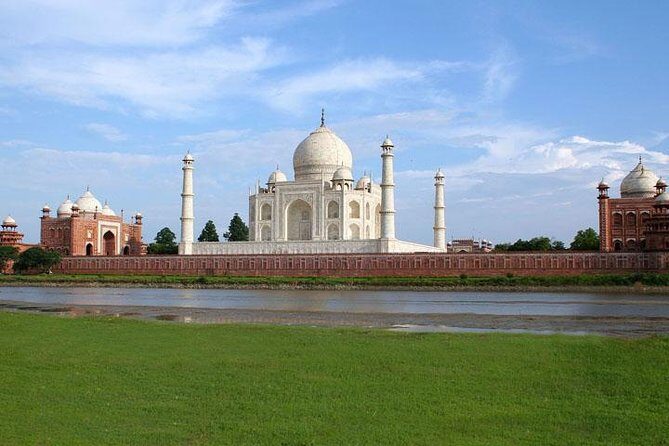
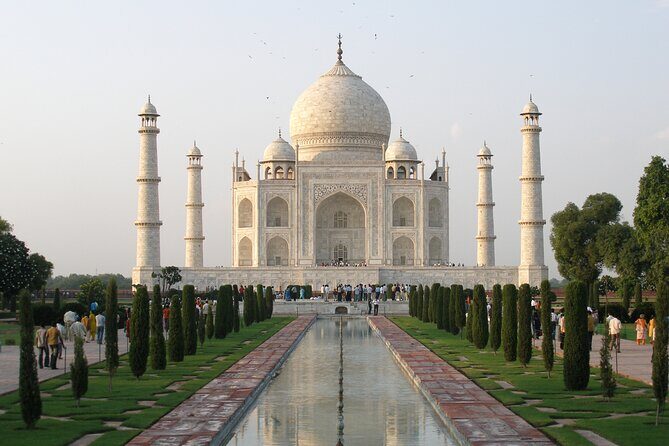
Your day starts early with pickup from your accommodation and a drive to Agra. When you arrive, a staff member welcomes you and accompanies you to the Taj Mahal. That matters because the Taj Mahal area can feel confusing if you’re trying to manage entrances, timing, and crowd flow on your own.
The Taj Mahal is described here as the most famous monument to love in the world, a UNESCO World Heritage Monument, and the admission ticket is included. Even if you’ve seen photos before, the early timing tends to help you experience the monument in a calmer rhythm. With a guide, you also get help spotting what to focus on—details you might miss when you’re just wandering.
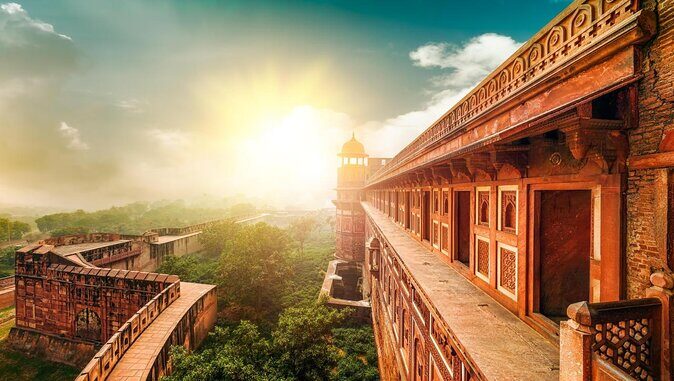
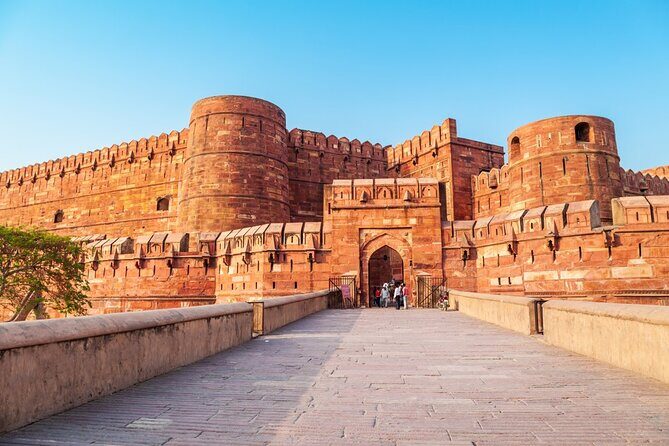
After roughly 2 hours, you move on to Agra Fort later the same day. Agra Fort isn’t just a backdrop; it’s a key Mughal-era power site. It served as the emperors’ primary home until the capital moved from Agra to Delhi in 1638. Later, the Marathas were the last Indian kings to rule it before the British took over.
That background gives the stonework context. Instead of viewing it as a generic fort, you start seeing layers of control and change. Admission is included here too, and the schedule keeps it realistic: 2 hours is enough time to appreciate the fort’s scale without feeling like you’re racing.
You’ll then check into your motel/hotel and sleep in Agra for the night. This is a smart structure for a short trip. It reduces backtracking and keeps your energy for Jaipur tomorrow.
What can feel like a drawback on Day 1
Early pickup can be demanding, especially if you’re not used to starting the day before you’re fully awake. If you’re sensitive to mornings, build in a simple plan the night before: pack essentials, keep water handy, and don’t rely on last-minute purchases.
Day 2 in Jaipur: Hawa Mahal’s Windows, Jal Mahal Photos, and City Palace
Day 2 is where Jaipur identity hits hard. You’ll focus on three major stops: Hawa Mahal, a photo stop at Jal Mahal, and City Palace.






Hawa Mahal: 950 windows and the power of design
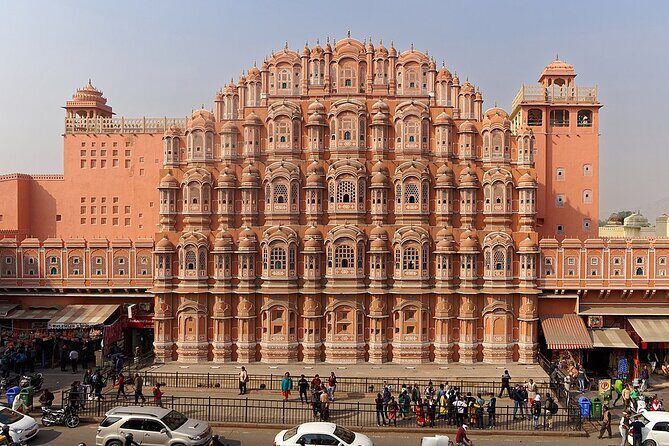
Hawa Mahal, or the Palace of Wind, is a five-story building with over 950 windows. It’s built with red and pink sandstone, and it extends toward the zenana, meaning the women’s rooms. One of the best parts of a guided stop like this is that you understand the why behind the architecture.
You also get the key origin detail: Maharaja Sawai Pratap Singh constructed it in 1799, and it sits on the periphery of Jaipur’s City Palace. That placement is important. It’s not an isolated landmark; it connects to the larger palace world you’ll see next.
Admission is included and you’ll spend about 2 hours. In that time, it’s realistic to walk, look for vantage points through the facade, and understand the building’s purpose beyond the headline number of windows.
Jal Mahal: quick stop, great photos, simple pacing
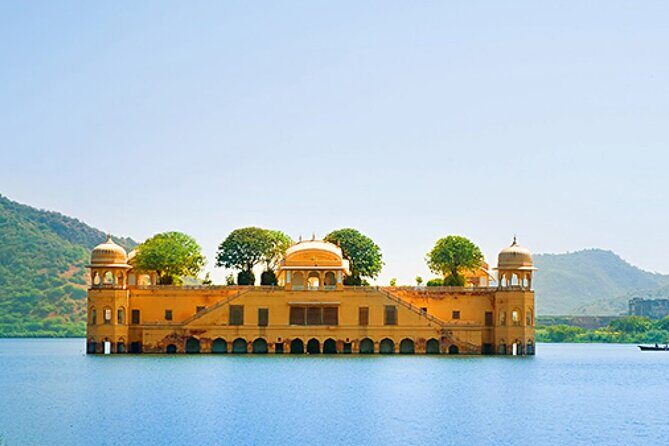
After Hawa Mahal, you’ll make a photo stop at Jal Mahal. The palace sits in the center of Man Sagar Lake in Jaipur. It’s described as being rebuilt and expanded by Maharaja Jai Singh II of Amber in the 18th century.
This is scheduled as a shorter visit (about 1 hour). That makes sense because Jal Mahal is about atmosphere and view rather than a full deep-visit. With a guide, the stop still feels purposeful—you’re not just snapping pictures and moving on blindly.
City Palace: where power, court, and city connect
Then comes City Palace of Jaipur, also about 1 hour. City Palace is tied directly to how Jaipur formed as a seat of power. Maharaja Sawai Jai Singh II moved the court to Jaipur from Amber in 1727, and the palace was founded around the same time.
If you want one day where Jaipur feels tangible—palace walls, design choices, and the sense of how the city was planned—City Palace gives you that grounding. With a guide, you’ll also get help understanding what you’re looking at quickly, which is a big deal when you’re only in town for a day.
After City Palace, you’ll check into your hotel and sleep in Jaipur overnight.
Day 2 drawback to consider
Jaipur’s highlights are visually dense. If you rush your own attention, it’s easy to feel like you’re collecting monuments instead of understanding them. The fix is simple: pick a couple of focus points and use your guide to interpret what you’re seeing rather than trying to absorb everything at once.
Day 3: Back to Delhi With a Smooth Drop-Off
The third day shifts from sightseeing to logistics. After breakfast, you drive to Delhi and then get dropped at either the airport or your hotel. The schedule notes about 5 hours for this transfer, and admission on this day is free since it’s a travel day.
This structure is practical for most itineraries. It avoids an extra half-day of stops that can turn stressful when you’re managing checkout, luggage, and changing plans. Instead, you get a clear end point to the trip.
If you’re the type who hates last-minute scrambling—where you’re trying to fit one more monument into your final hours—this return setup can be a relief. You’ll finish knowing exactly where you’ll land.
The Guide and Driver Factor: Why Many People Rave About Pratap and Baba
The best part of this tour, based on what’s consistently praised, isn’t just the monuments. It’s the human reliability behind them.
The guide named Pratap comes up again and again for being kind, professional, and flexible. People highlight his experience and the way he makes a trip feel stress-free, even when the day starts very early. There’s also praise for his English and his ability to explain what you’re seeing rather than just driving you from A to B.
The tour is offered by Baba private tour, and the feedback also leans heavily toward trust: drivers are described as reliable and safe. That’s not a small detail in India, where road conditions and traffic patterns can make visitors anxious. When your driver is confident and your guide is on top of the schedule, your day feels lighter.
Flexibility shows up as another big plus. The tour is private, so if you need to slow down, adjust timing, or make small changes for your group, the guide can adapt. And in the feedback, people mention stops they wouldn’t find on their own, which is exactly what a guide is for on a short schedule.
Practical Tips That Make the Golden Triangle Easier
Even on a well-run private tour, you’ll have a better time if you plan like a pro. Here are the practical moves that fit this specific schedule.
- Start mentally early. Day 1 includes early pickup for Taj Mahal. If you want good energy, sleep early and keep a light breakfast plan.
- Bring sunscreen and water. Jaipur and Agra can be bright, and you’ll be outside at key monuments during daytime hours.
- Wear shoes that handle walking. Forts and palace grounds are not just a quick glance. You’ll want comfortable footwear for uneven surfaces.
- Use your guide for context. Since you only have 3 days, the guide’s explanations help the sights connect. Ask simple questions like what to notice first, and you’ll get more out of each stop.
- Plan photos smart. Jal Mahal is a photo stop and Hawa Mahal is about visual lines and windows. Instead of taking random shots, ask where the best angles are so you don’t waste time.
Who This Tour Suits Best
This private Golden Triangle works especially well if you want the big names—Taj Mahal, Agra Fort, Hawa Mahal, City Palace—without the chaos that comes with busloads.
It’s also a solid choice for:
- First-timers who want help translating the sights into something meaningful
- Couples who want time to enjoy monuments instead of racing the itinerary
- Families who need flexibility (the feedback includes mentions of traveling with small kids, where pacing and comfort matter)
- Anyone who values safety and reliability in driving and scheduling
If you already know exactly what you want to see and love self-guided travel, you might not need a private guide. But if you want your days to feel organized, with included entrances and a driver handling the in-between, this format fits well.
Should You Book This Private Golden Triangle Tour or Keep Searching?
Book it if you want a low-stress Golden Triangle with private transport, a guide who can explain what you’re seeing, and entrance fees handled. The fact that you can also add 2 nights in a 3-star hotel makes it easier to commit without juggling everything at once.
Consider skipping or customizing if you know you need more time in Delhi. This itinerary is focused on Agra and Jaipur, and Day 3 is mainly a return drive with a drop-off at your airport or hotel. If you’re hoping for a full Delhi sightseeing day, you’ll want to extend your trip separately.
My practical take: if your priority is to see the headline sights with less hassle and more control over your pace, this tour’s structure makes sense.
FAQ
What cities are included in this 3-day Golden Triangle tour?
It covers New Delhi, Agra, and Jaipur.
Is this tour private or shared with other groups?
It is a private tour. Only your group participates.
Do I get pickup and transportation included?
Yes. Pickup from your accommodation is included, and you have a private A/C car for the tour.
Are entrance fees included for the main attractions?
Yes. Entrance fees are included for the stops listed on the itinerary, including the Taj Mahal and Agra Fort, as well as the Jaipur sights.
Is Taj Mahal admission included?
Yes. Admission ticket is included for the Taj Mahal.
Are hotels included in the price?
A 2-night stay in a 3-star hotel is optional.
How does free cancellation work?
You can cancel for a full refund up to 24 hours before the experience starts. If you cancel within 24 hours, there is no refund.