REVIEW · HIMACHAL PRADESH AND UTTARAKHAND
Himalayas Motorcycle Escapades
Book on Viator →Operated by Motorcycle Escapades · Bookable on Viator
Himalaya roads on a Royal Enfield. This is a 13-day, small-group motorcycle ride from Manali to Kashmir, built around high mountain passes, classic Ladakh monasteries, and long stretches of real road time. I like that you get the Royal Enfield 500cc (with fuel handled for you) plus an English-speaking guide and mechanic, so you can focus on riding instead of logistics. The only real caution: the schedule climbs high and long, so you should be ready for thin air, cold passes, and tiring days.
What makes this feel more like an organized adventure than a tourist loop is the support structure. You’re not solo-ing. There’s a support vehicle with a driver on riding days, plus motorcycle maintenance is baked in with the tour plan and costs. And even when the route gets intense, the itinerary keeps you moving with the right kind of breaks, including a full rest day in Leh for acclimatization and bike care.
In This Review
- Key Things I’d Bet On
- Royal Enfield 500cc and Fuel Included: What That Means for Your Day
- Start in Kullu Manali: Get Your Bearings Before the Big Climb
- Day 2 Around Naggar and Old Manali: A Gentle Welcome With Real Mountain Feel
- Rohtang Pass Day 3: First Major Altitude Test
- Baralacha La and Sarchu: The Long Hard Push Toward Ladakh
- Tanglang La Day 5: The Longest Ride, Built Around Big Passes
- Day 6 in Leh: Rest Day That Protects Your Trip
- Pangong Tso and Changthang Plateau: High Altitude Lake Day
- Nubra Valley via Shyok River: Cold Desert Riding and Camel Desert Time
- Khardung La and Leh Again: The Big Name Pass Experience
- Monasteries Around Leh: Thiksey, Hemis, and Shey Half-Day
- Kargil Stretch via Namik La and Fotu La: The Kashmir Approach Begins
- Zoji La to Srinagar: Final Pass and Lakefront Wind-Down
- Value and Price: Why This Costs $2,500 and Who It Helps
- The Crew and Communication Pattern: What the Feedback Signals
- Who Should Book This Himalaya Ride (and Who Should Think Twice)
- Should You Book Himalayas Motorcycle Escapades?
- FAQ
- What motorcycles are included, and is fuel part of the price?
- How big is the group?
- Where does the tour start, and what time is pickup?
- What are the accommodation and meal inclusions?
- Is there a day in Leh to rest and acclimatize?
- What permits are needed for the route?
- Do you get mechanic or support-vehicle help during the ride?
- What is not included in the tour price?
- What happens if the tour is canceled due to weather or low traveler numbers?
Key Things I’d Bet On
- Fuel is included with the Royal Enfield 500cc, so your biggest variable cost is removed.
- Small group size (max 10) means the pace and attention can stay personal on tough roads.
- Permits are handled for Rohtang pass and Ladakh Inner Line Permits.
- Mechanical support is part of the program, not an afterthought.
- You get a Leh rest day, which matters when you’re crossing multiple passes above 5,000m.
- Support vehicle follows riding days, giving you backup if conditions or bikes require it.
Royal Enfield 500cc and Fuel Included: What That Means for Your Day
This tour is built around one workhorse bike: a Royal Enfield 500cc, with fuel included and unlimited mileage. For me, that combo is huge. On long Himalayan days, you don’t want to pause your ride plan to figure out gas, fuel stops, or awkward cost surprises. It also makes the ride simpler to manage as a group—everyone has similar power and handling, which helps the guide keep rhythm on narrow sections and twisty climbs.
You’re not just receiving a bike and hoping for the best. The plan includes an English-speaking tour leader with a mechanic, plus motorcycle maintenance cost coverage during the tour. And there’s a support vehicle with a driver on all riding days, which matters because weather, road conditions, or mechanical issues can happen in high altitude settings.
One more subtle benefit: because your fuel and bike maintenance are taken care of, the tour can build days around altitude and road geometry rather than financial logistics. That’s why you see long ride blocks paired with specific high-pass crossings—and not a schedule that cuts early just to manage fuel.
You can also read our reviews of more tours and experiences in Himachal Pradesh and Uttarakhand.
Start in Kullu Manali: Get Your Bearings Before the Big Climb
You’re picked up from Kullu area (Kullu Airport is about 31 miles from Manali), and the start time is listed as 6:00 am from Bhuntar Airport, Kullu. Day 1 is intentionally gentle. You arrive, get checked into your hotel in Manali, and you get the rest of the day to settle in.
In practice, that first night is a big deal. Manali sits at about 2,050m, and your next days rise fast. If you start the ride without giving your body time to adapt, you feel it later. Here, the tour at least gives you breathing room—then you meet the crew in the evening, get a briefing, and handle dinner.
What I like is the clarity of roles right from the beginning. You’ll be introduced to the crew, and you can ask questions before the schedule starts stacking up passes.
Day 2 Around Naggar and Old Manali: A Gentle Welcome With Real Mountain Feel
Day 2 rides out toward Old Manali and the Naggar Castle area, then follows a smaller track to Jana Waterfall. This is about warming up. You’re introduced to the motorcycles and how the group rides together, and you get a route that’s interesting without being the most punishing altitude day.
This day also sets your riding expectations. You get a sense of how the guide handles timing—there’s lunch en route and you’re back early evening. That matters because your first true high pass is coming soon, and you’ll want to feel fresh rather than drained.
Also, Naggar Castle is the kind of stop that helps you remember you’re not only riding roads. You’re in Himachal Pradesh, with layered mountain culture and viewpoints that make the effort feel worth it.
Rohtang Pass Day 3: First Major Altitude Test
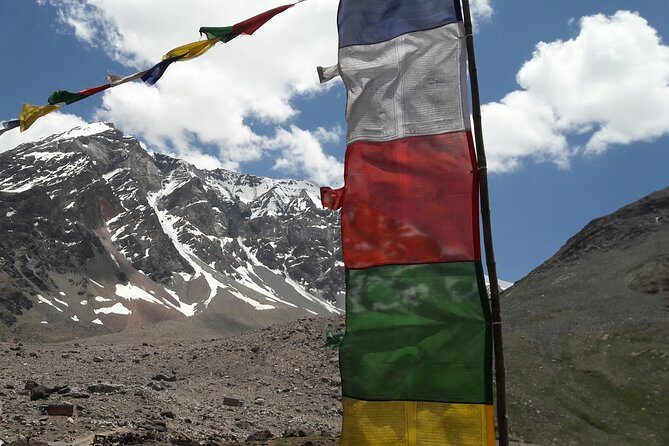
On Day 3, the tour goes from Manali toward Rohtang Pass, reaching about 3,978m. From there, you can look out over snow-capped ranges—this is the first time you really see what the rest of the route is building toward.
You then stay in Keylong (around 3,080m) for the night. Keylong is a practical base: it’s high enough to keep acclimatization on track, but not so extreme that you’re fighting for air immediately after leaving Manali.
The tradeoff is physical effort. Even if you’re an experienced rider, mountain altitude changes the whole experience. Your energy dips. Your hands feel it in cold sections. Your planning has to stay calm and methodical.
Baralacha La and Sarchu: The Long Hard Push Toward Ladakh
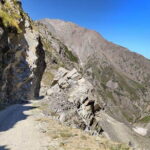
Day 4 pushes further with Baralacha La Pass at about 4,890m, then continues toward Sarchu (around 4,290m). The ride is scheduled around 8 hours, and you’re riding close to the Bhaga River for part of the route. That’s a key detail: river-adjacent roads can be beautiful, but they’re also where road surfaces can vary and where weather can swing quickly.
Baralacha La is described as one of the more difficult passes on the Manali–Leh highway. That’s what you should expect: wind, cold, and stretches that demand focus. If you’re not comfortable riding slower on uneven or high-altitude terrain, this is where you’ll feel it most.
Still, Sarchu is a smart stop. Staying at roughly 4,290m keeps you moving with acclimatization in mind, and it sets you up for the next big day toward Leh.
Tanglang La Day 5: The Longest Ride, Built Around Big Passes
Day 5 is the longest day, scheduled around 10 hours, and it’s the kind of day that makes or breaks the experience for some riders. After early breakfast in Sarchu, you start toward Leh, first crossing the Gata Loops (21 hairpin bends), then reaching Nakee La Pass at about 4,769m.
After lunch at Pang, the route continues toward Moore plains (about 4,000m), then you cross Tanglang La at around 5,328m. You should think of this as the tour’s high-point day—the altitude gets real, and the roads demand full attention.
By late evening, you reach Leh (around 3,500m). That’s an important contrast. You climb to extreme heights, then come down to a lower base where you can finally breathe a bit easier and reset.
If you want the practical takeaway: this is not a day for rushing. The guide’s job is keeping your group together, but your job is staying smooth and consistent with your body and bike handling.
Day 6 in Leh: Rest Day That Protects Your Trip
Day 6 is a full rest day in Leh for acclimatization and motorcycle maintenance. The tour also offers a market walk option at additional cost if you want it.
This day is a big value point. Many people underestimate how much a maintenance pause can matter. At high altitude, you want the bike checked, tires and systems cared for, and you want your body to adjust before heading deeper into Ladakh’s higher passes.
If you’re sensitive to altitude, this day will feel like a relief. If you’re not, it still helps your riding days ahead because the schedule continues with long road blocks afterward.
Pangong Tso and Changthang Plateau: High Altitude Lake Day
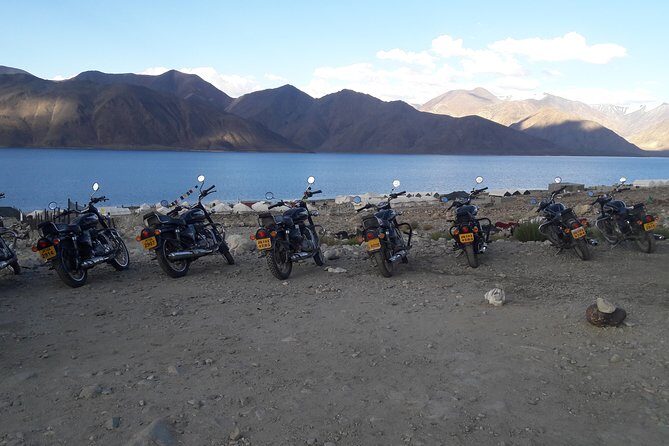
Day 7 moves from Leh toward the Changthang plateau and ends at Pangong Tso. You cross multiple checkposts where Inner Line Permits are handled as part of the process, then ascend Chang La Pass at about 5,360m.
After Chang La, you enter the Changthang Plateau and ride toward Pangong Tso at about 4,350m. The route length is long—scheduled around 8 hours—and the lake is described as 83 miles long, stretching toward the India–Tibet border.
You stay at Spangmik Village. I like this stop because it helps you experience Pangong Tso in the rhythm of the region, not only as a quick viewpoint. You get a base in the area, and you’re not forced to turn around the same day.
What to consider: cold and wind can be serious at these heights. Your riding comfort depends on how well you manage hands, layers, and staying focused in low-visibility weather.
Nubra Valley via Shyok River: Cold Desert Riding and Camel Desert Time
Day 8 shifts to Nubra Valley, described as the coldest desert in the Himalayan region. The ride runs through Shyok River via Durbuk, then includes off-road sections and multiple water crossings en route before reaching Hunder.
This is one of those days where the motorcycle choice and support system really matter. Off-road and water crossings are not theoretical in Ladakh; they are part of the terrain. Your guide’s job is choosing the line and keeping the group moving safely, while the support vehicle gives you a safety net on riding days.
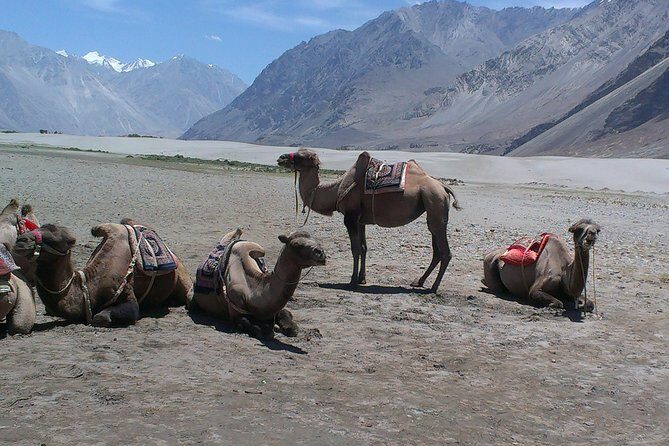
The day ends with a camel desert safari in the Hunder area to see the double-humped camels. Even if you’re not a wildlife person, it’s a very different scene from the stone-and-pass days. It also adds variety without pretending the day is easy.
Khardung La and Leh Again: The Big Name Pass Experience
Day 9 brings you back toward Leh, with Khardung La Pass at about 5,360m as a key highlight. The pass is described as historically important because it sits on an ancient caravan route from Central Asia.
By early evening, you reach Leh, and the day is lighter on sightseeing pressure—there’s time for shopping and walking.
For me, Khardung La works because it’s both a physical achievement and a cultural checkpoint. It’s not only a photo stop. It marks a moment where the route connects to the broader idea of how people moved across these mountains long before modern highways.
Monasteries Around Leh: Thiksey, Hemis, and Shey Half-Day
Day 10 is a half-day excursion around Leh, including Thiksey Monastery, Hemis Monastery, and Shey Palace. You’re back to Leh by noon, leaving the rest of the day open for shopping or just walking.
This is a smart structure after a long run of riding days. Ladakh’s monasteries aren’t a random add-on. They break up the itinerary with local architecture and spiritual life you can actually see with your own eyes.
Also, if you’re tired from cold riding, the monastery day is where you can sit, warm up, and still feel like the trip is moving forward.
Kargil Stretch via Namik La and Fotu La: The Kashmir Approach Begins
Day 11 leaves Leh and rides toward Kargil (about 135 miles, scheduled around 10 hours). The route crosses Namik La (around 3,700m) and Fotu La, described as the highest pass on the Srinagar–Leh highway at about 4,108m.
You also visit Lamayuru Monastery (Yuru Gompa) en route, then reach Kargil by evening.
This day matters because it’s where the tour starts transforming from Ladakh terrain into the Kashmir approach. If you’ve been living in high altitudes for days, the changing environment can feel like a mental reset, even when altitude is still present.
Zoji La to Srinagar: Final Pass and Lakefront Wind-Down
Day 12 heads from Kargil to Srinagar, crossing Zoji La Pass at about 3,528m. The pass is described as prominent on the Srinagar–Leh highway, connecting the Kashmir and Ladakh valleys, and it’s shut during winter.
By evening you reach Srinagar and can wind down in the lakefront city.
For me, the Srinagar finish makes sense. After days of mountain passes, you get a calmer end point. It helps you digest the ride rather than ending on another high-demand driving day.
Value and Price: Why This Costs $2,500 and Who It Helps
At $2,500 per person for about 13 days, the price sounds steep until you map what’s included. You’re getting:
- Royal Enfield 500cc motorcycles with fuel included
- Accommodation on twin or double sharing with all meals included (breakfast, lunch, dinner across the tour)
- English-speaking tour leader plus a mechanic, plus a support vehicle on riding days
- Permits for Rohtang pass and Ladakh Inner Line Permits
- Maintenance costs for the motorcycle during the tour
- Government fees for sightseeing listed in the plan
So you’re paying for a full system: bikes, food, lodging, permits, and backup. If you tried to build this yourself, the permit timing and the logistics alone can eat your time. Add the need for a reliable support setup in harsh altitude conditions, and the group model starts to look like good value.
Who benefits most? If you want the thrill of motorcycle travel but don’t want the stress of managing permits, bike upkeep, and the day-to-day operational pieces, this format is a strong fit.
Where it can be a mismatch? If you’re sensitive to long ride days, you should be honest with yourself. The schedule includes multiple 6 to 10 hour riding days, plus passes well above 5,000m.
The Crew and Communication Pattern: What the Feedback Signals
The positive feedback pattern you’ll see with this operator is about organization and safety feeling. Names that come up repeatedly in the broader experience include Deepak, and also Vijay Singh for communication. Other names linked to leading rides include Ravi, and support roles like Sam and Dawa. I can’t treat any single review as a promise for every departure, but the consistency of these names across the operator’s ecosystem suggests a team that handles both planning and on-route leadership.
A practical point: because you’ll be riding in a small group (max 10 travelers), guide communication matters. In this kind of terrain, you don’t want unclear instructions. If you tend to hate surprises, ask your questions early during briefing and keep expectations tight.
One note to keep you grounded: one set of negative feedback I found included complaints about communication and support details. That’s not something I’d ignore. If you choose to book, confirm what you’re responsible for versus what the tour covers, and make sure you’re comfortable with the support structure.
Who Should Book This Himalaya Ride (and Who Should Think Twice)
This is best for riders who:
- Have moderate physical fitness and can handle cold and long days
- Feel comfortable riding in mountain terrain where roads can change fast
- Want a guided route with permits handled, fuel included, and maintenance covered
It might not be for you if:
- You’re expecting a relaxed sightseeing pace with minimal riding
- You’re not comfortable with the idea of high passes and cold conditions
- You need a fully flexible plan. The tour requires good weather to run.
Should You Book Himalayas Motorcycle Escapades?
If your dream is a real motorcycle ride through the big-ticket Himalayan regions, this tour’s value comes from the build: Royal Enfield 500cc with fuel, full meals and lodging, permits included, and a support system with a mechanic and vehicle. The rest day in Leh is also a smart human touch when altitude is part of the equation.
I’d book if you want structured adventure and you’re ready for hard days that feel rewarding. I’d hesitate if you’re unsure about altitude tolerance or you dislike long riding blocks with cold pass conditions. If that’s you, you may enjoy a lighter route more.
If you do book, do one simple thing: get your questions answered during the initial briefing, and plan your clothing for real cold at high elevation. That small prep can make the difference between tough-but-fun and tough-and-frustrating.
FAQ
What motorcycles are included, and is fuel part of the price?
You ride a Royal Enfield 500cc motorcycle, and fuel is included with unlimited mileage.
How big is the group?
The tour lists a maximum of 10 travelers, which is designed to keep attention more personal.
Where does the tour start, and what time is pickup?
Pickup is arranged from Bhuntar Airport in Kullu, with a start time of 6:00 am. The day-one pickup is described as Kullu Airport, about 31 miles from Manali.
What are the accommodation and meal inclusions?
Accommodation is on a twin or double sharing basis. Breakfast, lunch, and dinner are included as set meals during the tour.
Is there a day in Leh to rest and acclimatize?
Yes. Day 6 is a complete rest day in Leh for acclimatization and motorcycle maintenance (with an optional market look if available at additional cost).
What permits are needed for the route?
The tour includes permits for Rohtang pass and Inner Line Permits for the Ladakh region. You’ll handle the permits at checkposts along the way.
Do you get mechanic or support-vehicle help during the ride?
Yes. The tour includes an English-speaking tour leader with a mechanic and a support vehicle with a driver for all the riding days.
What is not included in the tour price?
Not included are international and domestic flights, visa charges, and medical or travel insurance. Personal damages or accidental damages to the motorcycle are also not included.
What happens if the tour is canceled due to weather or low traveler numbers?
The experience requires good weather. If canceled due to poor weather, you’re offered a different date or a full refund. If canceled because the minimum traveler number isn’t met, you’re offered a different date/experience or a full refund. The experience itself is non-refundable and cannot be changed for any reason.