REVIEW · NEW DELHI
3-Day Delhi, Agra and Jaipur Private Tour – India Golden Triangle
Book on Viator →Operated by Delight Tours India · Bookable on Viator
Golden Triangle in 3 days sounds intense for a reason. What makes this one work is the private routing plus sunrise Taj Mahal timing, so you see the main hits without spending your trip wrestling transport.
I like that the day-by-day plan is tight but not chaotic: you get included entrance for the big monuments, daily breakfast to keep energy up, and a mix of Delhi’s Mughal-era landmarks with Jaipur’s forts and observatories. One thing to keep in mind: it’s a fast schedule, and some days include shopping stops that can feel pushy if you’re not into it.
In This Review
- Key highlights worth your attention
- Why this Golden Triangle tour feels efficient (and not just rushed)
- Pickup, private car, and the practical side of 3 days by road
- One note on timing: traffic can change your day
- Day 1 in Delhi: Qutub Minar, Humayun’s Tomb, and Old Delhi’s street energy
- New Delhi landmarks: India Gate and Jama Masjid
- Old Delhi by rickshaw: Chandni Chowk and Khari Baoli
- A small consideration: “included” doesn’t always mean “relaxed”
- The expressway drive to Agra: when lunch and timing matter
- Day 2 in Agra: sunrise Taj Mahal plus Agra Fort and the Baby Taj
- After Taj: Agra Fort and Itmad-ud-Daula
- If you want the best photos, plan your mindset
- Day 3 in Jaipur: Amber Fort first, then the icons (Hawa Mahal, City Palace, Jantar Mantar)
- Jal Mahal and the famous “look” stops
- City Palace and Jantar Mantar: the “culture brain” finish
- Ending your trip: airport drop or drive back to Delhi
- Guides and drivers: why service quality shows up on day 1
- A heads-up about shopping stops
- Price and value: what $110 covers and what costs extra
- Hotel options and comfort level
- Who should book this tour—and who should choose a different plan
- Should you book the 3-Day Delhi, Agra and Jaipur Private Tour?
- FAQ
- What cities does the tour cover?
- How does pickup work in Delhi?
- Are breakfasts included?
- Does the tour include hotel accommodation?
- Are monument entrance fees included?
- Is there a rickshaw ride on the tour?
- What time is the Taj Mahal visit?
- Is the tour private?
- Where does the tour end on Day 3?
- Is free cancellation available?
Key highlights worth your attention
- Private air-conditioned car + door-to-door pickup keeps the long distances manageable
- Sunrise Taj Mahal with an early start and enough time for photos
- Guided entrances included for major sites like Qutub Minar, Humayun’s Tomb, and Agra Fort
- Rickshaw ride in Chandni Chowk adds texture to Old Delhi
- Jaipur mix of forts and icons: Amber Fort, Hawa Mahal, City Palace, and Jantar Mantar
- Strong driver reviews often mention safety, patience, and getting you there on time
Why this Golden Triangle tour feels efficient (and not just rushed)
If your calendar is tight, the Golden Triangle is the shortcut for a reason. You’re packing in three UNESCO-heavy cities—Delhi, Agra, Jaipur—using a private vehicle so you’re not guessing how to move from place to place. The result is a trip that feels like a sightseeing sprint, but with structure.
The big quality win here is pacing around the highlights. Delhi is split across Old and New, then you hit Agra early, then you start Jaipur in the morning so you’re not baking in the afternoon sun. That flow matters when you only have three days.
You can also read our reviews of more private tours in New Delhi


Pickup, private car, and the practical side of 3 days by road
This tour runs as a true private experience: only your group. You’ll get pickup from your hotel or preferred location in Delhi, and you’ll have a private air-conditioned car with a driver throughout the road time between cities.
Car size changes based on group size (sedan for 1–2 people, SUV for 3–5, and a 13-seater coach for 6–12). That’s good because you’re not stuck in a car that feels undersized or cramped—especially important when you’re doing early mornings like the 6AM Taj Mahal pickup.
You also get mineral water bottles included, which sounds minor until you’re doing full days in warm weather.
One note on timing: traffic can change your day
North India driving can be a little unpredictable—especially in major festival periods and rush hours. Even with a planned route, you may miss a small item or two if traffic spikes. The best approach is to keep your priorities clear: choose your “must-see” photos first, then enjoy the rest at a calmer pace.
Day 1 in Delhi: Qutub Minar, Humayun’s Tomb, and Old Delhi’s street energy
Day 1 starts with pickup at 9:00 AM, then you jump right into the Delhi highlights. The Qutub Minar stop is one of the most iconic starts you can make: it’s a UNESCO World Heritage Site and the world’s tallest brick minaret, built in 1193. Inside the Qutub complex, you’ll see key pieces like the Iron Pillar and the Alai Darwaza area, plus the Quwwat-ul-Islam Mosque.
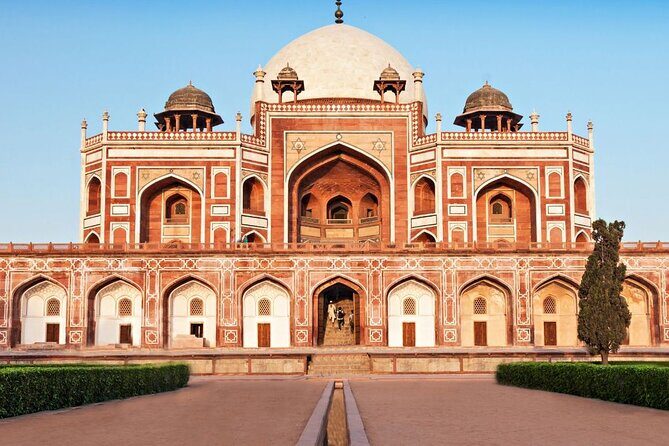
Next is Humayun’s Tomb, another UNESCO site and a major Mughal landmark from 1570. People often link it to the Taj Mahal’s later style, because the design and garden layout have that “Mughal blueprint” feel.
New Delhi landmarks: India Gate and Jama Masjid
After the Mughal sites, you’ll move toward New Delhi’s landmarks. India Gate is included as a quick stop: a 42-meter war memorial with wide lawns around it, perfect for a short stretch and a few photos.
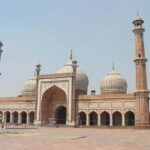
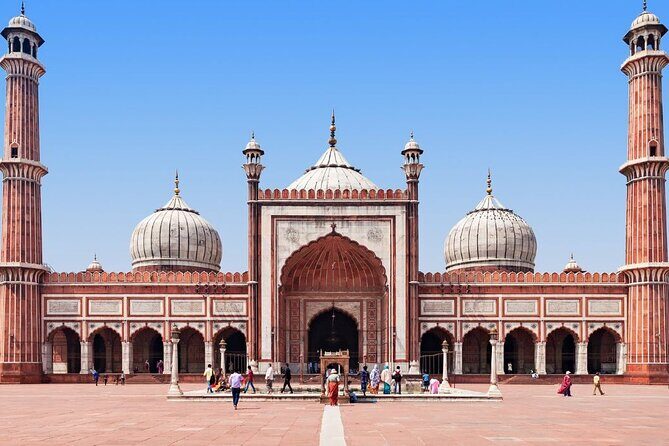
Then comes Jama Masjid, built in 1656 by Shah Jahan. This is a big one: towering minarets, a massive courtyard, and the mix of red sandstone and marble you expect from grand Mughal architecture. It’s not a long stop, but it’s the kind of place where you feel the scale the moment you walk into the courtyard.
A few more New Delhi tours and experiences worth a look





Old Delhi by rickshaw: Chandni Chowk and Khari Baoli
The tour then shifts into Old Delhi with a rickshaw ride through Chandni Chowk. That ride is short, but it’s a smart way to see the lane layout and street life without spending all day walking.
You’ll also visit the spice market area at Khari Baoli, described as Asia’s largest. Even if you’re not buying anything, it’s a sensory stop—spices, sounds, and the constant motion of people and carts.
A small consideration: “included” doesn’t always mean “relaxed”
Day 1 is packed. If you’re the type who gets tired of listening to facts back-to-back, take it slow: ask questions when something grabs your attention, then pause for photos and just watch for a few minutes. Your guide will usually help you keep a good pace.
The expressway drive to Agra: when lunch and timing matter
After Delhi sightseeing, you get time for lunch at a local restaurant, then you travel toward Agra via the expressway route. This is one of those segments where the driver’s skills really show—getting you comfortable on long stretches and keeping the day moving.
You’ll check in to your Agra hotel and have the rest of the day free. That free time is important because Day 2 starts very early.
If you’ve got jet lag, this is where you recharge: eat something light, skip heavy shopping, and let your body recover for sunrise.
Day 2 in Agra: sunrise Taj Mahal plus Agra Fort and the Baby Taj
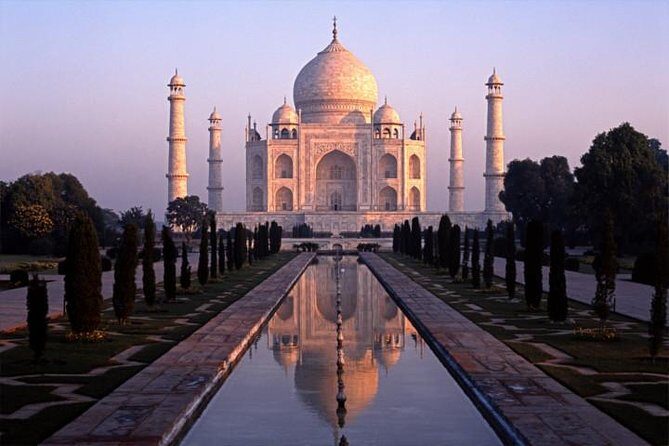
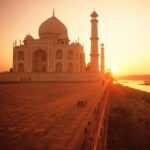
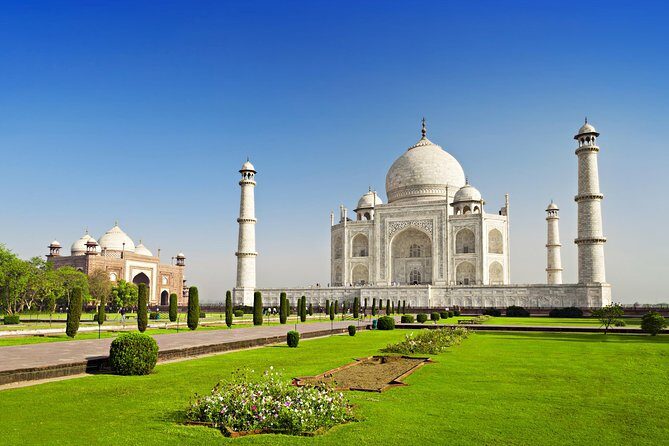
This is the day most people book for, and the tour leans into that with an early 6:00 AM pickup from your hotel. The payoff is a sunrise Taj Mahal visit, when the marble looks different than it does at midday. You also get better photo conditions—less harsh glare and often calmer light.
You’ll spend about 3 hours at the Taj Mahal area. Your guide can help you understand what you’re seeing: the symmetry, the way the gardens and river setting work, and why the white marble changes tone as the sun climbs.
After Taj: Agra Fort and Itmad-ud-Daula
Once you return for breakfast and checkout, you visit Agra Fort. This stop runs about 1 hour and gives context for Mughal power and defense—brick-and-stone walls that make the Taj feel less like an isolated monument and more like part of a whole world.
Then comes Itmad-ud-Daula, often called the Baby Taj. It’s smaller than the Taj Mahal but visually rewarding, especially if you like details in marble and decorative work. Expect about 30 minutes here.
Finally, the tour heads to Jaipur and you’ll check in for the night.
If you want the best photos, plan your mindset
You’ll be moving early and standing in place for photos. If you’re serious about pictures, wear comfortable shoes and bring something for sun protection. And when your guide suggests a spot, it’s usually for a reason—height, angle, or less crowd obstruction.
Day 3 in Jaipur: Amber Fort first, then the icons (Hawa Mahal, City Palace, Jantar Mantar)
Day 3 begins with pickup at 8:00 AM from your hotel in Jaipur. The first stop is Amber Fort (about 2 hours). Amber is one of the most rewarding fort visits in Rajasthan because it feels grand but also lived-in through its defensive layout, courtyards, and views over the surrounding region.
Nearby is Panna Meena ka Kund, a stepwell built in the 16th century. It’s only a short stop, but it’s worth it if you like geometry and engineering details—symmetry you can actually see, not just hear about.
Jal Mahal and the famous “look” stops
Next you get to Jal Mahal (Water Palace) on Man Sagar Lake. It’s often a quick photo moment and a viewpoint stop, and that’s exactly how to treat it: don’t expect a long “inside” visit if your goal is the signature image.
Then comes Hawa Mahal (Palace of the Winds). It’s an iconic five-story facade built in 1799 with 953 small windows (jharokhas). Even in a shorter visit, you’ll understand why it’s famous—those windows weren’t random decoration. They were designed for how people moved through the building and how they could see and communicate.
City Palace and Jantar Mantar: the “culture brain” finish
You’ll then visit City Palace of Jaipur for about 1 hour. This complex is more than one building—it’s a series of courtyards and structures connected to the Maharaja’s seat of power.
After that, you visit Jantar Mantar, a UNESCO World Heritage Site and one of the best-preserved astronomical observatories in India. It’s a great final stop because it turns the trip from “I saw a fort and a facade” into “I understand how rulers measured the sky.”
Ending your trip: airport drop or drive back to Delhi
The tour can end with a drop at Jaipur Airport after your sightseeing. Or you can return to Delhi by road, which takes about 4 hours, putting you back around 8–9 PM.
This is where you choose your style: airport drop is simpler; the late drive makes sense if you want to wrap everything in one place.
Guides and drivers: why service quality shows up on day 1
The most consistent praise across experiences like this isn’t the monuments—it’s the people making the logistics painless.
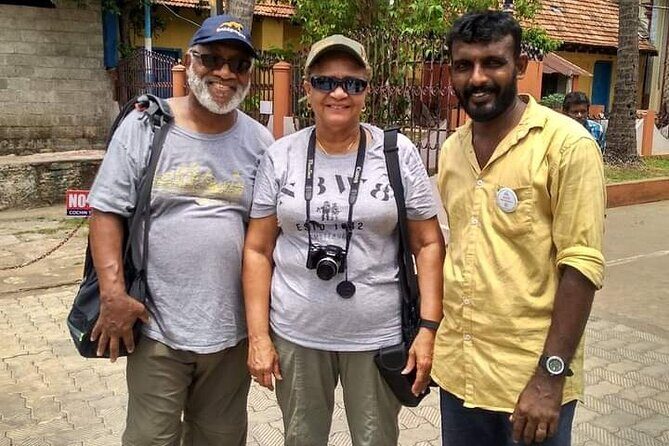
You might meet guides such as Sajul or Shaily in Delhi, Faiz or Ali in Agra, and Arbab or Abbas in Jaipur. What these names usually share is the ability to explain what you’re looking at in a way you can actually connect to—architecture, layout, and meaning.
On the driving side, names that come up include Riyaz, Mukesh, Ravi, Pankaj, Aamir, and Sumesh. The common thread is safety and calm driving. It matters. When you’re sitting on a long road day, the driver’s patience and smooth style are half the comfort.
A heads-up about shopping stops
One downside that comes up is the tendency to add shop stops during the day. Some people feel pressured to buy. If you’re not into shopping, make your preference clear early. A polite no plus a focus on photos and monuments usually works.
Price and value: what $110 covers and what costs extra
The tour price is $110 per person, which is the base for a very structured 3-day plan. What makes it feel like value is that the core services are bundled: a private air-conditioned car, a live guide, airport/hotel pickup and drop, breakfast, and entrance fees for several major stops.
But there’s an important extra: entrance fees to monuments are listed as not included at $65 per person. The itinerary shows many admissions as included, so it looks like some monument entry is covered. The safest way to handle this is simple: confirm what’s included vs. what you’ll pay on arrival, because you don’t want surprises if the $65 applies to a broader set.
Lunch and dinner are not included. That’s normal for tours like this. Your advantage is you can eat where local people eat, rather than getting funneled into one pre-selected place every day.
Hotel options and comfort level
You get 2 nights of accommodation (typically 3–5 star) with breakfast and taxes if you book that option. Many people choose the higher tier for peace of mind during early mornings.
Who should book this tour—and who should choose a different plan
This is a good fit if you want:
- Maximum highlights in a short time
- Private transport (less stress than trains or DIY)
- Sunrise Taj Mahal without planning it yourself
- A guide who can explain sites so they don’t feel like random stops
It might not be ideal if you:
- Hate early mornings
- Want lots of free time in each city
- Strongly dislike shopping stops (you can manage it, but the pattern exists)
If you’re traveling solo, couples, or a small group, the private format is a big plus.
Should you book the 3-Day Delhi, Agra and Jaipur Private Tour?
I’d book it if you want a straightforward Golden Triangle route with reliable transport and strong guidance, especially for sunrise Taj Mahal. The mix of Delhi monuments, Old Delhi’s rickshaw lane experience, and Jaipur’s fort-to-palace-to-observatory flow makes the three days feel worth it.
I’d hesitate only if you’re very sensitive to shopping detours or you need a slower pace. If those are your issues, go in with expectations set: prioritize monuments, say no early to unwanted stops, and plan to rest during the free evening in Agra.
If you do book, ask your provider upfront how entrance fees are handled in your specific package, and request the guide/driver style that fits you best.
FAQ
What cities does the tour cover?
The itinerary covers Delhi, Agra, and Jaipur.
How does pickup work in Delhi?
You’ll have hotel pickup in Delhi at the scheduled time. The itinerary lists pickup at 9:00 AM on Day 1.
Are breakfasts included?
Yes. Breakfast is included for 2 days.
Does the tour include hotel accommodation?
Yes. It includes 2 nights of hotel accommodation with breakfast and taxes when that option is booked. The hotel category can be 3–5 star.
Are monument entrance fees included?
Entrance fees are listed as included for multiple specific stops in the itinerary, but monument entrance fees are also shown under not included at $65 per person. Confirm what your booking covers to avoid surprises.
Is there a rickshaw ride on the tour?
Yes. There’s a rickshaw ride in Old Delhi through Chandni Chowk.
What time is the Taj Mahal visit?
You’ll have an early morning pickup around 6:00 AM for the Taj Mahal sunrise visit, with a visit length of about 3 hours.
Is the tour private?
Yes. It’s a private tour/activity, and only your group participates.
Where does the tour end on Day 3?
You can either be dropped at Jaipur Airport after sightseeing, or you can drive back to Delhi (about 4 hours), returning around 8–9 PM.
Is free cancellation available?
Yes. You can cancel up to 24 hours in advance for a full refund.