REVIEW · NEW DELHI
3-Day Private Luxury Golden Triangle Tour to Agra and Jaipur From New Delhi
Book on Viator →Operated by Crystal India Holidays · Bookable on Viator
Golden Triangle travel can feel chaotic. This one is built around a clear route, tight timing, and private logistics that keep your energy for the sights. You’ll do sunrise at the Taj Mahal, plus guided UNESCO stops across Delhi, Agra, and Jaipur in an air-conditioned car with local experts.
I especially like the way the tour mixes big-ticket icons with everyday city texture, like the rickshaw ride in Old Delhi and the step wells and tombs that most people rush past. The second win is safety and pacing: you’re not haggling for transport or switching plans mid-day, and the driver is there for the long intercity drives. One consideration: entrance fees are not included (about $65 per person), and the schedule is full—so plan for early mornings and a lot of walking.
In This Review
- Key things that make this Golden Triangle tour work
- How the 3-day route keeps Delhi, Agra, and Jaipur realistic
- Delhi first: Qutub Minar to Jama Masjid with Old Delhi texture
- Agra Day 2: sunrise Taj Mahal plus Fort and Baby Taj
- Jaipur Day 3: Amer, Jal Mahal, and the science of Jantar Mantar
- Private driver and local guides: what you actually gain
- Tickets, entrance fees, and what to budget without surprises
- Hotels and what “private luxury” means in practice
- The packed schedule: who will love it, and who might not
- Shopping stops and how to keep them from hijacking your day
- What to pack and how to make the days feel easier
- Should you book this Golden Triangle tour?
- FAQ
- How long is the Golden Triangle tour?
- Where does the tour start and end?
- Is pickup included?
- Are hotel accommodations included?
- What time is the Taj Mahal visit?
- Are entrance fees included for monuments?
- Is rickshaw riding included?
- What’s included for meals?
- Are there shopping stops?
- What is the cancellation window?
Key things that make this Golden Triangle tour work
- Sunrise Taj Mahal timing with battery-bus transfer to the monument area saves time and stress at the busiest hour
- Private car + local guides in each city so you get context, not just photo stops
- UNESCO highlights in three cities: Qutub Minar, Agra Fort, Jantar Mantar, plus major Mughal sites
- Old Delhi experience built in, including Chandni Chowk and a included rickshaw ride
- Jaipur scenic hits beyond the obvious like Jal Mahal and the step well at Panna Meena ka Kund
- Shopping is optional, but the itinerary can include market stops if you choose that add-on style
How the 3-day route keeps Delhi, Agra, and Jaipur realistic
This is the classic Golden Triangle—Delhi, Agra, Jaipur—but it’s designed as a private run with guides in each city and a single driver handling the long stretches. That matters because these distances are easy to underestimate when you’re also dealing with traffic, checkpoints, and monument crowd patterns. The air-conditioned car helps you stay functional, not fried.
Also, you’re not left guessing what to do when. A dedicated tour coordinator stays in touch before and during the trip, and your guide can help you buy entrance tickets so you avoid wasting time in lines for basic ticketing.
The trade-off is that it’s not a slow travel loop. It’s an intense “see a lot” format—worth it if you want highlights done right away.
You can also read our reviews of more private tours in New Delhi


Delhi first: Qutub Minar to Jama Masjid with Old Delhi texture
Day 1 is a wide sweep through both New Delhi and Old Delhi. The style is “major monuments + contrast neighborhoods,” so you understand the city in layers.
- Qutub Minar (UNESCO): You’ll stop at one of Delhi’s most important medieval landmarks. It’s known for its height and the spiral staircase—great for photo angles, and also for spotting the historical architectural influence.
- Lotus Temple: The flower-like design is instantly recognizable. It’s built in 1986, and admission is free. One practical note: it remains closed every Monday.
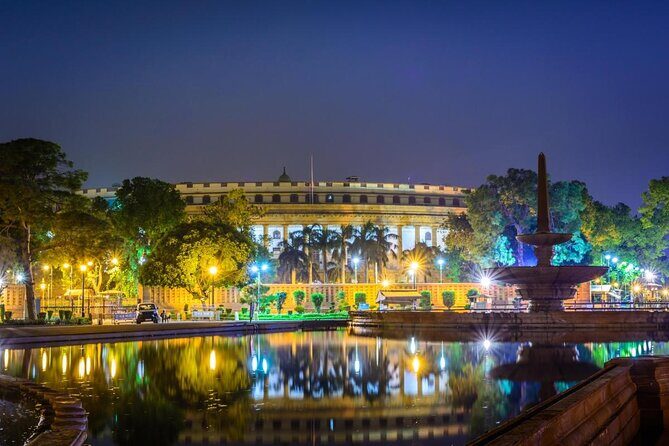
- India Gate and central government buildings: India Gate is a war memorial near Rajpath, and the stop gives you the big-city perspective. You’ll also pass key ceremonial landmarks like Parliament House (Sansad Bhavan) and Rashtrapati Bhavan.
- Agrasen ki Baoli: This step well is protected and feels more local than the headline monuments. It’s an easy win if you like quiet, atmospheric stops.
- Humayun’s Tomb: A major Mughal tomb commissioned in 1558. It’s the kind of place where taking your time pays off, especially if you enjoy garden-tomb layouts.
- Chandni Chowk and Jama Masjid (Old Delhi): This is where the day turns into market energy. Chandni Chowk is a dense shopping area for spices, dried fruit, jewelry, and saris, and Jama Masjid is one of the largest mosques in India (built 1650–1656). Even if you’re not a shopper, the streets themselves are part of the cultural experience.
- Rickshaw ride in Old Delhi (included): You’ll get a short ride through the market lanes, and it’s timed to fit into the sightseeing rhythm.
By the end of Day 1, the tour shifts gears: you’ll head via the Yamuna Expressway for lunch and then drive to Agra, checking into your hotel afterward. If you’re the kind of traveler who likes cities that feel like places (not just postcards), this Delhi day is a strong start.
Agra Day 2: sunrise Taj Mahal plus Fort and Baby Taj
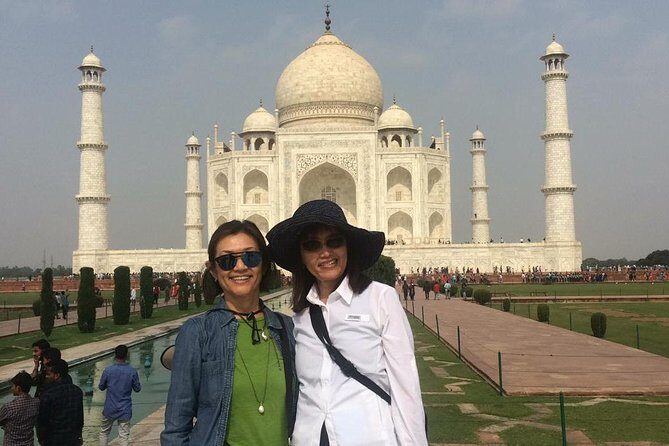
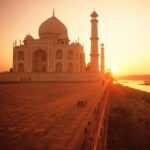
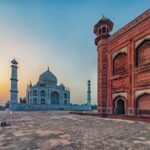
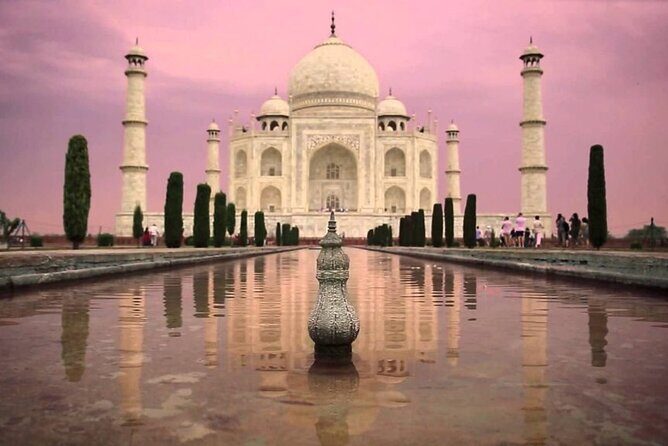
Day 2 is the heavy hitter: Taj Mahal sunrise. This is scheduled early so you reach the monument in the best light and fewer crowd surges. The tour includes a guided visit inside for about two hours, plus a transfer plan that uses a battery bus up to the Taj area from the parking lot.
A key detail: sunrise timing is subject to weather conditions, so don’t assume perfect skies. Still, starting this early is often the difference between a smooth, memorable visit and a more stressful one.
After the Taj, you’ll move through:
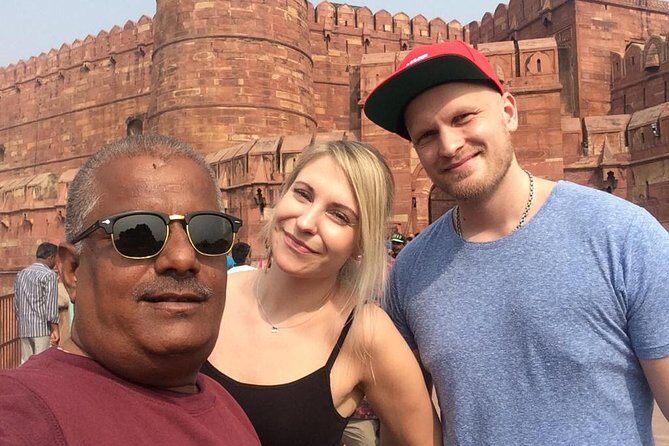
- Agra Fort (UNESCO): A guided walk through the fort’s apartments and architecture. It’s a great counterpoint to the Taj because it tells more about the rulers and military life behind the showpiece.
- Itmad-ud-Daula (Baby Taj): This is the smaller Mughal mausoleum that’s famous for its detailed gardens and structure. The name Baby Taj is catchy, but the real value is how it shows Mughal design in a more intimate scale.
Then you roll back to Jaipur on Day 2 and check into your hotel for the night.
Jaipur Day 3: Amer, Jal Mahal, and the science of Jantar Mantar
Jaipur is packed with variety: fort views, lake-side scenes, palace interiors, and a UNESCO stop that most first-timers don’t expect.
The day starts with:
- Panna Meena ka Kund (step well): A quick stop near Amber Fort. It’s small in time, big in visual payoff.
- Amer (Amber Fort): This is the hilltop fort built by Raja Man Singh I. The fort’s placement and design are the main story, and the view toward Maota Lake is part of why it’s so popular.
- Jal Mahal (included ticket): A palace in the middle of Man Sagar Lake. Even if you’re not doing deep photography, it’s one of those scenes that helps you understand why Jaipur is so visually distinctive.
- City Palace of Jaipur: Built in 1721, it served as the administrative and ceremonial center. Expect a guided walkthrough of what it was and what it became.
- Jantar Mantar (UNESCO): Built in 1734, it’s a collection of 19 astronomical instruments. This stop is great if you enjoy how science was built into everyday observation in a pre-digital world.
- Hawa Mahal (Palace of Wind): A short stop focused on exterior architecture. It’s designed in red and pink sandstone, and the “facade looks busy” effect is real in person.
- Gaitore Ki Chhatriyan: Royal cremation cenotaphs in a quieter valley setting—more peaceful than the main palace crowd zones.
At the end, you return to Delhi by around 9 PM. If you prefer flying out, there’s also an option to drop you at Jaipur Airport for your onward flight.
Private driver and local guides: what you actually gain
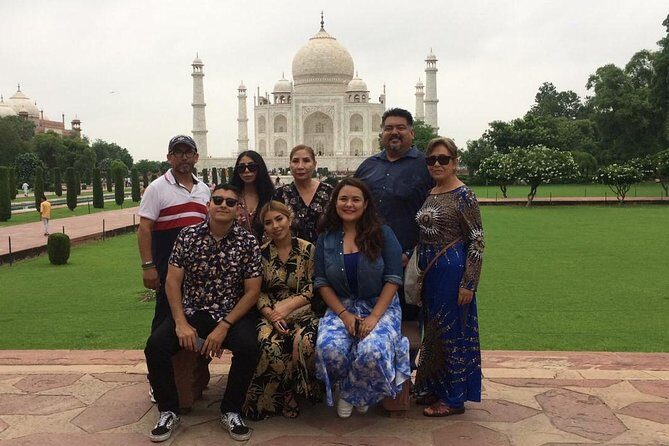
The private format is the backbone here. You’re not sharing vehicles, and you’re not stuck waiting while strangers negotiate tickets or argue about where to go next. In reviews, the driving through intense traffic is repeatedly called out as a highlight—especially for solo travelers and couples who just want to feel safe and unburdened.
You’ll also get local guides in each city. In past departures, guides with names like Pinky and Manoj in particular were praised for friendly, detailed storytelling and strong photo spotting. Other guides mentioned in reviews include Himanshu and Varun in Delhi, and Himanshu again on the Jaipur side.
There’s also a practical layer: bottles of mineral water during the journey and a tour coordinator who checks in so you know what’s next. That’s not glamorous, but it stops small problems from turning into big ones.
A few more New Delhi tours and experiences worth a look





Tickets, entrance fees, and what to budget without surprises
Here’s the math you should plan around:
- Monument entrance fees are not included.
- The total entrance fee estimate listed is about $65 per person.
- Your guide will help you buy tickets so you should avoid long ticket queues.
Because the tour includes a lot of guided stops across UNESCO sites, this fee line item can still be good value compared with trying to cobble together separate tickets and guides on your own. But it’s important you budget it upfront so you don’t feel caught off guard when you arrive.
Also remember: lunch and dinner are not included. The itinerary gives you time for lunch at a local restaurant on travel days, but you’ll pay for your own meals unless you select a package that explicitly includes them (the included portion here lists breakfast only).
Hotels and what “private luxury” means in practice
You can choose with accommodation in either 4-star or 5-star hotels, or you can book without hotels and choose your own. When hotels are included, you get two nights and daily breakfast.
In reviews, the hotel experience is described as clean, comfortable, and in some cases “very luxurious,” especially with 5-star options in Agra and Jaipur. You’re also on a twin-sharing basis for most room types, with triple-sharing by default if three people are booked in one room—so if you’re traveling as a group, it’s worth confirming room setup early.
This matters because after sunrise starts and long drive days, a good bed is part of the sightseeing plan.
The packed schedule: who will love it, and who might not
This tour is for you if:
- You’re on a first trip to India and want the big landmarks handled for you
- You prefer structure over figuring things out
- You value private transportation and English-speaking guides
- You want a classic Golden Triangle route without wasting time on logistics
It may not be ideal if:
- You hate early mornings. Sunrise at the Taj Mahal means you’ll be up very early.
- You want tons of free time to wander alone. This is a guided rhythm most of the day.
- You dislike shopping stops or sales-style demonstrations. The tour allows shopping add-ons and can include market stops, and some people find parts of the selling process tiring.
One easy fix: you can choose to skip or add shopping. If you’re not into it, tell your guide clearly. You can keep the day focused on monuments and photography instead of storefront conversations.
Shopping stops and how to keep them from hijacking your day
The itinerary notes that you can choose to skip or add shopping. Still, there are typically moments where you’ll be taken to markets connected to local crafts.
In reviews, the shopping piece came with mixed feelings. Some people appreciated the market time; others felt the pricing and sales pitches were where the experience could sour. The good news is that you’re not forced to buy, and your guide can adjust based on your preferences. If you want a calmer trip, set expectations early: no long demonstrations, no high-pressure buying, and short stops only.
What to pack and how to make the days feel easier
Even on a private tour, you’ll walk. You’ll also be outside for sunrises and fort views.
I’d plan for:
- Comfortable walking shoes
- Sunscreen
- Basic weather readiness since sunrise Taj depends on conditions
- A light layer for early hours, since morning can feel cooler than you expect
If you’re traveling in monsoon season, you might appreciate that the driver is reported to keep the ride air-conditioned and comfortable, with attention to hydration.
Should you book this Golden Triangle tour?
Book it if you want a well-run, private Golden Triangle sprint—Delhi, Agra, and Jaipur—handled with guides, air-conditioned driving, and a sunrise Taj Mahal plan that’s hard to DIY smoothly. It’s also a great fit for solo travelers who want safety, punctuality, and someone coordinating what happens next.
Skip or reconsider if you want a relaxed pace, deep-free-time wandering, or a trip with minimal early starts and minimal market interruptions. In that case, you might prefer a slower itinerary or fewer guided stops.
If you do book, do one thing that makes the whole trip better: budget for monument entrance fees and tell your guide what you want to skip, especially around shopping. That way you get the best parts—UNESCO monuments, fort-to-lake contrasts, and the big sunrise moment at the Taj Mahal—without the parts that drain your patience.
FAQ
How long is the Golden Triangle tour?
It’s a 3-day private tour with travel between New Delhi, Agra, and Jaipur, and a return to Delhi around 9 PM on the last day.
Where does the tour start and end?
It starts in New Delhi and returns to New Delhi on Day 3. You can also choose to be dropped at Jaipur Airport for onward flights.
Is pickup included?
Yes. Hotel or airport pickup and drop-off are included.
Are hotel accommodations included?
You can choose a package with two nights accommodation (with 4-star or 5-star hotel options) or a tour price without hotels.
What time is the Taj Mahal visit?
You’ll do the Taj Mahal at sunrise on Day 2. It is subject to weather conditions.
Are entrance fees included for monuments?
No. Entrance fees are not included, and the tour lists an estimate of about $65 per person. Your guide helps you buy tickets.
Is rickshaw riding included?
Yes. The tour includes a rickshaw ride in Old Delhi.
What’s included for meals?
Breakfast is included for two days when booking with the hotel option. Lunch and dinner are not included.
Are there shopping stops?
Shopping can be added or skipped. The itinerary can include market stops, so it depends on what option you choose and what you tell your guide.
What is the cancellation window?
Free cancellation is available up to 24 hours in advance of the experience start time for a full refund.