REVIEW · NEW DELHI
Award-Winning 3-Day Private Golden Triangle Tour of India
Book on Viator →Operated by Pacific Classic Tours India · Bookable on Viator
Sunrise at the Taj sets the tone fast. I love the sunrise Taj Mahal timing and the licensed local guides who explain what you’re seeing. The one drawback to plan for is long car days, plus the fact that sunrise can shift if fog rolls in.
With entry fees included even for the big-ticket sites, you spend less time counting money and more time actually walking. You also get hotel pickup in Delhi, Gurugram, and Noida, which keeps Day 1 from feeling like a logistics puzzle.
This is a private tour, so your group stays together with one driver and city-by-city guiding. It’s a smart fit if you’re short on time, but you’ll want to set expectations about optional shopping stops so the experience stays your pace.
In This Review
- Key highlights worth knowing
- Golden Triangle in 3 Days: How This Private Plan Really Works
- Day 1 in Delhi: Humayun’s Tomb, Qutub Minar, Lotus Temple, India Gate, and Power in Lutyens’ City
- Humayun’s Tomb: the Mughal gateway that inspired the Taj
- Qutub Minar: carvings, inscriptions, and a serious medieval landmark
- Lotus Temple: a calm, modern reset for photos and breathing room
- India Gate and the capital’s official buildings
- Drive to Agra and check in
- Sunrise Taj Mahal and Agra Fort: Why Timing, Golf Carts, and Security Lines Matter
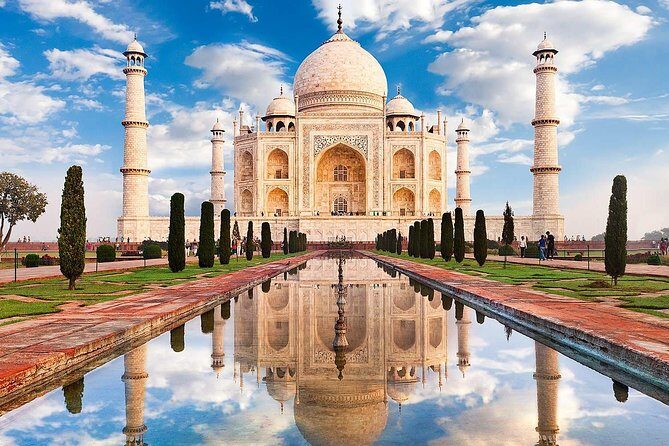
- Taj Mahal at sunrise: white marble in soft gold
- Agra Fort: UNESCO red sandstone with real imperial weight
- Optional Agra shopping time (and how to handle it)
- Day 3 Jaipur: Amber Fort Views, Photo Stops at Jal Mahal and Hawa Mahal, and the Observatory That’s Still Accurate
- Amber Fort: the Rajput hilltop that deserves your full attention
- Jal Mahal and Hawa Mahal: quick photo stops with big payoffs
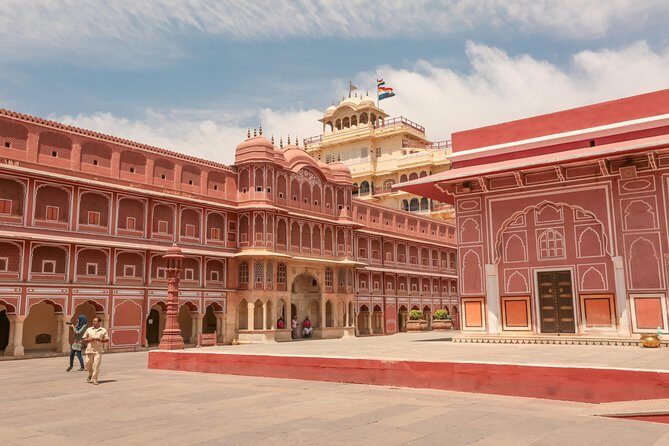
- City Palace: royal museum rooms and curated courtyards
- Jantar Mantar: giant stone instruments that still calculate time
- Optional shopping time in Jaipur
- Return drive to Delhi, Gurugram, or Noida
- Private Car, Licensed Guides, and the Comfort Stuff That Saves Your Day
- Price and Value: What You’re Paying For at $350.71
- Hotels on the Upgrade Path: 4- and 5-Star Can Mean Great Resets
- Your Biggest Decision Points: Sunrise Weather, Shopping Stops, and Vehicle Space
- Sunrise Taj Mahal can shift with fog
- Optional cultural stops: keep them optional
- Vehicle size matters more than you think
- Who This Tour Fits Best (and Who Should Consider Another Plan)
- Should You Book This Private Golden Triangle Tour?
- FAQ
- What cities does this Golden Triangle tour cover?
- What time does the tour start and how does pickup work?
- Is the Taj Mahal included and does the tour do it at sunrise?
- Are entrance fees included for monuments?
- What transportation is included?
- Is there an option to upgrade hotels?
- Are meals included?
- Is the Amber Palace jeep ride included?
- What if I need a vegetarian or vegan diet?
- Is cancellation free?
Key highlights worth knowing
- Sunrise Taj Mahal with the right approach to beat crowds, plus golf-cart transfer for parking convenience
- Licensed local guides in each city who help you connect details to the bigger story
- Full ticket coverage for the monuments listed, including the Taj Mahal
- Private air-conditioned car with a dedicated driver for all transfers, plus bottled water during the day
- Agra and Jaipur hotel upgrades available to 4- or 5-star levels with breakfast included
- Optional cultural stops that are not supposed to be high-pressure, if you’re clear up front
Golden Triangle in 3 Days: How This Private Plan Really Works
The Golden Triangle usually lives or dies on pacing. Too rushed and you spend your whole trip in a taxi. Too slow and you miss the big sights you came for. This 3-day private route strikes a practical middle: you get the major monuments of Delhi, Agra, and Jaipur, with enough guided time that the places start making sense fast.
Value-wise, the standout is what’s included. Your tour cost covers private transportation, licensed local guides in each city, and entrance fees for every monument named (including the Taj Mahal). That removes one of the biggest headaches of India sightseeing: the constant “what’s extra” conversation when you’re standing right in front of an entrance gate.
Here’s the honest trade-off. You’re still covering serious distance by road. Delhi to Agra is roughly three hours, Agra to Jaipur is about four, and the return to Delhi/Gurugram/Noida is around five (traffic can stretch it). If you’re expecting a relaxed weekend, this won’t feel like that. If you want maximum classic sights with a calm, organized setup, it does the job.
You can also read our reviews of more private tours in New Delhi



Day 1 in Delhi: Humayun’s Tomb, Qutub Minar, Lotus Temple, India Gate, and Power in Lutyens’ City
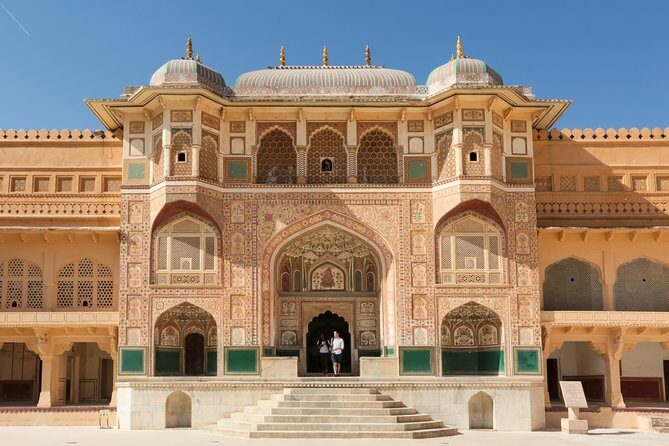
Your morning starts with pickup around 9:00 am from your Delhi-area location (Delhi, Gurugram, or Noida). Meeting your driver and guide early is a gift in Delhi because crowds, security lines, and traffic can stack up fast later in the day.
Humayun’s Tomb: the Mughal gateway that inspired the Taj
Humayun’s Tomb is a UNESCO garden-tomb from the 1500s era, and it matters because it’s often described as a stepping stone to the Taj Mahal. The garden layout and the carefully planned symmetry help you understand why the Taj’s style looks the way it does. If you only saw the Taj, you’d miss the evolution. This stop gives you context without needing extra homework.
Time on site: about 1 hour, with admission included.
Qutub Minar: carvings, inscriptions, and a serious medieval landmark
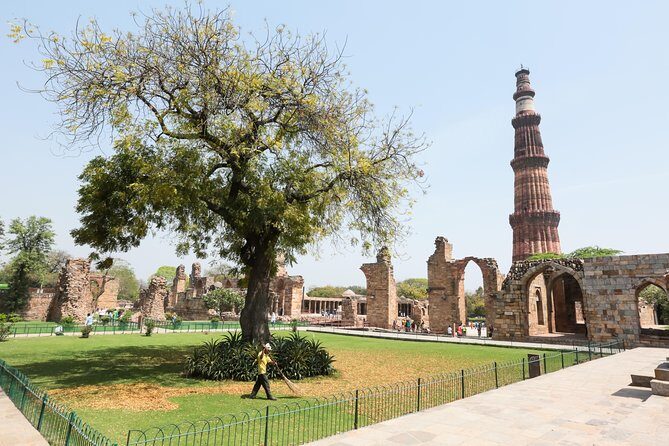
Next comes Qutub Minar, a UNESCO site and home to India’s tallest brick minaret. Even if you’re not a “history buff,” you’ll appreciate the scale and the intricate stonework—especially the carved pillars and inscriptions that explain what the builders were proud of.
Time on site: about 1 hour, admission included.
Lotus Temple: a calm, modern reset for photos and breathing room
The Lotus Temple is listed as free-entry and it’s a welcome contrast after the older Islamic-era monuments. The lotus-petal design reads beautifully in photos, and the atmosphere is quieter than you might expect for a major city landmark.
Time on site: about 1 hour.
A few more New Delhi tours and experiences worth a look





India Gate and the capital’s official buildings
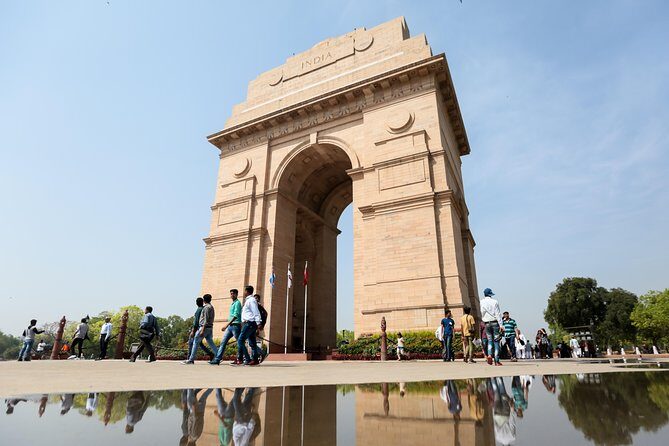
After the temples and tombs, you get the big memorial moment of India Gate, a stone arch designed by Lutyens in the 1920s. It’s a WWI and early 20th-century memorial for tens of thousands of soldiers. It’s short and simple, but it’s effective.
Then the tour includes views of the seat of government area, including the circular, colonnaded Parliament building tied to the 1947 handover of power, plus Rashtrapati Bhavan (President House), the former British Viceroy residence.
This part can feel like “quick looks from the outside,” because you’re primarily moving through the central zone. If you love architecture, you’ll enjoy how deliberate the city planning feels. If you prefer hands-on museum time, you may find it less satisfying than the major-ticket monuments.
Drive to Agra and check in
After Delhi stops, you drive roughly 3 hours to Agra, arrive, and check into your hotel. The evening tends to be the buffer time that makes the sunrise Taj day work. You won’t waste the night.
Sunrise Taj Mahal and Agra Fort: Why Timing, Golf Carts, and Security Lines Matter
Day 2 is the reason most people book this tour: the Taj Mahal at sunrise. The goal is simple. Early light looks better, and you meet the site before it swells into a wall of humanity.
Taj Mahal at sunrise: white marble in soft gold
The tour is built around sunrise conditions. You’ll see the marble glow in gentle morning light, and you’ll get a guided visit that helps you connect the monument to Shah Jahan and Mumtaz Mahal.
Two practical notes to keep you calm:
- Sunrise is weather-dependent. If fog or poor visibility hits, the visit may be adjusted.
- There’s real security screening, so being early reduces stress more than you might think.
Also included is a golf cart ride to and from the Taj Mahal parking, so you spend less time walking in the heat or dragging yourself across distances.
Time on site: about 2 hours, admission included.
Agra Fort: UNESCO red sandstone with real imperial weight
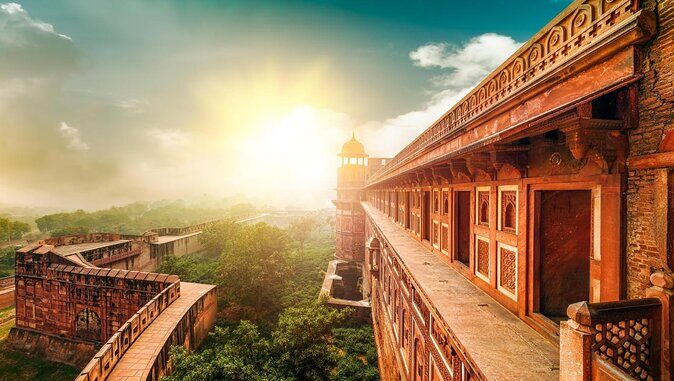
After the Taj, you visit Agra Fort, another UNESCO site and a major Mughal fortress. The fort’s red sandstone walls house halls and palaces, and the views across the river toward the Taj are part of the payoff.
Time on site: about 1 hour, admission included.
Optional Agra shopping time (and how to handle it)
There’s also an optional stop for Agra shopping, with items tied to the city such as pietra dura marble inlay, carpets, leather goods, and embroidery. The framing is that it’s optional and you’re not forced to buy.
Still, this is one place where your expectations matter. If you dislike shopping stops, tell your guide up front and keep it short. One traveler advice that fits: if shopping feels like it’s hijacking the day, you have the right to opt out and ask to return to sightseeing.
Day 3 Jaipur: Amber Fort Views, Photo Stops at Jal Mahal and Hawa Mahal, and the Observatory That’s Still Accurate
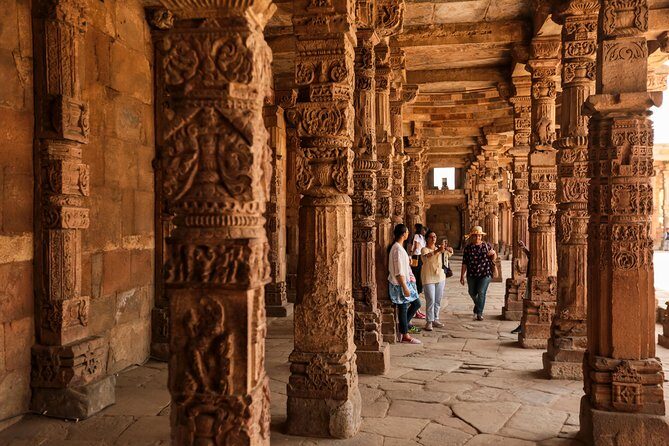
Day 3 starts after a hotel breakfast and check-out. Jaipur is called the Pink City for a reason, but what really hits you is how different the fort-city feel is from Delhi and Agra.
Amber Fort: the Rajput hilltop that deserves your full attention
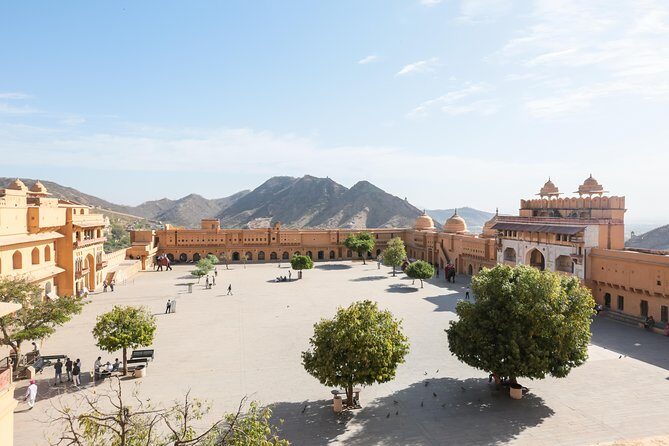
Amber Fort is the anchor. Expect Rajput-style design, courtyards, mirrored halls, and big views over Maota Lake. This is also where you’ll feel the “fort as a living machine” effect: it wasn’t built only to be pretty, it was built to run.
Time on site: about 2 hours, admission included.
One extra detail: a jeep ride at Amber Palace is not included and applies for 5 or more travelers (listed as $3.00 per person). If you’re traveling in a larger group, confirm whether you’ll be using it so there are no surprises at the gate.
Jal Mahal and Hawa Mahal: quick photo stops with big payoffs
You’ll stop at Jal Mahal, the water palace floating in Man Sagar Lake. The stop is brief (about 15 minutes), so treat it as a photo reset, not a deep tour.
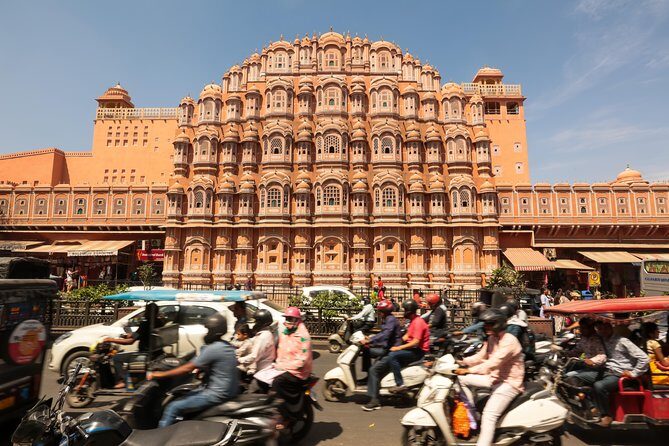
Then you hit Hawa Mahal, the Palace of Winds, famous for its 953 latticed windows designed for royal women to observe street life. Again, this is a photo-focused moment (about 15 minutes).
These two stops work best if you’re in “get the iconic photo, keep moving” mode. If you want interior access everywhere, these might feel short.
City Palace: royal museum rooms and curated courtyards
City Palace is where Jaipur slows down. The tour includes time inside the complex for courtyards and the museum spaces that connect today’s city to Jaipur’s royal family and artifacts.
Time on site: about 1 hour, admission included.
Jantar Mantar: giant stone instruments that still calculate time
Then comes Jantar Mantar, a UNESCO astronomical observatory. The giant stone instruments are built for time and astronomical measurements, and seeing them in person helps you understand how serious the science was behind the visuals.
Time on site: about 1 hour, admission included.
Optional shopping time in Jaipur
There’s optional shopping time in Jaipur focused on block printing, gemstones, jewelry, textiles, and blue pottery. Artisan workshop stops can happen too, but they’re stated as cultural stops with no purchase obligation. You can keep this gentle or skip it, depending on your energy level.
Return drive to Delhi, Gurugram, or Noida
At the end of Day 3, you drive back to Delhi/Gurugram/Noida or to your desired location, around 5 hours depending on traffic.
Private Car, Licensed Guides, and the Comfort Stuff That Saves Your Day
I like tours that treat comfort as part of the sightseeing, not a bonus. This one includes private transportation in an air-conditioned car with a professional chauffeur for all transfers, plus bottled water and refreshments during the tour day.
What really improves the experience, though, is the guide format. You get licensed local guides across Delhi, Agra, and Jaipur. In reviews tied to this kind of tour, guide names come up often: in Delhi you may encounter people like Dilip or Sunil or Singh-type guides, in Agra you might meet Mahesh or Seema Singhal, and in Jaipur you’ll see guides like Ashok, Suryakant, or others. The point isn’t the name; it’s that the guiding is location-specific.
That also means you’re not listening to one person try to cover three cities. You get local context each day, and it shows in how they explain the monuments.
Practical tips you should know before you go:
- Dress code is smart casual, with comfortable walking shoes.
- Carry your passport or government-issued photo ID for admission.
- If you’re sensitive to crowd noise, sunrise at the Taj is a huge help.
- Customer support is included via phone or WhatsApp 24/7, which can matter if timing gets tricky.
Price and Value: What You’re Paying For at $350.71
At $350.71 per person, this tour sits in the “serious value if you use what’s included” category. Here’s what you’re getting for that price:
- Two nights accommodation on twin sharing with breakfast if you book with the hotel option
- A private air-conditioned car and chauffeur for the full route
- Licensed guides in Delhi, Agra, and Jaipur
- Monument entry fees for the sights listed, including the Taj Mahal
- Golf cart transfers linked to Taj parking
- Parking, tolls, fuel, and taxes included
- Bottled water and refreshments during the tour
- 24/7 assistance while you’re traveling
What’s not included:
- Meals unless specified
- The jeep ride at Amber Palace for 5+ travelers
- Any extra optional shopping or artisan workshop purchases
One “value” tip: if you’re the kind of traveler who hates arguing over tickets and adding small costs at each stop, this package format is built for you. If you’re a strict “no shops, no stops, no extra time” person, you can still do well, but you need to communicate that early so the optional moments don’t steal time.
Hotels on the Upgrade Path: 4- and 5-Star Can Mean Great Resets
You can upgrade to 4- or 5-star lodging with daily breakfast (and that usually makes the long drive days feel manageable). Reviews also mention hotels like Crystal Sarovar in Agra and Four Points in Jaipur as good examples from past trips.
Still, hotel quality can vary depending on the exact property used for your dates. One traveler flagged that a Jaipur property claimed as higher tier didn’t match their expectations on amenities. My practical advice: when you choose your hotel option, ask what exact hotel name you’ll get for both nights. That one question can save you disappointment.
If you’re taking this tour in hotter months, the hotel becomes more than a place to sleep. A reliable air-conditioned room helps you wake up early without feeling wrecked.
Your Biggest Decision Points: Sunrise Weather, Shopping Stops, and Vehicle Space
This tour runs on a tight rhythm. That makes three decision points worth thinking about before you pay.
Sunrise Taj Mahal can shift with fog
Sunrise is timed, but it’s not magic. If visibility is bad, the visit may be adjusted. If you’re traveling during a season known for fog or haze, keep flexibility in your mind and don’t treat it like a guaranteed show no matter what.
Optional cultural stops: keep them optional
There can be stops connected to artisan workshops in Agra and Jaipur. They’re described as cultural stops with no obligation to buy. But the reality of some shops can be sales-heavy. If you want zero pressure, tell the guide clearly at the start of the tour: you’re happy to look, and you’re skipping purchasing.
Vehicle size matters more than you think
Because it’s private, your car depends on group size. One review complained about cramped spacing in a smaller vehicle for four people and suggested an upgrade to a van at extra cost. If you’re traveling with family or four friends and you want leg room, ask what vehicle you’ll get before arrival.
Who This Tour Fits Best (and Who Should Consider Another Plan)
This private 3-day Golden Triangle tour is a great match if:
- you want Delhi, Agra, and Jaipur highlights with minimal planning stress
- you value guided explanations that help monuments make sense quickly
- you’re okay with long road transfers in exchange for seeing more in less time
- you want entry fees handled so you can focus on the sights
It’s less ideal if:
- you hate shopping stops of any kind and don’t want them even as brief cultural pauses
- you’re looking for a slow travel pace with downtime between monuments
- you’re extremely sensitive to long car hours and traffic intensity
If this sounds like you, I’d still consider it if you communicate your preferences early. The private nature means your guide can often adjust the route and keep the stops aligned with your comfort level.
Should You Book This Private Golden Triangle Tour?
Yes, I’d recommend booking this tour if you want classic India in a short window and you like structure. The big reasons are practical: sunrise Taj Mahal, licensed local guides, and entry fees included for the monuments you came for. It’s also a good value when you add up private transport plus tickets plus the two-night hotel setup.
I would book it with two conditions:
- Be clear about shopping and workshop stops at the start so optional moments stay optional.
- Confirm what hotel names and vehicle type you’ll get, especially if you care about comfort on long drives.
If you show up with that mindset, you’ll leave with a clean circuit through three iconic cities, without the “what do we do next” stress.
FAQ
What cities does this Golden Triangle tour cover?
It covers New Delhi, Agra, and Jaipur over 3 days, with the trip ending back in Delhi, Gurugram, Noida, or your chosen drop-off location.
What time does the tour start and how does pickup work?
Pickup typically starts at 9:00 am from your desired location in Delhi, Gurugram (Gurgaon), or Noida. The tour can also start from an airport or train station, based on your confirmation details.
Is the Taj Mahal included and does the tour do it at sunrise?
Yes. The tour includes a sunrise visit to the Taj Mahal, and entry tickets for the listed sites are included. The sunrise timing can be adjusted based on weather conditions like fog or poor visibility.
Are entrance fees included for monuments?
Yes. Monument entry fees for all sites mentioned in the itinerary are included, including the Taj Mahal and UNESCO-listed stops.
What transportation is included?
You get private transportation in an air-conditioned car with a professional chauffeur for transfers between cities and for all stops in the itinerary.
Is there an option to upgrade hotels?
Yes. You can upgrade to 4- or 5-star lodging with breakfast included.
Are meals included?
Meals are not included unless specified. The package includes bottled water and refreshments during the tour day, and breakfast (2) if you book with hotels.
Is the Amber Palace jeep ride included?
The jeep ride at Amber Palace is not included and applies for 5 or more travelers at $3.00 per person.
What if I need a vegetarian or vegan diet?
Vegetarian, vegan, and special dietary options are available if you advise the operator at the time of booking.
Is cancellation free?
Yes. Free cancellation is available up to 24 hours before the experience start time for a full refund. Changes within 24 hours aren’t accepted.