REVIEW · VARANASI
Varanasi old City and Street Tour 3 Hour
Book on Viator →Operated by Divineful Journey of Varanasi · Bookable on Viator
Varanasi gets personal on foot. This 3-hour old-city street tour with local guide Vicky helps you understand daily life, devotion, and local ritual through classic stops like Dashashwamedh Ghat Road and Manikarnika Ghat. I especially like how the route mixes big-name sacred places with smaller lanes, and how you get context instead of just photos. The main drawback to consider is that Manikarnika Ghat involves cremation and can feel intense.
The experience is private (just your group), so the pace and questions can match your comfort level. You’ll also use a mobile ticket, start at St. Thomas Church on Luxa Road, and finish back at the same meeting point after walking through the old city for about three hours.
You’re paying $45 for a focused guided walk packed with multiple religious and cultural stops, most with free admission. If you like getting your bearings fast and learning why these places matter, this is a strong value in Varanasi.
In This Review
- What makes this Varanasi street tour special
- Old City on Foot: What 3 Hours Really Gives You
- Meet Vicky: The Local Guide Angle That Changes Everything
- Stop 1: Dashashwamedh Ghat Road and the River’s Religious Power
- Stop 2: Manikarnika Ghat and the Reality of Cremation Rituals
- Stop 3: Nepali Temple (Kathwala Temple) for Shiva Devotion
- Stop 4: Shri Vishalakshi Mata Shaktipeeth Temple, Kashi
- Stop 5: Dharmeswar Mahadev and the Stories Behind Kashi’s Shiv Lings
- Stop 6: Phool Bazar, Flowers as Everyday Offering
- Why This Tour Feels More Authentic Than a Checklist
- Cost and Value: Is $45 Worth It?
- Who Should Book This (and Who Should Rethink It)
- Quick Practical Tips Before You Go
- FAQ
- How long is the Varanasi Old City and Street Tour?
- How much does the tour cost?
- Is this tour private or shared?
- Where does the tour start?
- Do I need to buy entry tickets for the stops?
- What does the tour include?
- Is there a mobile ticket?
- Will I get confirmation after booking?
- Is the tour suitable for someone with limited mobility?
- What is the cancellation policy?
- Should You Book This Varanasi Old City Street Tour?
What makes this Varanasi street tour special
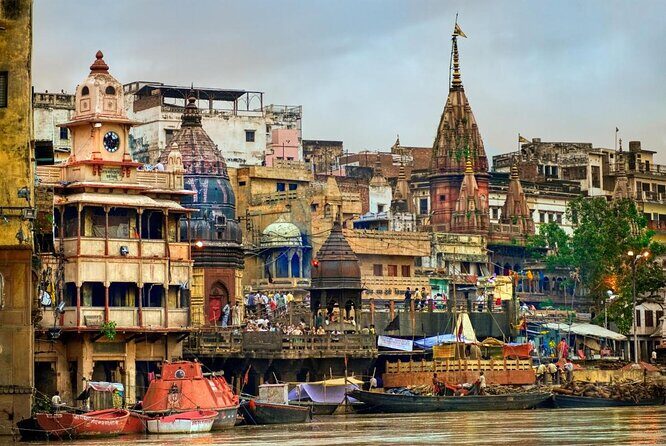
- Local guide Vicky, born in Kashi: you’re not just following a script; you’re hearing stories tied to the city’s identity
- A walking route through the oldest lanes: you get lifestyle details, not only postcard sights
- Ghat-to-temple flow: you move between river devotion, Shiva shrines, and the flower market
- Free entry at the listed stops: each stop’s ticket is free, so your time goes to the experience
- Manikarnika Ghat context: you learn the process and ritual surrounding cremation
- Private group comfort: your guide can moderate the route to fit your needs
Old City on Foot: What 3 Hours Really Gives You

This tour is built for people who want to feel Varanasi instead of ticking boxes. It’s about 3 hours of walking, and the booking info lists moderate physical fitness as the level to plan for. That matters because the best parts of the old city are in the small streets and along the ghats, where you’re on your feet for stretches.
You’ll start at St. Thomas Church on Luxa Road and end back at the meeting point. That simple loop is helpful. You don’t have to worry about matching buses or finding your way across the city afterward—you’ll be in the same neighborhood when the walk is over.
Because it’s private, it’s usually easier to ask quick questions in the moment: What does this place mean? Why is this site important? Why are people doing this today? And if you need a slower pace or a quick pause, the guide can adjust.
You can also read our reviews of more city tours in Varanasi



Meet Vicky: The Local Guide Angle That Changes Everything
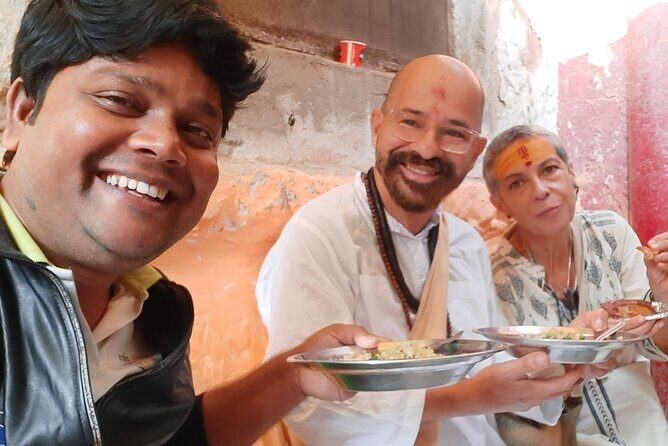
This tour runs through one guiding voice: Vicky, who says he was born in Kashi, the ancient name for Varanasi. That personal connection is more than a biography line. It shows up in how the tour is presented: cultural, traditional, religious, historical, and tied to customs of one of the oldest living cities on the planet.
One reason this tour gets praised is that the guide is not only sharing facts—he’s sharing how locals think. You’ll hear explanations that help you connect the dots between temple spaces, river life, and everyday routines around markets and shrines. There’s also an emphasis on adapting the walk to the people in your group, so the tour doesn’t feel like a rigid checklist.
In practice, this is what you want in a place like Varanasi. Without guidance, it’s easy to see temples and ghats and still miss the meaning. With Vicky, the route is framed as a story of faith and daily living, not just a set of photo spots.
Stop 1: Dashashwamedh Ghat Road and the River’s Religious Power
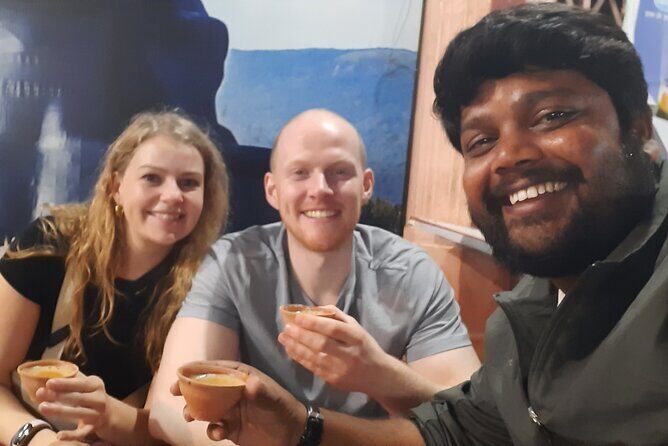
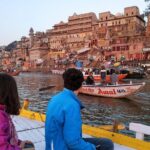
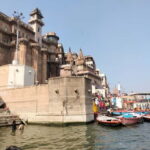
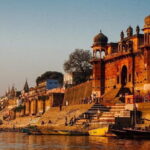
The tour begins near Dashashwamedh Ghat Road, right by the Ganga River. This ghat is described as a main ghat for Hindu devotees and one of the most important places for worship. It’s also located close to Vishwanath Temple, which adds another layer: you’re near one of the big spiritual centers of the area, even if you’re not spending long inside.
You’ll have about 15 minutes here, and admission is free. In this short window, the goal is not to master the site like a historian. It’s to get a first taste of how the river connects to devotion—how people gather, how the area feels, and why this riverfront is central to Varanasi’s identity.
The main consideration is also the most practical one: this area can be crowded around peak times. If you’re sensitive to crowds or prefer quieter moments, go in with patience and keep your focus on what your guide is pointing out.
Stop 2: Manikarnika Ghat and the Reality of Cremation Rituals
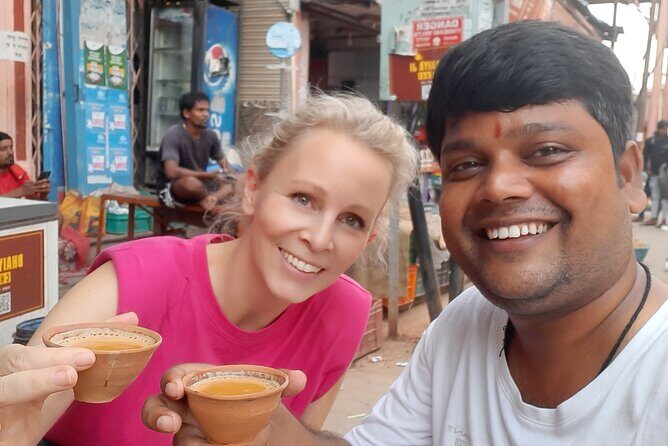
Next comes Manikarnika Ghat, described as one of the most important Hindu cremation sites, and noted as one of the oldest cremation places. The tour info is direct: every day hundreds of bodies burn here. It’s not a topic for everyone, and that’s the biggest thing you should consider before booking.
You’ll spend about 25 minutes at this stop, with admission free. The tour’s promise here is learning about the process and ritual—so your time isn’t only looking. It’s guided understanding, which matters, because without context the scene can feel random or shocking.
How to handle it? The respectful approach is simple: keep your distance, listen to the explanation, and be ready for strong emotions. If this topic affects you heavily, consider whether you want a tour that includes Manikarnika at all. If you can handle it respectfully, the context can also be surprisingly educational, showing how faith, duty, and ritual are woven into the city.
Stop 3: Nepali Temple (Kathwala Temple) for Shiva Devotion
From the intensity of Manikarnika, the tour shifts to quieter spiritual sights. The third stop is Nepali Temple, also called Kathwala Temple, dedicated to Lord Shiva. It’s located at Lalita Ghat, and the info highlights that the view of the river from the temple is attractive.
This is a short stop—about 10 minutes—and admission is free. The value here is contrast. You move from cremation rites to a shrine setting where the river view becomes part of the devotion. It’s a reminder that the Ganga isn’t only a backdrop for ritual; it’s also a living space shaping how people worship and gather.
If you want photos, this is one of the places where a careful shot might actually make sense, because the spot is described as having a good river view. Still, follow your guide’s timing and where he asks you to stand.
A few more Varanasi tours and experiences worth a look
Stop 4: Shri Vishalakshi Mata Shaktipeeth Temple, Kashi
The fourth stop is Shri Vishalakshi Mata Shaktipeeth Temple, Kashi, dedicated to Mother Sati. The tour info also notes it’s most visited by south India tourists, which is an interesting detail if you’re thinking beyond a local-only story.
You’ll spend about 5 minutes here, with free admission. That short time likely isn’t about long temple reading. It’s about introducing you to another thread in the city: Shakti devotion and the broader Indian pilgrimage map that reaches Varanasi.
Why does that matter for you? Because Varanasi isn’t only a local shrine city. It’s also a magnet for religious travelers from different regions. Seeing that connection helps you understand why the city’s spiritual identity is so widespread.
Stop 5: Dharmeswar Mahadev and the Stories Behind Kashi’s Shiv Lings
Next is Dharmeswar Mahadev, linked to a story about how Lord Shiva explains the important Shiv Lings in Kashi. The tour info says that Goddess Parvaty asked Shiva to describe them, and that in Anand Van (Kashi), Yam Raj installed a ling and underwent severe penance in prayer of Shiva.
You’ll have about 10 minutes at this stop, and admission is free. This is one of the points where a good guide changes everything. You’re not just seeing a structure—you’re hearing why it’s there, and what the story says about the spiritual geography of the city.
A practical note: because this is a myth-and-devotion explanation stop, you’ll get more out of it if you pay attention to the details your guide shares. If you’re in a rush, this kind of stop can feel too fast. If you like stories with religious meaning, it’s a highlight.
Stop 6: Phool Bazar, Flowers as Everyday Offering
The final stop is Phool Bazar, described as one of the most beautiful and colorful markets where farmers bring flowers to sell. You’ll spend about 15 minutes, with free admission.
This part is a smart ending. After temples and ghats, you get an everyday angle: how devotion connects to commerce, and how the materials of worship move through the city. Flowers may sound simple, but in Varanasi they’re part of the system—what people use, where they buy, and how offerings stay flowing.
Because it’s a market area, you may also see plenty of movement and activity. Keep your eyes open for what your guide points out and be ready for the sensory shift: lots of color, lots of vendor energy, and the feeling that the city is always working.
Why This Tour Feels More Authentic Than a Checklist
A “must-see” route can turn into a line of monuments and no meaning. This tour is different because it’s framed as a walk through local lifestyle in the oldest and smallest streets of Varanasi. That’s where the city’s personality shows up: how people move between faith spaces, how the river shapes routines, and how markets feed the daily rhythm of offerings.
The guide-led aspect also matters. Vicky’s style is described as thoughtful, friendly, and able to moderate tours to meet individual needs. That translates into a tour where you aren’t forced to keep up at full speed or absorb every detail at once. You can ask, pause, and adjust—especially helpful when you’re dealing with religious sites that may be unfamiliar.
And the “hidden temple” idea comes into play too: this route aims to show you places that a routine tourist route might skip. Even when the stop list is short, the street-walking approach can make it feel like you’re learning the city’s rhythm, not just visiting famous points.
Cost and Value: Is $45 Worth It?
At $45 for about 3 hours, this tour is priced like a proper guided experience, and the structure supports that value. You get:
- A private walk (only your group)
- A local guide with a city-born connection
- Multiple stops across ghats and temples
- Admission noted as free for the listed stops
- A route that includes both major sites and street-level local life
Where value can vary is in what you personally care about. If you only want iconic temples and don’t want cremation context at all, you might feel the time is spent on scenes you’d rather skip. But if you want the real Varanasi story—faith, ritual, daily practice, and the riverfront’s importance—then the price-to-time ratio looks strong.
Also keep in mind: the tour doesn’t mention any included purchases. So you’ll likely only spend extra if you choose to buy something in Phool Bazar or cover small personal needs while walking.
Who Should Book This (and Who Should Rethink It)
This tour fits best if you:
- Want a guided, story-based introduction to Varanasi
- Enjoy walking and learning from a local guide
- Are comfortable visiting religious sites in an active city setting
- Can handle a serious stop at a cremation ghat with context
You might rethink booking if you’re uncomfortable with cremation rituals. Manikarnika is part of the route, and the tour info is clear about what happens there daily. Even with guidance, that’s not an easy topic.
Also, since it’s moderate walking, people who prefer very short excursions might find the total time and old-city streets challenging. The upside is that private touring makes pacing easier, but it’s still a walking experience.
Quick Practical Tips Before You Go
A few common-sense things can make a big difference:
- Plan for walking during the full 3 hours, including market and ghat areas.
- Wear comfortable shoes since you’ll be moving through older lanes and temple surroundings.
- Keep your attitude respectful and calm at religious stops, especially at Manikarnika, where your guide will explain the process and ritual.
- Bring a light layer if weather feels changeable.
Your guide will shape the moment-to-moment experience, so your job is mostly to show up ready to listen and walk.
FAQ
How long is the Varanasi Old City and Street Tour?
It’s listed as approximately 3 hours.
How much does the tour cost?
The price is $45.
Is this tour private or shared?
It’s a private tour/activity, so only your group will participate.
Where does the tour start?
The meeting point is St. Thomas Church, Luxa Rd, Varanasi, Uttar Pradesh 221001.
Do I need to buy entry tickets for the stops?
The listed stops show admission ticket free.
What does the tour include?
You’ll visit: Dashashwamedh Ghat Road, Manikarnika Ghat, Nepali Temple (Kathwala Temple), Shri Vishalakshi Mata Shaktipeeth Temple, Kashi, Dharmeswar Mahadev, and Phool Bazar.
Is there a mobile ticket?
Yes, the tour includes a mobile ticket.
Will I get confirmation after booking?
You’ll receive confirmation at the time of booking.
Is the tour suitable for someone with limited mobility?
The info says travelers should have a moderate physical fitness level.
What is the cancellation policy?
You can cancel for a full refund up to 24 hours in advance. If you cancel less than 24 hours before the start time, the amount paid isn’t refunded.
Should You Book This Varanasi Old City Street Tour?
Book it if you want more than sightseeing. This is the kind of tour where Vicky’s local connection, the street-walking route, and the mix of ghats, Shiva temples, and Phool Bazar can help you understand why Varanasi works the way it does.
Skip or choose carefully if cremation rituals at Manikarnika feel like too much for you. That stop is part of the experience, and the tour is built around learning the process and ritual in context.
If you’re open-minded, respectful, and ready for a serious, meaningful walk through Kashi, this is a strong pick for getting your bearings and learning fast.