REVIEW · NEW DELHI
Half-Day Premium Delhi Heritage Cycling Tour – An Illustrious Tryst with time
Book on Viator →Operated by The Bike Tribe · Bookable on Viator
A 7:00 AM cycling loop turns Delhi’s main sights into something more personal than a quick bus stop, and it strings together tombs, garden calm, and street art in just a half day. I like that the tour is built around specific places most people skim, then connects them with a comfortable ride through neighborhoods you’d otherwise just pass through.
Two things I especially like: you get included breaks and drinks that keep the morning sane, and the pace stays human because the group tops out at 17 riders. One consideration: hotel pickup isn’t included, so you’ll need to make your own way to the start at Centenary Methodist Church on Lodhi Road.
If you’re the sort of traveler who likes landmarks with context—who wants to know what you’re seeing and why it matters—this route makes it easy. You’ll finish at Devan’s South Indian Coffee and Tea, which is a nice, low-key landing spot after a ride that runs about 4 to 6 hours.
In This Review
- Key highlights you’ll feel on this tour
- Why the 7:00 AM start changes the whole ride
- Getting there: start at Lodhi Road, finish at Devan’s Café
- Lodhi Gardens: tombs and 15th-century gumbads in city green
- Safdarjung Tomb: the late Mughal mausoleum with carving details
- Cycling through Amrita Sher-Gil Lane: elites, influence, and a slower read
- India Habitat Centre: where urban design gets physical
- Lodhi Art District murals: India’s open-air gallery wall
- Included gear, water, and drinks: good value in the small things
- A morning guided ride works best when you want more than photos
- Should you book this Delhi heritage cycling tour?
- FAQ
- FAQ
- How long is the Delhi heritage cycling tour?
- How much does the tour cost?
- What time does the tour start?
- Where do I meet the tour?
- Where does the tour end?
- Is hotel pick-up and drop-off included?
- What’s included in the price?
- Are admission tickets included?
- What are the age and group limits?
- What if the weather is bad?
- What’s the cancellation window?
Key highlights you’ll feel on this tour
- 7:00 AM departure for a smoother start and better light for photos at several key stops
- Lodhi Gardens (90 acres) with multiple Delhi Sultanate-era mausoleums and 15th-century gumbads
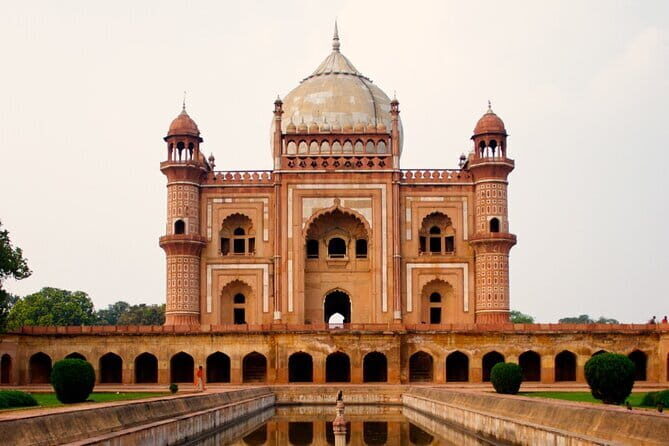
- Safdarjung Tomb with late Mughal style and attention to sandstone carving details
- Lodhi Art District as India’s first open-air mural zone, with 25 artists credited for the walls
- Comfort-focused inclusions like helmet, safety jacket, bottled water, and coffee or coconut water
Why the 7:00 AM start changes the whole ride
This tour runs in the morning, starting at 7:00 AM outside Centenary Methodist Church on Lodhi Road. That timing isn’t just a scheduling detail. In Delhi, earlier hours usually mean you’ll spend less of your time fighting crowds and more of your time noticing details—especially in places like Lodhi Gardens and Safdarjung Tomb where the vibe depends on quiet, not volume.
The other big reason the start matters is how it shapes your energy. You’ll be cycling for a good chunk of the morning, with stops where you can slow down, look closely, and then roll on. If you’ve ever tried to do heritage spots later in the day, you know the pattern: you rush, you miss things, you feel cooked. Here, the structure is designed to keep you moving steadily without turning the day into a sprint.
Also, this is one of those tours that runs only when conditions are right. The provider notes it requires good weather. If you’re booking in a season when storms or heat can interfere, plan with a bit of flexibility.
Finally, the tour leader and group size cap help you settle into the ride faster. With up to 17 people, it’s big enough to feel like a group experience, but small enough that instructions don’t get lost.
You can also read our reviews of more cycling tours in New Delhi



Getting there: start at Lodhi Road, finish at Devan’s Café
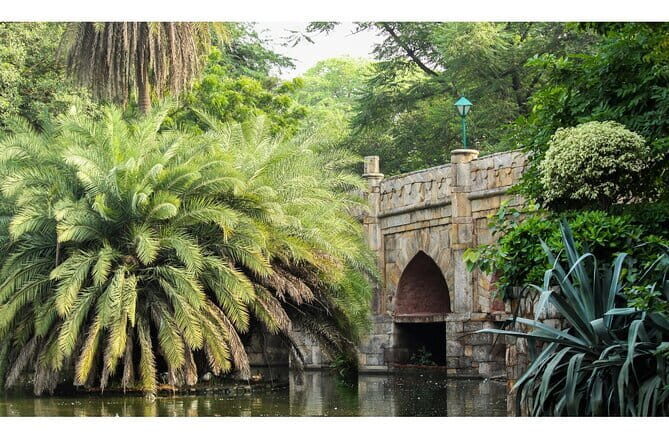
The start point is very specific: Centenary Methodist Church, 24 Lodhi Rd, CGO Complex, Pragati Vihar, New Delhi. The end point is equally clear: Devan’s South Indian Coffee and Tea (pvt ltd), 131 Khanna Market Rd, near Laxmi Tent House, Block D, Lodi Colony.
Hotel pickup isn’t included, though the provider says it can be arranged on prior notice. So if you’re staying outside easy ride distance to Lodhi Road, factor in your own transit plan early. I’d rather you spend five minutes organizing that now than waste the first hour of your morning figuring it out.
The nice part of ending at Devan’s is that it’s not just a random drop-off. Coffee in hand, you can stretch your legs, cool down, and plan your next stop without needing to immediately jump back into logistics.
Practical tip: arrive a few minutes early. Cycling tours are only smooth when everyone is rolling together, and you’ll want time to get fitted with your helmet and safety jacket.
Lodhi Gardens: tombs and 15th-century gumbads in city green
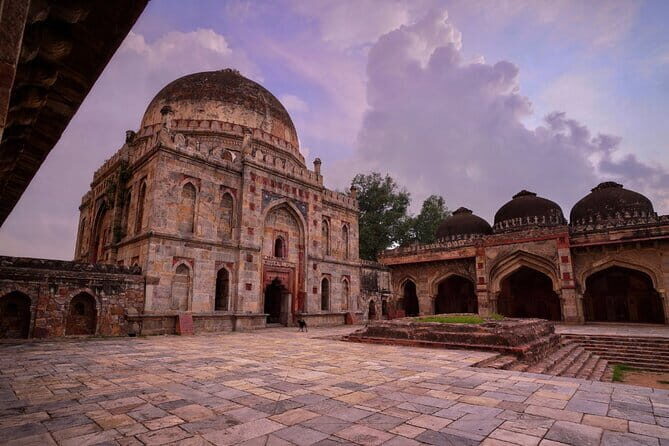
Your first major stop is Lodhi Gardens, and you’ll spend about 2 hours here. The park covers about 90 acres (360,000 m²), so it’s not a quick lawn you zip through. It’s a real heritage space where architecture and landscape work together.
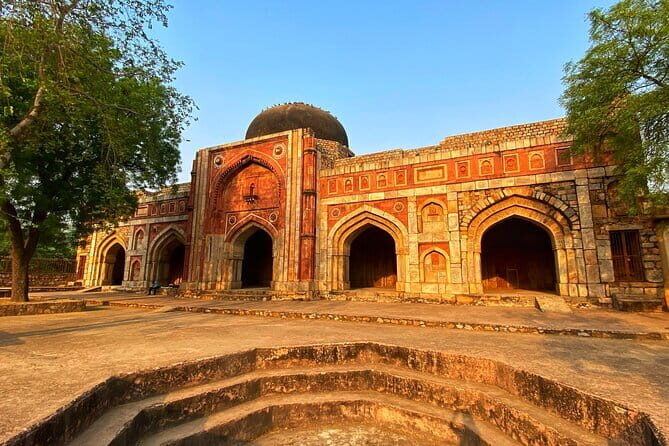
This is where you’ll get your first serious look at Delhi Sultanate-era rulers, including Mohammed Shah’s Tomb and the Tomb of Sikandar Lodi. You’ll also see architectural works like the Shisha Gumbad and the Bara Gumbad, credited to the 15th century.
What I like about this stop for cyclists is that it gives you a built-in reset. You start the day on a bike, then you shift to walking, looking, and taking your time. You’re not just chasing photos—you’re learning how the city’s power once expressed itself through stone, domes, and formal layouts.
A possible drawback: with 2 hours, you’ll want to be ready to slow down. If you prefer ultra-fast sightseeing, you might feel like it’s “taking too long.” But if you like monuments you can actually study, the time is exactly right.
Admission is included for this stop, which helps you avoid small ticket hassles mid-tour.
Safdarjung Tomb: the late Mughal mausoleum with carving details
Next you cycle to Safdarjung Tomb, with about 1 hour on site and admission included. Built in 1754, it’s described as a sandstone and marble mausoleum in the late Mughal Empire style, made for Nawab Safdarjung.
This stop has a different feel than Lodhi Gardens. The description emphasizes a sense of spaciousness and an imposing presence—basically, it doesn’t feel like a cramped monument you peek at from the outside. You get a chance to focus on the material and the design.
One of the tour’s most useful promises here is attention to detail: you’ll see distinguishable carvings made of reddish yellow sandstone. That’s the kind of thing you’d never notice if you were rushing past on a bus or standing too far away.
Also, late Mughal style means the “why” of the architecture is part of the experience: symmetry, stonework, and the way domes and ornamentation communicate status. Even if you don’t read every plaque, you’ll walk away with a clearer sense of how Delhi’s dynasties evolved in the centuries after the Sultanate era.
If you’re tired, this is a good stop to rest your legs. If you’re not, it’s a good stop to slow down mentally. Either way, it balances out the morning’s movement.
Cycling through Amrita Sher-Gil Lane: elites, influence, and a slower read
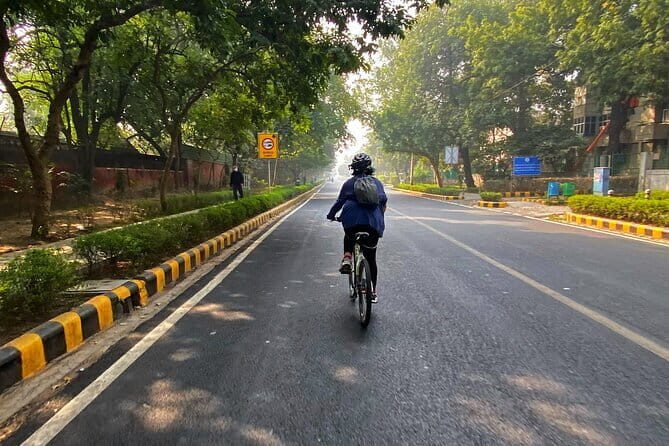
After Safdarjung Tomb, the route takes you through Amrita Sher-Gil Lane, described as a place that houses elites and influential families of India. This part isn’t about a single monument you’ll ticket. It’s about changing your lens—from grand heritage to the quieter reality of where power and prestige live today.
For cyclists, this stretch can be surprisingly valuable. You’re not just collecting stops; you’re building a sense of Delhi’s layout. You start in a formal garden setting, move to a mausoleum, then glide into a more residential street character where the city’s modern identity shows through.
What to watch for: shift from “what is this building called?” to “what does this street feel like?” You’ll notice how the pace of life changes block by block. It’s also a helpful mental transition before you hit the art and architecture stops later.
If you prefer strictly landmark-to-landmark tours, this section might feel lighter on headline sights. But it’s often the part that makes the day feel like an actual neighborhood ride, not just a checklist.
You can also read our reviews of more historical tours in New Delhi






India Habitat Centre: where urban design gets physical
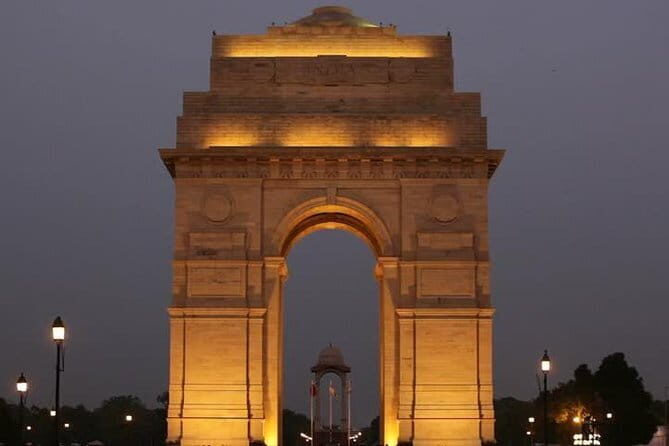
Your next stop is India Habitat Centre (IHC), with about 30 minutes and admission included. IHC is framed here as a major work in urban design and architecture, created to catalyze a synergetic relationship between individuals and institutions working in habitat-related areas, with the goal of maximizing their total effectiveness.
That might sound abstract, but on-site, you’ll likely read it in the building’s purpose and layout: it’s not just a structure to look at, it’s a place meant for interaction and real-world work. That is a different type of Delhi story than the one told by tombs, and I like that the tour includes it.
In terms of time, 30 minutes is enough to get your bearings—see key spaces, take a few photos, and absorb the design idea—without rushing. It also keeps the tour moving toward the more expressive Lodhi Art District.
The tradeoff: if architecture is your main passion and you want long indoor time, you might wish for more. The stop is short by design so you can still hit everything else comfortably in a half-day window.
Lodhi Art District murals: India’s open-air gallery wall

Then comes Lodhi Art District, where you’ll spend around 40 minutes. This mural zone is described as India’s first open-air art district, built by 25 street artists from India and around the world. The walls were painted as a way to soothe viewers’ souls, which is a sweet line—and honestly, the whole idea is mood as much as art.
This stop is also practical: admission is free, so you’re not paying for a ticketed experience. You’re walking a path of color and creativity, and the time limit means you get enough without the “stand and stare forever” risk.
What you can do with those 40 minutes:
- Pick a few murals to study instead of trying to photograph everything
- Look for how the style shifts across walls, since the artists are credited as coming from multiple places
- Use it as your mental recharge before the final ride and coffee finish
One consideration: street art is visual and immediate, but it’s also easy to treat like a backdrop. If you want it to feel meaningful, slow down for a moment. Let your eyes adjust. You’ll usually pick up more detail that way.
Included gear, water, and drinks: good value in the small things
This tour is priced at $60 for a 4 to 6 hour experience, and the value comes from what’s folded in. You’re not just paying for a guide and a bike. Included items cover the basics that make a morning ride actually enjoyable.
Here’s what you get:
- A premium geared Trek Marlin 4 (2021 model)
- Helmet and safety jacket
- Bottled water (1 liter each)
- Coffee and/or tea
- Fresh coconut water or specialty Indian coffee
- A cycle tour leader/guide
- GST (goods and services tax)
Two stops also include admission: Lodhi Gardens and Safdarjung Tomb, plus India Habitat Centre. Lodhi Art District is free.
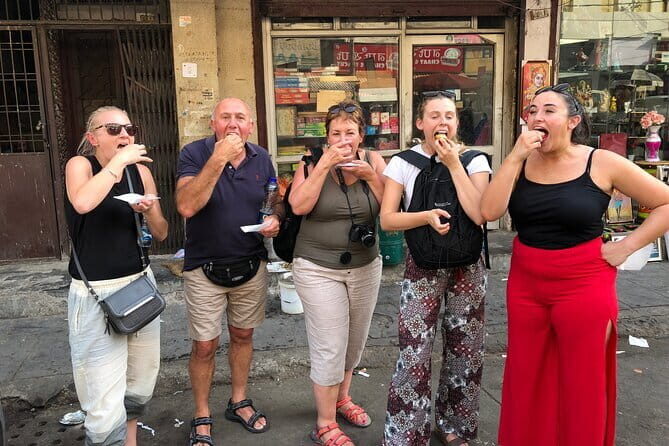
My take on the $60 price: for this kind of half-day structure—heritage sites plus street art plus built-in refreshment—it’s not a bad deal. The included bike and safety gear alone reduce the usual friction of renting or borrowing. And the food and drinks help you stay comfortable instead of spending extra money or time looking for snacks.
One more thing: the tour offers group discounts and uses a mobile ticket. If you’re booking with friends, that’s worth checking early.
A morning guided ride works best when you want more than photos
This is the kind of tour that suits people who enjoy organization. You show up, you get the bike and helmet, and you roll through a curated route. It’s especially a good fit if you like the mix of old and new Delhi: tombs and gumbads in the morning, a design-focused cultural space, then mural art as your wrap-up.
It also helps that the group size is capped at 17. That small cap often means the guide can keep an eye on everyone—timing your rest breaks and making sure you don’t spend your whole ride waiting.
From the information provided, the minimum age is 14, and it notes most travelers can participate. So if you’re generally comfortable cycling for a half day and you don’t need a very slow walking pace, you’re likely fine.
The main “should I reconsider?” moments are weather and transit. This tour requires good weather, and you handle your own arrival and departure unless arranged in advance.
Should you book this Delhi heritage cycling tour?
Book it if you want a half-day cycling experience that mixes heritage monuments with art and modern architecture, and you’d like your drinks, water, and key admissions taken care of. The route also makes sense: Lodhi Gardens gives you a calm heritage start, Safdarjung Tomb adds late Mughal atmosphere, Lodhi Art District gives a creative payoff, and India Habitat Centre adds a design-focused pause.
Don’t book it if you hate doing your own logistics to get to the start, or if you’re traveling on a day when weather might be unstable. You’ll want the morning to run smoothly.
If you do book, do this: plan your ride to arrive a few minutes early at Centenary Methodist Church, wear comfortable clothes for cycling, and bring a little patience for stops where you’ll slow down to look closely. This tour works because it gives you time to see, not just time to pass through.
FAQ
FAQ
How long is the Delhi heritage cycling tour?
It runs for about 4 to 6 hours.
How much does the tour cost?
The price is $60.
What time does the tour start?
The start time is 7:00 AM.
Where do I meet the tour?
Meet outside Centenary Methodist Church, 24 Lodhi Rd, CGO Complex, Pragati Vihar, New Delhi.
Where does the tour end?
The tour ends at Devan’s South Indian Coffee and Tea pvt ltd, 131 Khanna Market Rd, near Laxmi Tent House, Block D, Lodi Colony, New Delhi.
Is hotel pick-up and drop-off included?
No. Transport isn’t included, but it can be arranged on prior notice.
What’s included in the price?
Included items listed are coffee and/or tea, bottled water (1 liter each), premium Trek Marlin 4 bicycle, helmet, safety jacket, GST, the cycle tour leader/guide, and fresh coconut water or speciality Indian coffee.
Are admission tickets included?
Yes for Lodhi Gardens, Safdarjung Tomb, and India Habitat Centre. Lodhi Art District admission is free.
What are the age and group limits?
The minimum age is 14, and the maximum group size is 17 travelers.
What if the weather is bad?
The tour requires good weather. If it’s canceled due to poor weather, you’ll be offered a different date or a full refund.
What’s the cancellation window?
You can cancel for a full refund if you cancel up to 24 hours in advance of the experience start time.