REVIEW · VARANASI
Varanasi: Ganga Arti Evening Light Ceremony on the Main Ghat
Book on GetYourGuide →Operated by Walk2Xplor · Bookable on GetYourGuide
One moment on the Ganges makes the whole city click. This evening experience takes you to Dashashwamedh Ghat at sunset for the famous Ganga Arti, then adds a boat ride beforehand so you see key parts of Varanasi from the river. It’s a living, daily ceremony that draws huge crowds, and your guide helps you make sense of what’s happening beyond the lights.
What I like most is the pairing: you get the visual spectacle of the lamps, but you also get context for the spiritual side. I also like the small-group approach (limited to 10) and the practical setup—chairs for the ceremony and a dedicated plan to get you in without getting stuck at the main entry crush. One consideration: the ceremony is crowded and the streets are packed, so it’s not ideal if you’re mobility-limited or easily overwhelmed by crowds.
In This Review
- Key highlights worth your attention
- Why Dashashwamedh Ghat at sunset feels different from a typical show
- Meeting at Hotel Ganges Grand, then walking through a crowd on purpose
- The Ganges boat cruise: cremation ghats views and a hard-to-forget contrast
- Getting your viewing spot for the Ganga Arti without wasting the night
- The guided explanation: making sense of rituals, not just watching lights
- Cremation, death, and respect: when you’re close to real traditions
- Price and value: what $43 buys (and what it doesn’t)
- Who should book this Ganga Arti experience (and who should skip)
- Should you book this Ganga Arti evening ceremony?
- FAQ
- Where does the tour start?
- How long is the experience?
- Is the ceremony held only on clear days?
- What time of day does the tour operate?
- Does the tour include a boat ride?
- What’s included, and what should I budget for separately?
- Is there a line to wait in at the ghat?
- How big is the group?
- Is alcohol allowed?
- Is it suitable for wheelchair users?
Key highlights worth your attention
- Boat ride on the Ganges before the ceremony, with a view of the cremation ghats
- Dashashwamedh Ghat at sunset, a daily ritual that continues rain or shine
- Ganga Arti from a main-ghi alt spot with organized seating on the ghat
- Guided explanation in English, covering the meaning of the rituals
- Small group size (up to 10), which keeps things from turning into chaos
- Skip-the-line entry via a separate entrance
Why Dashashwamedh Ghat at sunset feels different from a typical show
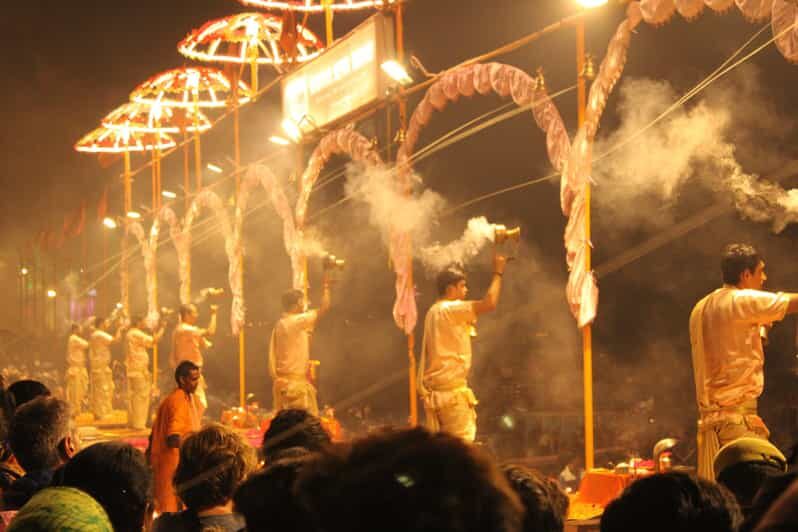
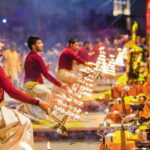
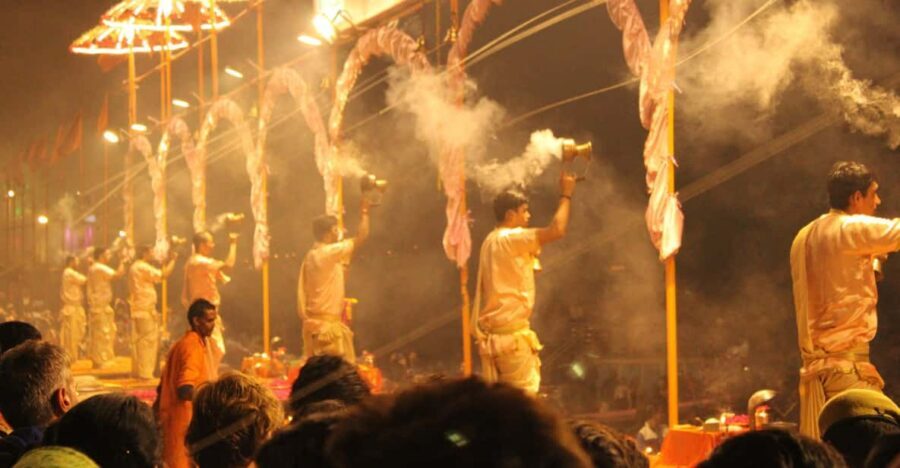
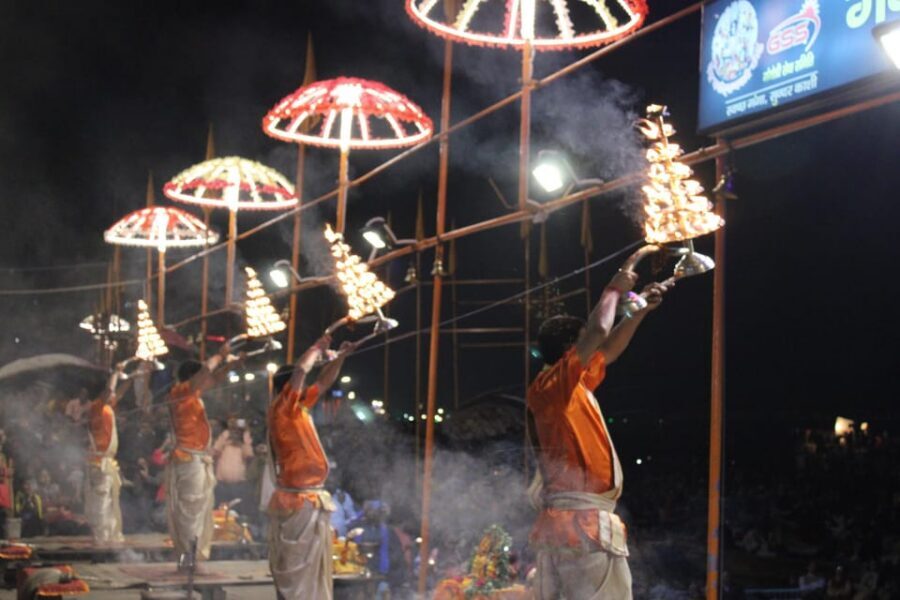
The Ganga Arti at Dashashwamedh Ghat isn’t a once-a-week performance for tourists. It’s a daily sunset ceremony that goes on at the main ghat regardless of weather, which changes how you experience it. Instead of feeling like you’re watching a staged event, you feel like you’ve joined a routine that locals treat as part of life.
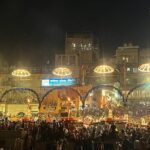
Sunset timing matters here. The light softens the river and makes the lamps look sharper, and the shifting crowd energy is part of the show. The ghat area is packed—thousands attend—so the value of a planned viewing spot really shows. You’re not wandering and hoping you’ll find a place; you’re guided into a spot that lets you actually see what’s happening.
One more thing: the ceremony includes cremation-related context, and that’s not a minor detail. It’s part of how Varanasi connects belief, death, and the river into a single worldview. If that topic makes you uncomfortable, I’d think carefully before booking.
You can also read our reviews of more evening experiences in Varanasi

Meeting at Hotel Ganges Grand, then walking through a crowd on purpose
You meet at Hotel Ganges Grand at Godowlia Crossing, and it’s in a no-vehicle zone, so you won’t be dropped right at the ghat entrance by car. Instead, the tour has you walking from the hotel area into the ghat zone, and that walk is where the city really turns into a sensory experience.
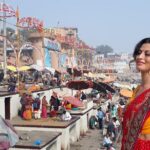
The route takes you along a traditional local market street packed with people and shopfronts. Think goods like Chinese silk clothes, cosmetics for ladies, bags, and simple road-side food. The practical win is that your guide helps you find the route through the density, instead of you spending precious evening time trying to “figure it out” in the dark.
Is it a drawback? It can be. Expect lots of bodies, narrow paths, and slow movement. If you’re over 70, if you have trouble walking in crowds, or if you’re not steady on your feet, this part can feel stressful fast.
The Ganges boat cruise: cremation ghats views and a hard-to-forget contrast
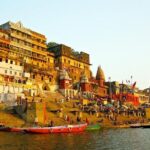
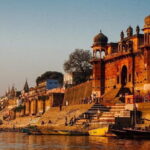
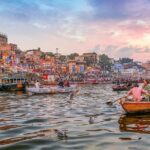
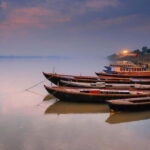
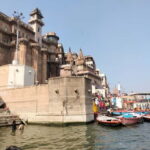
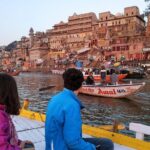
Before you settle into the main ghat ceremony, you do a river boat ride. This isn’t just a sightseeing add-on. It’s your chance to see how Varanasi functions around the Ganges, including the cremation ghats along the river.
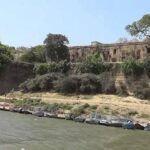
From the boat, you can spot the cremation ghats and start to understand why the city frames the river as more than scenery. The tour also points you toward the idea of SALVATION—how people view life, death, and release in relation to the water. Even if you’re not religious, you can’t ignore the intensity of that connection once you see it from the river.
A practical note: the boat ride is timed for the evening flow, so light is changing and attention is divided. If you want photos, bring a plan for your device (secure grip, strap, and quick shots), and be ready for crowds at the banks before the ceremony. One booking specifically credited the guide Karan for great photo moments, which tells you that having an attentive guide can help with both angles and timing.
If you’re trying to decide what matters more to you—boats or the ghat—here’s a real consideration: the chair seating may not feel perfect for every guest, and some people prefer watching parts of the ceremony from the river itself. So go in understanding that the boat view may be the most emotionally “clean” experience if you end up finding the chair area limiting.
Getting your viewing spot for the Ganga Arti without wasting the night
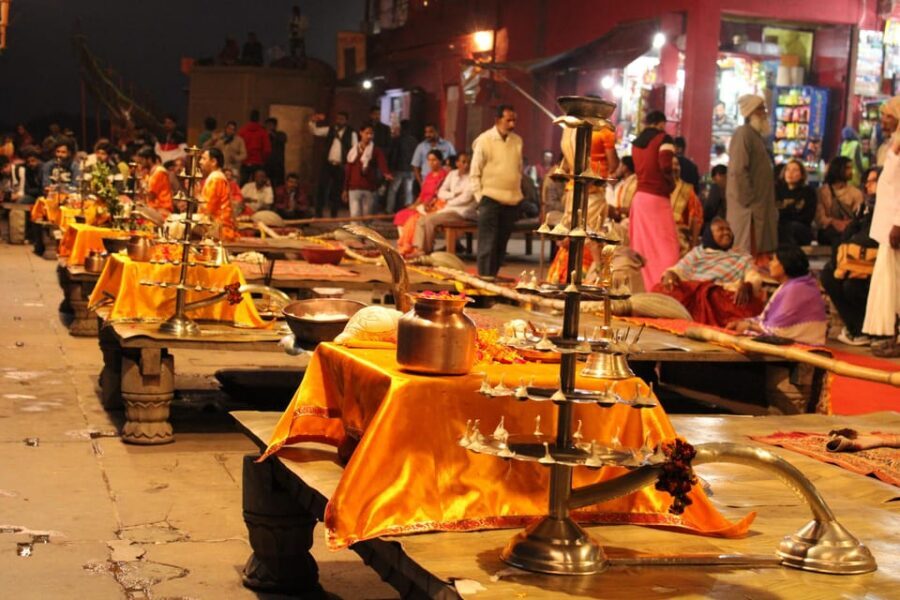
The core of the evening is Ganga Arti at the main ghat, and the tour is designed around getting you to a seated area with a clear line of sight. You’ll walk to the ghat, get your place, and then settle in for the lights and chanting.
Two things make this setup valuable:
First, there’s a separate entrance to help you skip the line. In a crowd this size, time is the difference between seeing the whole ceremony and missing parts while you squeeze in.
Second, the tour includes chairs for the Arti. For many people, that’s a game-changer because standing in a packed ghat area for long minutes is exhausting. Still, chair comfort and sightlines can vary based on where you’re seated. In one case, a guest felt the chair setup didn’t match expectations for the price and chose to watch more from the boat view instead. So, if you’re sensitive about seating quality, keep your expectations flexible.
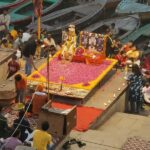
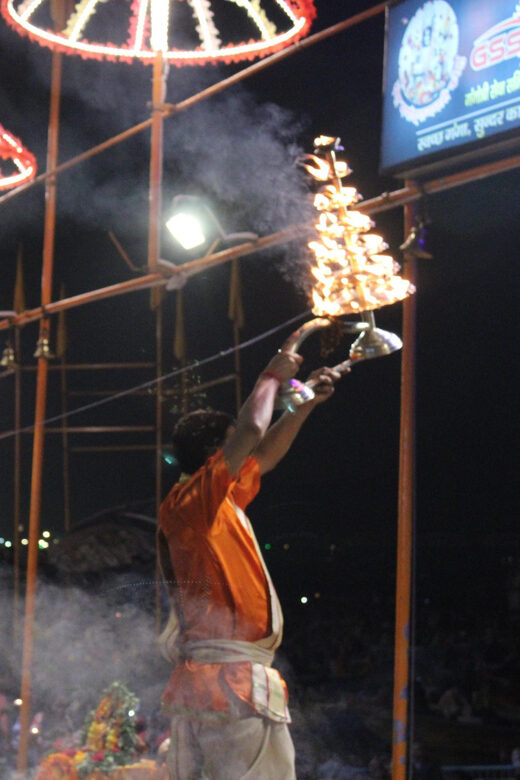
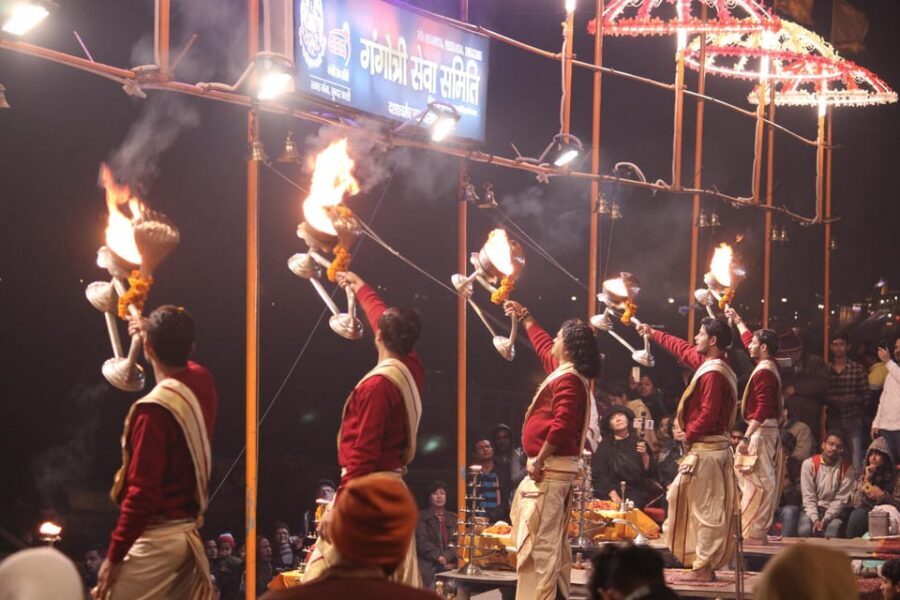
What you’ll notice at the ceremony itself is how coordinated everything is. Lamps, movement, chanting, and crowd response all blend into a single rhythm. Even for people who aren’t religious, there’s a recognizable pattern: the crowd gathers, the ritual begins, and the entire ghat seems to breathe in sync with the flames.
The guided explanation: making sense of rituals, not just watching lights
This tour stands or falls on the explanation. A live English guide gives you the “what” and the “why,” not only the timing. The ghat isn’t just pretty; it’s meaningful, and the guide helps you translate what you’re seeing into something you can actually understand.
In at least one booking, guide A.J stood out for answering questions with specifics and leading the group to a strong viewing spot described as VIP, with no one directly in front. That kind of guidance can change the experience from chaotic to coherent. Another guest credited Karan for explaining the importance of the city and rituals in detail, plus helping with restaurant recommendations afterward.
You’ll likely hear about how the ceremony functions within Hindu practice, why the cremation ghats matter in the city’s worldview, and how Varanasi’s culture ties the river to spiritual outcomes. The “SALVATION” framing isn’t just a slogan here—it reflects why so many people show up at sunset every day.
One drawback to expect: English interpretation quality can depend on the specific guide and the flow of the crowd. The overall tour model is strong, but a language barrier can soften details for some guests. If you want the most educational version, come with curiosity and be ready to ask follow-up questions.

Cremation, death, and respect: when you’re close to real traditions
Because the experience includes views of cremation ghats, the emotional tone can be heavier than a standard temple-night outing. This is not a sanitized “tour version.” You’re seeing a real part of Varanasi’s spiritual ecosystem, and the tour’s value comes from how it helps you contextualize that reality.
If you’re expecting only dancing flames and photo ops, you may find it jarring. The best way to handle it is to treat the ceremony as a cultural encounter that includes solemn themes. You’ll get the most from it if you approach it with respect and a willingness to sit with discomfort for a short while.
Also, the tour has rules: no alcohol and no drugs. That’s not just policy—when you’re in a tightly packed sacred space, it helps keep the environment calm and respectful.
Price and value: what $43 buys (and what it doesn’t)
At about $43 per person for a ~2-hour evening program, you’re paying for three things: guided access, a boat ride component, and a planned ceremony viewing setup.
Here’s how the value calculation usually works out:
- If you care about both the river view and the main ghat ceremony, the boat ride plus chair seating is a clean package.
- If you mainly want the lamps and chanting, the boat portion may feel like extra time, especially if chair seating doesn’t perfectly match your sightline.
- The small group size (up to 10) is part of what you’re paying for. It often means less crowd-management stress for you, and a guide who can actually answer questions.
What’s not included matters too: there’s no hotel pickup/drop-off and no food or drinks. So budget for your own water and snacks earlier or afterward. Since you’re in the middle of a busy market street before the ceremony, you may be tempted to buy something on the spot, but it’s still smart to plan ahead so hunger doesn’t mess with your attention.
If you’re the type who expects every included element to be flawless—perfect chair position, perfect sightline—read this as a gentle caution. One guest felt the chair setup wasn’t up to the price. That doesn’t mean the experience is bad; it means you should treat the booking as a shared, crowd-based experience where small variations happen.
Who should book this Ganga Arti experience (and who should skip)
This is best for you if you want a structured, guided evening at the main ghat and you also want the river view that explains the city’s connection to cremation ghats. It’s also a good fit if you like learning from guides and asking questions, not just taking photos in silence.
It’s not a good fit if any of these apply:
- Wheelchair users
- Babies under 1 year
- People over 95 years
- People over 70 years
- Anyone who can’t handle walking through packed streets and standing/sitting in a crowded waterfront area for part of the evening
If you’re traveling with mobility limits, consider a different format that prioritizes easier access. The tour’s flow is built around walking and crowd navigation.
For everyone else: wear sensible footwear and keep your phone/wallet secure during the market-area walk. It’s a crowded evening, and you’ll enjoy the ceremony more if you’re not mentally doing damage control every minute.
Should you book this Ganga Arti evening ceremony?
I’d book it if you want the full Varanasi feel: river first, then the lamps at Dashashwamedh Ghat, plus an English guide who helps you connect rituals to meaning. The boat ride is a strong hook, and the skip-the-line plan is exactly what you want in a crowd this size.
I’d think twice if:
- cremation-related sights would seriously upset you,
- you’re expecting guaranteed “front row” chair comfort,
- or you have mobility or crowd tolerance concerns.
If you fall into the “open-minded but practical” category, this tour is one of the smarter ways to experience the Ganga Arti because it gives you context, timing, and a plan—without pretending the city is anything other than real.
FAQ
Where does the tour start?
You meet at Hotel Ganges Grand in Varanasi, at the Godowlia Crossing area. The instructions say to look for your guide in the small open area at the hotel entrance, and note the hotel is in a no-vehicle zone.
How long is the experience?
The activity is listed as 2 hours.
Is the ceremony held only on clear days?
No. The Arti is stated to start at sunset every evening no matter what the weather is.
What time of day does the tour operate?
It’s planned around sunset, because the Ganga Arti at Dashashwamedh Ghat starts at sunset.
Does the tour include a boat ride?
Yes. You do a Ganges boat ride before watching the ceremony.
What’s included, and what should I budget for separately?
Included: a guide, chairs for the Ganga Arti, and a river boat ride. Not included: hotel pickup/drop-off and food and drinks.
Is there a line to wait in at the ghat?
The tour includes skip-the-line entry through a separate entrance.
How big is the group?
It’s limited to a small group of up to 10 participants.
Is alcohol allowed?
No. The activity lists alcohol and drugs as not allowed.
Is it suitable for wheelchair users?
No. The tour is listed as not suitable for wheelchair users. It’s also not suitable for babies under 1 and for people over 70, among other age limitations.