REVIEW · VARANASI
Tour of the Villages of Varanasi (Guided Sightseeing Tour by Car)
Book on Viator →Operated by Yo Tours · Bookable on Viator
Farming hands meet city travelers near Varanasi. What makes this day interesting is the people-first approach, led by an English and Hindi storyteller-guide who helps you read what’s happening in each village, not just pass by. You get a car-based route that keeps the focus on the rural work and conversations, with fewer hassles than bouncing around on your own.
My favorite part is the hands-on village life moments: you’ll learn how ploughing and sowing work, see cattle grazing and dairy farming, and spend time around school life and rural kids. The main drawback to consider is that the quality of your day can depend heavily on your guide’s energy and how closely the schedule is followed, so it’s worth going in with clear expectations and asking questions early.
In This Review
- Key things you’ll notice on this Varanasi village car tour
- Why Varanasi’s village edge feels different from city sightseeing
- Price and value for a private group up to 3
- The 8-hour pacing: what the day actually demands
- Stop 1 in the Varanasi district: setting the frame
- Saray Mohana for silk weaving and Banarasi craftsmanship
- Kapildhara: ploughing, sowing, dairy, and learning local cooking
- Chiraigaon and the house of Chiraigu: everyday village livelihood
- Rameshwar on the Varuna River: farms, Sanskrit school, and ashrams
- Lunch, tea/coffee, and what to pay attention to at meals
- How to get the most from your guide (including the strong example of Manish)
- Who should book this Varanasi village tour, and who might want a different plan
- Should you book this Tour of the Villages of Varanasi?
- FAQ
- How long is the Tour of the Villages of Varanasi?
- Is hotel pickup included?
- How much does the tour cost?
- Is the tour private?
- What languages does the guide speak?
- What meals and drinks are included?
- What is not included?
- What happens if the weather is bad?
Key things you’ll notice on this Varanasi village car tour
- English and Hindi guidance that turns everyday tasks into explanations you can actually use
- Saray Mohana silk craft and what makes Banarasi-style weaving so respected
- Farm work you can observe (ploughing, sowing, cattle, dairy) in a real, lived-in setting
- School and kids time in village communities, with a focus on daily life rather than sightseeing poses
- Rameshwar by the Varuna River where you can connect agriculture, animal work, and learning spaces
Why Varanasi’s village edge feels different from city sightseeing
Varanasi is famous for temples, stairs, and river life. This kind of tour gives you a second lens: how people live in the village belt outside the city, where farming, craft, and family routines shape the day. It’s also a nice antidote to the idea that you only need to see famous monuments to understand a place.
I like that the tour is built around work and community, not just photo stops. You’ll get context for how food and labor connect, from the basics of home cooking to the rhythms of seasonal agriculture. If you want Varanasi as more than a river spectacle, this route pushes you in that direction.
You can also read our reviews of more guided tours in Varanasi


Price and value for a private group up to 3
The price is $128.01 per group for up to 3 people, which can work out well if you’re traveling with friends or family. When you split it, you’re often paying less per person than you’d expect for a private car plus a guide who stays with you the full day.
You also get several cost-savers baked into the day: lunch, coffee and/or tea, and all fees and taxes. The tour doesn’t include bottled water or snacks, so you’ll want to plan on buying water along the way. Still, the overall package feels balanced for an 8-hour, private, guided experience.
Bottom line: this is best value when you can fill the group size (up to 3) and you genuinely want a village-focused day, not a quick hit-and-run “see a little bit of everything” outing.
The 8-hour pacing: what the day actually demands
This experience runs about 8 hours, starting with hotel pickup and finishing later in the afternoon. Because you’ll be moving between multiple villages, timing matters. You’ll likely have moments to sit, talk, and watch work, but it won’t feel like a slow, open-ended countryside day.
Plan to dress for village walking and for weather. The operator notes that this tour works best with good weather, and if conditions are poor it may be rescheduled or refunded. Also, bring a small amount of cash if you like the idea of buying something small from artisans—though the day itself is focused on viewing, learning, and conversation.
One more practical tip: start your day hydrated. The tour includes tea/coffee and lunch, but bottled water isn’t included, so you’ll want your own or plan a purchase.
Stop 1 in the Varanasi district: setting the frame
The day begins with about 1 hour in the Varanasi district area. This is where your guide helps you get oriented so the next stops make more sense. Think of it as the “how to read the day” segment—what you should pay attention to when you see weaving tools, farm routines, classrooms, and homes.
Even though this isn’t the most visually dramatic part, it can make the rest more meaningful. If your guide is good at explaining what you’re about to see, you’ll ask better questions later.
If you’re sensitive to time tightness, this first stop is the one where you can gently check how the schedule will run. If you’re hoping to spend more time in one village than another, it’s smarter to speak up early.
Saray Mohana for silk weaving and Banarasi craftsmanship
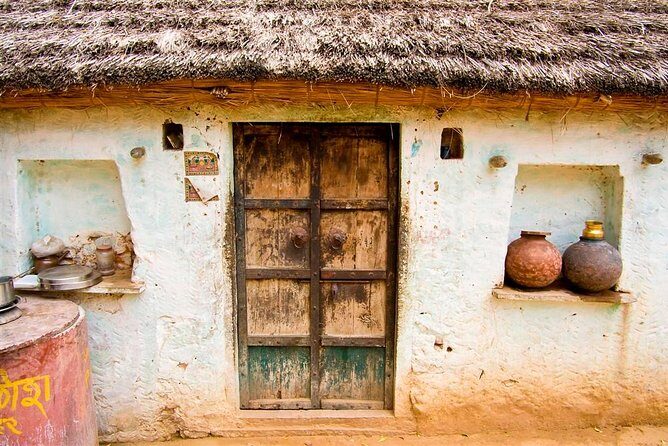
Saray Mohana is a standout because it’s not just “a village visit.” It’s tied to a specific skill: silk weaving and the craft traditions of local weavers. The region is known for Banarasi sarees, and this stop gives you a direct look at how intricate designs come to life.
You’ll have about 2 hours here, which is a good chunk of time for watching work, asking questions, and understanding what’s special about the patterns and process. The weaving world can feel abstract when you only see finished sarees, so getting to connect the cloth to the people behind it makes the whole city reputation feel more real.
A practical consideration: weaving craft can be detailed and hands-on in discussion, but it may not look like a factory. If you want clear explanations, lean on your guide. If you want photos, ask first and follow the pace of the artisans.



Kapildhara: ploughing, sowing, dairy, and learning local cooking
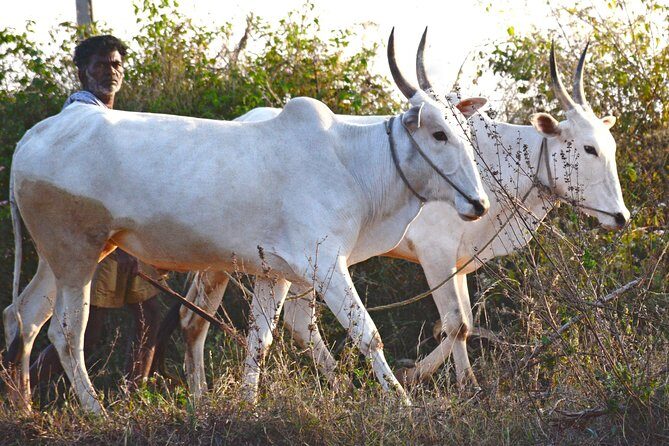
Kapildhara is where the tour shifts from craft to daily labor. You’ll get about 1 hour here, with activities and conversations around ploughing, sowing seeds, cattle grazing, and dairy farming. It’s the kind of stop that helps you understand how work is organized, how animals fit into agriculture, and why food preparation often ties directly to what’s available locally.
What I like most is the blend of viewing and learning. You’re not just watching from the roadside. You’ll also learn basics of local cooking, plus you’ll visit a school and spend time with rural kids.
If you’re traveling with children, this stop can be a good fit because it adds a human element beyond farming. For adults, it’s a reminder that education and family life move on the same rhythm as the fields.
Because this portion includes kids, be respectful and keep your expectations simple. Ask your guide what’s okay to do and where to stand, and avoid turning the moment into a spectacle.
Chiraigaon and the house of Chiraigu: everyday village livelihood

Next up is Chiraigaon, with about 1 hour. This stop is less about one named craft and more about seeing village life through a family’s perspective. You’ll visit the house of Chiraigu and meet the natives to hear about day-to-day living and livelihood.
This is a good segment if you enjoy conversation. Even when the scene looks “ordinary,” your guide can connect it to larger ideas like household work, seasonal routines, and local priorities. It’s also a chance to ask more personal questions without feeling like you’re in a museum.
The main caution is that a home visit usually follows the rhythms of the household. You may not get a perfect “tourist-friendly” experience, and you’ll want to go with the flow. If your guide is confident and warm, the hour can feel surprisingly rich.
Rameshwar on the Varuna River: farms, Sanskrit school, and ashrams
Rameshwar is longer at about 2 hours, and it adds another layer: spiritual and educational spaces tied to agricultural life. You’ll be on the bank of the River Varuna, on the sacred path connected with Varanasi.
Here you can experience cattle and agricultural farm life, then visit a Sanskrit school and also ashrams in the village. That combination matters. It helps you see how learning and faith aren’t separate from daily work. Instead, they share the same geography and community energy.
If you’re someone who likes places with a sense of order—where you can connect the dots between farms, animals, and education—this stop will likely be your favorite. The downside is that this segment can feel more structured and rule-based than the farm observations, so be ready for a quieter, more respectful pace.
And yes, you’ll likely be walking a bit here. Wear shoes you can trust and keep your water planning tight.
Lunch, tea/coffee, and what to pay attention to at meals
Food is part of the story on this tour, even though the day doesn’t give a menu detail. Coffee and/or tea are included, and lunch is included, which is a real benefit on an 8-hour schedule.
What you can do to get extra value: ask your guide how cooking connects to farming and household routines. In village settings, ingredients and techniques tend to follow what’s available nearby. When you understand that link, lunch becomes more than fuel.
Since bottled water and snacks aren’t included, I suggest you plan for breaks. If you like to snack, bring something small that won’t melt or crumble in your bag. Also, if you’re sensitive to spicy food, let your guide know before lunch so they can point you toward what’s easiest to eat.
How to get the most from your guide (including the strong example of Manish)
This is a private tour for your group, so your guide’s role is huge. You’re paying for interpretation: turning silk patterns, farm tasks, school routines, and home-life stories into a coherent understanding of the area.
One guide named Manish has a strong reputation for making the day feel smooth and information-rich. Even if you don’t get Manish, the guide should be able to explain in clear English and Hindi, and you should be able to ask follow-ups.
Here’s my practical advice: start with two questions early in the day. Ask what you should watch for in the next village, and ask how these activities fit into the local calendar. If the guide gives thoughtful answers, you’re in good hands.
If your guide seems distracted or the schedule slips, it’s fair to raise it politely at the start of the next transition. The tour’s value comes from time on task—when that happens, the day tends to feel worth every hour.
Who should book this Varanasi village tour, and who might want a different plan
This tour is a good fit if you want village life as the headline. It’s also a strong choice if you like learning through real activities: farm routines, home cooking basics, craft work, and school/community time. If your idea of travel includes asking questions and accepting that not every hour will be identical, you’ll probably enjoy it.
It may be less ideal if you’re mainly chasing quick, scenic landmarks with lots of free time to wander. The structure is a full day with multiple stops, and you’ll be moving in and out of villages rather than stretching the day at your own pace.
Also, consider your expectations around guide performance. One guide may run a tighter, more talkative day than another. That doesn’t mean the tour is wrong—it means you’ll want to choose it for the right reasons and stay engaged.
Should you book this Tour of the Villages of Varanasi?
I’d book this tour if you want Varanasi to make sense beyond the river. The best part isn’t any single place—it’s the way the day connects craft, farming, and learning, showing how the village world works in a way most city-focused tours don’t.
It’s also a solid value when you travel as a group of up to 3, since the private car and guide time stretch your money further. If you’re comfortable with a structured 8-hour plan and you’re okay bringing your own bottled water and simple snacks, this is a day that can feel genuinely educational.
But if you’re worried about schedule drift or you only want highly predictable programming, be ready to communicate early. The day works when your guide keeps the conversation going and the time stays on the planned stops.
FAQ
How long is the Tour of the Villages of Varanasi?
It runs about 8 hours.
Is hotel pickup included?
Yes, pickup is offered.
How much does the tour cost?
It costs $128.01 per group (up to 3 people).
Is the tour private?
Yes. It’s a private tour/activity, so only your group participates.
What languages does the guide speak?
The guide can speak English and Hindi.
What meals and drinks are included?
Coffee and/or tea and lunch are included.
What is not included?
Bottled water and snacks are not included.
What happens if the weather is bad?
The tour requires good weather. If it’s canceled due to poor weather, you’ll be offered a different date or a full refund.