Shimla has a way of mixing power and prayer. This short guided walk threads colonial icons together with Himachal culture, ending on a hilltop temple. I like that it’s tight and scenic without feeling like a marathon, and I also like the photo-focused stops with practical tips along the way. The main thing to keep in mind: the schedule is packed, and admission wording can be confusing at the gates, so you’ll want to be alert.
The “Storyteller” style guide (English and Hindi) is the glue that connects the buildings, the birds, and the religious sites. If you want context fast—how these places fit into Shimla’s past and daily life—this format can work well in just two hours. One possible drawback is that the tour packs multiple locations close to each other, so if you miss even one moment, you can lose time later in the route.
In This Review
- Key Things to Know Before You Go
- A 2-Hour Shimla Walking Tour That Moves Like a Photo Walk
- Where You Start: Viceregal Lodge (Rashtrapati Niwas) on Observatory Hill
- Himalayan Bird Park Stop: Quick, Colorful Lens Time
- Himachal State Museum: Pahari Art and Practical Culture
- Vidhan Sabha Canteen Area: Colonial Buildings and a Heritage Library
- Gorton Castle: Neo-Gothic Architecture in 20 Minutes
- Passing St. Michael’s Cathedral and the Shimla-Kalka Railway Track
- The Finish: Kali Bari Temple on Jakhoo Hill (Built in 1845)
- Price and Value: Is $11.97 Worth It?
- What You’ll Get From the Guide (And What to Watch For)
- The Best Fit: Who This Tour Is For
- Simple Tips to Make It Go Smoothly
- Should You Book This Walking Tour?
Key Things to Know Before You Go
- Viceregal Lodge start (Rashtrapati Niwas): You begin at a former British Viceroy residence on Observatory Hills.
- Photography-first pacing: You get photo tips and time built into each stop, so you’re not just walking past things.
- Himalayan Bird Park mini stop: A quick look at Himachal’s state birds, best for short lens-friendly moments.
- Pahari-influenced museum collections: The Himachal State Museum highlights art and collectibles shaped by Pahari style.
- Neo-Gothic Gorton Castle: A 19th-century castle stop adds architectural variety to the walk.
- Ends at Kali Bari Temple (1845): You finish with a dedicated, long-standing place of worship on Jakhoo Hill.
A 2-Hour Shimla Walking Tour That Moves Like a Photo Walk
This is a guided walking tour around central Shimla’s major sights, priced at $11.97 per person. It lasts about two hours, and the group stays small—up to 15 people—which matters in Shimla, where crowds and traffic can slow everything down. You’ll also get a mobile ticket, plus group discounts if applicable at booking.
The tour’s big idea is simple: you don’t just see buildings. You get short, story-driven context at each stop—enough to understand why the place exists and what it means locally. That’s why the “Storyteller” approach works so well here: it keeps your brain engaged while your legs do the moving.
You can also read our reviews of more walking tours in Shimla

Where You Start: Viceregal Lodge (Rashtrapati Niwas) on Observatory Hill
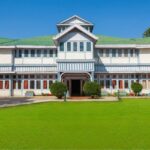
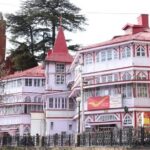
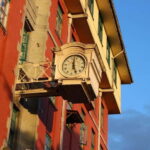
You begin at Rashtrapati Niwas (Viceregal Lodge) on Observatory Hill, near Chaura Maidan Road in Boileauganj. The site matters because it was historically the residence of the British Viceroy of India, which is a big deal if you like colonial-era architecture and power centers.
What you can expect in the first stretch:
- Photo opportunities around the mansion setting and surrounding views
- Built-in explanation so the architecture doesn’t feel like random stone
- Time pressure that keeps the pace energetic rather than slow and museum-like
Practical note: the tour information says entry to photographic destinations is included, but one unhappy experience reported having to pay at the gate. So, when you arrive, be ready to show whatever your mobile ticket provides and clarify whether admission is truly covered for that stop.
Himalayan Bird Park Stop: Quick, Colorful Lens Time
Next you head to Himalayan Bird Park for a short visit. This is listed as a chance to capture modest but colorful—and specifically Himachal—bird life. It’s not positioned as a long wildlife excursion; it’s a stop that breaks up the colonial architecture with something living and local.
Why this stop is good value on a short tour:
- You get a change of scene without losing the overall route rhythm
- It’s built for quick photography, not a half-day birding plan
- It helps you remember Shimla isn’t only buildings and viewpoints
The drawback to expect: because the tour is only around two hours, you’ll want to keep your camera ready and your questions short so you don’t fall behind the group.
Himachal State Museum: Pahari Art and Practical Culture
After the bird park, you visit the Himachal State Museum. Here the focus is on collections like ancient coins, paintings, and handicraft items, with art influenced by Pahari form styles. That matters because it gives you a cultural anchor: you’re not just absorbing architecture; you’re also connecting with regional art traditions.
What makes this museum stop useful on a walking tour:
- It gives context to Himachal’s visual culture in a compact time window
- You can spot the Pahari influence in how objects and art are presented
- It’s a great option if you want learning without committing to a full independent museum visit
If you’re hoping for a slow, deep museum session, this may feel brief. But if you want a sampler that improves how you look at the region, the timing can actually be a win.
Vidhan Sabha Canteen Area: Colonial Buildings and a Heritage Library
The next stop focuses on the colonial streetscape and the Vidhan Sabha area. You’ll pass through several colonial buildings and visit the Vidhan Sabha heritage building plus an old library (timeboxed, around 20 minutes).
This is the kind of stop that rewards you if you enjoy:
- Architecture that reflects British-era urban planning
- Institutional buildings and their quieter details
- Small, surprising interiors like older libraries (when accessible in the moment)
The consideration here is scheduling. In one problematic experience, the later route stops didn’t get fully covered. With a compact tour, if the group is delayed earlier—by ticketing questions, crowds, or slow walking—you may have less time for these middle stops. Keep an eye on time and ask the guide to keep moving toward the next target.
You can also read our reviews of more guided tours in Shimla

Gorton Castle: Neo-Gothic Architecture in 20 Minutes
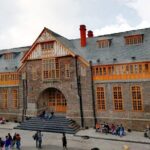
Then you visit Gorton Castle, a 19th-century landmark with neo-Gothic architecture. Even if Gothic Revival details aren’t your thing, Gorton Castle is useful on this route because it shifts the visual mood from colonial government buildings to something more castle-like and dramatic.
What to do with your 20 minutes:
- Look for structural lines and stonework details rather than only a wide postcard angle
- Get a few photos from different angles (especially if the street allows it)
- Ask quick questions about style and period so you connect it to Shimla’s broader colonial design language
Again, 20 minutes is short. Treat this as a photography and quick-context stop, not an extended architectural study.
Passing St. Michael’s Cathedral and the Shimla-Kalka Railway Track
In the stretch toward the end, the route includes passing views related to the Shimla-Kalka Railway Track and St. Michael’s Cathedral, noted for French-Gothic style architecture. This portion is valuable because it ties the city’s colonial footprint to transportation and church design—two big components of how the British shaped hill-station life.
What you’ll get here is mostly visual and interpretive:
- A sense of why these structures matter in the city’s design history
- Good photo moments if timing and angles align
- Context about how religion and infrastructure lived side by side
If the weather turns or you’re trying to keep your pace up, this is the area where your best strategy is simple: keep your camera accessible and stay with the group.
The Finish: Kali Bari Temple on Jakhoo Hill (Built in 1845)
The tour ends at Kali Bari Temple on Jakhoo Hill, dedicated to Goddess Kali and built in 1845. This is the spiritual counterweight to the colonial landmarks you’ve been photographing. It’s also a place with ongoing religious importance for devotees, so you’ll want to be respectful with your behavior and photos.
Why the ending location works:
- You finish with a real functioning place of worship, not just a “seen and done” monument
- You get a sense of how Shimla’s identity continues beyond its colonial architecture
- The guide typically connects the religious aspect and local beliefs to what you just saw
Also, you may be walking a bit uphill or through temple approaches depending on the day and route flow. The tour is short, but the hill setting is part of Shimla’s character.
Price and Value: Is $11.97 Worth It?
At $11.97 per person for about two hours, you’re paying for four main things: a guided route, short time at multiple key locations, photography tips, and a included hot beverage. The listed admission for photographic destinations and the conversation about religious and local importance are also part of the value equation.
Here’s the practical value test:
- If the guide keeps the route tight and you hit all the stops, this can be a bargain way to “get your bearings fast.”
- If you have to pay admission at one or more gates, or if stops get skipped due to time, the price starts to feel less fair.
Because of that, I’d treat the included-admission claim as something to verify on arrival. Ask politely at the first stop whether your ticket covers entry where needed, and keep an eye on the next location so you know you’re getting the full plan.
What You’ll Get From the Guide (And What to Watch For)
The guide is described as a Storyteller who speaks English and Hindi, and the tour includes photography tips plus one hot beverage. In a good scenario, the guide’s storytelling is what turns a collection of buildings into a coherent picture of Shimla’s culture and beliefs.
In one reported disappointment, English wasn’t enough for the guide to be genuinely useful. So if you’re counting on detailed explanations in English, you can help yourself by coming with a few targeted questions in mind (like asking for the story behind Viceregal Lodge or what makes Kali Bari significant). That way, even if the language level varies, you still get something.
The Best Fit: Who This Tour Is For
This works best if you:
- Want a high-sight-to-time ratio in Shimla
- Like architecture plus culture, not just one or the other
- Appreciate short guided context and photo tips
- Prefer a small group size (up to 15)
It’s less ideal if you:
- Want a slow, deep museum day
- Need lots of accessibility support beyond normal walking
- Get frustrated by ticket ambiguity at gates
Simple Tips to Make It Go Smoothly
Bring a plan for a short schedule:
- Keep your questions brief so the group doesn’t stretch the timing
- Have your mobile ticket ready at each stop, not after you’ve already queued
- Wear comfortable shoes. Shimla’s hill terrain is part of the experience.
Also, since bottled water isn’t included, bring a small supply if you tend to get thirsty on walks.
Should You Book This Walking Tour?
I’d book this if you want a two-hour Shimla orientation that mixes colonial architecture, a museum hit, and an ending at Kali Bari Temple. The price is reasonable, the group is small, and the photography-focused approach can make the walk feel productive rather than rushed.
I wouldn’t book it blindly if you absolutely must have every single stop without any ticketing surprises or if you’re sensitive to short time windows. If you do book, do two things: confirm how admission works at the first stop, and make sure the guide is moving toward the full set of targets without cutting corners.
If your goal is to learn fast, take good photos, and leave with a clearer sense of Shimla’s layers, this is a solid fit.