REVIEW · RISHIKESH
Rishikesh: Kunjapuri Temple Sunrise Trek
Book on GetYourGuide →Operated by Himalayas Within · Bookable on GetYourGuide
Himalayan sunrise feels different here. This Kunjapuri Temple to Neer Waterfall trek mixes early-morning spirituality with real hiking through forest paths and Garhwali village scenery, and you’ll come away with 360-degree Himalayan views plus a guided temple experience focused on Shakti. The only real catch: it’s an uphill start and a long morning on your feet, so you’ll want solid shoes and you should skip it if you’re pregnant or need wheelchair access.
What I especially like is how the day stays structured without feeling rushed: pickup, sunrise viewing, temple time with local-priest style rituals, then a guided walk onward toward the waterfall. You also get a small-group format (up to 5), plus English-speaking guidance and even a yoga session. Still, consider that dawn can mean a chilly wait and the climb is part of the deal, not a casual stroll.
In This Review
- Key highlights you’ll actually feel
- Why This Sunrise Trek Works Better Than a Typical Day Hike
- Getting There From Tapovan or Rishikesh: Roads, Timing, and Calm
- Kunjapuri Shakti Peeth at Sunrise: Rituals, Priests, and Real 360° Views
- What you’ll notice first: atmosphere
- The Shakti connection (and the story people share)
- What you do there: guided prayers
- The mountains you’re looking for
- Wildlife bonus
- The Temple-to-Trail Walk: Forest Paths and Garhwali Culture on Foot
- Why the forest section matters
- Village culture that feels lived-in
- A practical note on pacing
- Neer Waterfall Break: Photos, Cool Air, and the Natural Swim Option
- Yoga, Tea, Breakfast, and the Art of Not Overdoing It
- Small Group Quality: Up to 5 People, With Guides Who Pay Attention
- Price and Value: What $60 Covers (And What You Might Pay Extra)
- Logistics You Should Plan For (Without Surprises)
- Who Should Book This Trek (And Who Should Skip It)
- Should You Book the Kunjapuri to Neer Waterfall Sunrise Trek?
- FAQ
- How long is the Kunjapuri Temple sunrise trek to Neer Waterfall?
- Where does pickup happen?
- How many people are in the group?
- What languages does the guide speak?
- What’s included in the tour price?
- What should I bring and wear?
- Is this tour suitable for everyone?
- Can I cancel and still get a refund?
Key highlights you’ll actually feel
- Sunrise + 360° panorama: Himalayan peaks in multiple directions, with a broad view down over the Doon Valley
- Kunjapuri Shakti Peeth experience: temple bells, incense scent, and prayer-style moments guided by a local priest
- Forest-to-village trekking: paths through oak, pine, and rhododendron, with chances to spot birds and wildlife
- Hanuman langur possibility: if you’re lucky, you’ll see these monkeys near the temple area
- Neer Waterfall natural swimming stop: a timed break for photos and an optional dip in the natural pool
Why This Sunrise Trek Works Better Than a Typical Day Hike
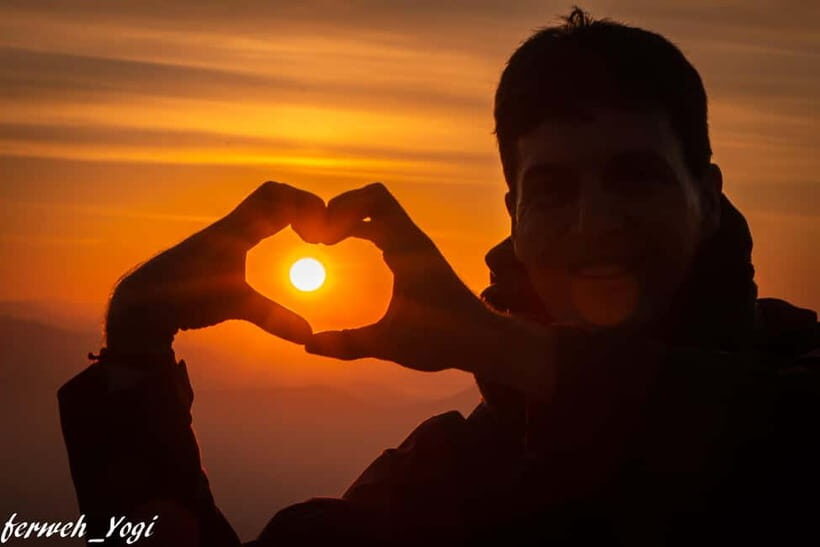
Most hikes in the Himalayas are about exercise first, scenery second, and culture somewhere in the background. This one flips that order a bit. You start with the big spiritual and visual payoff at Kunjapuri Temple, then you spend the rest of the morning moving through the kind of “everyday Uttarakhand” you can’t get from a roadside viewpoint.
I like how the tour gives meaning to the views. The sunrise isn’t just a photo moment—it’s tied to why people come here. Kunjapuri Temple is dedicated to Goddess Shakti, and the temple experience is built around prayer rhythms and local religious practice. That context changes how you look at the mountains: you’re not only seeing peaks, you’re seeing what pilgrims see.
You can also read our reviews of more hiking tours in Rishikesh
Getting There From Tapovan or Rishikesh: Roads, Timing, and Calm
The day begins with pickup from either Tapovan or a spot in the Rishikesh area (within about 4–5 km, depending on where you’re staying). You’ll travel along winding mountain roads, which means you get frequent opportunities to glance out at jungle-covered hills, village clusters, and distant snowy mountains before you ever reach the temple area.
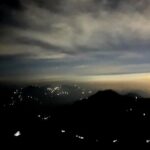
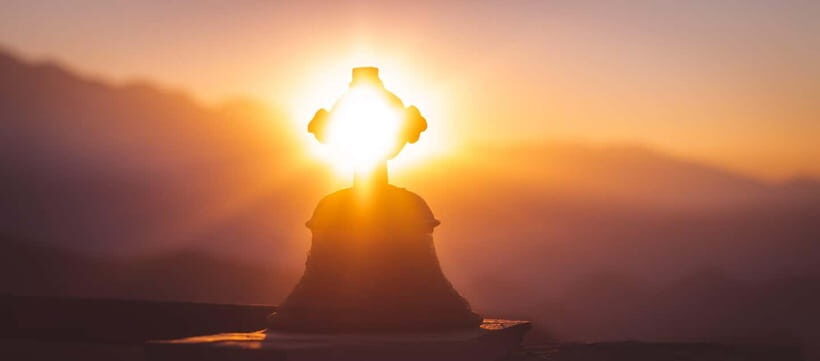
Timing matters here. You’re going early enough to catch the sunrise build-up and reach the viewpoint with time to settle. Once you’re up near Kunjapuri, it’s not just the light change that matters—it’s the atmosphere: temple bells, incense in the air, and that quiet sense of waiting together for the horizon to turn gold.
Practical tip: arrive with what you were told to bring—sunglasses, a sun hat, and sunscreen—because even early mornings can get bright once the sun clears the ridgelines.
Kunjapuri Shakti Peeth at Sunrise: Rituals, Priests, and Real 360° Views
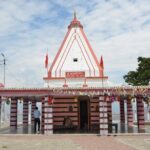
Kunjapuri Temple is a well-known pilgrimage spot in Uttarakhand, and it’s easy to see why. The temple sits high enough that you get a panoramic command of the area—often described as a true 360-degree view when weather cooperates.
What you’ll notice first: atmosphere
When you arrive, you’ll pick up the sensory cues right away: bells ringing, incense scent floating through the air, and a colorful main shrine area that feels lively without being chaotic. This isn’t a “quick look and leave” stop. You get a guided temple tour time plus a break period, so you can pace yourself.
The Shakti connection (and the story people share)
You’ll hear the religious background: Kunjapuri is linked with the 52 Shakti Peethas described in Hindu mythology, and the temple is believed to be associated with where Sati’s chest fell during Lord Vishnu’s Sudarshan Chakra moment (as the legend goes). Even if you’re not a mythology person, this gives you a lens: you’re standing on a site with meaning that goes beyond the views.
A few more Rishikesh tours and experiences worth a look

What you do there: guided prayers
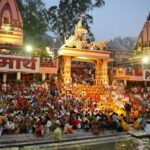
A big part of the experience is that traditional rituals and prayers are led by local priests, with guidance from your tour leader. You’ll have time for photos and scenic viewing while also understanding what’s happening around you.
The mountains you’re looking for
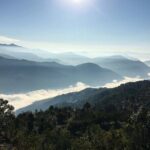
When conditions line up, the sunrise viewpoint can include major Himalayan peaks such as Swargarohini, Bandarpunch, and Gangotri, plus a wide look down toward the Doon Valley. The names may be new to you, but your eyes will catch the shape and spacing fast—this is the kind of sight that makes the ridge line feel personal.
Wildlife bonus
You might also spot Hanuman langur monkeys around the temple area. Don’t chase them or act like you’re filming a documentary—just watch from a respectful distance if they appear.
The Temple-to-Trail Walk: Forest Paths and Garhwali Culture on Foot
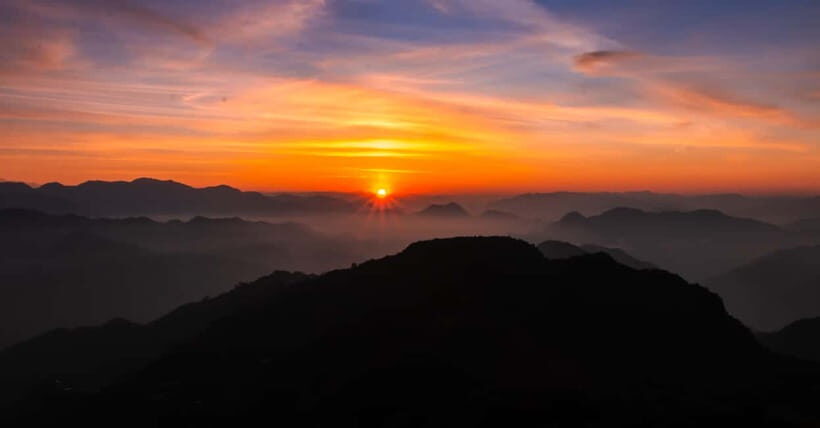
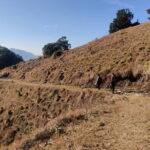
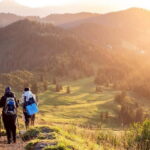
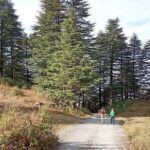
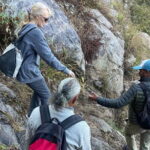
After the temple time, the day shifts from spiritual viewpoint to hiking rhythm. The path runs through oak, pine, and rhododendron forest, and you’ll likely notice birdsong more than traffic. This is where the trek starts to feel like a hike, not just a scenic visit.
Why the forest section matters
The forests do two things for you. First, they break up the effort by giving you shade and cooler air. Second, they keep the walk interesting even if the mountains are partially hazy—you’re still surrounded by movement, texture, and local plant life.
Village culture that feels lived-in
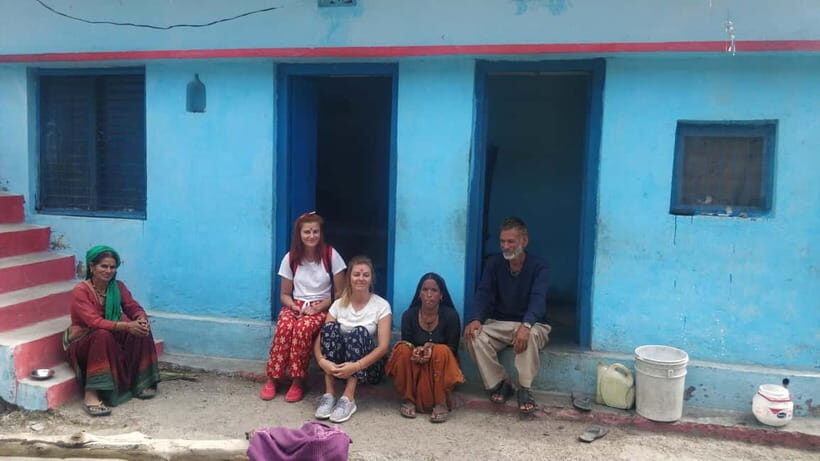
Your trek passes through local village areas as you move toward the next landmark. That’s where you get a more grounded sense of Garhwali culture, not just a temple façade and a waterfall poster.
I like that the tour doesn’t pretend every step is dramatic. Some stretches are simply walking through real communities, and that’s often the best part of a morning in the hills. It slows you down enough to notice how people live with steep terrain, seasonal rhythms, and mountain weather.
A practical note on pacing
You should expect a climb to reach the temple area, and after that you’re still walking for hours. Comfortable shoes are non-negotiable. Also, bring water as advised, because the trek mixes early brightness with active movement.
Neer Waterfall Break: Photos, Cool Air, and the Natural Swim Option
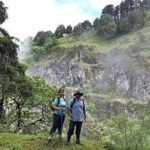
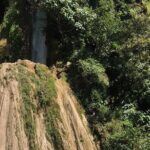
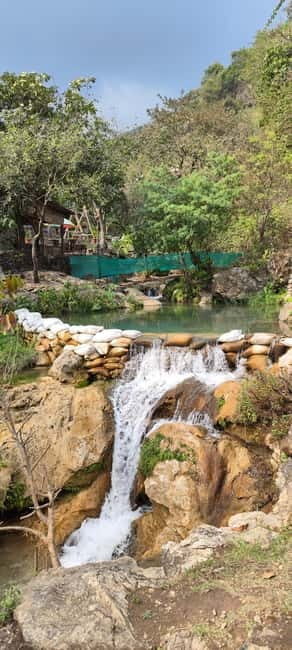
At Neer Waterfall, you get a break for photos and time to enjoy the sound and spray. The stop is long enough to reset—about 1.5 hours—so you’re not just taking one quick shot and moving on.
The standout detail here is the option to use the natural swimming pool area made by the waterfall flow. You’ll be told to bring beachwear, which is your clue that the dip is more than a casual rumor. If you do swim, keep it respectful and safe—watch your footing around wet rocks and follow your guide’s instructions.
Even if you skip the water, the waterfall break is worth it because it changes the day’s tempo. After temple and forest walking, you get a sensory reset: falling water, cooler air, and a chance to hang for a while instead of marching uphill.
Yoga, Tea, Breakfast, and the Art of Not Overdoing It
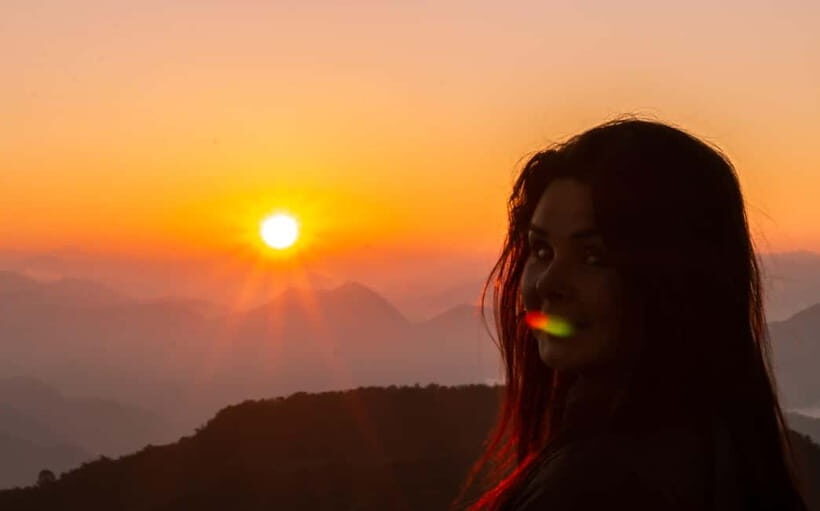
This isn’t just a hike with a view. It includes a yoga session with meditation and pranayam, and it includes morning tea and breakfast as part of the experience.
Here’s why that matters. When you’re starting in low light and then moving into a long morning, your body can feel both alert and tense. A short guided practice helps you settle into the day rather than just powering through.
I also appreciate the way the tour builds in breaks: you have temple time, then a guided walk segment, then waterfall time, and finally time to return. It keeps the “effort-to-reward” balance reasonable for most active travelers.
One more practical point: the guide leads in English (with German and Hindi also offered), so you can actually follow what’s going on during the rituals and the forest/village walk.
Small Group Quality: Up to 5 People, With Guides Who Pay Attention
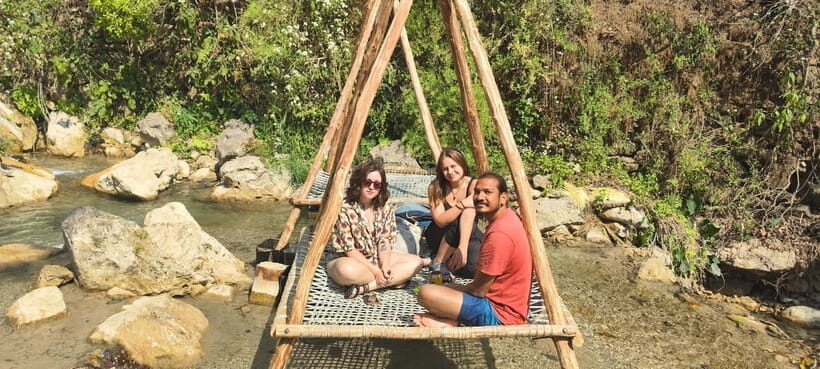
A key value driver here is the small group size (limited to 5 participants). That changes the experience. You’re not getting swept along by a big crowd; your questions are easier to answer, and your pace can be more human.
The guides you might be with can be especially attentive. In past bookings, guides named Pramod and Mak have been praised for careful support, safety focus, and thoughtful explanations around spirituality, culture, and even local plants and wildlife. Even if your guide is different, the tour’s small-group structure is what makes that kind of attention possible.
Also, this tour includes an English-speaking guide, and it skips the ticket line for entry. That saves time at the start and keeps you from starting the hike frustrated.
Price and Value: What $60 Covers (And What You Might Pay Extra)
At around $60 per person for an 8-hour experience, the value comes from the mix. You’re paying for transportation from the meeting point, guide time through temple and trekking sections, entrance fees to the temple, a Neer Waterfall ticket, plus morning tea and breakfast and a yoga session.
What’s not included is also clear: personal expenses and temple donation (which you should treat as optional and respectful, not mandatory). When you budget, keep some extra cash for small purchases, tips, or whatever your comfort level is for donations.
If you only wanted sunrise photos, you could likely DIY the trip. But if you want the context—prayer moments, explanations, and a guided pace through forests and villages—this pricing is the difference between a view and a full experience.
Logistics You Should Plan For (Without Surprises)
Here are the practical realities to respect:
- 8 hours total: it’s a full morning/early day, not a quick half-tour.
- Pickup included: choose Tapovan or the Rishikesh-area pickup option that fits you.
- Wear comfortable walking shoes: the temple climb is part of the deal.
- Dress modestly: you’ll be in a working religious space.
- Bring water: you’ll be walking and you’ll sweat.
- Alcohol and drugs are not allowed: keep it clean and respectful.
There’s also a simple weather reality: sunrise experiences depend on visibility. If clouds roll in, your view might be softer. Your morning still has temple culture and forest walking, so it’s not a total loss—but your peak panorama is the star.
Who Should Book This Trek (And Who Should Skip It)
This is a great fit if you want a morning that mixes spirituality, nature, and local culture, all while staying organized by a guide.
Best matches:
- You enjoy early starts if it gets you a meaningful sunrise moment.
- You want a guided explanation at the temple rather than just wandering.
- You’re comfortable with a hike that includes uphill time.
Not a fit:
- Pregnant travelers (not suitable).
- Wheelchair users (not suitable).
If you’re unsure because of fitness, choose this based on your ability to walk for hours and handle a climb, not just your interest in the sunrise.
Should You Book the Kunjapuri to Neer Waterfall Sunrise Trek?
Yes, I’d book it if your ideal day looks like this: quiet dawn, temple rituals you can understand, a guided walk through forests and villages, and a waterfall stop where you can cool down in the natural pool.
I’d pause if you want a totally easy outing, zero stairs/climbs, or you need accessibility support beyond what’s available on an uphill trek. Also, if you hate early-morning starts, you might resent the timing more than you enjoy the views.
If you’re ready for effort that pays off—spiritual atmosphere plus real hiking plus a waterfall break—this one is a strong choice.
FAQ
How long is the Kunjapuri Temple sunrise trek to Neer Waterfall?
It runs for about 8 hours total, from pickup through temple time, the guided trek, and the return.
Where does pickup happen?
Pickup is available from Tapovan or from the Rishikesh area. The pickup point is within about a 4–5 km range.
How many people are in the group?
It’s a small group, limited to 5 participants.
What languages does the guide speak?
Guides are available in English, German, and Hindi.
What’s included in the tour price?
You get a guided tour of Kunjapuri Temple, an English-speaking guide, yoga (meditation and pranayam), round-trip transportation from the meeting point, entrance fees to the temple, a Neer Waterfall ticket, local cultural experience, and morning tea and breakfast.
What should I bring and wear?
Wear comfortable walking shoes. Bring sunglasses, a sun hat, sunscreen, and beachwear if you want to use the natural swimming pool area.
Is this tour suitable for everyone?
It is not suitable for pregnant women or wheelchair users.
Can I cancel and still get a refund?
Yes. You can cancel up to 24 hours in advance for a full refund.