REVIEW · CHANDIGARH
Rajasthan Heritage Tour
Book on Viator →Operated by INDIA TRIP DESIGNER India · Bookable on Viator
Rajasthan can feel like a lot of names and dates until you see the forts and palaces in a real route. This tour is a well-paced mix of major monuments and Rajasthan stopovers, with a professional art historian guide who helps you read what you’re looking at. I especially like how it strings together architectural styles across Delhi, the desert towns, and the royal capitals, instead of repeating the same kind of sightseeing. One thing to consider: the day-to-day schedule is packed, and meals beyond breakfast and monument fees are not included.
You’ll move by private vehicle, with bottled water and a clear structure each day (morning sights, then check-in, then evening plans). The upside is less stress and fewer logistics headaches. The downside is simple: you’ll spend a lot of time traveling between cities, so plan for a comfortable pace rather than a slow wander.
In This Review
- Key highlights you’ll feel fast
- What you’re really buying: 16 days, big sights, and a private rhythm
- Day 1–2 in Delhi: Humayun Tomb, Qutub Minar, Red Fort, and more
- Mandawa, Bikaner, and Khimsar: fort culture with fewer crowds
- Jaisalmer: Patwon-ki-Haveli and Salim Singh-ki-Haveli plus a camel safari
- Jodhpur and Rohet Garh: Mehrangarh’s scale and a family legacy since 1622
- Udaipur: Lake Pichola, City Palace, Jagdish Temple, and Sahelion-ki-Bari
- A free day in Udaipur plus Jaipur’s Jantar Mantar and Hawa Mahal
- Amber Fort, Jal Mahal, the Monkey Temple area, and Jaipur’s evening bazaar
- Agra and the sunrise Taj Mahal: timing that changes everything
- Guides and drivers: why the human team makes the difference
- Price and logistics: what $1,073 covers, and what you’ll budget yourself
- Who this Rajasthan Heritage Tour fits best
- Should you book this tour?
- FAQ
- FAQ
- How long is the Rajasthan Heritage Tour?
- Where does the tour start and end?
- What’s included in the price?
- What isn’t included?
- Is pickup offered?
- Is there any free time during the trip?
Key highlights you’ll feel fast
- Early starts that pay off, especially the sunrise Taj Mahal on the final morning
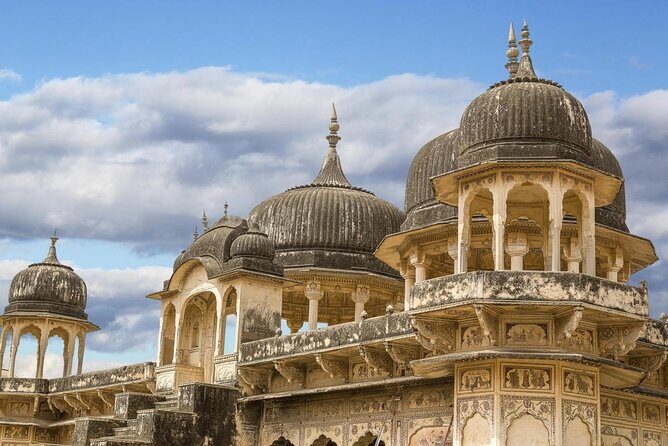
- Architecture-focused guidance that turns forts, tombs, and palaces into stories you can follow
- A real Rajasthan sweep from Mandawa and Bikaner through Jaisalmer, Jodhpur, Udaipur, and Jaipur
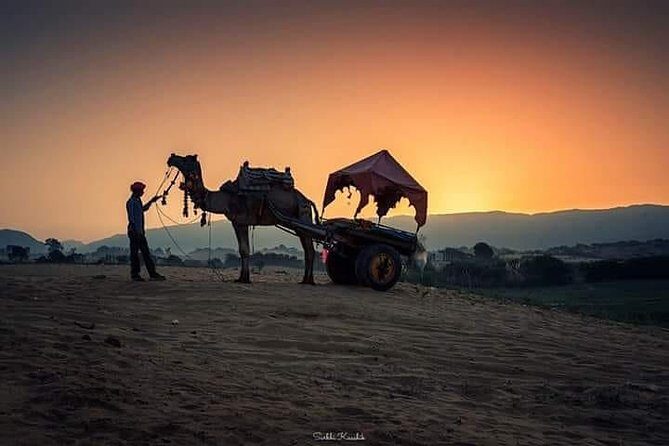
- Desert atmosphere in Jaisalmer, with a camel safari added to the havelis day
- Strong on-the-ground teamwork, including punctual, safe driving and knowledgeable guides
What you’re really buying: 16 days, big sights, and a private rhythm
At $1,073 per person for about 16 days, this tour sits in the “structured value” category. You’re not just hopping from one landmark to another; you’re getting private transportation, a guide who can explain what you’re seeing, and a long itinerary that covers a lot of North India without you coordinating trains, hotel changes, or routes yourself.
You should think of it as a guided circuit across the region: Delhi first, then Rajasthan’s fort and palace cities, then Agra and the Taj. There are breaks built in, like a free day in Udaipur and the time you’ll get for shopping and an evening bazaar in Jaipur. Still, you’re covering many locations in a short window, so the “value” comes from efficiency, not leisurely time in one city.
Also note what’s included and what’s not, because that affects your real budget. Breakfast is included for 15 mornings, bottled water is included, and you’ll have professional guiding and private transport. Lunch and dinner are not included, and monument fees are not included, so you’ll want to carry some extra cash or card for sites with ticket charges.
You can also read our reviews of more historical tours in Chandigarh

Day 1–2 in Delhi: Humayun Tomb, Qutub Minar, Red Fort, and more
The tour starts with you being met on arrival in Delhi, then you check in at a hotel for an overnight rest. This matters because Delhi can eat your energy with jet lag and traffic, and the plan doesn’t push you into a 10-hour sightseeing day immediately.
The next day is a full guided introduction to New Delhi. You’ll cover Humayun Tomb, Qutab Minar, Red Fort, Jama Masjid, India Gate, and even stops connected to the President’s house area. It’s listed as an 8-hour day, and those sites are big—so wear shoes you can walk in for a while and keep water handy (you’ll have bottled water on the tour).
What I like about this Delhi day is that it sets the baseline for everything that follows. You’re seeing Mughal-era and Delhi landmarks first, so when you later reach Rajasthan forts and palaces, you have a reference point for symmetry, materials, and urban layout. The single drawback is that Delhi can feel like sensory overload on day 2—if you’re sensitive to crowds, treat the afternoon as recovery time back at the hotel.
Mandawa, Bikaner, and Khimsar: fort culture with fewer crowds
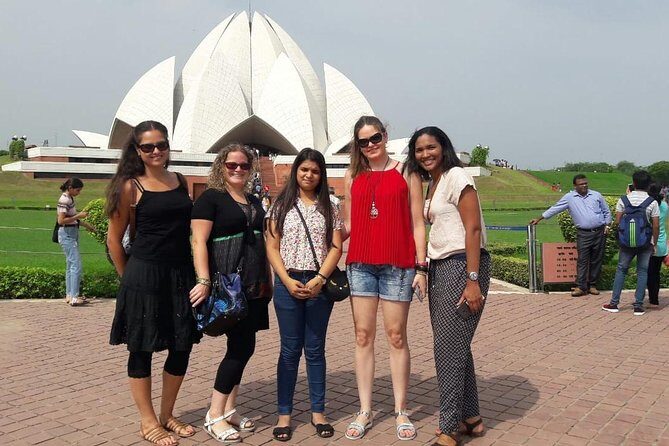
After Delhi, you drive toward Mandawa, check in for the night, and then continue the circuit. Mandawa is described as a town founded in the 18th century, which fits the vibe: this is where you start noticing how Rajasthan’s heritage is tied to merchant wealth, city walls, and big architectural statements.
From Mandawa you head to Bikaner, and the sightseeing focus becomes more fortress-and-palace centered. In Bikaner you’ll visit Junagarh Fort and the Lalgarh Palace. That combination is a good pairing: the fort gives you defense and scale, while the palace connects to royal living and design.
Then you move to Khimsar. Here, the plan shifts again toward a quieter fort setting. You’ll check in at Khimsar and spend time around the Khimsar Fort area before retiring for the night.
The practical consideration: you’re doing multiple drives with check-ins in the afternoon. The tour notes these as travel blocks with around 6 hours per segment, so you’ll want to use those driving hours well—snacks, a light layer for temperature changes, and a charging strategy for your phone and camera.
Jaisalmer: Patwon-ki-Haveli and Salim Singh-ki-Haveli plus a camel safari
Jaisalmer is a key emotional shift in the itinerary. You’ll drive there, check in, and then in the next day morning you’ll visit famous havelis, specifically Patwon-ki-Haveli and Salim Singh-ki-Haveli. Havelis are one of the best ways to understand Rajasthan architecture beyond forts, because they show wealth, craft detail, and local building style in a more personal, residential scale.
Then, in the evening, you get a camel safari. That’s one of those Rajasthan experiences that makes the trip feel like more than sightseeing. It also helps you understand why people stayed in these desert-edge regions: the travel routes, the caravans, and the way the landscape shapes daily life.
One practical tip: plan for comfort. Even if you don’t know how long the ride is, camel-based activities usually involve a lot of sitting and sun exposure. If you’re prone to discomfort, bring water, protect your head, and don’t plan an overly heavy night out afterward.
Jodhpur and Rohet Garh: Mehrangarh’s scale and a family legacy since 1622
Next up is Jodhpur, where you’ll visit Mehrangarh Fort and Jaswant Thada. Mehrangarh is the type of place where the fort doesn’t just sit there—it dominates the city’s visual identity. Jaswant Thada adds another side of heritage, giving you a sense of memorial architecture and how rulers marked legacy.
Then the route moves to Rohet Garh, described as an ancestral home since 1622 AD. It also connects to the Rathores and the Marwar region through Jagirs (fiefdoms). This is a valuable stop because it shifts you from major public monuments into the idea of heritage as a living family story—something the guide can explain as you walk through and listen.
What to keep in mind here: this part of the day includes an admission note that isn’t included, so it’s one of the places you may pay at the site depending on what’s required.




Udaipur: Lake Pichola, City Palace, Jagdish Temple, and Sahelion-ki-Bari
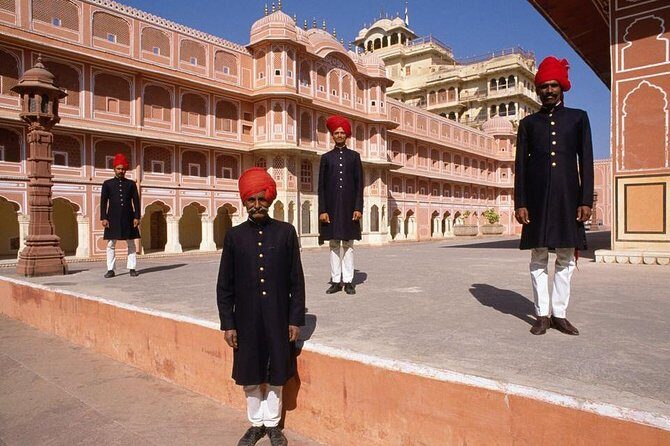
Udaipur is where the route starts to feel more balanced again. You’ll drive there and then enjoy a full guided day. The plan includes Lake Pichola, the City Palace, Jagdish Temple, and Sahelion-ki-Bari.
Lake Pichola is an instant change of mood. You get open-air views and a sense of how the city grew around water. Then City Palace pulls you back into royal architecture and power display. Jagdish Temple gives you a religious anchor point, and Sahelion-ki-Bari adds a courtly leisure setting feel—useful contrast after all the fort days.
The practical advantage of having a guide here is that the day isn’t just photo stops. A good art historian guide helps you spot why these spaces were planned the way they were—how building orientation, ornament, and setting create meaning. That’s also why Udaipur is a strong place to ask questions, especially if you’re the type who wants context rather than just names.
A free day in Udaipur plus Jaipur’s Jantar Mantar and Hawa Mahal
Day 12 is free for your own activities. I love that kind of buffer day in an itinerary like this because it stops the constant “go, go, go” loop. In Udaipur, you can use that time to catch up on sleep, shop at your own pace, or simply take a slower walk and let the city sink in.
On Day 13 you shift to Jaipur. The evening plan includes Jantar Mantar (royal astronomy) and the nearby Hawa Mahal, tied to how royal ladies used to observe festivities. Even if you don’t know the technical details, the concept is straightforward: Jaipur heritage isn’t only about palaces—it’s also about how rulers measured the sky and designed observation spaces.
Amber Fort, Jal Mahal, the Monkey Temple area, and Jaipur’s evening bazaar
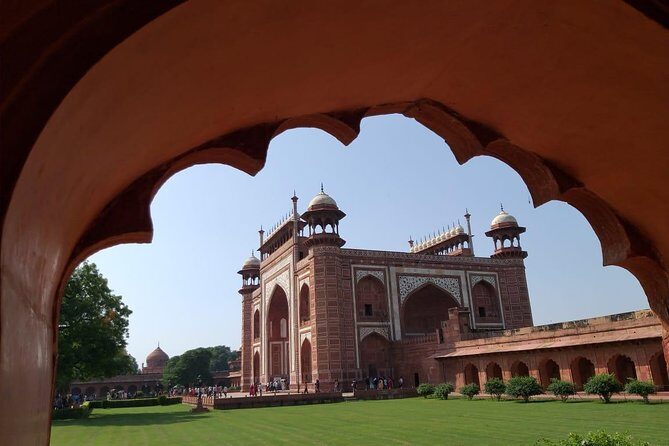
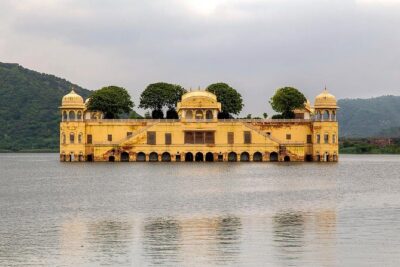
Jaipur Day 14 is where the city starts to feel very alive. You’ll visit Amber Fort, then move through the City Palace area again, see Jal Mahal, and visit the Monkey Temple area. The day ends with time for the evening bazaar.
This is a good combination because it mixes the grand and the everyday. Amber Fort gives you the big royal statement. Jal Mahal adds a scenic break. The Monkey Temple area adds a more active street-and-travel atmosphere, and the bazaar is where you can buy small souvenirs without needing the guide to translate every interaction.
Two practical reminders for Jaipur:
- Go easy on sun and heat breaks. You’re seeing a lot in daylight.
- If you plan to shop, keep some spending money aside for the bazaar portion since lunch and dinner aren’t included.
Agra and the sunrise Taj Mahal: timing that changes everything
On Day 15, you’ll drive to Agra via Fatehpur Sikri, with afternoon check-in in Agra. Fatehpur Sikri works well as a transition site because it breaks up the long road into a meaningful stop rather than dead travel time. In the evening, you’ll visit Agra Fort and then overnight in Agra.
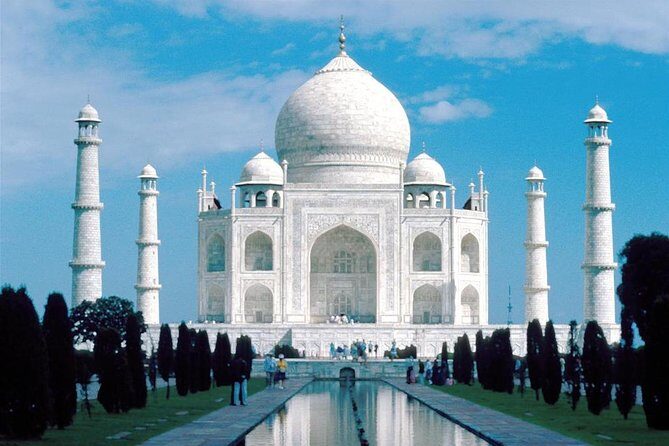
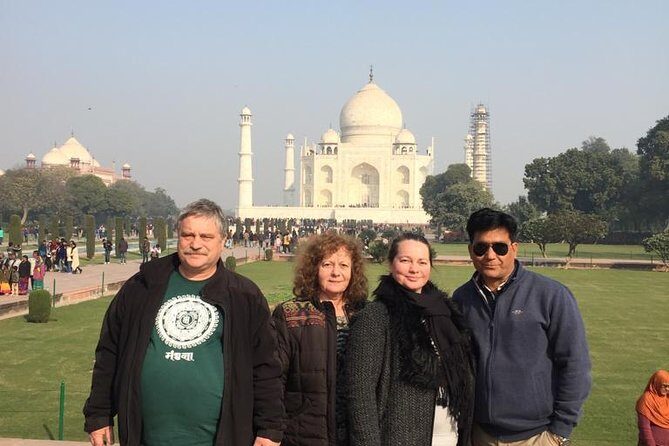
Then on Day 16, you go for the Taj Mahal at sunrise. That early timing is a major reason to choose an itinerary like this. Lighting and crowds tend to be very different at sunrise, and the guide’s pacing helps you get there ready, not rushed.
After your Taj time and lunch, you drive to the Delhi airport. That’s the last logistics note: the tour is ending in Delhi, so plan your flight timing accordingly.
Guides and drivers: why the human team makes the difference
A good itinerary can still feel stressful if your driver and guides don’t run it smoothly. In this tour, the vehicle support is a real highlight. One driver example is Monu Singh, praised for being punctual, welcoming, helpful with bags, and a safe presence in heavy traffic.
On the guiding side, names like Guarav (for Jaipur) and Pratik (recognized for being very knowledgeable) come up as strengths. The common theme is clear: the guide isn’t only reciting facts. They help you connect what you’re seeing across the route, including a perspective that comes from discussing heritage through an academic lens.
If you care about architecture and meaning—why something was built, how design choices reflect power and culture—this is the style of tour that actually delivers.
Price and logistics: what $1,073 covers, and what you’ll budget yourself
Let’s talk value in plain terms. You’re paying for:
- Private transportation across many cities
- A professional art historian guide
- Bottled water
- Breakfast on 15 mornings
- Hotel overnights arranged along the route
- A clear, multi-day plan from Delhi onward, ending back in the Delhi airport area
What you’re not paying for includes:
- Lunch and dinner
- Monument fees
So your true “trip cost” depends on how many ticketed sites require payment during the days. Many of the listed entries say admission is free for the guided portions, but the tour also specifically notes monument fees as not included. That means it’s smart to carry a buffer budget rather than assume every site is covered.
Overall, if you like structure, comfort, and a guided explanation for major architecture, this price can feel reasonable for a 16-day, multi-city circuit.
Who this Rajasthan Heritage Tour fits best
This is a strong fit if:
- You want a first-timer friendly North India route that doesn’t leave you guessing how to connect cities
- You’re drawn to forts, tombs, palaces, and heritage architecture
- You want a guide who can explain context, not just point at buildings
- You prefer a private group setup rather than joining a bus full of strangers
If you’re the type who hates early mornings or you want long, unscheduled time in one city, you might find the pace heavy. Luckily, Udaipur’s free day helps, and Delhi’s first overnight stop gives you a chance to reset.
Should you book this tour?
I’d book it if you want a guided “heritage circuit” that covers a lot of Rajasthan and key North India sights without you doing the planning math. The combination of Delhi landmarks, desert-town architecture, Udaipur’s palace-and-lake balance, Jaipur’s royal design, and the sunrise Taj timing gives you a cohesive story arc.
I would hesitate if you’re traveling only for one or two places and want deep time in them, because this route is designed to move.
FAQ
FAQ
How long is the Rajasthan Heritage Tour?
The tour runs for about 16 days.
Where does the tour start and end?
You are met on arrival in Delhi, and the tour ends with a drive to the Delhi airport after the Taj Mahal sunrise visit.
What’s included in the price?
The package includes a professional art historian guide, private transportation, bottled water, and breakfast for 15 days. It also includes features like pickup offered and mobile ticket.
What isn’t included?
Lunch and dinner are not included, and monument fees are not included.
Is pickup offered?
Yes, pickup is offered.
Is there any free time during the trip?
Yes. Day 12 is free for your own activities in Udaipur.