REVIEW · GOA
Panjim Art Saunter by Make It Happen
Book on Viator →Operated by Make It Happen · Bookable on Viator
Panjim becomes your personal art desk in 3 hours. This interactive art trail turns the city into a classroom, where art shows up on doorways, church walls, and old lanes, plus you create your own pieces inspired by local stories and the way Goan society talks back through art. Fontainhas and the churches aren’t just photo stops here; they’re prompts.
I love the hands-on materials built into the experience: drawing pad, paper, pencils, and natural dyes, so you’re not just watching—you’re making. I also like how the guidance is the point, with kind, patient teaching styles (I’ve seen names like Niranjan and Vaibhav come up) that help you turn what you see into something you can actually sketch and paint.
One consideration: this activity requires good weather, and it’s a walking route, so if you’re hoping for low-energy time, you’ll want to plan for some outdoor time. If it’s pouring, the tour can shift to a different date or you can get a refund.
In This Review
- Key Things I Think You’ll Really Enjoy
- Panjim Art Saunter: a 3-Hour Creative Walk With Supplies Included
- Gateway of the Palace of Yusuf Adil Shah: Start With Power and Place
- Church of Our Lady of the Immaculate Conception: When Architecture Becomes a Lesson
- Fontainhas Latin Quarter: Sketch the UNESCO Streets of Panjim
- Heritage Café Break in an Indo-Portuguese Home: Art Needs a Pause
- Drawing Pad, Natural Dyes, and Postcards: Make Something You’ll Actually Keep
- How the Guides Translate Goan Art, Politics, and Folklore Into Real Tips
- What It Costs (and Why It Feels Like More Than a Cheap Walk)
- Timing in Goa: 3:30 pm Works Best for Comfort and Light
- Who Should Book the Panjim Art Saunter?
- Should You Book Panjim Art Saunter by Make It Happen?
- FAQ
- How long is the Panjim Art Saunter?
- What time does the tour start?
- Where do I meet the group?
- What’s included in the price?
- Is admission included for the heritage stops?
- How big is the group?
- Does the tour happen in any weather?
- Can I cancel and get a refund?
Key Things I Think You’ll Really Enjoy
- Sketch-first route: you’re given the tools to capture Panjim in real time, not hours later from memory
- Natural dyes painting: you finish artwork using materials designed for on-the-go creativity
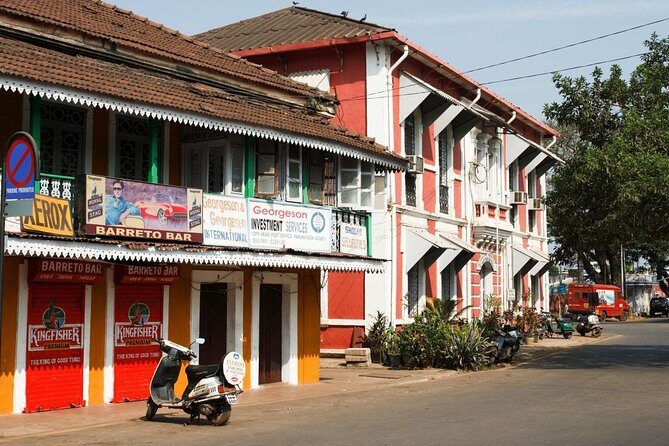
- Latin Quarter walking with UNESCO context: Fontainhas is treated like a living art syllabus
- Heritage café break in an Indo-Portuguese home: you pause, snack, and keep the story going
- Small group size (max 15): easier to get help while you’re drawing and painting
Panjim Art Saunter: a 3-Hour Creative Walk With Supplies Included
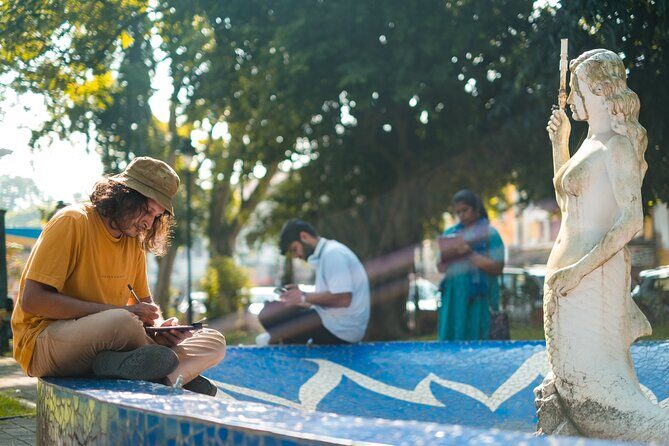
This is the kind of Goa activity that feels simple on paper but turns surprisingly fun in motion. A 3-hour route in Panjim starts at 3:30 pm, and you circle back to the same meeting point at the end, so you don’t have to worry about ending up across town.
The group stays small, with a maximum of 15 travelers, which matters when you’re learning or refreshing basics. You’re not fighting a crowd for a clear view of a façade or for a moment of coaching.
One more practical detail: you get a mobile ticket, so you can keep things easy on your phone while you meet up near public transportation. The start point is at Panaji Residency on MG Road, near the District and Sessions Court area in Altinho/Patto Colony—easy enough to find with a taxi drop-off or a local bus.
And yes, you’ll walk. The stops are designed for short, focused looks—so the pace stays manageable.
You can also read our reviews of more tours and experiences in Goa.



Gateway of the Palace of Yusuf Adil Shah: Start With Power and Place
The tour opens at the Gateway of the Palace of Yusuf Adil Shah, and it’s a smart first stop. Even if you only get ten minutes here, it gives you a framework: art in Panjim didn’t appear in a vacuum. City life, rule, trade, and identity all shaped what people built and how they decorated it.
Think of this as a warm-up for your eye. You’re learning to notice shapes, proportions, and the little design choices that hint at who held influence at different moments in time. If you tend to skip straight to the most colorful wall, this stop nudges you to slow down and draw what supports the whole scene.
Admission is free for this listed heritage stop, so you’re not losing time or money to extra tickets at the beginning.
Church of Our Lady of the Immaculate Conception: When Architecture Becomes a Lesson
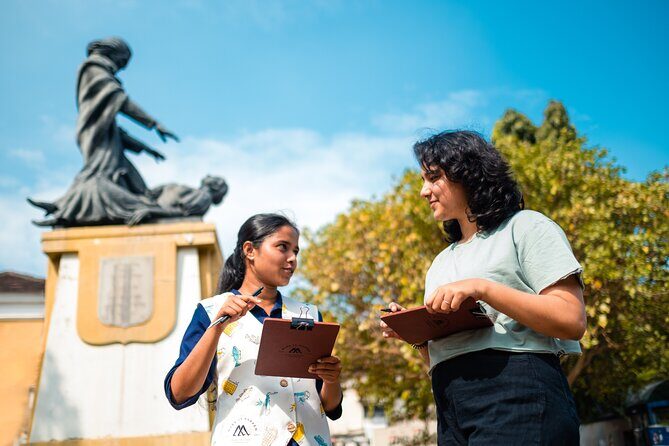
Next comes the Church of Our Lady of the Immaculate Conception, described as a majestic 1600s-era church overlooking Panjim. You get about 20 minutes here, which is enough time to appreciate the scale and still pull your sketchbook out without rushing.
This part of the walk connects art to expression and society, not just to religion. The tour explains how art movements and visual choices can reflect politics and everyday attitudes in Goan culture, so you start thinking about buildings as communication tools.
For your drawing, a church is a gift and a challenge. The surfaces are textured, the lines can be dramatic, and the symmetry gives you structure. If you’ve never sketched architecture before, don’t worry—this is the moment where patient guidance tends to pay off.
Admission is also free for this stop, so your main cost is simply the tour price (which includes the creative kit and snacks).
Fontainhas Latin Quarter: Sketch the UNESCO Streets of Panjim
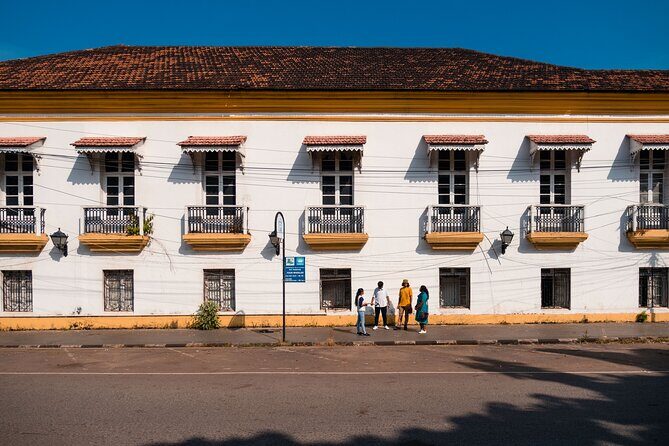
Then you move into Fontainhas (Bairro das Fontainhas), part of the Latin Quarters and a UNESCO World Heritage area. This is the stop that turns the art lesson into a street-level experience.
You’ll have about 30 minutes here, which is ideal. Fontainhas rewards observation: balconies, narrow lanes, painted surfaces, and the way the neighborhood holds old Portuguese and Indian influences in the same view. It’s the kind of place where you can frame a whole drawing just by stepping sideways.
This section is also where the idea of folklore and architecture as inspiration becomes real. The tour uses local stories and the city’s evolving look to help you invent your own composition, not copy a postcard scene. That’s a big shift for people who usually travel with a camera.
If you want to take home something more personal than photos, this is where the sketching choices matter most.
Heritage Café Break in an Indo-Portuguese Home: Art Needs a Pause
You’re not expected to create nonstop. Part of the experience is an interaction at a heritage café set up as an Indo-Portuguese home.
This stop matters because it breaks the routine. After walking and staring at details, you get a chance to sit, reset your eyes, and keep the ideas flowing. The included Goan sweets and soda/pop help you keep your energy steady for the painting stage.
It’s also where the tour’s art approach turns practical. You’re given space and materials to work with what you just noticed, instead of rushing to finish after you’ve left the neighborhood.



Drawing Pad, Natural Dyes, and Postcards: Make Something You’ll Actually Keep
Here’s what makes this tour different from a normal heritage walk: you get a built-in creation plan.
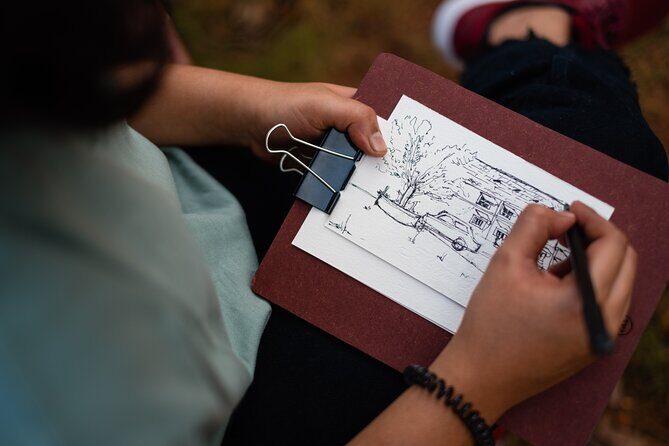
You’ll receive drawing pad, paper, pencils, and natural dyes for painting. That combination means you can sketch in pencil as you go, then layer color later with the dyes. One reason people love this part is that it’s not overly precious. You’re guided to create, not to produce gallery-level art.
You can also turn your artwork into a postcard style piece. The experience encourages you to capture your creations in your sketchbook or send them as postcards to people you care about. Postcards are a nice travel habit because you stop treating your trip as something to consume and start treating it like something you share.
A small practical tip: natural dyes tend to behave differently than the pigments you’re used to. Plan for some experimentation. If your first wash doesn’t look like the example in your head, that’s normal. The learning is part of the fun, especially if a guide takes time to show you basic technique and pacing.
How the Guides Translate Goan Art, Politics, and Folklore Into Real Tips
The tour runs on more than places; it runs on interpretation. You’re taught about art movements and how art has reflected politics and expression of Goan society. You also pick up local folklore and architecture cues that help you build ideas for your own pieces.
In the way guides teach, you’ll see two key strengths:
- They explain the why behind what you’re looking at, so the sketch feels less random.
- They give hands-on help while you’re actually drawing.
In past sessions, names like Niranjan, Vaibhav, and Raysancia have come up, and the pattern is consistent: clear explanations, encouragement, and patient instruction when people ask how to get started. You’ll also benefit if you’re an amateur, because this walk doesn’t assume you already know what to do with a sketchbook.
Another bonus that shows up in the field: you may get pointers on good places to eat and drink while you’re in Panjim. That kind of local advice turns a short art route into a fuller afternoon.
What It Costs (and Why It Feels Like More Than a Cheap Walk)
The price is $24.91 per person for about 3 hours, and that’s where the value makes sense.
You’re paying for:
- Guided interpretation of art, society, and architecture
- A heritage café interaction
- Sketching materials (pad, pencils, paper)
- Natural dyes for painting
- Goan sweets plus a soda/pop
When the supplies are included, you avoid the usual problem of arriving at a creative activity empty-handed. This also makes the experience more fair for people who don’t want to buy a kit on vacation.
Admission to the listed stops is free, at least for the heritage sites included in the route. So most of your cost stays with the guide, the creative instruction, and the materials—not entry fees.
If you’re already the type of traveler who likes doing one hands-on thing (not just browsing), this price is a strong fit. If you only want sightseeing with photos and no artmaking, you might feel like you’re paying for a component you won’t use. But the whole point here is participation.
Timing in Goa: 3:30 pm Works Best for Comfort and Light
A 3:30 pm start is useful in Goa. Late afternoon usually gives you softer light for drawing and less harsh sun than midday. It also helps if you planned a slower morning and want something structured for the second half of the day.
Because the tour is weather dependent, your best move is to check the sky before you head out. If rain is likely, have a backup plan for the alternative date or refund options.
What to wear:
- Comfortable walking shoes (Fontainhas lanes are not flat smooth pavement in every spot)
- Light layers you can adjust if the evening cools down
- Something simple to protect your sketching area if the weather turns
If you expect a breezy, casual art stroll, you’ll enjoy it. If you want a totally indoor option, this one may not fit.
Who Should Book the Panjim Art Saunter?
Book this if you want:
- A hands-on Goa activity, not just a photo tour
- A route through Panjim that explains art’s connection to culture and power
- A way to leave with something created by you—sketchbook pages or a postcard
It’s also ideal if you’re traveling with someone who likes history but wants a creative outlet, or if your group has mixed interests. The route gives you both: story, architecture, and practical art-making.
Because the tour supports most travelers and keeps group sizes small, it works for first-timers too. You don’t need to be an artist to enjoy the process.
Should You Book Panjim Art Saunter by Make It Happen?
If you’re in Panjim for a short window and want one activity that’s more personal than sightseeing, I’d say yes. The combination of heritage stops, structured art guidance, and the inclusion of natural dyes plus sketch materials makes it feel like a complete package, not an add-on.
Skip it only if you hate drawing, want zero walking, or you know your schedule can’t flex if the weather forces a change.
FAQ
How long is the Panjim Art Saunter?
It lasts about 3 hours.
What time does the tour start?
The start time is 3:30 pm.
Where do I meet the group?
You meet at Panaji Residency on MG Road, near the District and Sessions Court, Patto Colony, Altinho, Panaji, Goa 403001.
What’s included in the price?
You get a guided experience plus a soda/pop, authentic Goan sweets, GST, a heritage café interaction, drawing pad/paper/pencils, and natural dyes for painting.
Is admission included for the heritage stops?
The listed stops on the route show free admission tickets.
How big is the group?
The tour has a maximum of 15 travelers.
Does the tour happen in any weather?
The experience requires good weather, so if it’s canceled due to poor weather you’ll be offered a different date or a full refund.
Can I cancel and get a refund?
Yes. You can cancel up to 24 hours in advance for a full refund. Canceling within 24 hours doesn’t get refunded.