REVIEW · NEW DELHI
Delhi: Old and New Delhi One Day Tour
Book on GetYourGuide →Operated by Chaman Duggal Private Tours · Bookable on GetYourGuide
Delhi hits hard in one packed day. I love the cycle rickshaw through Old Delhi and the UNESCO stop list handled with a live guide that explains what you’re looking at. You get a rare mix of monuments, religious landmarks, and hands-on market time without having to plan the route yourself.
The main downside is timing: Delhi traffic and site closures can stretch the day. If your trip lands on a Monday or Sunday, plan around Red Fort/Lotus Temple/Akshardham closures and Chandni Chowk closing.
In This Review
- Key points before you go
- A One-Day Plan That Feels Like Two Cities
- Getting Oriented Fast: Pickup, Metro Meeting, and How Long It Really Takes
- Red Fort First: The Outside View That Still Sets the Tone
- Jama Masjid and the Religious Geography of Old Delhi
- Chandni Chowk by Rickshaw: The Street-Level Delhi Moment
- Kinnari Bazaar, Nai Sarak, and the Market Route You’ll Actually Enjoy
- Kinnari Bazaar: Wedding-market energy
- Textile market: Touch-and-compare time
- Nai Sarak: Book market wandering
- Khari Baoli spice market: Sensory, not optional
- New Delhi Icons: India Gate, Parliament, and Quick Photo Power
- Humayun’s Tomb and Qutub Minar: Two UNESCO Stops With Very Different Feels
- Humayun’s Tomb: A calm pause in the middle of the day
- Qutub Minar: When details matter
- Raj Ghat: Gandhi’s Memorial and a Different Kind of Stop
- Lotus Temple and Akshardham Closures: How to Stay Flexible on Mondays
- Price and Value: How $8 Per Person Can Make Sense
- What to Wear and Bring So You Don’t Get Stuck
- Who This Tour Is Best For
- Should You Book This Delhi One-Day Tour?
- FAQ
- How long is the Delhi Old and New Delhi one-day tour?
- Is hotel pickup and drop-off included?
- Where does the guide meet you if you don’t do pickup?
- Is the rickshaw ride included?
- Are entrance tickets included?
- Is food included in the tour price?
- What language will the live guide speak?
- Do you skip the ticket line?
- What should I bring, and what’s not allowed?
- Are any major sites closed on certain days?
- What is the cancellation policy?
Key points before you go
- Old Delhi streets, not just postcards: a rickshaw ride option plus guided market walking for real street-level Delhi
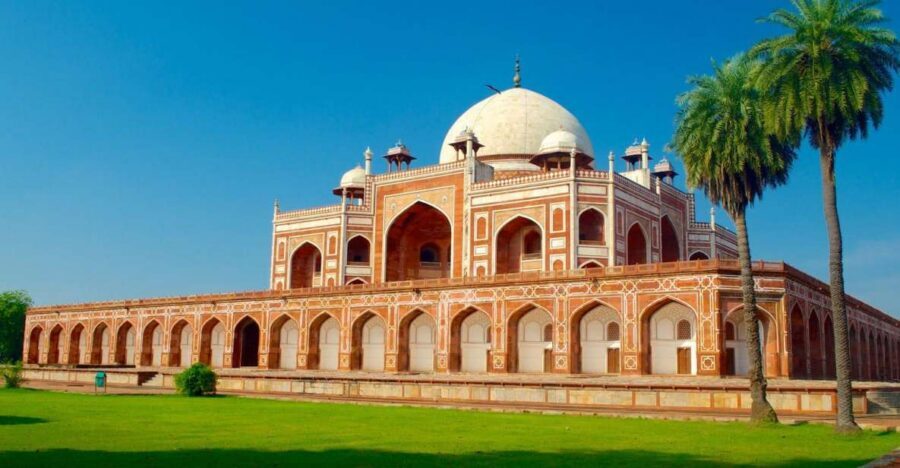
- UNESCO World Heritage Sites in one circuit: Red Fort area views, plus major UNESCO stops like Humayun’s Tomb and Qutub Minar
- Markets with a purpose: Kinnari Bazaar, Nai Sarak book lanes, and Khari Baoli spice shopping routes
- Private, guide-led pacing: you can adjust stops to your stamina while still seeing the key icons
- English or Hindi support: live guide in English/Hindi, with a driver in an air-conditioned car (if chosen)
A One-Day Plan That Feels Like Two Cities
This tour works because it treats Delhi like two different worlds that sit on top of each other. You start in the older maze of lanes and mosques, then you transition into the grand government-and-monument planning of New Delhi. The result is a day that helps you understand why people describe Delhi as layered: empires, religions, and modern city life all share the same map.
I also like that you’re not stuck only doing big-ticket monuments. You get guided time in markets that feel tied to daily life—weddings, books, textiles, and spices—so the day doesn’t turn into a long list of walls and gates.
A few more New Delhi tours and experiences worth a look



Getting Oriented Fast: Pickup, Metro Meeting, and How Long It Really Takes
The day starts with pickup from your Delhi hotel when you choose that option. If you’d rather meet the group at transit, the guide waits at Karol Bagh Metro Station, Gate 1, holding a sign with your name. Either way, the setup is meant to reduce the hassle of figuring out directions in a city that loves traffic.
The scheduled duration is 8 hours, but Delhi rarely behaves on a clock. A realistic expectation is that the day can run longer depending on road conditions. That matters because you’ll likely want comfortable shoes and a calm mindset about time.
One small practical note: this tour is private, so you’re not getting shuffled into a rigid herd schedule. It’s easier to take quick photo stops, ask questions, or reduce walking if the heat is pushing you.
Red Fort First: The Outside View That Still Sets the Tone
Your morning begins at the Red Fort area for an outside view. Even from outside, it signals the shift from street chaos to imperial scale. The guide’s job here is to connect what you see with what came before—how power and defense shaped the city’s layout.
This first stop also helps you build context before you go deeper into Old Delhi. If you do go inside later on the itinerary, the tour includes entrance tickets only if you select that option. Either way, you’ll want to bring an ID (passport or ID card is required).
Jama Masjid and the Religious Geography of Old Delhi
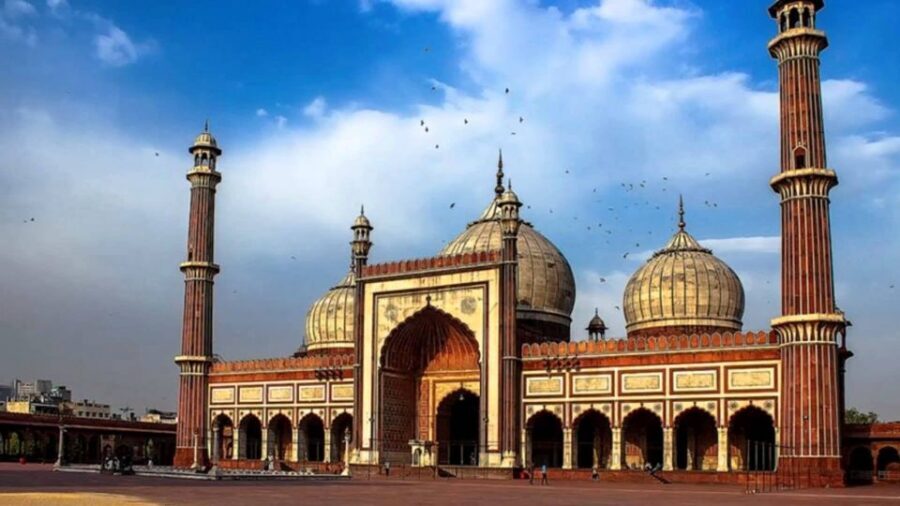
Next comes Jama Masjid, Old Delhi’s main mosque. The value here isn’t only architecture. It’s the way the mosque sits at the center of everyday movement—so you can sense how religion, commerce, and daily rhythm share space.
I like that the guide frames what you’re seeing as part of India’s broader religious story, not just as a landmark photo opportunity. You’re walking through a living neighborhood, so dress and behavior matter. Also, shorts are not allowed on this tour, so choose breathable pants or long skirts.
Chandni Chowk by Rickshaw: The Street-Level Delhi Moment
If you select the cycle rickshaw option, you’ll ride through Chandni Chowk, one of the most famous commercial corridors in the city. This is often the most memorable part of the day because you feel the scale of the streets from ground level. You also get the perspective that walking only would take longer to earn.
Here’s what to expect in practical terms:
- You’ll be moving through dense traffic and dense crowds, so keep your phone secure.
- Photos are easy, but you’ll also notice smells, sounds, and constant motion—expect sensory overload if you’re sensitive.
- Your guide can point out what to notice without you getting pulled into random stalls.
If your day is on Sunday, note that Chandni Chowk closes, so this segment may shift. Build flexibility into your expectations.






Kinnari Bazaar, Nai Sarak, and the Market Route You’ll Actually Enjoy
After Old Delhi’s big sights, the tour leans into shopping streets with a plan. You’ll head through several distinct market zones, and each one has a different personality.
Kinnari Bazaar: Wedding-market energy
Kinnari Bazaar is known as a wedding market. Even if you don’t buy anything, it’s a window into how celebrations show up in trade—fabric, accessories, and the hustle around getting ready.
Textile market: Touch-and-compare time
The textile stops work well for travelers who like to browse rather than just look. You’ll see how Indian textiles are discussed and displayed in real storefronts, not showroom pictures.
Nai Sarak: Book market wandering
Nai Sarak is a book market area. This is a nice change of pace from spices and fabric because you can slow down, browse titles, and get a different kind of Delhi texture—one tied to language and learning.
Khari Baoli spice market: Sensory, not optional
Finally, Khari Baoli brings spices into focus. Even if you skip purchases, the atmosphere gives you the story of Delhi as a trading city. If you have allergies or asthma triggers, plan accordingly and keep moving rather than lingering at the strongest scent zones.
The smart part: because this is a guided route, you’re less likely to get lost or feel pressured. You can enjoy the browsing and then move on.
New Delhi Icons: India Gate, Parliament, and Quick Photo Power
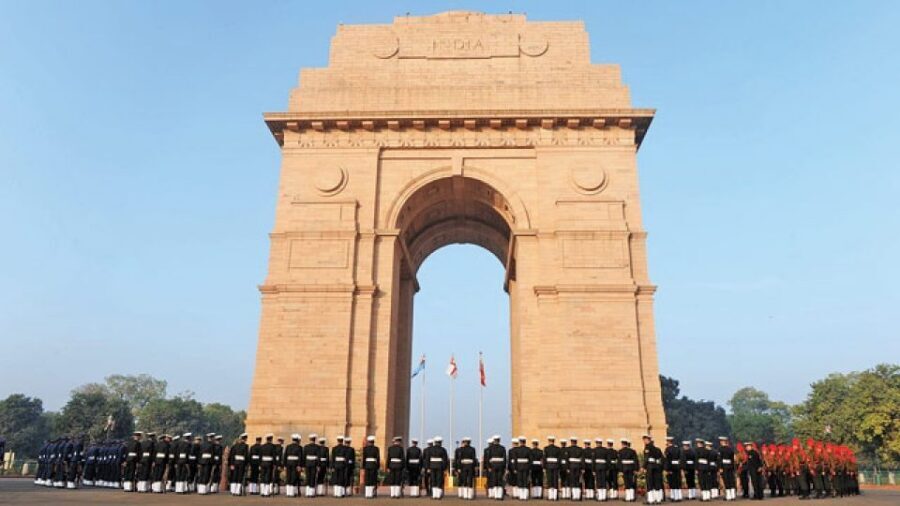
Once you re-board the vehicle, the scenery shifts. You’ll pass through key New Delhi highlights such as India Gate and the Houses of Parliament, plus photo stops that help you understand how New Delhi was designed for grandeur and governance.
This section is about orientation. India Gate gives you the scale of public space and memorial symbolism. Parliament buildings remind you that the city isn’t only old-world charm—it’s the engine of a modern nation-state. And those quick stops are useful even for first-timers because they prevent the day from feeling too much like wandering.
Humayun’s Tomb and Qutub Minar: Two UNESCO Stops With Very Different Feels
This tour includes UNESCO World Heritage Sites beyond the Old Delhi core. Two major stops are Humayun’s Tomb and Qutub Minar.
Humayun’s Tomb: A calm pause in the middle of the day
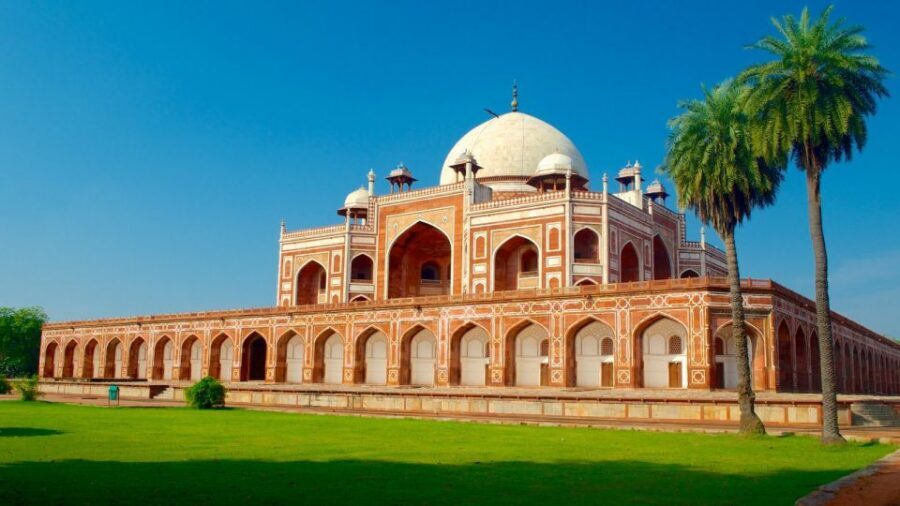
Humayun’s Tomb is a great break from constant motion. Even if you’re not a garden person, the layout helps you reset your brain and slow your pace. The guide can also connect it to the evolution of Indo-Islamic architecture and why these designs became a template for later monuments.
Qutub Minar: When details matter
Qutub Minar is iconic for a reason, and your guide’s role becomes especially useful here. You’ll be looking at the monument as a system of dates, styles, and construction choices rather than only a single tower in a photo frame.
If you’re choosing whether to add entrance tickets, remember: the tour includes tickets only if you select that option. For UNESCO sites, paying for access can make the experience feel more complete.
Raj Ghat: Gandhi’s Memorial and a Different Kind of Stop
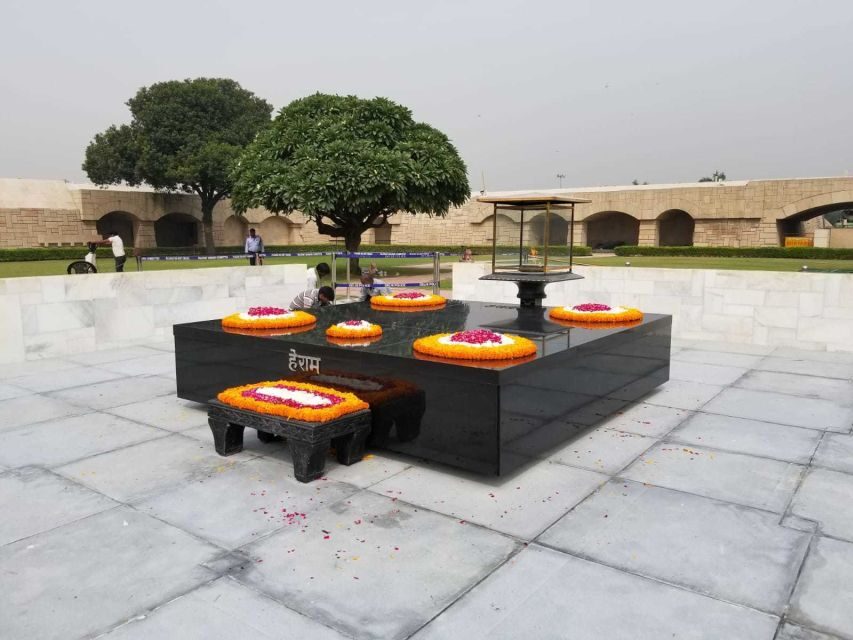
You’ll visit Raj Ghat, a memorial to Mahatma Gandhi. This isn’t the kind of stop where you need to sprint. It’s a reflective break that changes the emotional tone of the day.
For me, this is one of the stops that makes the tour feel more than sightseeing. It reminds you that Delhi’s landmarks are tied to ideas and movements—not just rulers and buildings.
Lotus Temple and Akshardham Closures: How to Stay Flexible on Mondays
Your itinerary can include Lotus Temple and it may also mention Akshardham. Here’s the catch: akshardham, Lotus Temple, and Red Fort close on Mondays. If your schedule lands on a Monday, don’t plan your day as if you’ll see every big interior or signature stop.
Also, you should know that Red Fort closure can affect the morning or later viewing depending on the day’s order. Your guide should help you make the best of it by shifting focus to what’s open—think markets, exterior views, and other monuments that remain accessible.
If Lotus Temple is on your must-see list and you’re traveling on Monday, you’ll have a better time if you keep expectations flexible and treat the day as a reroute, not a disappointment.
Price and Value: How $8 Per Person Can Make Sense
Let’s talk value, because the price—$8 per person for an 8-hour private, guided circuit—sounds too good to be true. In many cities, you’d pay that for a cab, not a guided day.
What makes it plausible as value is the mix of:
- hotel pickup and drop-off (if you choose it),
- a live guide (English or Hindi),
- private vehicle with driver (when selected),
- multiple major monument stops plus market time,
- mineral water included,
- and optionally a rickshaw ride plus entrance tickets (depending on your selection).
The big condition is that you’ll get the most out of it if you show up ready to walk, ask questions, and accept that Delhi time moves differently than clock time.
Also, meals are not included. Budget for lunch separately, and if you want a restaurant recommendation, many guides will suggest options nearby. One lunch name that comes up in real planning is Lazeez Affaire, but your guide can choose what fits your day.
What to Wear and Bring So You Don’t Get Stuck
This tour is easy to enjoy when you pack for practical Delhi:
- Bring your passport or ID card.
- Wear shoes you can walk in on crowded streets.
- Avoid shorts (they’re not allowed).
The tour is listed as wheelchair accessible, which is helpful for travelers who need smoother movement between stops. Still, Old Delhi market lanes can be tight, so go in with patience and let the guide set the pace.
Who This Tour Is Best For
I’d book this if:
- You have one day and want both Old and New Delhi in the same route.
- You like guided context—so you understand what you’re seeing, not just where to stand for a photo.
- You want market time that includes specific places like Kinnari Bazaar, Nai Sarak, and Khari Baoli.
It’s also a strong fit for solo travelers who don’t want to manage crowded logistics alone. It works well for couples too, since the private setup keeps the pace comfortable instead of frantic.
If you hate walking, dislike crowded areas, or only want a single monument style (like only tombs or only modern architecture), you might feel this tour is too mixed. In that case, consider a more focused itinerary.
Should You Book This Delhi One-Day Tour?
Yes—if your goal is a guided, high-impact first visit that balances major monuments with real-city markets. The star parts for most people are the Chandni Chowk cycle rickshaw option and the way the day strings together UNESCO sights, religious landmarks, and shopping streets without leaving you stuck planning.
If you’re traveling on Monday and Lotus Temple or Red Fort are top priorities, think of it as a reroute day. You can still have a great experience, but you’ll need to accept that some signature stops close.
My decision rule is simple: if you want a day that helps you understand Delhi—Old and New—this is a strong pick. If you’re seeking slow, standalone museum-level time, you may prefer a less packed plan.
FAQ
How long is the Delhi Old and New Delhi one-day tour?
The duration is listed as 8 hours.
Is hotel pickup and drop-off included?
Yes. Hotel pickup and drop-off are included in the tour.
Where does the guide meet you if you don’t do pickup?
The guide waits at Karol Bagh Metro Station at Gate 1 with a sign with your name on it.
Is the rickshaw ride included?
A rickshaw ride is included if you select that option.
Are entrance tickets included?
Entrance tickets are included only if you choose the entrance ticket option.
Is food included in the tour price?
No. Food is not included.
What language will the live guide speak?
The live tour guide is available in English and Hindi.
Do you skip the ticket line?
Yes, the tour includes skip-the-ticket-line access (where applicable).
What should I bring, and what’s not allowed?
Bring a passport or ID card. Shorts are not allowed.
Are any major sites closed on certain days?
Yes. Akshardham, Lotus Temple, and Red Fort close on Mondays. Old Delhi’s Chandni Chowk market closes on Sundays.
What is the cancellation policy?
Free cancellation is available up to 24 hours in advance for a full refund.