REVIEW · RISHIKESH
Naag Tibba Trekking and Hiking 2 Nights and 3 Days
Book on Viator →Operated by Yeti Outdoors · Bookable on Viator
Serpent Peak is a friendly first Himalayan climb. Naag Tibba (9915 feet) sits close to major cities, so you get a real summit moment—without a mega-commitment trek—and you’ll walk through forests on the way up. Expect big panorama days, including views toward Bandarpoonch, parts of the Gangotri range, Kedarnath, and the Doon valley on clear mornings.
I love that this is built as an easy start to the mountains—an approachable trek that still feels like a true climb. I also like the hands-on team approach: guides like Manish Badoni bring flora knowledge and stories, and his team support (including Rishabh and Ashish) helps keep the whole pace relaxed but organized.
One thing to consider is that this trip depends on good weather; if conditions are poor, your date may shift or you’ll get a refund. Also, once you’re done with the trek, food and stay in Mussoorie aren’t included, so plan for that last stretch.
In This Review
- Key takeaways before you go
- Naag Tibba at 9915 Feet: Why this “easy” trek is so satisfying
- The walking route: Pantwari to the base, then up to Jhandi Top and Devalsari
- Forest trails, summit views, and how the scenery changes day by day
- Camping setup and meals: what’s included and why it matters
- Guides and team support: what you can expect from Manish and the crew
- Price and value: why $131.86 can make sense here
- Timing, weather, and what to plan for all-year trekking
- Should you book Naag Tibba with Yeti Outdoors?
- FAQ
- Where does the trek start and where do I end?
- How high do we go on Naag Tibba?
- Is this trek hard?
- What’s included in the price?
- What’s not included?
- Do I get pickup?
- What happens if weather is bad?
Key takeaways before you go
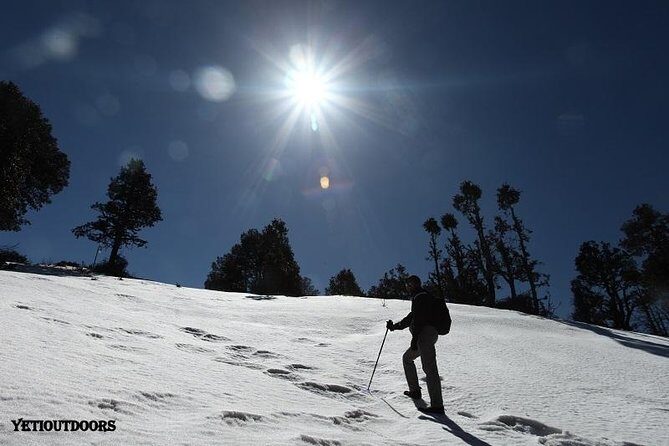
- Beginner-friendly altitude for a summit goal at 9915 feet, with an easy trek level and a short overall schedule.
- Forest trails plus panoramic payoff, including clear-day views of major Himalayan groups and Doon valley.
- Camping included: tents and sleeping bags, plus all meals on trek (so you’re not juggling logistics).
- A guide-led experience with real local storytelling—Manish Badoni’s plant/flora knowledge comes up often.
- Comfort-focused camp setup and smooth teamwork, with support roles like cooks and helpers helping things run right.
- Transport is flexible, with pickup offered and optional transportation at extra cost.
Naag Tibba at 9915 Feet: Why this “easy” trek is so satisfying
Naag Tibba is one of those treks that feels right for people who want a Himalayan experience, not a Himalayan ordeal. You’re working toward a clear summit number—9915 feet (3022 meters)—but the route is described as easy, and the pacing fits a first-timer mindset. The result is a trip where you can feel proud of yourself without spending your whole vacation recovering.
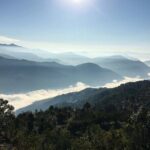
From the top, you get a real reward: wide views across parts of the Indian Himalayas, including the Bandarpoonch peak area, the Gangotri group, Kedarnath in the north, and the Doon valley below. On the right day, that view alone can turn a short trek into a memorable one. And because the trail runs close to major travel routes, this is also a practical weekend escape from Delhi.
The overall vibe is Himalayan camping without the marathon time commitment. You’re not chasing weeks on foot, but you’re still sleeping outdoors, eating properly, and spending your days walking through forested slopes that feel like the mountains—not just a viewpoint stop.
The main “fit” factor is that you want your first trek to teach you how it feels: walking with a plan, handling mountain weather, and learning what it takes to enjoy being outside all day. If that’s your goal, Naag Tibba is a very logical starting point.
You can also read our reviews of more hiking tours in Rishikesh
The walking route: Pantwari to the base, then up to Jhandi Top and Devalsari
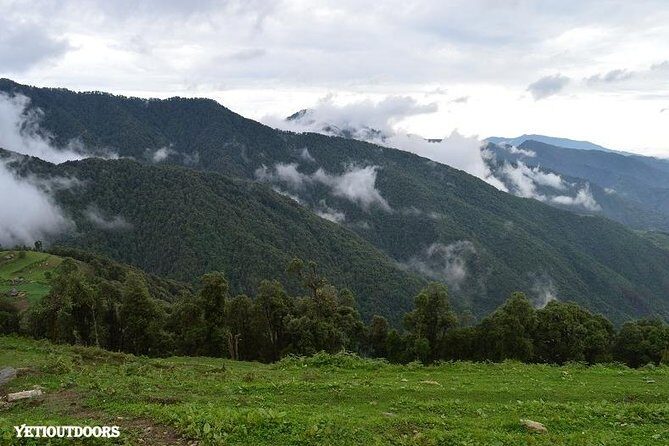
The trip runs over three days with two nights of camping, and the trekking effort spreads across the days so you’re not pushed into one long grind. You start at 9:00 am from Yeti Outdoors, and you’ll head out toward the Pantwari area to begin your first leg. From there, the trek moves toward the Naag Tibba base zone, which sets you up for the next day’s climb.
Day 1 is essentially your “settling-in” day. The focus is getting into rhythm—walking through forested stretches and adjusting to mountain pace—while you build that anticipation for the summit push later. The big practical win here is mental: you’re not waking up on day two already exhausted from day one. You arrive at the base area with enough energy to look forward to the climb.
On Day 2, the route goes from the base area toward Jhandi Top and continues on to Devalsari village. This is where the hike starts feeling more like a real mountain day. Jhandi Top adds a sense of progression, and Devalsari gives you that village-camping contrast: you’re still in nature, but the human scale changes the mood.
Day 3 is a shorter wind-down day after you’ve slept under the stars. You’ll head out from Devalsari for your final hike segment and then finish in the Mussoorie direction. The point of the last day is to keep the experience moving without turning the exit into another full climbing day.
One consideration: the experience ends back at the starting meeting point, but Mussoorie itself is part of the day-three experience. Stay and food in Mussoorie aren’t included, so you’ll want a plan for meals or an onward connection after the trek ends.
Forest trails, summit views, and how the scenery changes day by day
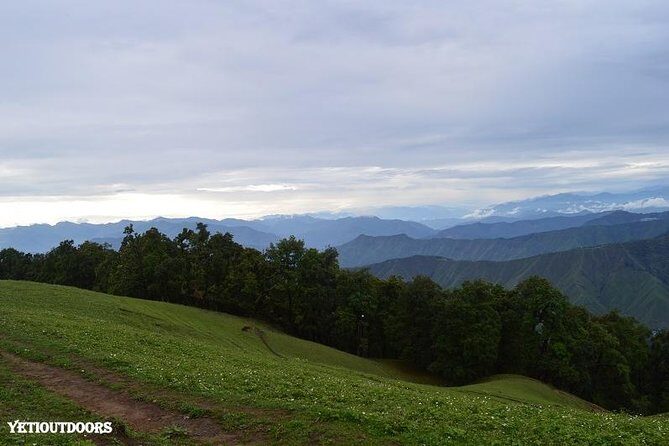
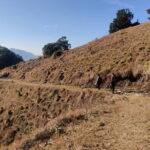
Naag Tibba’s scenery is part of the appeal because it’s not just “walk to a viewpoint and leave.” You move through forested terrain, and the air and light tend to shift as you gain height. That matters because the trek doesn’t feel repetitive: even when the goal is the same (reach the summit/upper areas), the day-to-day feel is different.
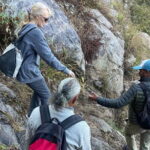
On the way up, forests create a natural buffer against harsh sun and can make the hike feel more comfortable. It’s also a great setting for a guide-led walk. If you’re with someone like Manish Badoni, you may hear extra details about the plants and the local environment, which turns the hike into an outdoor classroom without being heavy or technical.
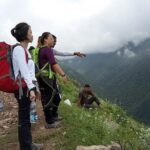
Then you get the payoff: open views toward the bigger Himalayan groups and the Doon valley. The summit and upper viewpoints are the moments when the effort clicks. Whether you’re focused on photos or just taking it all in quietly, that wide panorama is the reason people come for Naag Tibba in the first place.
If weather is clear, the view toward major peak groups can feel almost unreal for a beginner trek. If weather turns, the value of this trek still holds because the forest walking and camping experience remain solid—just expect lower visibility than the clear-day dreams.
Camping setup and meals: what’s included and why it matters
This is the kind of trek where the “included” details really affect your comfort. You get all meals on trek, and that removes a big source of stress. You’re not trying to budget trail food or worry about what’s available each day. That also means your energy tends to stay steadier, since meals are planned around the hiking rhythm.
You also get the key camping gear: tents and sleeping bags, plus technical and kitchen equipment. That’s a real value piece for first-timers, because buying or renting camping gear on short notice can balloon costs fast. With the basics handled, you can focus on personal essentials rather than turning this into a gear hunt.
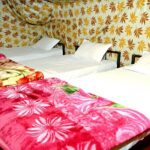
The camp setup is described as comfortable, and the experience often highlights warm hospitality and practical teamwork. In other words, you’re not just dropping people into the wilderness and hoping for the best. A working kitchen, helpers, and cooks matter because they keep the evening part of the trip enjoyable.
There’s also a fun note that comes up in past experiences: animals like a donkey can be part of how supplies are handled on hilly terrain. That’s not just a novelty—when logistics run well, the trek feels lighter for everyone.
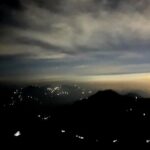
Night sky time is part of the promise here. Camping under the stars is one of those simple things that hits hard when you’ve spent the day walking. If you’re the type who likes the quiet moments between talking and eating, Naag Tibba’s camping rhythm tends to suit you.
Guides and team support: what you can expect from Manish and the crew
A good trek guide changes the whole feel. With Naag Tibba, the team approach stands out: guides lead the route, and the group support handles the work that keeps your day smooth. Names that come up include Manish (often referenced as Manish Badoni for his detailed nature knowledge) along with support roles from Rishabh and Ashish.
What I like about this style is that it’s not only about getting from point A to B. A guide who can explain flora—what’s growing where, why it matters, what you’re seeing—makes your walk more meaningful. And because the trek is easy, that extra learning doesn’t feel like homework. It feels like a conversation while you move.
Team hospitality is repeatedly mentioned as going beyond the basics. That usually shows up in small ways: meal flow in camp, help when conditions shift, and an organized plan so you aren’t left guessing. When the kitchen and camp setup are handled well, the experience feels safe and human, not rugged and chaotic.
Also, the presence of both guides and multiple support people can help keep the pace comfortable for mixed comfort levels. Since this is aimed at beginners, that kind of management matters. You’ll want a trek that teaches you good habits without punishing you for being new.
A few more Rishikesh tours and experiences worth a look
Price and value: why $131.86 can make sense here
At $131.86 per person for roughly 3 days (with 2 nights), the value comes from what’s bundled. You’re not paying only for a hike—you’re paying for the full “camp + food + route support” package. That includes all meals on trek, tents and sleeping bags, and the services of guides, cooks, helpers, and porters/mules.
It also includes all fees and taxes, plus entry permits and the general technical equipment. For a beginner trek, those inclusions reduce the most common hidden costs: gear rental, extra food stops, permit fees, and the time it takes to coordinate all that on your own.
Yes, there are items not included. Personal expenses are on you, and stay and food in Mussoorie plus food during transit are not included. Transportation into the mountains can be arranged on request for an additional charge. And there’s no insurance coverage spelled out, including claims due to natural calamity like landslide or road blockage.
So the real value test is this: if you want a guided outdoor experience where your meals, sleeping setup, and route handling are already arranged, the price feels fair. If you’d rather self-organize every part, this package may not be the best deal. But most first-timers prefer the simplicity.
Timing, weather, and what to plan for all-year trekking
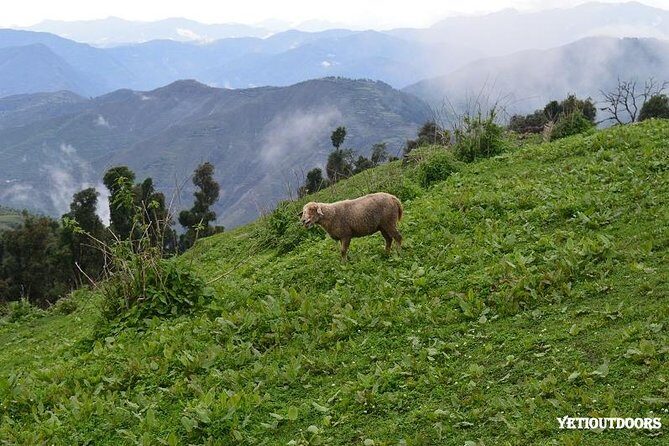
The good news: Naag Tibba is described as running all year around, so you can fit it into your schedule. It’s also a strong weekend option from Delhi, which is a big deal if you want a mountain trip without committing to a long holiday plan.
Still, the trip requires good weather. That’s not a “maybe” kind of statement—it matters because views and safety depend on it. If conditions are poor, the experience can be canceled and you’ll be offered a different date or a full refund. That’s a smart reality check so you don’t build your entire trip around one forecast.
At a maximum altitude of 3022 meters, you’ll want to take it easy on pace and listen to your body. Since the trek is rated easy, most people can participate, but altitude is altitude. The best approach is steady effort, frequent breaks, and dressing for cool air as you climb and especially at night.
Also remember you’re walking in forest terrain. Weather changes can affect trail comfort, so having a flexible attitude helps. If the forecast isn’t great, the experience can still be worthwhile because camp, meals, and the guided structure stay the same—you just might get less dramatic summit visibility than the clear-day photos promise.
Should you book Naag Tibba with Yeti Outdoors?
I’d book this trek if you want a beginner-friendly Himalayan introduction with real outdoor camping. The combination of easy level, a summit goal at 9915 feet, and included gear and meals makes it a low-friction way to get your first true trekking experience.
I’d also consider it if you like guided storytelling. When a guide like Manish Badoni brings flora knowledge and a friendly pace, the trek becomes more than exercise. It becomes a nature walk with context.
Hold off or plan carefully if your schedule is fixed to a single weekend date. Because the experience depends on good weather, there’s a chance of rescheduling if conditions fail. And if you’re budgeting tightly, make room for Mussoorie meals and stay costs after the trek ends.
If you’re ready for forests, starry nights, and a satisfying mountain view within a short time window, Naag Tibba is one of the better bets for getting started.
FAQ
Where does the trek start and where do I end?
The trek starts at Yeti Outdoors at 9:00 am. The activity ends back at the meeting point, so you finish where you began.
How high do we go on Naag Tibba?
The maximum altitude reached is listed as 3022 meters / 9915 feet.
Is this trek hard?
It’s described as an easy trek. The trekking level is easy, and the overall tour runs about 3 days with 2 nights.
What’s included in the price?
The included items are all meals on trek, use of technical/kitchen/central equipment (including tents and sleeping bags), all fees and taxes, and the services of guides, cooks, helpers, and porters/mules. Entry fees and permits are included too.
What’s not included?
Not included: personal expenses, stay and food in Mussoorie, and food during transit. Transportation can be arranged on request for an additional charge, and insurance is not included.
Do I get pickup?
Yes, pickup is offered. If you need transportation beyond pickup, it can be arranged on request at an extra cost.
What happens if weather is bad?
The experience requires good weather. If it’s canceled due to poor weather, you’ll be offered a different date or a full refund.