Monsoon roads to Lonavala feel like a reset. This private day trip gets you out of Mumbai with an air-conditioned car and an English-speaking guide, then strings together easy-to-follow stops in Lonavala and nearby hills. The best part is round-trip hotel transfers, so you’re not piecing together rides before you even reach the mountains.
I also like how flexible the day can feel once you’re on the ground. In one recent trip, the guide Sameer adjusted the schedule to fit the group, and that matters when weather shifts or your energy level changes. The main drawback to plan for: monsoon rain can show up, and there are a lot of stairs at the caves and fort, so bring trekking shoes and a raincoat or umbrella.
In This Review
- Key highlights you’ll care about
- Monsoon timing: why this Mumbai-to-Lonavala route makes sense
- Price and value: what you’re paying for at about $90 per person
- Getting picked up in Mumbai at 7:00 am (and why the drive matters)
- Shree Narayani Dham Temple: a calm stop before the viewpoints
- Lion’s Point: viewpoint time that fits into a monsoon schedule
- Bhushi Dam and the steam-engine story
- Bhaja Caves: rock-cut Buddhist caves with stairs and stamina
- Lohagad Fort: hill-fort energy with another two hours
- What to bring for a monsoon day: simple items that save the day
- How long the day really takes (and how it keeps moving)
- Who this day trip is best for
- The main downside to weigh before you book
- Should you book this Mumbai to Lonavala monsoon drive?
- FAQ
- What is the duration of the Mumbai to Lonavala monsoon drive?
- What time does the tour start?
- Does the price include transportation from my hotel?
- Is there an English-speaking guide?
- Which stops have admission included?
- Is lunch included in the price?
- Is this a private tour?
- What should I bring for the monsoon weather?
- What happens if the weather is poor?
Key highlights you’ll care about
- Private ride with hotel pickup and drop-off so you start and finish hassle-free
- English-speaking guide who can adjust timing for your group
- Temple + viewpoint + dam in one loop for variety without rushing
- Bhaja Caves are included and run about two hours, stairs included
- Lohagad Fort adds big views and a workout with another two hours of exploring
Monsoon timing: why this Mumbai-to-Lonavala route makes sense
A monsoon day in the hills is a different mood than a dry-season sightseeing run. You’re trading beach-weather heat for cooler air and misty views, plus the Indrayani River area often feels more alive around the dam. The trick is accepting that “monsoon” can mean rain in bursts, not constant downpour.
This itinerary is built for that reality. You’re not only chasing one long hike; you’re doing short temple stops, scenic viewpoints, then cave and fort time that you can manage with proper footwear. Because it’s private, you can take breaks when the ground gets slick, instead of trying to keep pace with a larger group.
You can also read our reviews of more private tours in Mumbai



Price and value: what you’re paying for at about $90 per person
At $90 per person, you’re paying for more than seats in a car. You’re getting round-trip hotel transfers, a private air-conditioned vehicle, a local English-speaking guide, and tolls/parking covered. That bundled setup is where the value shows up, especially if you’d otherwise spend time coordinating taxis and hiring a guide separately.
You’ll also save yourself from “hidden” costs inside the day. The big-ticket site time—Bhaja Caves and Lohagad Fort—has admission included, while several other stops are free. What you still control: lunch, dinner, and personal expenses aren’t included, so you’ll want a simple plan for meals.
Getting picked up in Mumbai at 7:00 am (and why the drive matters)
The day starts at 7:00 am, which is early enough to feel like you’re accomplishing real travel, not just shuffling around town. You’ll ride in an air-conditioned private vehicle with pickup and drop-off at your hotel, which is a major comfort upgrade on a long day.
In practice, this kind of schedule works best when you treat the day like a moving itinerary, not a collection of random stops. The guide helps you move from viewpoint to viewpoint with fewer gaps, and you don’t lose time figuring out routes or dealing with local transport changes during rain.
Shree Narayani Dham Temple: a calm stop before the viewpoints
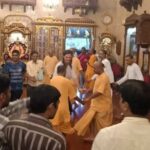
Your first stop is Shree Narayani Dham Temple for about 30 minutes, with free admission. The temple is dedicated to Goddess Narayani and is located in the Dhankawadi area of Lonavala, which gives you a more local, lived-in start than jumping straight to scenic overlooks.
This stop works well early in the day because it’s shorter and less physically demanding than the later sites. In monsoon conditions, a temple pause can also feel like a breather—something indoor/covered nearby if weather gets messy—while you reset before heading out for open-air views.
What to expect: a focused visit rather than a long wandering session. If your group likes learning the meaning behind what you’re seeing, this is a great moment to ask the guide what Narayani represents and why the temple is considered a famous sightseeing stop.
Lion’s Point: viewpoint time that fits into a monsoon schedule
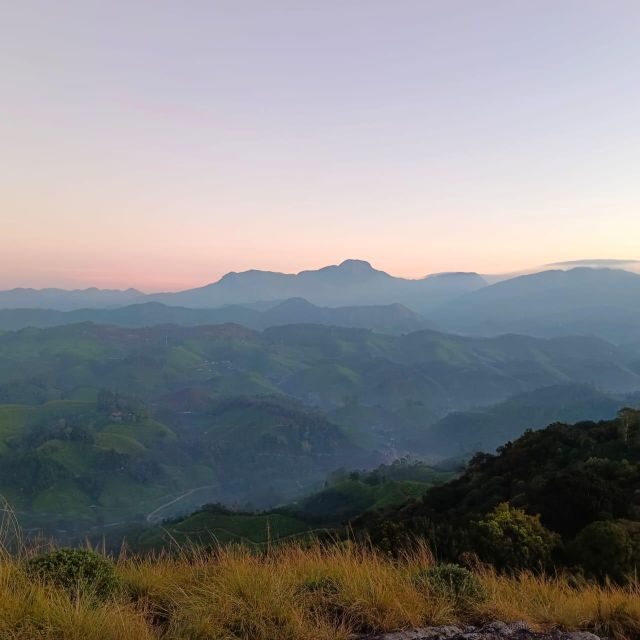
Next up is Lion’s Point for around 1 hour, also free. It’s a vantage point midway between Bhushi Dam and the Aamby Valley area, and it’s known as one of the popular viewpoints in Lonavala.
In the monsoon, viewpoints can be a hit or miss depending on cloud cover. Still, this is the right kind of stop to include because the timing is flexible—you’ve got enough time to wait out brief rain, take photos if the sky opens, then move on without feeling like you lost the whole day.
Practical tip: treat Lion’s Point as both a view stop and a pace-maker. If the weather is damp, the priority becomes safe footing and quick orientation rather than pushing for long walks.




Bhushi Dam and the steam-engine story
You’ll spend about 1 hour at Bhushi Dam, free to visit. It’s a masonry dam on the Indrayani River and one of the area’s top tourist sites, including for weekend getaways from both Pune and Mumbai.
Here’s the extra layer that makes this stop more interesting than a simple photo stop: the dam was built in the 1860s as a water source for steam engines. That industrial detail adds context for why this spot matters, turning the dam into a chapter of Maharashtra’s past, not just scenery.
Monsoon note: the dam area tends to feel more dramatic when the region is wet. Just keep it practical—wear shoes with grip, expect damp surfaces near pathways, and keep your time focused so you’re not rushing in slippery conditions.
Bhaja Caves: rock-cut Buddhist caves with stairs and stamina
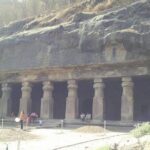
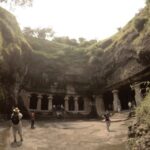
This is one of the signature stops on the day: Bhaja Caves for about 2 hours, with admission included. The caves are a group of 22 rock-cut caves dating back to the 2nd century BC, located off the Mumbai–Pune expressway near Pune. One detail I appreciate from the description: the caves are around 400 feet above the village area, which helps explain why stair sections are part of the experience.
This is also where the monsoon drawback becomes real. One review mentioned lots of stairs during rainy parts, but the group still had fun. The takeaway for you: caves can be memorable even in bad weather, as long as you’re prepared to move carefully.
What to do:
- Keep your pace steady rather than fast.
- Plan for damp air and slick steps.
- Use your guide time wisely by asking what makes these rock-cut spaces distinct.
If you’re visiting with kids, this is still doable—one family trip included a 9-year-old and stayed positive—but only if everyone has footwear that handles wet stone.
Lohagad Fort: hill-fort energy with another two hours
After the caves, you’ll head to Lohagad Fort for about 2 hours, also with admission included. Lohagad is one of Maharashtra’s hill forts, close to Lonavala and about 52 km northwest of Pune. It sits at an elevation of roughly 1,033 m above sea level, which is part of why it feels like a “proper” hill day instead of a quick sightseeing stop.
Fort time often gives you a mix of walking, viewpoints, and photo breaks. In monsoon weather, the fort experience comes with more caution—wet ground can make slopes and stairways more tiring. That’s where the private format helps again. Your guide can help set a pace that works for your group, instead of everyone being stuck in the same rhythm.
A smart approach is to treat this as a physical activity within your day, not just a destination. Bring a plan: slow and steady, short breaks, and fewer rushed photo sprints.
What to bring for a monsoon day: simple items that save the day
Your tour info is very clear that good weather matters, but monsoon travel still requires practical gear. Bring a raincoat or umbrella, an extra pair of clothes, and a towel for when you get damp. Most important: pack trekking shoes.
If you’re tempted to wear sandals or smooth-soled shoes because it’s just walking between stops, don’t. Damp stone and stairs can turn a casual climb into a tense one. With the right footwear, you’ll spend less time worrying about footing and more time enjoying the sites.
Also, since lunch isn’t included, plan something realistic. You might want snacks or a simple meal strategy so you’re not scrambling during rainy gaps. A calm, prepared day makes the whole itinerary feel easier.
How long the day really takes (and how it keeps moving)
The tour is listed as about 8 to 10 hours. If you total the on-site times: temple (30 minutes), Lion’s Point (1 hour), Bhushi Dam (1 hour), Bhaja Caves (2 hours), and Lohagad Fort (2 hours), you’re already at about 6.5 hours of activities. The remaining time is travel time between stops plus weather-based pauses.
That’s why the guide’s ability to adjust matters. Rain can change what feels comfortable, but a private schedule can flex. In the review, Sameer adjusted the plan for the group, which is exactly what you want on a monsoon day—one person in charge of the pacing.
Who this day trip is best for
This tour fits best if you want:
- A full day outside the city with multiple major stops
- Comfort and reduced hassle from pickup/drop-off
- A guide who can speak English and help you understand what you’re seeing
- A day that includes both scenic moments and structured sightseeing
It’s also a good choice for families, assuming you handle stairs. One recent experience included two adults and a 9-year-old, and they still had fun despite rainy parts. If your group is prone to discomfort on stair-heavy sites, plan for slower pacing and good footwear.
The main downside to weigh before you book
Monsoon conditions can affect the feel of outdoor sightseeing. Rain can mean slippery stairs and less clear views from the viewpoint. Also, the cave and fort portions involve real stair sections, not flat walking.
If you’re someone who hates stairs or avoids uneven footing, you’ll likely find this day more challenging than a lighter itinerary. But if you can handle careful walking and show up with the right shoes and rain gear, it’s a very workable way to see Lonavala’s key highlights in one day.
Should you book this Mumbai to Lonavala monsoon drive?
I’d book it if you want a structured day trip that feels smooth from start to finish: hotel pickup, private air-conditioned transport, an English-speaking guide, and a tight list of stops that range from temple to caves to a hill fort. The combination of included admissions at major sites and the fact that your pacing can adjust makes it a good value for a private outing.
I’d think twice if you strongly dislike stairs or you know you’re uncomfortable in wet, slick conditions. In that case, you might prefer a more relaxed plan with fewer climbing sections.
If you’re ready for a day that mixes views, faith sites, and rock-cut history—while still keeping it practical—this is a smart monsoon-season choice.
FAQ
What is the duration of the Mumbai to Lonavala monsoon drive?
The tour runs about 8 to 10 hours.
What time does the tour start?
Start time is 7:00 am.
Does the price include transportation from my hotel?
Yes. Round-trip hotel transfers are included, along with private transportation in an air-conditioned vehicle.
Is there an English-speaking guide?
Yes. The tour includes a local English-speaking guide.
Which stops have admission included?
Admission is included for Bhaja Caves and Lohagad Fort. Shree Narayani Dham Temple, Lion’s Point, and Bhushi Dam are listed as free.
Is lunch included in the price?
No. Lunch and dinner are not included, along with personal expenses.
Is this a private tour?
Yes. It’s a private tour/activity, and only your group participates.
What should I bring for the monsoon weather?
You should carry a raincoat or umbrella, an extra pair of clothes, a towel, and trekking shoes.
What happens if the weather is poor?
This experience requires good weather. If it’s canceled due to poor weather, you’ll be offered a different date or a full refund. You can cancel up to 24 hours in advance for a full refund.