REVIEW · MUMBAI
Mumbai: Magical Markets Tour
Book on GetYourGuide →Operated by Yo Tours · Bookable on GetYourGuide
Mumbai smells like spice and jewelry. The Magical Mumbai Markets Tour is a fast, feet-on-the-ground way to see how the city trades, prays, and snacks—starting with the Bhuleshwar Market chaos of produce, pooja supplies, imitation jewelry, rose petals, and household goods. I like that it feels organized without feeling scripted.
I also love how the route swaps between places that look totally different, from the calm of temple stops to the glitter overload at Zaveri Bazaar. You’ll get a masala chai in a clay cup along the way, plus lots of local context for what you’re seeing. One consideration: this is a walking tour in crowded lanes, so if you hate shopping pressure or get uncomfortable in tight spaces, you’ll want to set expectations early with your guide.
In This Review
- Key highlights worth showing up for
- A 2-hour market route that actually makes sense
- Where to meet (and how to start calmly)
- Shri Swaminarayan Mandir start: a quiet anchor before the crowd
- Bhuleshwar Market: everything under one loud roof of streets
- Mumba Devi Temple: the name story behind the city
- Zaveri Bazaar: largest jewelry market in Mumbai, up close
- Kalbadevi lanes and Chor Bazaar: antiques and furniture shopping
- Mangaldas Market since 1893: silk and cloth focus
- Crawford Market finish: Gothic and Romanesque food browsing
- Masala chai in a clay cup: the break that resets your senses
- What makes a guide like Nisar matter on a market tour
- Price and value: where $18 really goes
- Crowd tactics, shopping pressure, and how to keep control
- What to bring, what not to bring, and who should skip this
- Should you book the Magical Mumbai Markets Tour?
- FAQ
- How long is the Mumbai Magical Markets Tour?
- Where do I meet the guide?
- What stops are included on the route?
- What is included in the price?
- Is masala chai included?
- Do I get hotel pickup or drop-off?
- What should I bring, and what isn’t allowed?
Key highlights worth showing up for
- Local guide time in Mumbai’s oldest busy lanes: You’re not just sightseeing at the edge; you’re walking through the working parts of the markets.
- Bhuleshwar Market variety: fruits and vegetables, rose petals, religious items, imitation jewelry, and everyday accessories in one loop.
- Zaveri Bazaar jewelry browsing: the largest jewelry market in Mumbai, built for close-up looking at ornaments, gold, and stones.
- Temple + market mix: you’ll visit historic religious landmarks like Mumba Devi Temple and the Swaminarayan Mandir stop.
- Crawford Market finale: Gothic and Romanesque architecture, plus food browsing like imported cheese and homemade chocolate.
- Guide support that feels personal: in particular, English/Hindi-speaking Nisar is praised for clarity, friendliness, and even helping with the chai moment.
A 2-hour market route that actually makes sense
Mumbai markets can feel like sensory overload. That’s why I like this tour length: 2 hours is enough time to see real variety, but not so long that you’re exhausted before you reach the best stops. The guide keeps the flow moving between food stalls, religious sites, and specialty markets, so you get a sense of how the city’s different communities overlap.
The other smart part is the pacing. This is a walking experience, and the stops are chosen to fit together like puzzle pieces: a sacred starting point, a multi-category market, then jewelry, antiques, cloth, and finally a classic market hall to cap it off. If you want a quick but meaningful first taste of Mumbai’s street commerce, this format works.
You can also read our reviews of more tours and experiences in Mumbai.


Where to meet (and how to start calmly)
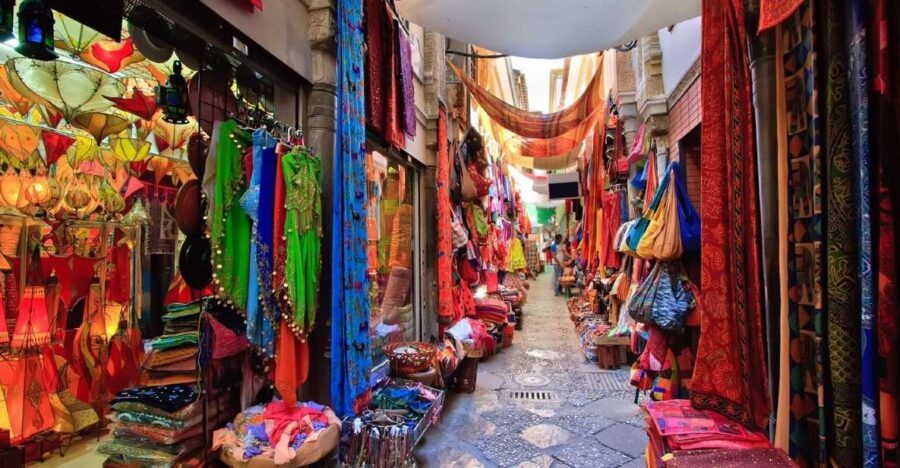
You’ll meet at Café Coffee Day in the VT Capital Cinema Building, Noor Fort, Mumbai. That’s a useful starting point because it’s an easy landmark to find. From there, you’ll be walking through neighborhoods on foot, so treat the first 10–15 minutes like warm-up time.
Practical tip: wear shoes you trust for uneven pavement and crowded sidewalks. You’ll also want to bring sun protection. The tour is rain or shine, and you’ll be outdoors even if weather turns messy, so plan for quick changes in conditions.
Shri Swaminarayan Mandir start: a quiet anchor before the crowd
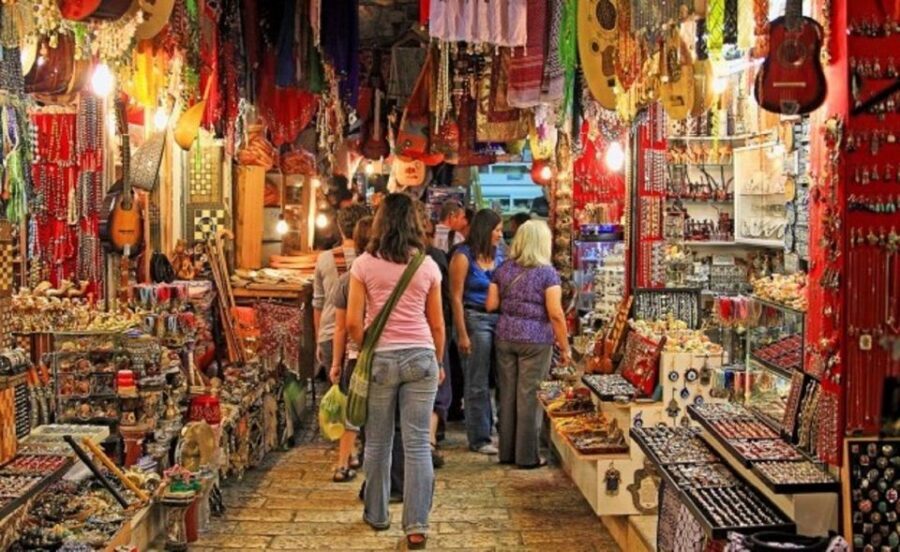
The tour begins with Shri Swaminarayan Mandir Vadtal, described as the headquarters of the Shri Laxmi-Narayan Dev Gadi. Even if temples aren’t usually your thing, I think this stop helps you read the rest of the day. You’re not jumping straight into trading energy—you get a cultural anchor first.
You may notice that temple architecture and rules shape the surrounding streets. That matters in India’s old market areas: religious landmarks often influence foot traffic, shop types, and even what people carry through the day. This is the sort of context that makes later stops feel less random.
Bhuleshwar Market: everything under one loud roof of streets
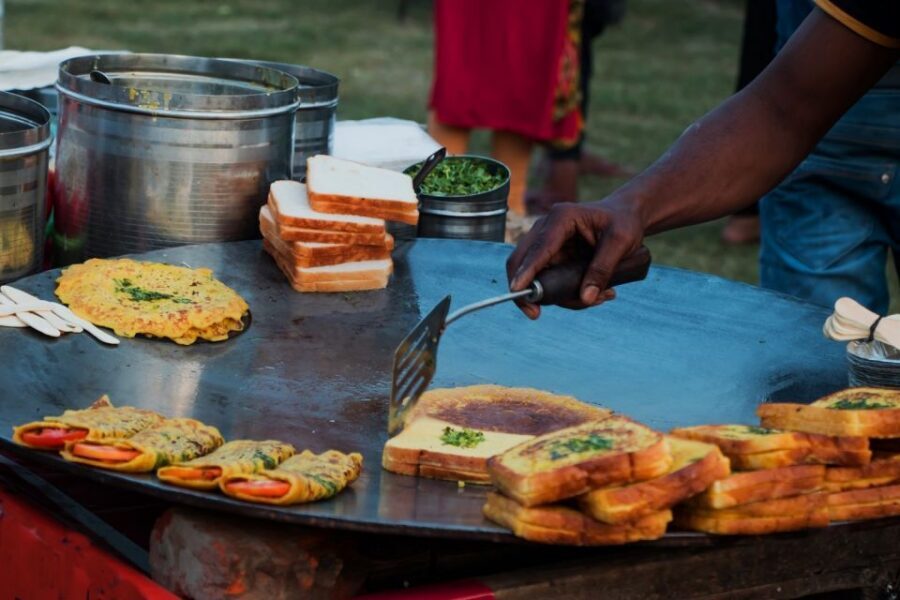
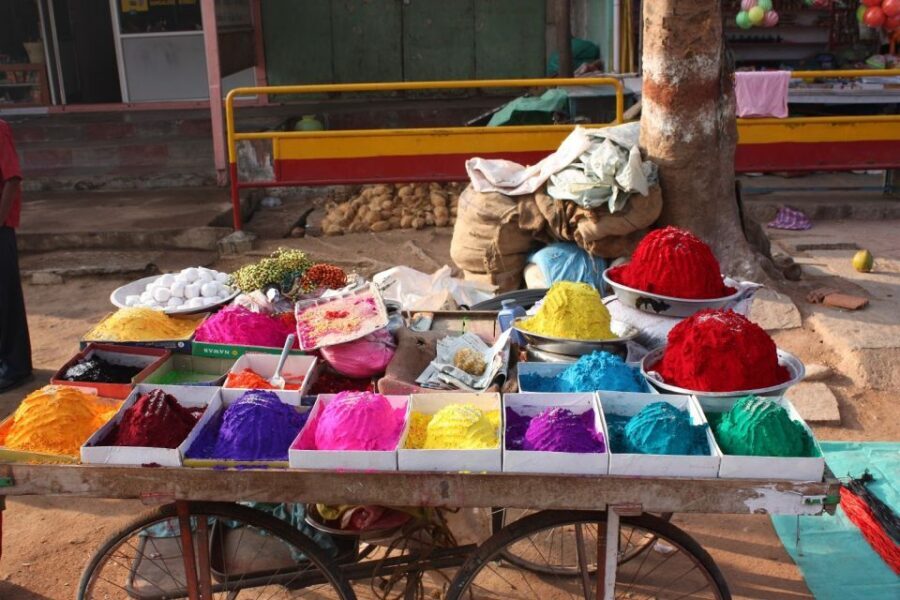
Next comes Bhuleshwar Mumbai—a market area that covers everything from produce to pooja items. Here’s what you can expect to see: fruits and vegetables, imitation jewelry, religious and pooja items, rose petals, household items, and even cloth accessories.
Why I like this stop: it’s not a single-theme market. It’s a living “mix” zone. Your guide’s job is to help you connect the dots—what these shops sell, who buys them, and why certain items show up together. Even if you don’t plan to purchase anything, it’s one of the best places to understand how daily life and worship share the same street routes.
Mumba Devi Temple: the name story behind the city
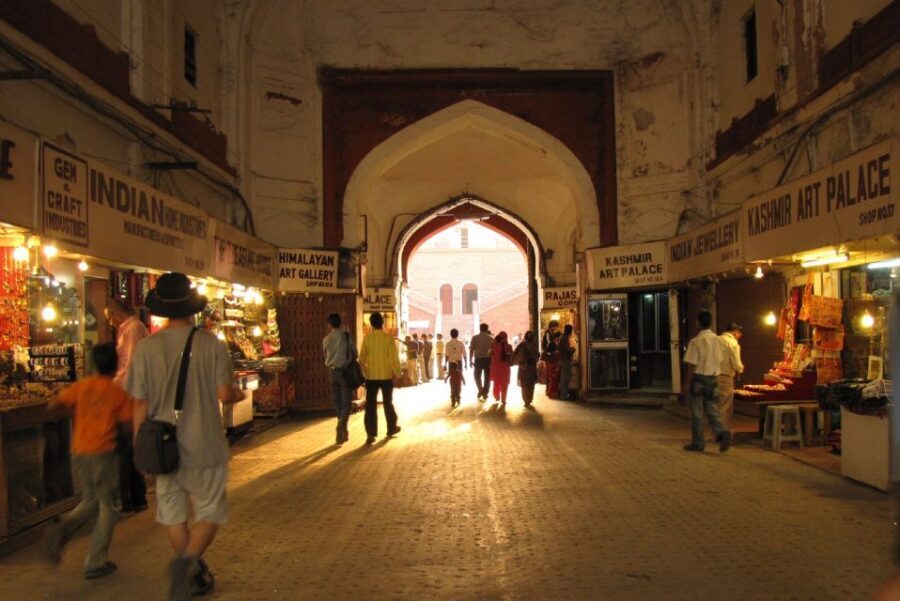
After Bhuleshwar, you’ll visit Mumba Devi Temple, which is linked to the origin of Mumbai’s name. This is one of those stops that changes how you look at the map. When you learn what place-names connect to, cities stop feeling like generic destinations and start feeling like real communities with long memories.
Also, temple visits can mean different photo rules. The tour notes that photography may be restricted inside temples, so keep your camera ready but be respectful. If you’re unsure, ask your guide before you start snapping.






Zaveri Bazaar: largest jewelry market in Mumbai, up close
Then comes the star of the glitter show: Zaveri Bazaar, called the largest jewelry market in Mumbai. Expect sparkling ornaments, jewelry, gold, and stones—plus lots of displays that reward close looking.
This is where a good guide earns their pay. Your eyes might jump from shine to shine, but the guide can point out what you’re seeing and how the market is organized. If you’ve ever wondered why some areas feel built for a certain product category, Zaveri Bazaar gives you the answer fast.
Also, jewelry markets can be intense. Crowds, bright lighting, and sellers trying to get attention are part of the experience. If you’re only browsing, still enjoy the moment—but don’t feel obligated to talk or buy.
Kalbadevi lanes and Chor Bazaar: antiques and furniture shopping
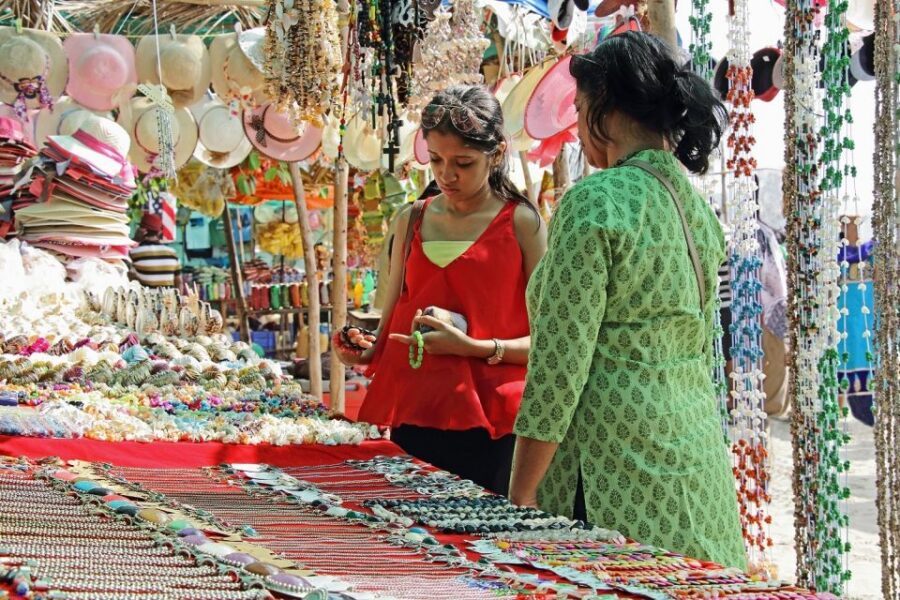
From there, you’ll pass through Kalbadevi streets and head to Chor Bazaar, known for antiques and furniture. The shift here is big: from jewelry sparkle to old-world objects, worn textures, and history you can almost touch.
Chor Bazaar is ideal if you like visual hunting—spotting differences in styles, materials, and repair work. Even if you don’t buy, it’s a great place to practice “market reading”: noticing how items are categorized, how sellers describe pieces, and how customers walk through looking for specific finds.
Mangaldas Market since 1893: silk and cloth focus
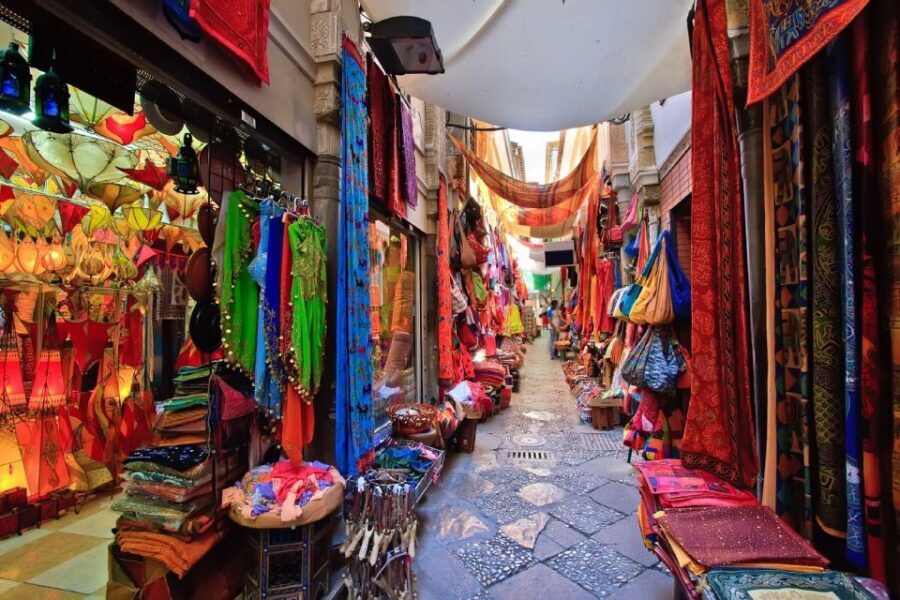
Next is Mangaldas Market, which opened in 1893 and is known for silk and cloth. This stop adds another layer to the day: not just food, not just jewelry, but textiles—the backbone of a lot of Indian clothing culture.
If you enjoy fabrics, this is a fun part to slow down. Look closely at how cloth is displayed and folded. Notice how different types are separated and priced. Your guide can help you navigate what’s common and what’s more specialized, which makes shopping less confusing.
Crawford Market finish: Gothic and Romanesque food browsing
The day ends at Crawford Market, one of South Mumbai’s most famous markets. The big reason I like the finale: you’re not just walking through stalls—you’re also seeing architecture. Crawford Market has Gothic and Romanesque style details, and it makes the last stretch feel like a mini landmark visit.
For food, expect browsing among fruits and vegetables, delicious imported cheese, and homemade chocolate. Even if you’re not buying, it’s a good spot to snack thoughtfully or pick up a treat to share later.
Masala chai in a clay cup: the break that resets your senses
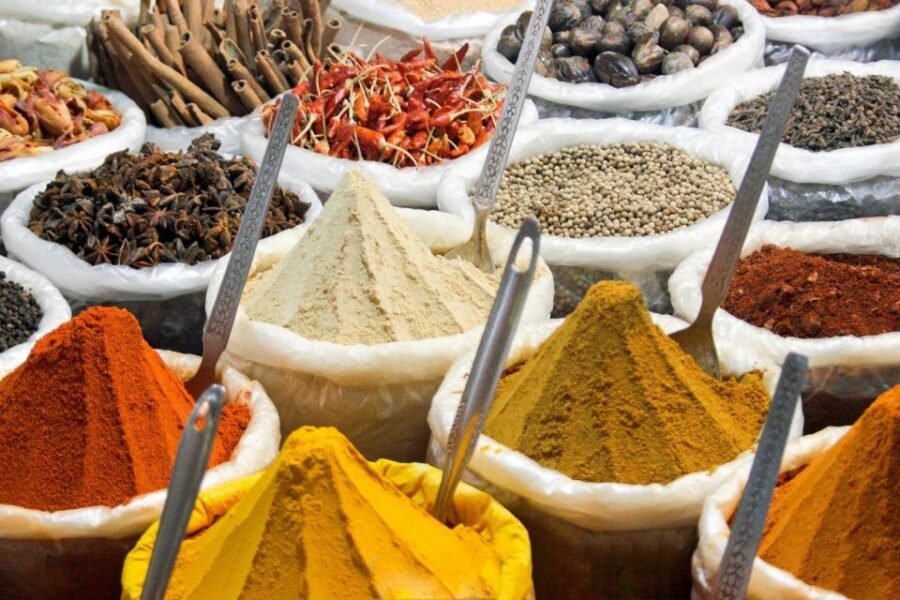
One of the highlights is a stop to sip masala chai in a clay cup. I like this moment because markets are all movement and noise. Tea gives you a reset point. It also helps you slow down long enough to notice what the guide is describing.
Some guides pay attention to comfort, and Nisar is specifically praised for being friendly and taking care of people during the walk. If your group includes someone who gets worn out easily, a tea break at the right time makes the whole day feel more manageable.
What makes a guide like Nisar matter on a market tour
A market tour lives or dies on the guide. The best experiences I’ve seen share a few traits: clear explanations, good local instincts, and the ability to keep you safe and comfortable in tight areas.
In the feedback, Nisar is repeatedly described as friendly, knowledgeable, and very good at explaining what you’re seeing across multiple markets. People also mention feeling safe on the walk and appreciating the guide’s attention to pacing. That last part matters more than you’d think. Mumbai’s lanes can look similar to outsiders, and getting lost is easy without direction.
Price and value: where $18 really goes
At $18 per person for a 2-hour walk, the value comes from the combo: specialist local guidance, access to working markets, and a route that hits several different market types instead of repeating the same street scene.
Also, the tour is described as a private group, and the guide speaks English and Hindi. For many travelers, that language support is the difference between wandering and actually understanding. The guide also provides local tips and recommendations, plus individualized suggestions—helpful when you’re trying to decide where to go next after the markets.
One small note: water bottle isn’t included. In Mumbai heat, that matters. Bring your own bottle or plan to buy water during the day.
Crowd tactics, shopping pressure, and how to keep control
Markets can get crowded, especially during festival times. The tour notes that shops can be cash-only, and some temple areas may limit photos. These are normal market conditions, but you should plan your behavior around them.
Here’s my practical approach:
- Wear something comfortable and breathable.
- Keep valuables secure and easy to access if you need to pay by cash.
- If you’re not interested in buying, say it calmly at the start. Don’t wait until you’re already inside a shop.
There’s one more consideration based on mixed experiences: a guide may steer you toward buying opportunities. That doesn’t have to ruin the day, but it can if you clearly wanted to browse only. Your best move is to communicate early: you want to see, not shop.
What to bring, what not to bring, and who should skip this
Bring: comfortable shoes, sunglasses, sun hat / hat, and sunscreen. A small daypack is fine, but the tour notes that luggage or large bags aren’t allowed.
The tour also isn’t suitable for wheelchair users and pregnant women, likely because it’s a walking route through crowded lanes with limited ability to navigate around obstacles.
Should you book the Magical Mumbai Markets Tour?
If you want a short, high-variety market introduction to Mumbai, I’d say this is a strong yes. The lineup makes sense: Bhuleshwar Market for everyday variety, Mumba Devi Temple for place-name context, Zaveri Bazaar for jewelry focus, Chor Bazaar for antiques and furniture, Mangaldas Market for cloth, and Crawford Market for the architectural finale and food browsing.
Book it especially if:
- you like walking neighborhoods and learning what you’re seeing
- you want a local guide who can translate market meaning, not just point at stalls
- you’re happy to browse and snack without needing hotel transport
Think twice if:
- you hate crowding or tight lanes
- you need step-free routes
- you don’t want any shopping stops at all, even briefly
If you do book, message your preferences early: you’re here for the markets and temples, and you’d like browsing to stay browsing. With the right expectations—and a guide like Nisar—this tour is one of the simplest ways to feel Mumbai’s street life in just two hours.
FAQ
How long is the Mumbai Magical Markets Tour?
It lasts 2 hours.
Where do I meet the guide?
Meet at Café Coffee Day, VT Capital Cinema Building, Noor Fort, Mumbai.
What stops are included on the route?
The tour includes Shri Swaminarayan Mandir Vadtal, Bhuleshwar Market, Mumba Devi Temple, Zaveri Bazaar, Kalbadevi area, Chor Bazaar, Mangaldas Market, and Crawford Market, with the day finishing around Shri Mumbadevi Temple.
What is included in the price?
You get a trained English and Hindi-speaking guide, access to hidden lanes and local markets, and local tips and recommendations.
Is masala chai included?
The experience highlights include masala chai in a clay cup, so there is a chai stop on the tour.
Do I get hotel pickup or drop-off?
No. Hotel pickup and drop-off aren’t included.
What should I bring, and what isn’t allowed?
Bring comfortable shoes, sunglasses, sun hat/hat, and sunscreen. Luggage or large bags aren’t allowed.