REVIEW · MUMBAI
Mumbai Full-Day Sightseeing & Dharavi Slum Tour
Book on Viator →Operated by Cityscape Mumbai Tours · Bookable on Viator
Mumbai can feel like sensory overload.
This full-day tour is built to get you organized fast, with an air-conditioned car and a local guide threading together the city’s biggest landmarks and real-life neighborhoods. I like that you cover the postcard sights and the human side of Mumbai in one go, without the stress of route-hunting.
Two things I really like: the private, guide-led pacing (so you can ask questions and decide how long to linger), and the tight one-day route that strings together iconic sites like CSMT and Gateway of India, then moves into the Dharavi reality check.
One drawback to think about: it’s a full day. You’ll be on the move for hours, so if you prefer long, unstructured breaks, you may want to plan for slower evenings after.
In This Review
- Key highlights that make this tour worth your time
- Why This Mumbai-Day Plan Works Better Than Doing It Solo
- Price and Value: What $35.23 Really Buys You
- Getting Oriented at CSMT: Mumbai’s Rail Temple
- Gateway of India and Dhobi Ghat: Two Very Different Mumbai Moods
- Oval Maidan, High Court, and the University Fort Campus: Rules, Sports, and Power
- Marine Drive and Malabar Hill: Sea Views and Serious People-Watching
- Crawford Market, Kamala Nehru Park, and the Boot House: Color, Commerce, and Quirky Architecture
- Hanging Gardens and the Gandhi Connection at Mani Bhavan
- Dharavi in One Clear Block: What Your Two Hours Are For
- Transportation, Pacing, and How It Feels in Real Time
- The Guides Matter: Jawwad, Preti, Subhan, Javed, and the Rest
- Who Should Book This Tour (and Who Might Want Something Else)
- Should You Book This Mumbai Full-Day Sightseeing & Dharavi Tour?
- FAQ
- How long is the Mumbai full-day sightseeing and Dharavi tour?
- Is pickup included?
- Is this a private tour?
- What are some of the main stops?
- Are there admission fees for the stops?
- Is dinner included?
- What is the Dharavi portion like in terms of time?
- Is free cancellation available?
- Can most people participate, and are service animals allowed?
Key highlights that make this tour worth your time
- Private guide attention that keeps the day from turning into a scavenger hunt
- Air-conditioned roundtrip transport to connect distant stops without burning energy
- Dharavi visit built into the schedule for a firsthand look in about two hours
- Landmark mix that makes sense together: rail station, sea promenade, courts/campus, markets
- Mani Bhavan Gandhi Museum included as a paid stop on the day
- English-speaking guides noted for clear explanations and patience (examples include Jawwad, Preti, Subhan, and Javed)
Why This Mumbai-Day Plan Works Better Than Doing It Solo
Mumbai has a way of pulling you in every direction. That’s fun—until you realize you’ve spent half your day guessing where to go next. This tour’s main strength is that it turns a complicated city into a clear route. You’re not trying to figure out transit, navigation, or what’s worth your time. You follow a logical path and get context as you go.
I also like the way the day balances the big-view stops with places that explain how Mumbai functions. You’ll see a historic railway station, colonial-era architecture, a famous seaside promenade, and a major market. Then you shift to Dharavi—where the point isn’t to treat people like a photo-op, but to understand a community shaped by industry and daily life.
A few more Mumbai tours and experiences worth a look



Price and Value: What $35.23 Really Buys You
At $35.23 per person, the value comes from what’s included in the experience design. You’re paying for a full-day package: a private group format, guide time, and roundtrip transport in an air-conditioned car, plus admission/entry fees on the included sites.
Most listed stops are free to enter (CSMT, Gateway of India, Dhobi Ghat, Oval Maidan, Marine Drive, Crawford Market, and others). The day also includes Mani Bhavan Gandhi Museum with admission included. Dinner and alcohol aren’t part of the package, but you’re not stuck paying for every single stop. You’re buying “less hassle,” and the route saves you the energy cost of building it yourself.
If you’re comparing to piecing it together with separate taxi rides and multiple entry fees, this tends to come out as good financial sense—especially if you’re not traveling with a local friend who can guide you.
Getting Oriented at CSMT: Mumbai’s Rail Temple
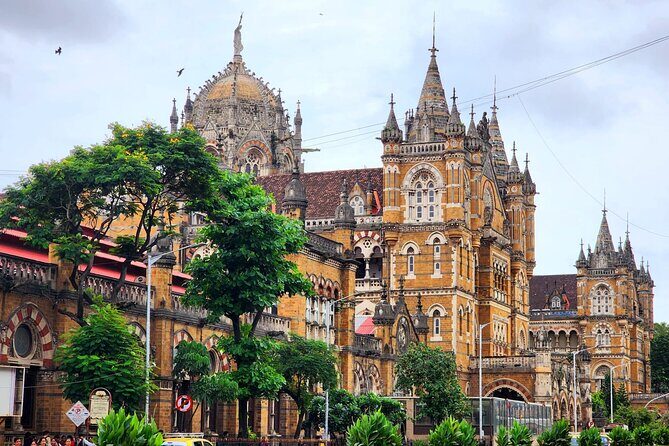
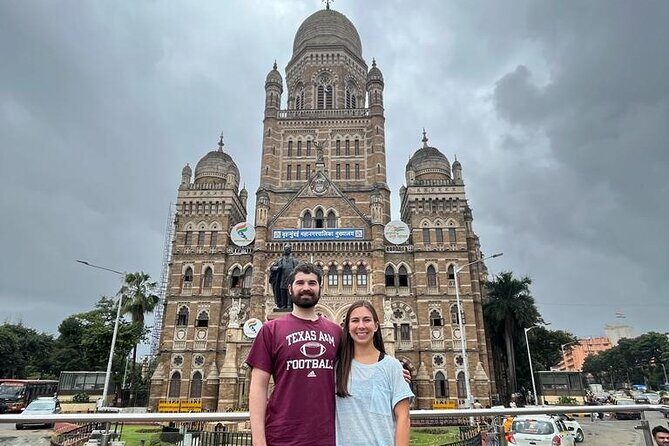
You start at Chhatrapati Shivaji Maharaj Terminus (CSMT)—a historic station that used to be called Victoria Terminus. It’s one of those places where architecture and everyday movement are welded together. Your guide’s job here is to help you read what you’re looking at, not just point at the building.
Plan for about 30 minutes at the station area. This isn’t a deep museum stop. It’s a “get your bearings fast” kind of visit. If you like train culture, you’ll probably enjoy the contrast between grand design and the constant flow of people.
A small consideration: CSMT is active. So expect crowds and keep your phone handy for quick photos, but don’t plan on lingering for long shots in perfect quiet.
Gateway of India and Dhobi Ghat: Two Very Different Mumbai Moods
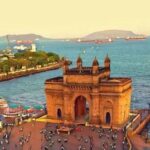
Next comes the Gateway of India, built in 1911. It’s an iconic archway that acts like a headline for the city’s colonial-era architecture. You’ll get enough time—about 30 minutes—to take photos, absorb the scale, and hear what the monument means in context.
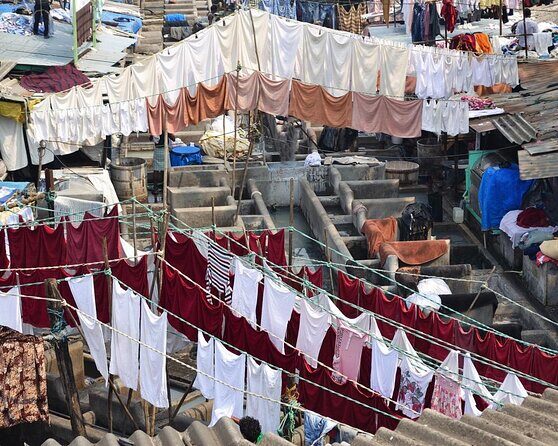
Then the tour shifts to Dhobi Ghat, about 20 minutes. This is one of those Mumbai places that makes you stop thinking of sights as “things to see” and start seeing them as systems people rely on. Dhobi Ghat is known as a laundry area, and your guide helps explain it as part of the city’s working life.
A practical tip: wear clothes and shoes that handle uneven sidewalks. You’ll be walking in busy, real streets, not a staged pedestrian zone. Also, be ready for strong smells and sound—this area is all about function, not comfort.
Oval Maidan, High Court, and the University Fort Campus: Rules, Sports, and Power
After Dhobi Ghat, you move toward Oval Maidan for about 25 minutes. This is the cricket ground area where the sport’s historic presence in Mumbai feels tangible. Your guide can connect the English-era sporting roots to what cricket became in India—one of those links that makes the city’s culture snap into focus.
From there, the plan includes the High Court of Mumbai and the University of Mumbai Fort Campus. These stops lean into architecture and institutions—majestic civic buildings and colonial-era campus atmosphere. You may not spend a lot of time inside (the day is timed to keep you moving), but you’ll get clear explanations of why these structures matter.
What I like about folding these in is that it gives you more than beauty. You learn how Mumbai organizes authority—through law and education—and how that shows up in stone and street placement.
If you’re photographing, watch for changing lighting. The sky around South Mumbai can flip fast, and you’ll want to keep camera time aligned with walking time.





Marine Drive and Malabar Hill: Sea Views and Serious People-Watching
Then comes Marine Drive, around 15 minutes. People call it the Queen’s Necklace for good reason: the long curve of the promenade along the Arabian Sea looks dramatic from the right angles, especially when lights come alive. Even if you only have a short stop, your guide can point out what to look for and how to read the coastline feel.
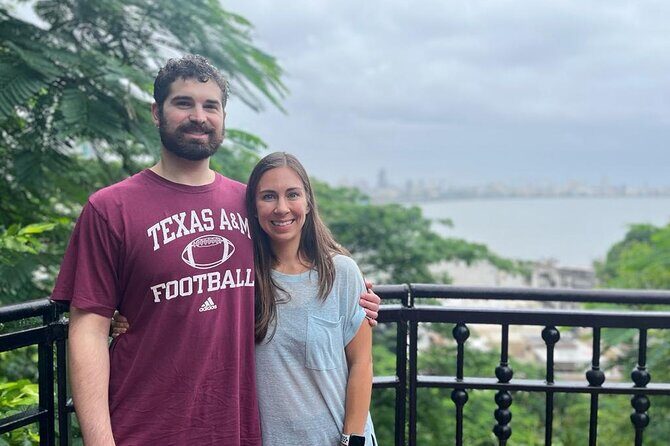
After that, you’ll head toward Malabar Hill, also with time for Jain Temple Hill and views over the area. Malabar Hill is known as an upscale neighborhood on the hill, and the surrounding stop pattern gives you a break from street-level noise into a more open, lookout kind of moment. The tour also includes time at Hanging Gardens later, so this part acts like a scenic thread through the day.
A consideration: views depend on weather. If visibility is low, you’ll still get the viewpoint, but the photo payoff may shrink. Keep expectations flexible and enjoy the city feel instead of hunting one perfect shot.
Crawford Market, Kamala Nehru Park, and the Boot House: Color, Commerce, and Quirky Architecture
For shopping and people-watching, you’ll go to Crawford Market for about 20 minutes. It’s a historic market space known for Victorian architecture and for selling everyday goods. This is the kind of stop that turns the city into a living place. You’ll see fruit, textiles, and the rhythm of commerce.
Then it’s to Kamala Nehru Park for about 15 minutes, including the Boot House—a famous building shaped like a giant boot. This is one of those quirky Mumbai landmarks that feels almost too odd to be real, and yet it’s right there in front of you.
What I like: you get variety. Markets give you Mumbai’s daily economy. The Boot House gives you an eye-catch that breaks up the heavier history stops.
If you’re a cautious photographer, you might want to keep your camera down until your guide clears where it’s appropriate to shoot. Markets are busy and personal—people notice cameras.
Hanging Gardens and the Gandhi Connection at Mani Bhavan
Next is Hanging Gardens for about 15 minutes. It’s the kind of green, raised place that offers a pause in the day. You get a calmer walk and city views, and it helps you reset after the market energy.
After that, you end this sightseeing wave with Mani Bhavan Gandhi Museum for about 20 minutes. This stop connects the day to Mahatma Gandhi: Mani Bhavan was associated with his life and work and is known as his former residence. The tour includes admission here, so you don’t have to worry about entry fees or timing headaches.
I find this museum stop works well after you’ve already seen political buildings and institutions earlier. The day becomes more than a list of landmarks—it turns into a story about how ideas moved through Mumbai and into India’s wider struggle.
Dharavi in One Clear Block: What Your Two Hours Are For
The day’s biggest emotional pivot is Dharavi, with about 2 hours on the schedule. This is the central slum visit, and the tour frames it as a living community shaped by work, creativity, and resilience.
Here’s what you should take away from a well-run Dharavi visit: it’s not entertainment, and it’s not a simple “look and leave” scenario. A good local guide helps you understand context, ask the right questions, and behave respectfully. Many guides for this tour include people who grew up in Dharavi, like Subhan, which tends to change the whole tone of the conversation. When your guide has that personal connection, the explanations stop being generic.
How to make your visit better:
- Go in with respect. Treat people like people, not scenery.
- Ask questions through your guide. If you don’t understand something, that’s the whole point.
- Keep your time realistic. Two hours is substantial, but it’s still limited. You’ll see a slice, not the whole map.
What I like about placing Dharavi toward the end of the day: by then you’ve already seen Mumbai’s major institutions and sea-facing icons. It helps you compare how the city’s different layers fit together.
Also, after a long sightseeing run, it’s easy to get mentally tired. If you feel that happening, slow down and let your guide set the pace.
Transportation, Pacing, and How It Feels in Real Time
This is designed as a private tour for your group only. That matters because you’re not stuck with a bunch of strangers who all want different lengths at different stops. In reviews, guides like Jawwad and Javed are repeatedly praised for patience and for answering questions clearly, and that’s exactly what a private format enables: real time back-and-forth.
You’ll also be in an air-conditioned car between zones, which is huge in Mumbai. The total duration is listed as 5 to 7 hours (including transportation time), so the timing is compact rather than slow. Think of it as “maximum meaning per hour” instead of leisurely sightseeing.
A note on comfort: you’ll be walking short segments between stops, often in crowded areas. Wear comfortable shoes and plan to carry water if you need it (the tour doesn’t list water as included). If you’re sensitive to crowds, consider taking breaks during transition points when your guide offers them.
The Guides Matter: Jawwad, Preti, Subhan, Javed, and the Rest
This tour’s reputation leans hard on guide quality. Names that show up in feedback include Jawwad, Preti, Javed, Subhan, Sharon, and Jay, along with drivers such as Saedam, Dipak, Saddam, and Pravan.
Across those reports, the themes are consistent: clear English, friendliness, patience, and a willingness to adjust to your questions and pace. One guide pairing that stands out in feedback is Jawwad (guide) + Saedam (driver)—the driver is often noted as part of what made the ride easy. Another strong theme: guides who make Dharavi explanations feel grounded rather than scripted.
Why this matters for you: when you’re packing a lot into one day, the guide becomes the difference between “I saw places” and “I understood why they matter.” Here, the guide role is doing real work.
Who Should Book This Tour (and Who Might Want Something Else)
This tour fits best if you:
- Want a one-day highlight plan that covers both icons and real neighborhoods
- Prefer a private format where you can ask questions and change stop lengths
- Care about having context, not just photos
- Are short on time and don’t want to plan routes across South Mumbai and Dharavi
You might consider a different style of tour if you:
- Want lots of free time at each stop
- Hate structured days where you’re moving often
- Don’t handle crowds well (Mumbai is busy, even on the “scheduled” stops)
Should You Book This Mumbai Full-Day Sightseeing & Dharavi Tour?
If you’re weighing whether to do a full-day plan or scatter sights across multiple trips, I’d lean toward booking this one if you want fewer logistics headaches and more meaning per hour. At $35.23, you’re paying for transportation, guide time, and a smart mix of stops that many first-time visitors struggle to organize on their own.
The decision hinge is your comfort with a packed schedule and your interest in a respectful, guided Dharavi visit. If you show up curious and open-minded, this tour gives you a structured way to see Mumbai’s big landmarks and its on-the-ground reality—without spending your day lost.
FAQ
How long is the Mumbai full-day sightseeing and Dharavi tour?
The duration is listed as about 5 to 7 hours, and that total includes transportation time.
Is pickup included?
Pickup is offered. The tour starts at PizzaExpress Dhanraj Mahal in Colaba and ends back at the meeting point.
Is this a private tour?
Yes. It’s described as a private tour/activity, so only your group participates.
What are some of the main stops?
The day includes Chhatrapati Shivaji Maharaj Terminus, Gateway of India, Dhobi Ghat, Oval Maidan, Marine Drive, Malabar Hill and Jain Temple Hill, Crawford Market, Kamala Nehru Park (Boot House), Hanging Gardens, Mani Bhavan Gandhi Museum, and Dharavi.
Are there admission fees for the stops?
Most stops list admission/entry as free, and Mani Bhavan Gandhi Museum is listed as admission included.
Is dinner included?
No. Dinner is not included, and alcoholic beverages are not included either.
What is the Dharavi portion like in terms of time?
Dharavi is scheduled for about 2 hours.
Is free cancellation available?
Yes. Free cancellation is available up to 24 hours in advance for a full refund.
Can most people participate, and are service animals allowed?
The information says most travelers can participate, and service animals are allowed.