REVIEW · MUMBAI
Life In Dharavi: A Guided Tour Of Dharavi Slum
Book on Viator →Operated by Young Tours And Travel · Bookable on Viator
Dharavi comes into focus fast. A guided visit with locals gives you a real-world look at life in Asia’s largest slum, right in Mumbai’s prime land, and it’s led in English by people from the community, including guides like Bharti and Divya. I love how the tour is built around daily life and development ideas from residents, not just a slideshow, and I love the convenience of private hotel pickup in an air-conditioned vehicle. The main thing to watch is lunch isn’t included, so plan a bite before or after.
This is also one of those tours where the details matter. You’ll get bottled water so you can travel light, and the private setup means you can ask practical questions without feeling rushed. At about 4 hours, it’s not a full “everything Dharavi” experience, but it is long enough to understand how people make a living here.
If you’re expecting a theme park version of Mumbai, you’ll be disappointed. If you want a thoughtful, human-scale look at a place that’s both complicated and resourceful, this can be deeply worthwhile.
In This Review
- Key things to know before you go
- Why Dharavi looks different with a local English guide
- Getting there smoothly: hotel pickup and air-conditioned comfort
- The 4-hour Dharavi visit: what the experience covers
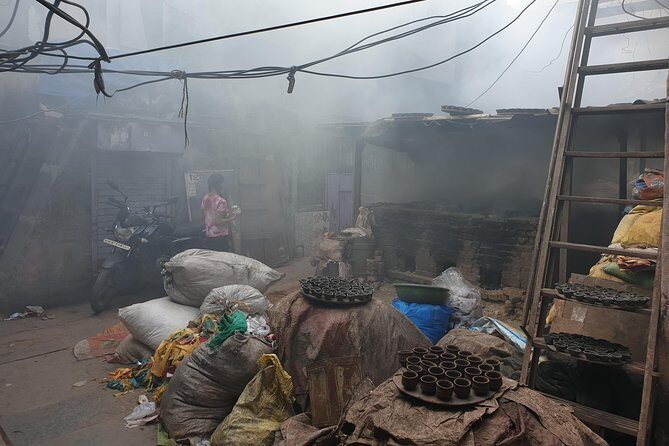
- Seeing work up close: recycling, soap, pottery, and industry
- Price and value: is $54 for 4 hours fair?
- Practical tips so the experience stays comfortable
- Who should book this Dharavi slum guided tour?
- Should you book? My honest take
- FAQ
- How long is the Dharavi slum guided tour?
- Is hotel pickup included?
- Is bottled water provided?
- Is lunch included in the price?
- Is this tour private?
- Can I get a full refund if I cancel?
Key things to know before you go
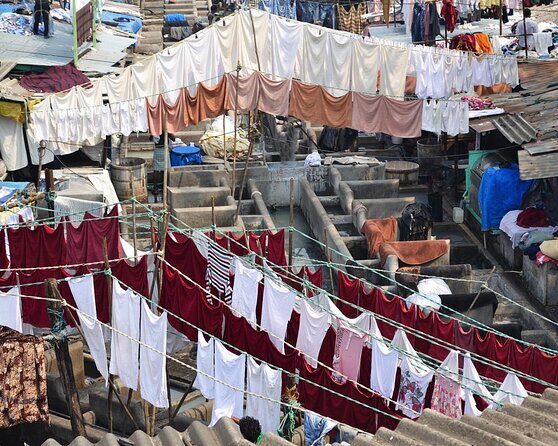
- Local English-speaking guides who can explain daily life and development plans in plain terms
- Private hotel transport in an air-conditioned vehicle, so you’re not fighting Mumbai logistics
- Bottled water provided to keep you comfortable and pack lighter
- Hands-on views of work like plastic recycling, soap-making, and pottery production
- Short and personal timing (about 4 hours) with a guide focused on your group
Why Dharavi looks different with a local English guide
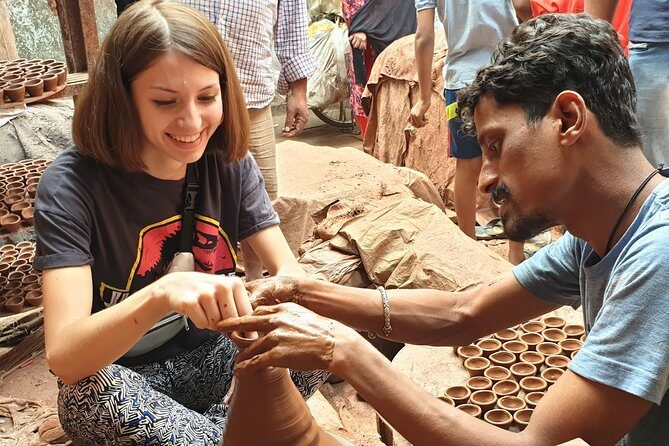
Dharavi is famous from Slumdog Millionaire, but the real story is people—how they live, work, and plan for the future while the city grows around them. The tour setting is Asia’s largest slum area, home to more than a million people, and it’s right in the middle of Mumbai, close to the city’s key transit lines. That location is part of what keeps Dharavi economically “useful” to the city: it offers cheaper housing in a place where rent is extremely high.
What makes this tour click is who’s holding the conversation. You’re not just walking through narrow lanes with generic commentary. You’re learning from residents who understand the rhythms of the place—often second-generation families whose parents moved in years ago and who now raise children who see the community every day. When guides like Bharti (a long-time resident) or Divya (a well-known local pioneer) lead, the information lands with context instead of performance.
The tone of the visit matters. Expect conversation around daily life and also plans for development. You should come in ready to listen more than to “collect facts.” If you keep your questions respectful and practical—about work, constraints, and change—you’ll get much more out of the time.
You can also read our reviews of more guided tours in Mumbai


Getting there smoothly: hotel pickup and air-conditioned comfort
Mumbai can wear you out fast. So I really appreciate that this tour includes private transportation from your hotel. You’re not trying to time trains, dodge traffic, or find the right meeting point while you’re still waking up.
The ride is in an air-conditioned vehicle, and bottled water is provided. That sounds small, but in a place where you may be walking and standing for stretches, it helps you stay focused on the experience instead of feeling overheated and distracted.
Also, the tour is positioned as near public transportation. That’s handy if you’re juggling other plans in Mumbai, though the big win here is still the included pickup and private transport. It’s simply less hassle.
One more value point: the tour is private for your group. That means fewer interruptions from strangers, and you can move at a pace that fits your questions and comfort level.
The 4-hour Dharavi visit: what the experience covers
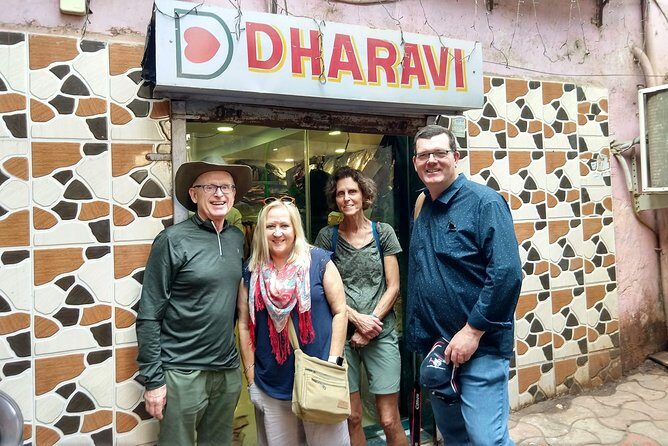
The itinerary is simple: one main stop, Dharavi, and the visit runs about 4 hours (approx.). That’s not accidental. When the program is mostly one area, you get time to connect the dots instead of bouncing around.
Here’s what you can expect during your time in Dharavi:
- A guided walk through the area with context on why people live here
- Explanations of how daily work fits into the community
- A look at small-scale industries and production
- Discussion of development plans, guided by people who live the life firsthand
Dharavi’s location is part of the story. It sits between Mumbai’s two main suburban rail lines, so commuting for work can be more convenient for residents than in far-flung areas. The tour also frames the economics: many families choose Dharavi because it offers a cheaper housing option in a city where housing costs are among the highest in the world.
You’ll also hear about how wages can be very low—daily wages may be as low as 185 rupees (about $4). That doesn’t make the tour “about poverty” in a depressing way. It makes it about how people build livelihoods in a tight system, using nearby access and local work opportunities.
The guided portion is designed to be personal—private transportation, private tour, and an English-speaking guide—so you’re not stuck with canned answers. If you want clarity rather than drama, this format helps.
Seeing work up close: recycling, soap, pottery, and industry
One of the most highly praised parts of this tour is the way it introduces you to the kinds of work happening inside Dharavi. Instead of treating Dharavi as a backdrop, the visit shows it as a functioning production zone—where small businesses and workshops make goods and handle processes that feed into larger supply chains.
In the experience, you may see examples such as:
- Plastic recycling
- Soap-making
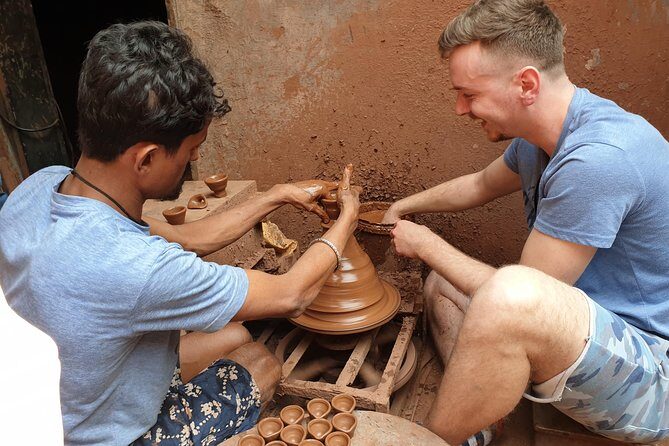
- Pottery production
Those are not random facts. They’re useful windows into how labor, skills, and materials connect. You start to understand why “Dharavi” isn’t just one story. It’s lots of micro-economies working side-by-side—often run by people who have been doing these tasks for years, sometimes through family lines.
This is also where the “learn from the people who live there” promise becomes real. Local guides can explain what production looks like on a normal day, what pressures exist, and what hope looks like when you talk about development.
If you’re the kind of traveler who likes practical knowledge—how things are made, what jobs exist, how people manage constraints—this segment is likely to feel like the highlight.
Price and value: is $54 for 4 hours fair?
Let’s talk money, because $54 can sound either high or reasonable depending on what you compare it to.
For this tour, you’re paying for a few core things:
- Private hotel pickup and transport
- A private, English-speaking guide
- Bottled water
- Time in the Dharavi area with an approach focused on residents and daily life
In Mumbai, transport and local guiding alone can add up quickly, especially if you’re trying to do a similar visit without an organized plan. What I think makes this feel like decent value is the private setup. You’re not splitting a guide’s time with a large crowd, and you’re not spending your day wrestling with the city to get there.
Also, many of the best moments of this tour come from human explanations—things guides like Bharti or Divya can explain because they belong to the community. That’s hard to replicate with a generic “checklist” style tour.
One caution: it’s still a short visit at about 4 hours. If you want hours and hours of walking, deep dives into every industry, and a full day’s worth of context, this may feel brief. But for a first look that’s respectful and meaningful, the length is part of the value.



Practical tips so the experience stays comfortable
This isn’t a “pack like a beach day” tour. It’s a guided visit that involves time on the move. Here’s how I’d plan to keep it easy:
- Wear comfortable shoes you can walk in for a few hours
- Bring light layers if you get cold in the vehicle, then hot outside
- Expect the tour to run about 4 hours, so plan food around it
- Since lunch isn’t included, you’ll want a snack or a proper meal before you go, depending on your schedule
Bottled water is provided, which helps a lot. Beyond that, pack what you normally need for a city walking day.
There’s also a personal-attention angle to remember: because it’s private, you can ask more specific questions. That only works well if you come with a few curiosity points. Think about what you want to understand—work opportunities, how daily life fits together, or what development plans are aiming to change.
One more detail: service animals are allowed, and the tour is near public transportation. So if you have specific needs, it’s worth checking with the operator directly to make sure the day-of plan works for you.
Who should book this Dharavi slum guided tour?
This is a strong choice if you:
- Want a private, locally guided visit rather than a crowd tour
- Prefer explanations grounded in people’s lived experience
- Like seeing how communities function, including the industries that keep the place working
It may not be the best fit if you:
- Want a purely historical or museum-style experience
- Need a high-comfort, low-walking format
- Are looking for something that feels “light and casual,” because this is a real community with real challenges
If your travel style is curious, respectful, and question-driven, this tour can be a great match.
Should you book? My honest take
Book this Dharavi slum guided tour if you want a practical first look at life and work in Dharavi with a guide who can explain what you’re seeing in human terms. The combination of private hotel pickup, an English-speaking local guide, and a focus on daily industry—like recycling, soap-making, and pottery—adds up to more than a quick photo stop.
Skip it only if you’re not comfortable with the idea of touring a working, residential neighborhood that’s also shaped by huge economic and social pressures. For the right mindset, this is one of those tours that sticks because it teaches you how people make things work.
FAQ
How long is the Dharavi slum guided tour?
The tour runs about 4 hours (approx.).
Is hotel pickup included?
Yes. Private transportation from your hotel is included, and you’ll travel in an air-conditioned vehicle.
Is bottled water provided?
Yes. Bottled water is provided so you can pack light.
Is lunch included in the price?
No. Lunch is not included, so plan food around the tour time.
Is this tour private?
Yes. It’s a private tour/activity, meaning only your group participates.
Can I get a full refund if I cancel?
Yes. Free cancellation is available, and you can cancel up to 24 hours in advance for a full refund.