REVIEW · JAIPUR
Jaipur Heritage Walking Tour – Local life, Havelis and Temples
Book on Viator →Operated by Bagheera Adventure · Bookable on Viator
Three hours in Jaipur, on your feet. This Jaipur Heritage Walking Tour is built for real street-level Jaipur: Hawa Mahal, old-city lanes, the wholesale Pink City market, and a live Govind Devji Temple ceremony stop. What I like most is the way guides like Viru bring the city to life without rushing you, and the chance to sample street-food snacks from reliable vendors along the route.
One thing to plan for: the Hawa Mahal stop is brief and the Hawa Mahal admission is not included, so you’re mainly seeing the famous facade and royal design rather than going inside.
In This Review
- Key highlights you’ll actually feel
- Why this Jaipur heritage walk feels different
- Meeting at Hawa Mahal Road: start where the story begins
- Hawa Mahal exterior: the 1799 viewing idea in plain sight
- City Palace and old havelis: narrow lanes and courtyard details
- The Pink City flower-and-vegetable market: wholesale energy
- Govind Devji Temple Aarti: a brief ceremony you should respect
- Tripolia Bazar: craft demos you can connect to real life
- Food, water, and coffee: included comfort that keeps the walk fun
- Price and value: what $16 really buys in the Pink City
- Practical tips so the 3 hours feel easy
- Who should book this Jaipur Heritage Walking Tour?
- Should you book this one?
- FAQ
- How long is the Jaipur Heritage Walking Tour?
- What’s included in the price?
- Are admission tickets included for Hawa Mahal?
- Is transportation included?
- Where does the tour start?
- What happens if the weather is bad?
Key highlights you’ll actually feel

- Small-group pacing with a real guide (Viru is a fan favorite), including an easy-going style that works well with kids
- Pink City markets up close, including the wholesale flower-and-vegetable market vibe
- A temple ceremony moment at Govind Devji, with guidance to catch the morning Aarti if possible
- Craft demonstrations in Tripolia Bazar (lac bangles, marble, brass work) so you can connect what you see to what you touch
- Included snacks, bottled water, and coffee/tea, which matters on a 3-hour walk in warm weather
Why this Jaipur heritage walk feels different
Jaipur can be overwhelming fast—big sights, crowded streets, and a lot of opinions floating around. This tour keeps it simple: a focused loop through the Pink City with a local guide, timed to get you moving without feeling herded.
I especially like that the experience mixes postcard Jaipur (Hawa Mahal exterior) with the “how the city actually works” parts—markets where goods move in volume, craft lanes where making is still a job, and temple rituals you can watch respectfully from the outside of the action.
It also doesn’t pretend you’ll see everything. In about three hours, you get enough context to understand the city’s shape: royal power, everyday commerce, and devotional life all in one walk.
You can also read our reviews of more walking tours in Jaipur


Meeting at Hawa Mahal Road: start where the story begins
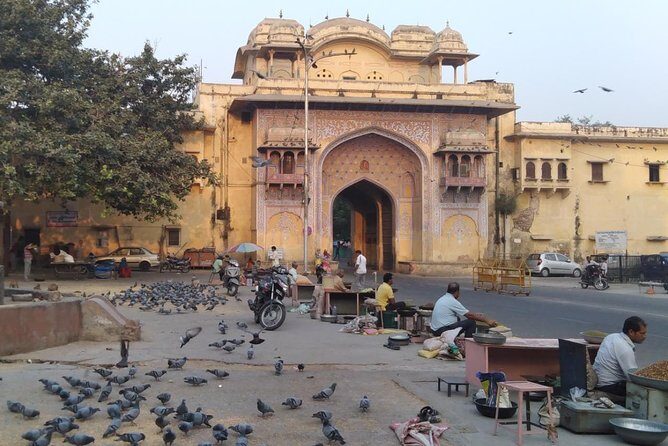
The walk starts at Hawa Mahal Road (near the J.D.A. Market area in the Pink City). The big practical win here is that you’re already in the right neighborhood for walking, so you don’t burn time fighting traffic or arranging complicated transit.
You should expect a pace that stays workable for most people, since the tour is designed as a walking experience rather than a long hike. And because it’s a private activity for your group, the guide can adjust speed and focus to your questions—something you’ll appreciate if you’re traveling with family.
Also, you get a mobile ticket, which reduces hassle when you’re on the move.
Hawa Mahal exterior: the 1799 viewing idea in plain sight
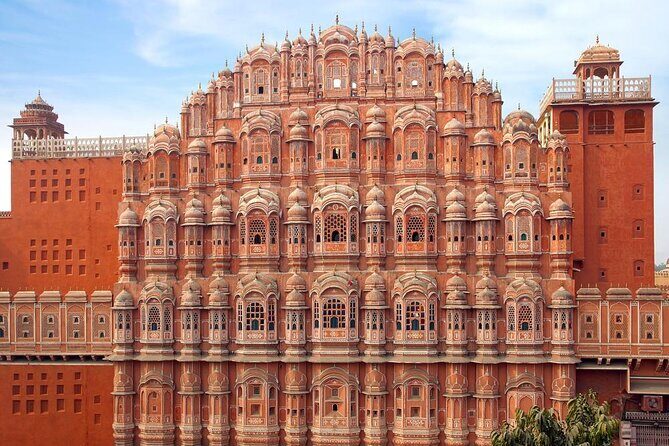
Most first-timers know Hawa Mahal by name, but they often don’t know the point of the building. Here, you get the context: it was built in 1799 by King Sawai Pratap Singh so the women of the royal court could watch processions and market life from a protected space.
You’ll spend about 10 minutes at this stop. Admission isn’t included, so don’t plan on using this time as a full entry visit. Instead, look at it like a design problem the king solved: a palace “viewing screen” made from many small windows.
Practical note: with such a short stop, arrive with quick priorities. If you want photos, do them early before the group moves on. If you want the meaning, ask your guide to explain what you’re looking at while you’re still standing there.
City Palace and old havelis: narrow lanes and courtyard details
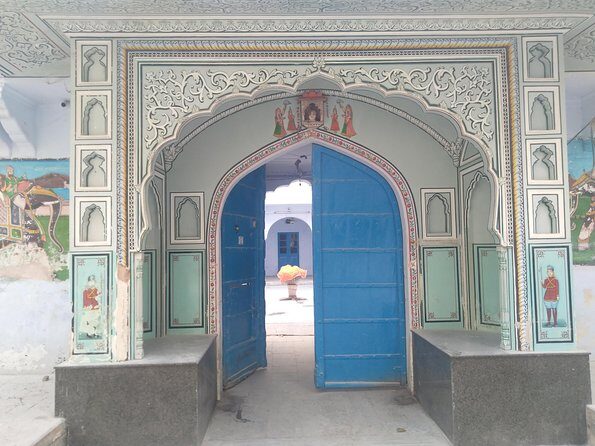
After Hawa Mahal, you shift from royalty-as-spectacle to royalty-as-home. The City Palace area is where the walk turns into architecture spotting: traditional havelis, frescoes, and courtyards tucked behind narrow lanes.
This portion is also around 10 minutes, with a free-entry experience. The value isn’t in “checking a box.” It’s in the chance to understand how Jaipur’s old elite spaces connect to street life: thick walls, inner open spaces, and decorative surfaces that signal status without being loud about it.
If you’re the type who notices details—carved elements, color choices, or how a courtyard catches light—you’ll get a lot out of this quick stop.
The downside is timing. Ten minutes is short, so if you want extra time for photos or close inspection, tell your guide early. In many cases, guides on this route can adjust slightly within the flow.
The Pink City flower-and-vegetable market: wholesale energy
Then comes one of the most useful stops for understanding the city’s daily rhythm: the Pink City wholesale market for flowers and vegetables. It’s described as the only wholesale market of this type in Jaipur, and you can feel what that means immediately—this isn’t a casual browse market. It’s a supply chain in human scale.
You get about 30 minutes here. This is long enough to watch how vendors arrange goods, how the movement happens, and how quickly things get traded. It’s also long enough to buy snacks later without feeling like you skipped lunch, because the guide can keep you oriented while you’re surrounded by activity.
What to watch for:
- Colors and arrangement—flowers tend to be displayed to sell fast
- How produce is packed for movement
- The speed of transactions and the way customers approach stalls
If you don’t like crowds, bring a mindset shift. This isn’t sightseeing-from-a-bench. It’s observing a working place for a short period.
You can also read our reviews of more historical tours in Jaipur






Govind Devji Temple Aarti: a brief ceremony you should respect
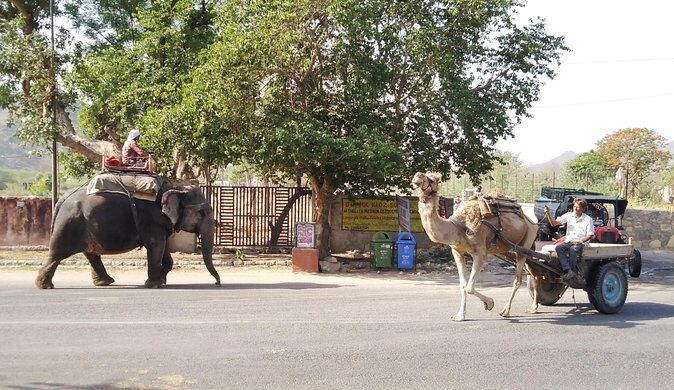
Next is the spiritual anchor: Govind Devji Temple. You’ll see one of the 7 ceremonies (Aarti) as part of the walking tour program, with a special note from the guide to try to assist the morning ceremony if your schedule allows.
You’ll spend about 15 minutes here. That’s enough time to see the ritual and understand the basic flow—without turning it into a checklist. The temple itself is described as an ancient Hindu site with an 18th-century presence, and it’s dedicated to the deity of Govind Devji.
Aarti is more than performance. It’s part of a daily rhythm, so keep your behavior calm and respectful. That means quiet voices, no blocking people who are participating, and following your guide’s cues on where to stand and when to move.
A practical consideration: ceremonies can feel emotionally intense in a good way, but they can also be crowded. If you have mobility limits or you get overwhelmed in tight spaces, tell your guide at the start so you can choose your viewing spot wisely.
Tripolia Bazar: craft demos you can connect to real life
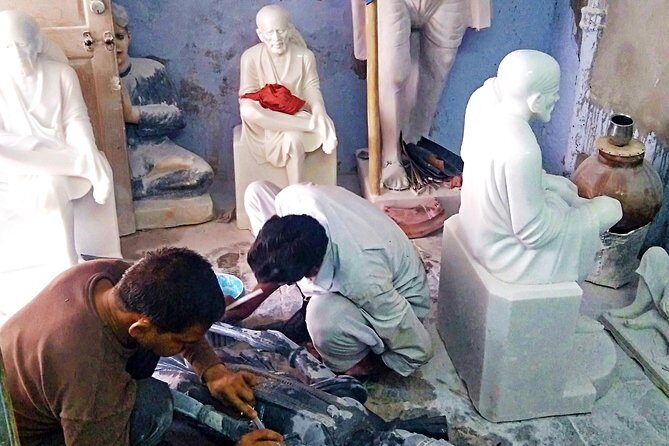
The final stretch turns the volume down on general sightseeing and up on making things—real artisan work. Tripolia Bazar includes live demonstrations of traditional crafts like:
- lac bangle making
- marble carving
- brass utensil crafting
This part takes about 1 hour 30 minutes, which is a generous chunk of time. The value here is that you’re not only seeing finished products. You’re watching processes and skills. Even if you don’t buy anything, it helps you understand what determines quality—finer details in carving, steadiness in shaping metal, and the craft steps behind decorations.
If you’re hoping to shop, this is where you’ll get your best chance. But go slower than your first instinct. Crafts can look similar at a glance. Watch how the makers work, then decide what you actually want to bring home.
There’s also a good chance you’ll pass working corners connected to everyday professions while moving through old-city lanes—shops and stalls that reflect how people actually earn money here.
Food, water, and coffee: included comfort that keeps the walk fun
A walk only feels good if you’re not thinking about thirst. This tour includes bottled water plus snacks, along with coffee and/or tea. That’s a solid value-add on a route that mixes markets and temple time.
You’ll also try local street-food snacks from reliable vendors. That matters more than people realize. In food markets, it’s easy to end up with questionable choices if you’re going solo. With a guide and a planned stop, you get the fun without the heavy guesswork.
My advice: treat snacks as part of the experience, not as a meal replacement plan. Bring your own small expectations. You might try multiple bites, not a full plate dinner.
And if you’re sensitive to spice or new textures, you can tell your guide what you’d prefer. With a small-group setup, it’s easier to adjust.
Price and value: what $16 really buys in the Pink City
At $16 per person, this is priced like a budget-friendly city walk—but it’s not just “cheap sightseeing.” You’re paying for:
- a local guide (who can explain what you’re seeing)
- a small-group format with personal attention
- included snacks, water, and coffee/tea
- a route that strings together meaningful stops: royal design, old-city living spaces, market supply, temple ritual, and craft process
The one cost you should anticipate: Hawa Mahal admission isn’t included. Even if you don’t plan to go inside, the facade is still worth the quick stop. Just don’t assume your ticket cost covers everything.
Also, since it’s about three hours, it fits well with a packed itinerary. You can stack it before or after other sights without losing half a day.
Practical tips so the 3 hours feel easy
A short walk can still feel long if you’re unprepared. Here’s what makes it smoother:
- Wear comfortable shoes. You’ll be on foot through narrow lanes and market areas.
- Use sun protection. Weather matters, and this experience requires good conditions. If it’s too hot or bad weather hits, plans change.
- Bring a small camera habit. You’ll want photos at Hawa Mahal and market areas, but keep it quick so you don’t slow the group.
- Ask questions early. Guides like Viru tend to do best when you set expectations up front—history, shopping tips, or child-friendly pacing.
- If you want the best ceremony moment, go for the morning Aarti. The tour specifically advises that option.
Since it’s a private activity for your group, you can also set a comfort level. If you’re traveling with kids, tell your guide you want a slower, more interactive pace.
Who should book this Jaipur Heritage Walking Tour?
This tour is a great fit if you want Jaipur without the heavy logistics. Specifically, it works well for:
- first-timers who want a grounded introduction to the Pink City
- travelers who like walking tours but want a clear, structured route
- food lovers who want street snacks with more confidence than solo wandering
- anyone interested in how crafts are made, not just how they look in a shop
If you’re the type who only wants museum-style places and long admission visits, you might feel the stops are short. It’s designed for observation, not deep-ticket sightseeing.
It also suits families. The guide’s style is described as adaptable—able to slow down and keep an 8-year-old engaged—so this can be a smart “starter tour” when kids get restless.
Should you book this one?
Yes, if you want the Pink City to make sense quickly. You’re getting a compact route with variety: royal architecture, temple ceremony, wholesale market life, and craft demonstrations. At $16, the included snacks and drinks help the value feel real.
I’d skip or at least adjust expectations if you want a long, in-depth visit of Hawa Mahal itself. This tour is more about the exterior and the story behind it, plus the wider city context around it.
FAQ
How long is the Jaipur Heritage Walking Tour?
The tour runs for about 3 hours.
What’s included in the price?
Snacks, bottled water, and coffee and/or tea are included.
Are admission tickets included for Hawa Mahal?
No. The Hawa Mahal stop lists an admission ticket as not included.
Is transportation included?
No. Private transportation is not included.
Where does the tour start?
It starts at Hawa Mahal Road (Hawa Mahal Rd, Badi Choupad, J.D.A. Market, Pink City, Jaipur, Rajasthan 302002, India).
What happens if the weather is bad?
The experience requires good weather. If it’s canceled due to poor weather, you’ll be offered a different date or a full refund.