REVIEW · JAIPUR
Jaipur Heritage and Old Market Shopping Tour
Book on Viator →Operated by Unique Jaipur Tour · Bookable on Viator
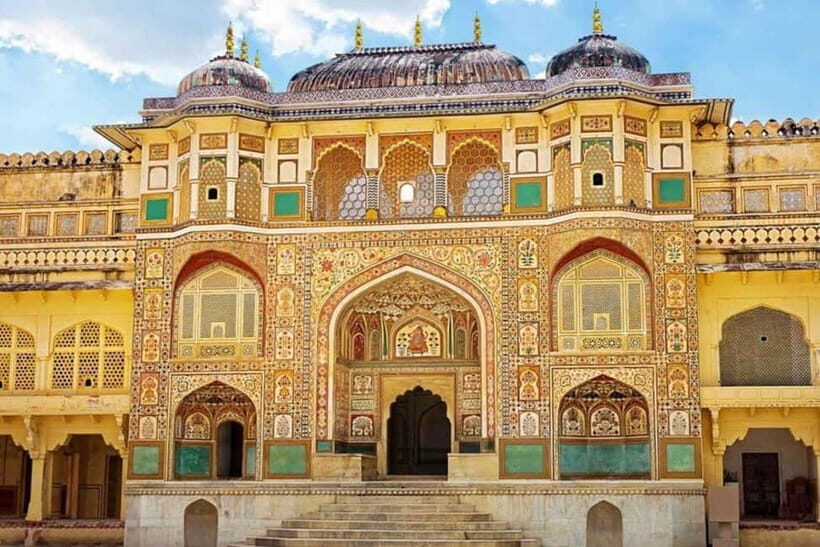
Jaipur can feel like sensory overload. This 5-hour tour turns that chaos into a clean route through the Pink City’s heritage stops and the old bazaars where people actually buy. I especially like the practical pace (lots of sights, not museum marathon) and the short, hands-on craft demos that explain what you’re shopping for. One thing to consider: it’s a stop-everywhere schedule, so you may not get to linger long if a shop really catches your eye.
You’ll ride in a private vehicle with a friendly local guide and get pickup and drop-off from your hotel, plus bottled water. The markets are the main event, while monuments are mostly viewed from the outside—though some entries are marked as free and a couple are not included—so it’s smart to have a little flexibility.
In This Review
- Key highlights I’d mark on your map
- Price and Logistics: What You Really Get for $16
- Your 5-Hour Route: How the Timing Works
- Chandpole Bazaar: Where Jaipur Shopping Starts
- Khanjane Walon ka Rasta: Marble Sculptures and Decor
- Maniharo Ka Rasta: Bangles and Silver Ornaments
- Isarlat (Tower): A Victory Memorial With City Views
- Tripolia Bazar: Mausoleum-Style Royal Architecture
- Albert Hall Museum: Indo-Saracenic Beauty (Outside Viewing Included)
- Johari Bazaar: Color, Prints, and Jewelry Choices
- Hawa Mahal: 953 Windows and Street-Level Theater
- Jaipur Blue Pottery Art Centre: How the Blue Looks Is the Story
- Satguru’s the Textile World: Women’s Carpet Craft and Hand Block Printing
- The Shopping Part: Bargains, But With Guardrails
- About the Guide Experience: Rauf’s Style Matters
- Who This Tour Is Best For
- Should You Book This Jaipur Heritage and Old Market Shopping Tour?
- FAQ
- How long is the Jaipur Heritage and Old Market Shopping Tour?
- Is hotel pickup and drop-off included?
- What is included in the tour price?
- Are admission tickets included for all attractions?
- Which markets and streets do you visit?
- Do you get craft demos during the tour?
- Is food provided during the tour?
- Is this a private tour or shared group?
- What’s the cancellation policy?
Key highlights I’d mark on your map

- Chandpole Bazaar + Johari Bazaar for classic Rajasthani shopping in one day
- Khanjane Walon ka Rasta for marble decor and sculpture-style pieces
- Maniharo Ka Rasta for traditional bangles and silver ornaments
- Hawa Mahal and photo-friendly viewpoints with time to take it all in
- Jaipur Blue Pottery Art Centre with a short demo on the iconic blue patterns
- Satguru’s the Textile World for women-led textile craft and hand block printing
Price and Logistics: What You Really Get for $16
At $16, the big value isn’t some fancy museum entry spree. It’s the combination of private transport, hotel pickup/drop-off, and a local guide who knows where to take you without wasting time.
Here’s what matters for your day:
- You’re in a private vehicle with a local expert driver/guide, which is huge in Jaipur traffic.
- You get bottled water and a route that strings together markets and heritage stops efficiently.
- Many monuments are viewed from the outside, which keeps the tour moving and gives you more time to shop and watch crafts being made.
The tradeoff is that you shouldn’t budget for a slow, leisurely day. You’re getting a high-volume sampler: useful if you want an overview and a focused shopping hit, less ideal if you want to spend hours inside museums or one temple.
Also, food and personal shopping are not included. So even though the tour cost is low, your souvenir spending will be real. (Good news: you’ll be shopping with context, thanks to the craft demos.)
You can also read our reviews of more historical tours in Jaipur

Your 5-Hour Route: How the Timing Works
The tour is built around short stops—many are about 30 minutes each. That’s intentional. Jaipur’s old city streets can be tight and busy, and the route is trying to balance three things:
- Heritage landmarks you can recognize fast (and photograph)
- Old bazaars where crafts and materials are the point
- Brief craft demonstrations that tell you what you’re looking at
If you hate rushing, this setup can feel like a whirlwind. But if you want momentum and you like the idea of seeing a lot of different parts of Jaipur in one go, this format works well.
Chandpole Bazaar: Where Jaipur Shopping Starts
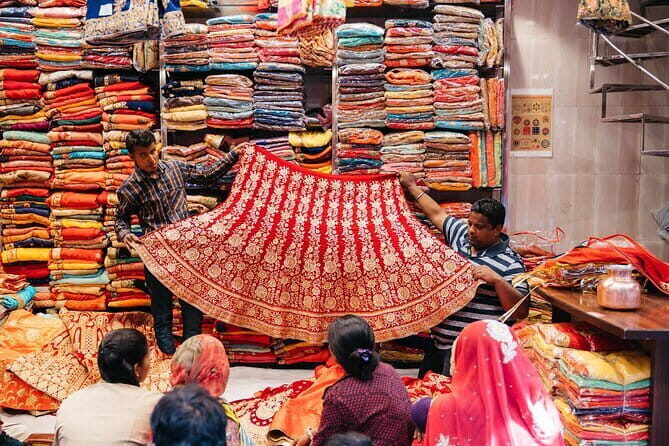
Stop 1 is Chandpole Bazar, a classic place to get your bearings in old Jaipur. You’ll see stalls and shops covering traditional items such as textiles, jewelry, brassware, and pottery—exactly the kinds of goods that make Jaipur a shopping magnet.
Why I like this stop for first-timers:
- It sets the tone. You can understand Jaipur’s craft categories quickly.
- You’re not just walking past souvenirs; you’re learning the types of products people build their livelihoods around.
A practical note: early in the tour is the best time to compare prices and quality, because you still have the full day in front of you to decide what’s worth buying.
Khanjane Walon ka Rasta: Marble Sculptures and Decor
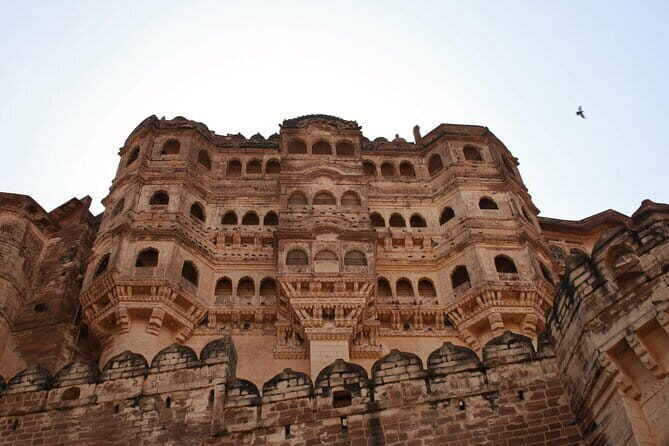
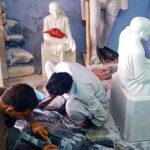
Next is Khanjane Walon ka Rasta, known for intricate marble sculptures and decor pieces. Even if you’re not buying big items, it’s a fascinating stop because it shows another side of Jaipur craftsmanship beyond textiles and jewelry.
What to watch for:
- Carving quality and finish (how clean edges look)
- Whether the piece is decorative vs. souvenir-sized
- The overall weight if you’re planning to take something home
This is one of those stops that helps you shop smarter later. When you see materials and craftsmanship side by side, it’s easier to judge value.
Maniharo Ka Rasta: Bangles and Silver Ornaments
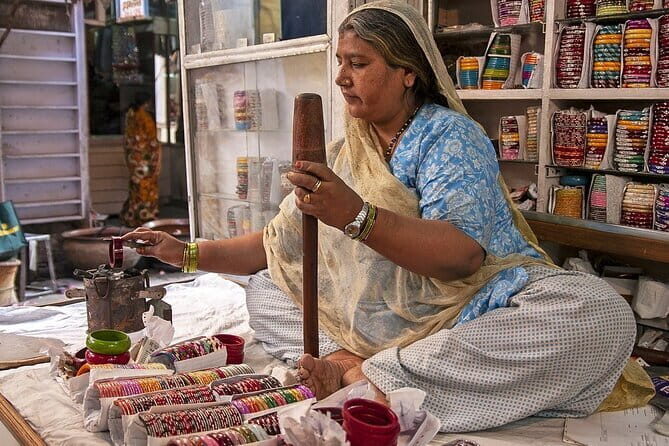
Maniharo Ka Rasta is a jewelry stronghold, especially for traditional Rajasthani bangles and silver ornaments. This stop is great if you want bangles that feel tied to local style rather than mass-market tourist jewelry.
How to make this stop useful:
- Focus on design details: pattern density, metal shine, and how the pieces are constructed.
- Ask questions about what you’re looking at. Even short conversations can help you spot better quality.
If jewelry shopping stresses you out, tell your guide early. The guide can help you narrow choices so you don’t end up decision-fatigued.
You can also read our reviews of more shopping tours in Jaipur





Isarlat (Tower): A Victory Memorial With City Views
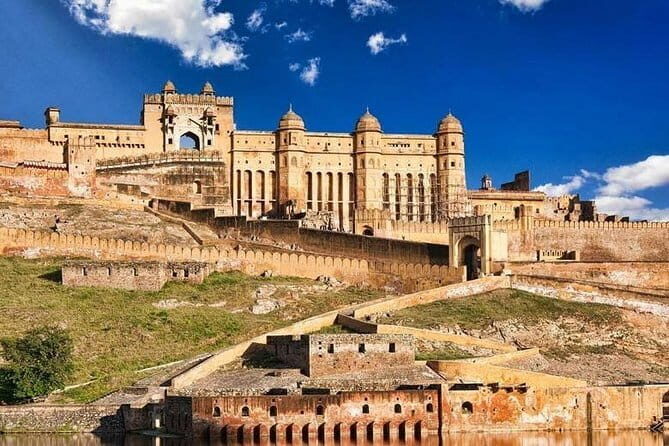
Stop 4 is Isarlat (Tower), an 18th-century victory memorial built by Maharaja Jai Singh II. The appeal here is simple: you get a historic landmark plus panoramic views that are useful for photos and getting your bearings over Jaipur’s layout.
The tour notes admission isn’t included, so what that means for you in practice:
- If you want entry, you’ll likely need to pay separately.
- If you don’t, you can still enjoy the area and decide on the spot whether it’s worth the extra time and money.
This is also a good “breather stop.” After markets, you’ll appreciate stepping away for a moment.
Tripolia Bazar: Mausoleum-Style Royal Architecture

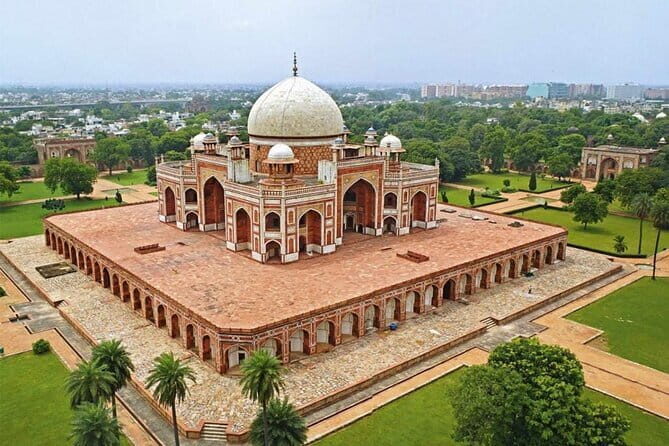
At Tripolia Bazar, you visit the area near Tripolia Gate and Tripolia Mazar, known as the final resting place of royal family members of Jaipur. The standout here is the architecture and the sense of history in stone.
Why it fits this tour:
- It adds meaning to the Pink City theme, not just shopping.
- It’s a respectful break from the noise of the bazaars.
Again, time is tight (about 30 minutes), so treat it like a “look closely, then move on” moment.
Albert Hall Museum: Indo-Saracenic Beauty (Outside Viewing Included)
The route includes Albert Hall Museum, built in 1876 and famous for its Indo-Saracenic style. It originally functioned as a concert hall and now holds collections across art, artifacts, sculptures, textiles, and coins.
Here’s the practical angle: admission is not included. Also, the tour description emphasizes that monuments are often viewed from the outside. So you should assume you’ll likely get the building presence and surrounding area rather than a full museum session.
If you’re a serious museum person, you could use this as a planning clue: return on another day when you have time to see the collections properly.
Johari Bazaar: Color, Prints, and Jewelry Choices
Stop 7 is Johri Bazaar (spelled in multiple ways online), a lively market known for Rajasthani handicrafts—textiles, jewelry, pottery, spices, and leather goods. This stop is especially famous for bright fabrics, including bandhani and block prints, plus silver jewelry.
This is one of the best stops to buy textiles because:
- You can compare patterns across shops you’re already visiting.
- The tour’s later craft demos give you vocabulary for what you’re seeing (especially prints and pottery).
If you want to shop here, keep your plan simple:
- Pick one category (like block-printed fabric or bangles)
- Set a budget range before you start negotiating
- Don’t decide in the first shop you enter
Hawa Mahal: 953 Windows and Street-Level Theater
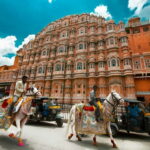
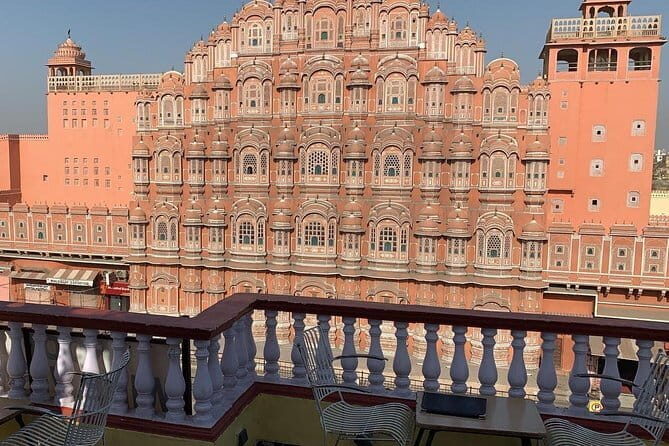
No Jaipur old-city route feels complete without Hawa Mahal, the Palace of Wind. It was built in 1799 by Maharaja Sawai Pratap Singh and is famous for its honeycomb-like structure with 953 small windows, which allowed royal women to observe street life discreetly.
Even if you don’t go inside for an extended visit, the value is in seeing what makes it distinctive:
- That façade pattern of small openings
- The way it frames views and light
- The photo angles—your guide’s route will help you catch workable viewpoints
This stop is free within the tour notes. So it’s a high-return moment: iconic sight, lower friction.
Jaipur Blue Pottery Art Centre: How the Blue Looks Is the Story
Stop 9 is Jaipur Blue Pottery Art Centre, where you get a short 10–15 minute demo. You’ll learn the craft behind the iconic blue hues and patterned designs, and you’ll watch skilled artisans work.
This is where the tour becomes more than shopping. Blue pottery can look decorative from far away, but the demo helps you understand:
- Why the color and pattern matter
- How the craft is built step-by-step
- What to look for if you’re buying a small vase, tile, or decorative piece
If you’re even slightly arts-and-crafts curious, don’t skip this demo time. It makes the buying conversation much more confident.
Satguru’s the Textile World: Women’s Carpet Craft and Hand Block Printing
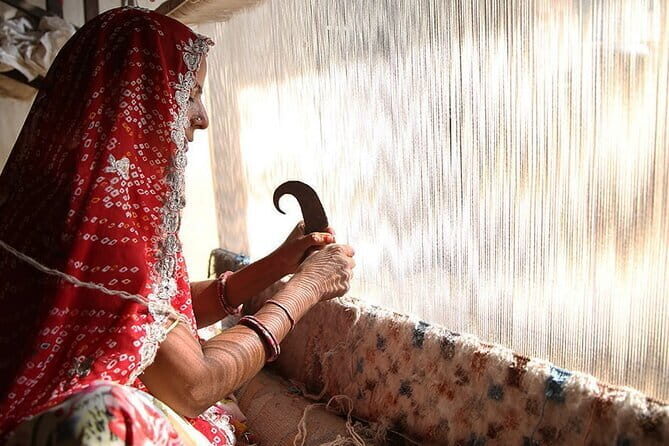
Stop 10 is Satguru’s the Textile World, a textile factory visit focused on carpets and rugs made by women and artisans. You also get to experience block printing—learning how intricate patterns are made by hand on fabric.
The empowerment angle here isn’t just a marketing line. It changes how you shop. When you see artisans working with their hands and time is built into the process, it becomes harder to treat purchases as random souvenirs.
Practical things to keep in mind:
- If you want textiles, this is your moment to connect patterns to technique.
- If you’re interested in handmade printing, ask what makes one design different from another.
You’ll also get a quick sense of the materials and effort behind items that can be surprisingly heavy—so consider how you’ll pack later.
The Shopping Part: Bargains, But With Guardrails
Shopping in Jaipur markets can be fun and exhausting at the same time. This tour helps because it puts you on multiple specialty streets rather than dumping you into one generic mall-style area.
Common shopping categories on your route include:
- Textiles and prints (bandhani, block printing)
- Jewelry (especially bangles and silver ornaments)
- Pottery and blue pottery items
- Marble decor pieces
Here’s my best advice: shop with a system.
- Decide what you want before you reach the densest market spots.
- Compare at least two shops before you buy.
- If you’re tempted by a large item, check weight and how you’ll transport it.
About the Guide Experience: Rauf’s Style Matters
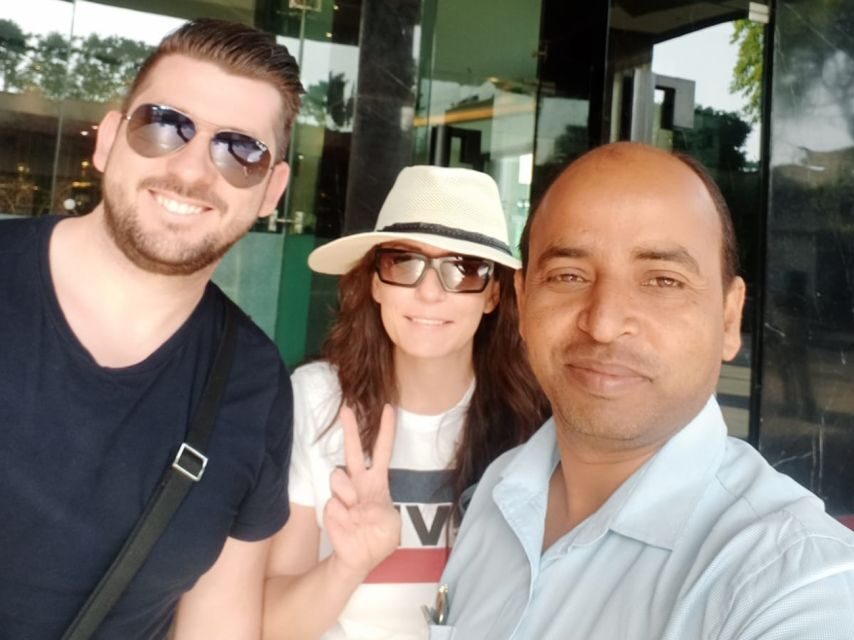
The tour’s overall feel is strongly tied to the guide. In the feedback, the name Rauf shows up repeatedly: warm, upbeat, patient, and very helpful—especially when it comes to safety and tailoring the shopping route to your interests.
One standout theme is that Rauf doesn’t just drive you past spots. He helps you choose and navigate. People also mention that he’ll point you toward good restaurant options and help make the day feel smooth, which matters when you’re dealing with old-city streets and shopping crowds.
If you’re the kind of traveler who wants a local voice—someone to ask, someone to keep the schedule under control—this is the kind of tour you’ll likely appreciate.
Who This Tour Is Best For
This tour is ideal if you:
- Want a 5-hour taste of Jaipur heritage plus old market shopping
- Prefer a route with a mix of landmark stops and craft demos
- Like buying crafts with some context (blue pottery and block printing especially)
- Want a private setup with pickup/drop-off rather than figuring out logistics alone
It’s less ideal if you:
- Want long museum time or slow wandering without a schedule
- Get overwhelmed by multiple market streets in one day
- Are only interested in inside-the-ticket attractions (since monuments are often viewed from outside, and some admissions aren’t included)
Should You Book This Jaipur Heritage and Old Market Shopping Tour?
I think this is a strong pick when your goal is simple: see key Jaipur sights, shop in real old-city markets, and watch crafts being made without turning the whole day into a classroom or a museum trip.
Book it if:
- You want value and convenience at a low price
- You like markets but want a guiding hand
- You’re interested in blue pottery and hand block printing as buying education
Skip or plan differently if:
- You want a deeper museum experience inside Albert Hall Museum
- You hate stop-and-go timing
- You’re hoping everything is fully “all paid for,” because some entries aren’t included and personal purchases will be on you
If you go in with a shopping plan and a bit of flexibility for entry decisions, this tour can be a smart first taste of Jaipur.
FAQ
How long is the Jaipur Heritage and Old Market Shopping Tour?
It runs for about 5 hours.
Is hotel pickup and drop-off included?
Yes, pickup and drop-off from your hotel are included.
What is included in the tour price?
The tour includes a private vehicle, a friendly local expert driver, bottled water, and the visits to heritage sites and traditional markets. Monument viewing is generally from the outside, and demo classes are part of the experience. Food and drinks are not included.
Are admission tickets included for all attractions?
No. Isarlat (Tower) and Albert Hall Museum are listed as admission not included. Other stops are listed as free for admission.
Which markets and streets do you visit?
You stop at Chandpole Bazar, Khanjane Walon ka Rasta, Maniharo Ka Rasta, Tripolia Bazar area, and Johri Bazaar, plus you have time at Hawa Mahal.
Do you get craft demos during the tour?
Yes. You get short demo classes (about 10–15 minutes) related to block printing, blue pottery, and jewelry making.
Is food provided during the tour?
No, food and drinks are not included.
Is this a private tour or shared group?
This is a private tour/activity, meaning only your group participates.
What’s the cancellation policy?
You can cancel for a full refund up to 24 hours in advance. Within 24 hours, refunds are not available.