REVIEW · JAIPUR
Jaipur Pink City Heritage Tour: Book By Car with Guide
Book on GetYourGuide →Operated by Nahargarh Travels · Bookable on GetYourGuide
Jaipur can feel like a lot. This one-day tour is built to make it easy without skipping the big sights. I love the smooth hotel/central pickup and car transport, and I also like how the day mixes major monuments with real Jaipur moments like shopping in Johari or Bapu Bazaar. One thing to consider: entry fees aren’t included, so your final bill will be higher than the $22 headline price.
Where this tour really wins is in the pacing. You move between forts outside the city, then swing back for palaces, science, and iconic facades, all with a live local guide who can explain what you’re seeing. The only real drawback is that it’s not a sit-and-watch day—there’s moderate walking and some sites have rules like no flash.
In This Review
- Key Things I’d Pay Attention To
- A Single Day That Actually Covers Jaipur’s Must-Sees
- Car Transport and Pickup: The Stress-Reducer
- Morning Start at Albert Hall Museum (Before the Forts)
- Amber Fort: UNESCO Drama, Courtyards, and the Sheesh Mahal
- Tip for your photo plan
- Jaigarh Fort and Jaivana Cannon: Views Plus a Military Twist
- Nahargarh Fort and Galtaji Views: Aravalli Fresh Air
- Jal Mahal (Water Palace): The Iconic Stop on the Lake
- Gatore Ki Chhatriyan: The Royal Cenotaphs Stop
- City Palace Museum Time: Rajput Meets Mughal
- Jantar Mantar: Jaipur’s Astronomy You Can Actually See
- Hawa Mahal: The Iconic Facade at the End of the Core Loop
- Albert Hall After Hawa Mahal: A Museum Buffer That Helps
- Markets and Rajasthani Dance: Where Jaipur Feels Like Jaipur
- Price and Entry Fees: What $22 Really Means
- What to Wear, What to Bring, and How to Survive the Walking
- Who Should Book This Tour (and Who Might Want to Rethink It)
- Should You Book This Jaipur Heritage Tour?
- FAQ
- How long is the Jaipur Pink City Heritage Tour?
- Where is pickup and drop-off available?
- Are entry fees included for the major attractions?
- What languages are available for the guide?
- What is included besides sightseeing?
- Is an elephant ride included at Amber Fort?
- What are the photography rules?
- What should I bring for the day?
- Is it flexible if I need to change plans?
- Is the tour suitable for children or wheelchair users?
Key Things I’d Pay Attention To
- Car + guide all day means less negotiating and faster transitions between far-away forts.
- Amber Fort includes a choice for reaching the complex: optional elephant ride or a jeep up.
- Jaigarh Fort’s Jaivana cannon gives you a memorable mix of views and military history.
- Jantar Mantar and its stone sundial are the science stop most Jaipur days forget.
- Evening markets plus traditional dance add local texture after the monuments.
A Single Day That Actually Covers Jaipur’s Must-Sees
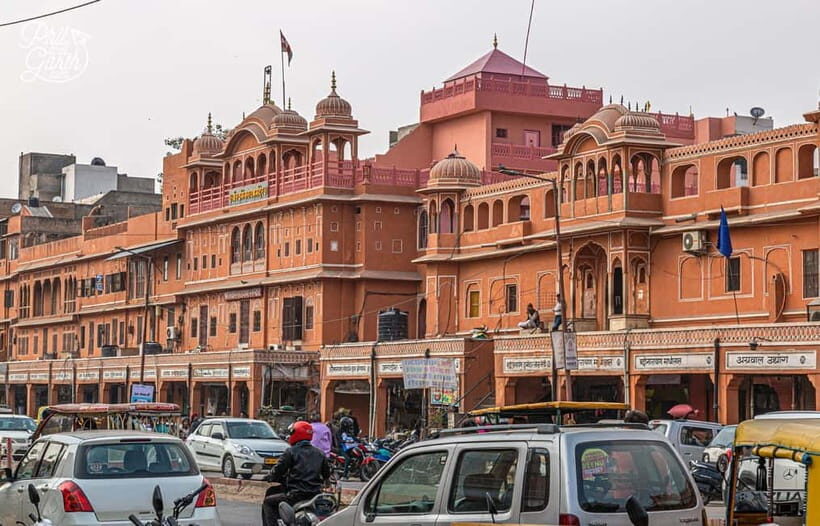
Jaipur’s biggest problem is not the sights—it’s the time. Distances add up, lines and ticket desks take forever, and it’s easy to come away feeling like you saw a postcard instead of a city. This tour is designed to solve that with a full one-day loop: forts outside the city in the morning, then palaces, observatories, museum time, and finally Hawa Mahal and an evening market stop.
I like that the day includes both the dramatic and the practical. You get the big visual hits—Amber Fort and Hawa Mahal—but you also get Jantar Mantar, where Jaipur’s old-school astronomy turns into hands-on curiosity. And because you’re with a guide, you’re not just moving through rooms. You’re getting context for why these places look the way they do.
Also, the tour is priced as a true budget day out for the amount of ground you cover—especially because transport and a guide are part of the package. The tradeoff is that it’s still a full schedule, and you’ll want comfortable shoes and patience in heat.
You can also read our reviews of more guided tours in Jaipur


Car Transport and Pickup: The Stress-Reducer
If you’ve tried to do Jaipur by yourself, you already know the drill: figuring out routes, finding parking, and re-routing around traffic can eat your day. Here, you get pickup and drop-off from central Jaipur locations (and pickup is also listed for hotel/airport/railway station). Then you’re transported to each attraction by car.
This matters because several stops sit outside the city center. The forts—especially Amber and the ones on the Aravalli Hills—aren’t just “a short walk away.” With car transport, you spend your energy looking, not figuring.
One more detail I appreciate: the tour runs with an in-person live guide available in many languages, including English, Hindi, German, French, Chinese, Japanese, Dutch, Russian, and Spanish. If you’re traveling as a mixed group, language support can be the difference between everyone enjoying the day and everyone drifting into their own little attention bubble.
Morning Start at Albert Hall Museum (Before the Forts)
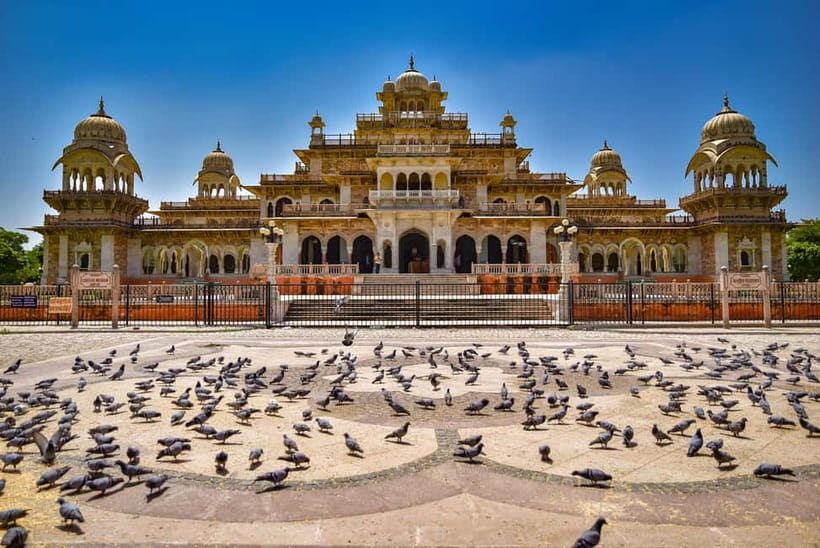
You start the day with a strong anchor: Albert Hall Museum, the oldest museum in Rajasthan. It’s not just a storage room of artifacts; it’s also worth seeing for the building itself, which is listed as Indo-Saracenic architecture.
Why this is a smart move early: forts and palaces can feel like separate worlds if you go in cold. Museum time gives you quick context for what you’ll see later—royal objects, costumes, and the visual language of the region’s rulers.
Plan for about an hour here with a guided visit. The museum also helps with timing. Even if the morning starts warm, you’ll get a break from constant walking outdoors before the fort route heats up.
Amber Fort: UNESCO Drama, Courtyards, and the Sheesh Mahal
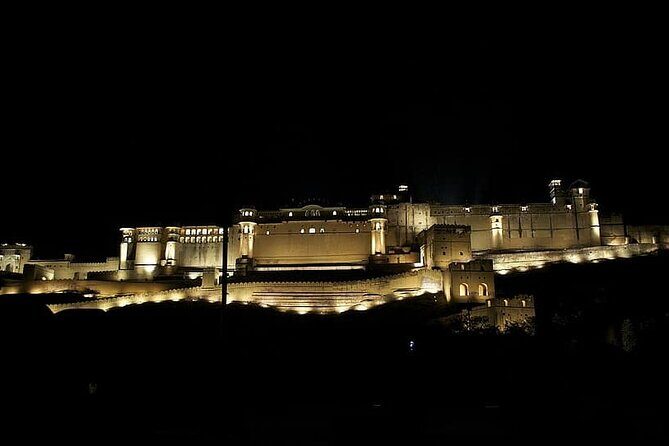
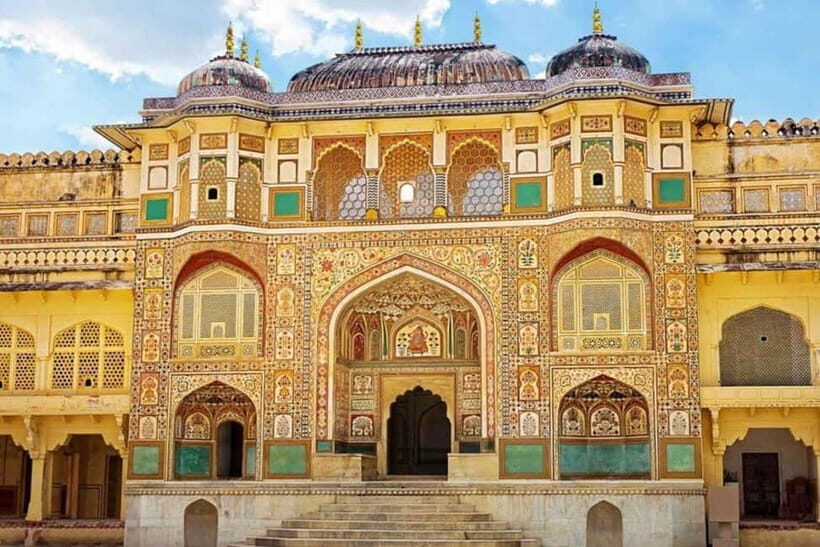
Then comes Amber Fort, a UNESCO World Heritage Site and the big one for most first-timers. Expect courtyards and palaces built to impress. The tour focuses on key areas so you don’t miss the parts people remember—especially the famous Sheesh Mahal (Mirror Palace).
A practical note that affects your comfort: you reach the fort via an optional elephant ride or a jeep. You don’t have to do the elephant option. If you want something simpler, the jeep is a stated alternative. Either way, getting up to Amber sets the tone fast.
The guide’s job here is more than pointing. Amber Fort is visually dense: multiple courtyards, decorative details, and rooms that only make sense when someone explains the design logic. If you like architecture and storytelling, this is one of the stops you’ll feel most grateful you didn’t try to DIY.
Tip for your photo plan
Bring your camera habits down to basics. You’ll be in bright light, lots of stone and gold tones, and reflective surfaces in the Sheesh Mahal area. It’s a great place for photos, but remember flash rules apply in certain areas.
You can also read our reviews of more city tours in Jaipur






Jaigarh Fort and Jaivana Cannon: Views Plus a Military Twist
Just a short drive from Amber is Jaigarh Fort, known for panoramic views and for its connection to historic defense. This stop includes time to see the famous Jaivana cannon, described as the world’s largest cannon on wheels.
What I like about adding Jaigarh to the day is that it shifts the story. Amber is royal luxury and court life. Jaigarh turns that into something sturdier—power, protection, and the practical side of ruling.
You’ll also get some of the best “look across Jaipur” moments from the fort vantage points. If photography is your thing, this is a place where you can spend a few extra minutes just watching the city breathe below you.
Nahargarh Fort and Galtaji Views: Aravalli Fresh Air
Next up is Nahargarh Fort, perched on the Aravalli Hills. It’s known for city views and for being a strong photo stop. Expect a guided visit of about an hour, plus that open-air feeling that cools down after Amber’s dense fort spaces.
This is also where I’d suggest you slow down a bit. Views here aren’t just scenery. They’re geography. When you can see the city spread, you start understanding why the forts were placed where they were.
Later in the day, you also hit Galtaji Temple (Monkey Temple), and it reinforces the “hills + city” theme. Galtaji is described as a temple complex with natural springs and temples, plus a large population of monkeys. You’ll want to treat it like a living place, not a museum exhibit: keep your belongings secure and keep your eyes up.
If you love city viewpoints and temples, this pairing is a nice arc: fort heights in one direction, then temple life tied to springs and stone in another.
Jal Mahal (Water Palace): The Iconic Stop on the Lake
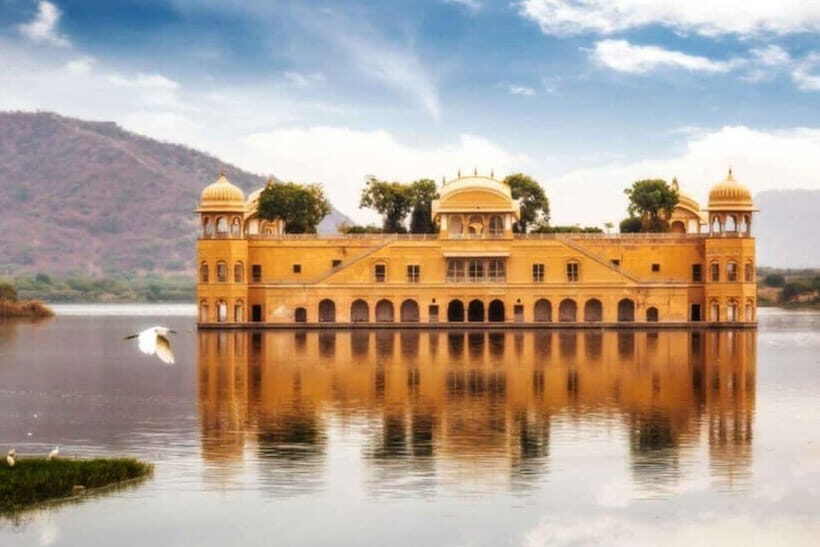
On the return route from the Amber area, you stop at Jal Mahal (Water Palace). It’s located in the middle of Man Sagar Lake, which makes it one of Jaipur’s most recognizable photo settings.
This is a shorter stop (about half an hour with guidance), but it works. Jal Mahal is the “pause” in your day between forts and palaces—an easy win for photos and a reminder that Jaipur’s royal story wasn’t only built on land.
One consideration: because it’s outdoors and tied to water and light, weather can affect how it looks. If the skies are bright, you’ll get crisp photos. If it’s hazy, it can still be scenic, but don’t expect the sharpest results.
Gatore Ki Chhatriyan: The Royal Cenotaphs Stop
You also get time for Gatore Ki Chhatriyan, described as Jaipur’s stunning royal cenotaphs with intricate architecture and a deep connection to the city’s rulers.
This stop is valuable because it fills a gap most heritage tours skip. You get to see how power is remembered—not just how it was lived. Cenotaph architecture often feels less about everyday luxury and more about symbolism: how rulers wanted to be seen, even after death.
If you tend to enjoy details and ornamentation, you’ll likely linger here more than you planned. If you prefer faster monument-to-monument movement, it’s still worth the stop because it adds variety to the day.
City Palace Museum Time: Rajput Meets Mughal
After lunch, the tour shifts to City Palace, a blend of Rajasthani and Mughal architecture. You’re guided through the palace areas and you can visit the museums inside, where you’ll see royal artifacts, costumes, and weapons.
I like City Palace because it turns the word palace into something more specific. Instead of only looking at walls and courtyards, you get objects tied to how royalty dressed, traveled, and protected itself. The museum angle can help the day feel less like a photo marathon.
One practical note: City Palace is a complex place. Give yourself room to walk slowly for a few minutes at a time. If you try to sprint from room to room, you’ll miss the best details.
Jantar Mantar: Jaipur’s Astronomy You Can Actually See
Then it’s Jantar Mantar, an astronomical observatory and UNESCO World Heritage Site. This is where Jaipur surprises people who think heritage is only forts and palaces.
The tour highlights the world’s largest stone sundial, plus other instruments. It’s not just a list of structures; it’s an explanation of how people once measured time and the sky with precision using stone.
If you like science, history, or you just enjoy wow-factor tools made long before modern tech, this stop is a strong payoff. Even if you only understand parts of it, the physical instruments do a lot of convincing on their own.
Hawa Mahal: The Iconic Facade at the End of the Core Loop
As the day closes in, you visit Hawa Mahal (Palace of Winds). This is the classic Jaipur photo you’ve probably seen on postcards for years, but the reason it matters is the function behind the face.
You’ll get guided context and time to capture the facade—especially effective near the end of the day when light can soften. The tour keeps it to about a half hour with guidance, which is enough time to understand what you’re seeing and still move on to markets.
Albert Hall After Hawa Mahal: A Museum Buffer That Helps
Albert Hall Museum is also listed in the day sequence, and it works as a great “buffer” stop. After forts and palaces, your brain can use a change of pace—buildings, collections, and guided explanations in a calmer indoor setting.
Even if you’ve already toured museums before, the Indo-Saracenic architecture alone makes it feel like more than another ticketed room.
Markets and Rajasthani Dance: Where Jaipur Feels Like Jaipur
The tour includes a shopping experience in local markets, with options like Johari Bazaar or Bapu Bazaar. These markets are known for traditional jewelry, textiles, and handicrafts, so you can find souvenirs that feel connected to the region instead of mass-produced copies.
And there’s an extra cultural layer: a traditional Rajasthani dance performance is included. Even if dance isn’t always your go-to, it adds a sense of rhythm after hours of stone and architecture.
This part of the day is also where you can tailor your pace. If you want to buy, focus on fewer, better items. If you want photos, keep it respectful and mindful of store staff.
Price and Entry Fees: What $22 Really Means
The headline price is $22 per person for a one-day heritage tour, and that’s a solid deal when you consider what’s included: pickup and drop-off, transportation between attractions, guided tours, shopping time, and a cultural performance.
But the big catch is that entry fees are not included. The tour specifically notes that you’ll pay separate tickets for major sites such as Amber Fort, City Palace, Hawa Mahal, Jantar Mantar, and Albert Hall Museum, and it says so on—so plan for other small entry charges too.
My advice: treat $22 as the value of the logistics and guidance, not the full cost of the day. Budget extra for tickets, and you won’t feel surprised halfway through.
Also, remember photography rules: flash photography is restricted in certain areas, and flash photography is listed under not allowed. That affects how you plan shots inside museums and certain buildings.
What to Wear, What to Bring, and How to Survive the Walking
This day involves a moderate amount of walking, mostly in historical sites with uneven surfaces. You’ll want comfortable shoes more than anything else. Bring water, and don’t forget sunscreen, sunglasses, and a hat because Jaipur heat can be real, even when the plans stay the same.
The tour operates in all weather conditions, so dress appropriately. If you don’t like surprises, pack light rain protection too.
And behavior rules are simple: no smoking, and follow site rules about flash photography.
Who Should Book This Tour (and Who Might Want to Rethink It)
This is a great fit if you want an organized way to hit Jaipur’s highlights in one day, especially if you’d rather not spend hours coordinating transport between forts and monuments. I’d also say it’s a good option for first-timers who want architecture, museums, and iconic facades without the guesswork.
It may be less ideal if you’re traveling with very young kids. The tour is listed as not suitable for children under 5. It’s also listed as not suitable for people with mobility impairments and wheelchair users, even though it also says wheelchair accessible in the included details. If mobility is a concern for you, confirm with the provider before booking so you’re not stuck with a mismatch.
Should You Book This Jaipur Heritage Tour?
Book it if you want a one-day plan that covers Amber Fort, Jaigarh, Nahargarh, City Palace, Jantar Mantar, Hawa Mahal, plus museum and market time—while someone else handles the car route and the guiding. At $22, the value is strongest for travelers who care about maximizing time and prefer not to negotiate transport all day.
Skip it (or at least confirm details first) if you need step-free access or you’re sensitive to a day with repeated walking and indoor/outdoor transitions. And budget for entry fees, since the ticket costs are the main extra expense you’ll face.
If you like structure, photos, and learning what you’re actually looking at, this is an efficient way to experience Jaipur’s royal side without turning your trip into logistics homework.
FAQ
How long is the Jaipur Pink City Heritage Tour?
The tour is listed as valid for 1 day from first activation, starting in Jaipur and returning to Jaipur.
Where is pickup and drop-off available?
Pickup and drop-off are available from central Jaipur locations. Hotel/airport/railway station pickup and drop-off are also included, and you should provide your pickup location in advance.
Are entry fees included for the major attractions?
No. Entry fees are not included for major sites such as Amber Fort, City Palace, Hawa Mahal, Jantar Mantar, and Albert Hall Museum, and it notes so on.
What languages are available for the guide?
The live guide is available in English, Hindi, German, French, Chinese, Japanese, Dutch, Hindi, Russian, and Spanish.
What is included besides sightseeing?
Included are guided tours, transportation to and from all attractions, shopping experience in local markets, and a cultural performance with traditional Rajasthani dance.
Is an elephant ride included at Amber Fort?
Amber Fort is described as offering an optional elephant ride or you can take a jeep to reach the fort.
What are the photography rules?
Flash photography is restricted in certain areas, and flash photography is also listed as not allowed. The tour also states smoking is not allowed.
What should I bring for the day?
Bring comfortable shoes, sunglasses, a hat, camera, sunscreen, and water.
Is it flexible if I need to change plans?
The tour lists free cancellation up to 24 hours in advance for a full refund, and it also offers reserve now & pay later so you can keep plans flexible.
Is the tour suitable for children or wheelchair users?
It is listed as not suitable for children under 5 and not suitable for wheelchair users and people with mobility impairments. The activity also lists wheelchair accessibility in the included section, so if you have mobility needs, confirm the practical fit with the provider before booking.