REVIEW · JAIPUR
Private Shopping Tour in Jaipur
Book on Viator →Operated by Raj Tours Jaipur · Bookable on Viator
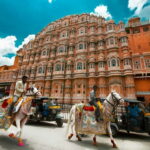
Jaipur shopping can feel like a test of stamina, so having a private plan helps. This tour focuses on stops tied to craft and production, with a private vehicle and a guide who steers you toward quality souvenirs instead of just the loudest storefronts. You also get a real route through the “Pink City” without spending your day guessing where to go.
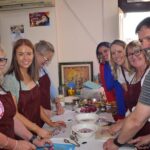
What I like most is the way it mixes high-end shops with hands-on moments—like textile printing and factory-style stops for pashmina and jewelry—so you learn what you’re buying while you shop. I also really appreciate how Shakir keeps things low-pressure, and helps with negotiation so you can aim for fair prices without feeling pushed around.
One thing to consider: if you’re shopping for highly specific, custom wedding outfits (exact styles, embellishments, shoe choices for a specific size), you may need extra time and follow-up fittings beyond a single 6-hour block to get everything exactly right.
In This Review
- Key things to know before you go
- Why Jaipur shopping feels easier with a private route
- Price and logistics: what you’re really paying for
- Heritage Textiles: block prints, custom pieces, and where fabric starts
- Ratnavali Arts and Akee International: gems and pashmina with real craft time
- Johri Bazaar and Bapu Bazaar: market time without the chaos
- Channi Carpets and Jaipur Blue Pottery: touch-first souvenirs
- How Shakir’s style saves you money (and stress)
- Shopping tips that work well on this kind of tour
- Who this tour is best for
- Should you book this Jaipur private shopping tour?
- FAQ
- How long is the private shopping tour in Jaipur?
- Does the tour include hotel pickup and drop-off?
- What is included in the tour price?
- What’s not included?
- Is free cancellation available?
- Can children participate?
Key things to know before you go
- Private guide, private vehicle, and pickup/drop so you spend your energy shopping, not commuting
- Factory-leaning stops where you can see how textiles, gems, and pashmina are made and handled
- A plan that still allows flexibility, based on what you want that day (not just a rigid checklist)
- Shopping support that feels human, including help with price and timing so you don’t get trapped in the wrong store
- Tea and water at stops, plus occasional help when the day runs long
Why Jaipur shopping feels easier with a private route
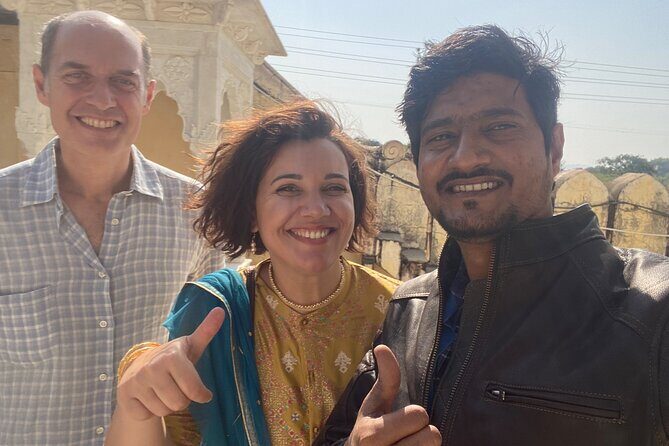
Jaipur’s famous for its crafts, but the shopping scene can also be chaotic: lots of similar products, lots of sales talk, and plenty of opportunity to overpay if you’re not sure what’s good. This private shopping tour is built around the idea that you’ll get better value when someone local manages the route and filters the stops for quality.
I like that the day is anchored in places tied to production and specialist retail. You’re not just bounced from street stall to street stall. You’re guided through locations that focus on particular crafts—textiles, pashmina, jewelry, carpets, and pottery—so you can compare like with like. That makes it easier for you to decide what’s worth your money and what’s just the same product sold with different packaging.
Another win: it’s a small, private experience. You’re not sharing a cramped vehicle with a dozen strangers or trying to keep up with a group. The best part is how Shakir adapts. If you’re hunting for something specific, you’ll feel that he’s listening rather than running a scripted sales pitch.
You can also read our reviews of more private tours in Jaipur



Price and logistics: what you’re really paying for
At $16 per person (with about 6 hours on the clock), the value comes from what’s included—not just the shopping. You get hotel/airport/railway pick-up and drop, plus a chauffeur-driven A/C private vehicle. That matters in Jaipur because heat and traffic can drain the day quickly, and you don’t want to lose prime shopping time to logistics.
The package also covers the practical costs: fuel, parking charges, bottled water, and all government taxes (GST). So if you’re the type who wants clear, predictable spending, you won’t have to keep adding costs once you’re already out. What you won’t get included are extras like alcoholic drinks, tips/gratuities, and souvenir photos (which you can purchase if you want).
One more practical point: the tour uses a mobile ticket, and confirmation is received at booking. That’s useful if you’re juggling multiple activities and want something you can access quickly on your phone. It’s typically booked about 13 days in advance, so if you have firm dates, it’s worth reserving early to avoid schedule stress.
Heritage Textiles: block prints, custom pieces, and where fabric starts
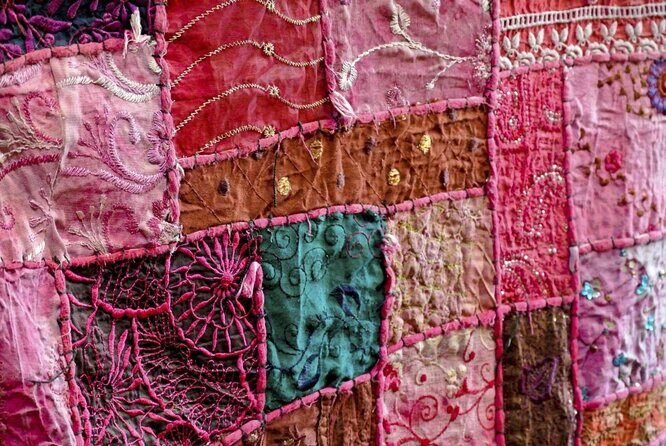
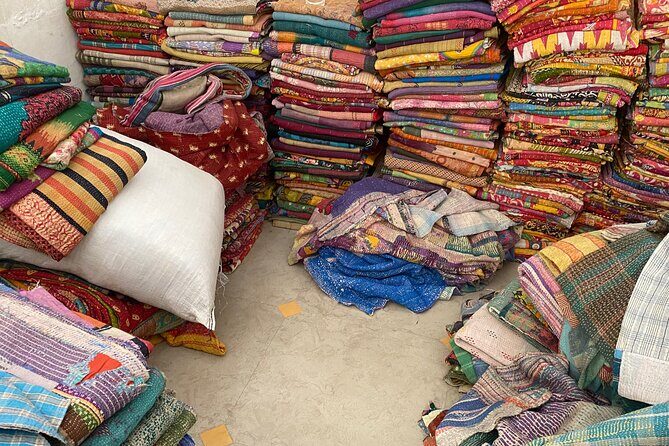
The textile stop is the kind of place where you can start building confidence fast. You spend about an hour at Heritage Textiles, and the focus is on quality fabric and custom-made garments. The shop offers hand-block printed fabrics and also woolen materials, so it’s not just one product line.
Here’s what makes this stop valuable for your shopping brain. It trains you to think in materials and process, not just finished souvenirs. If you’re interested in things like scarves, dress fabric, or bespoke items, you’ll learn what “good” feels like and what patterns and printing methods look like up close. Even if you don’t buy clothing that day, the textile education helps you later when you compare products in markets.
Potential drawback: if your goal is very specific clothing for an event, custom work can take planning. A custom garment might be created in a few hours, but you should still expect the process to require clear communication on size, style, and finishing. If you arrive with fuzzy expectations, you’ll pay for that later.
Ratnavali Arts and Akee International: gems and pashmina with real craft time

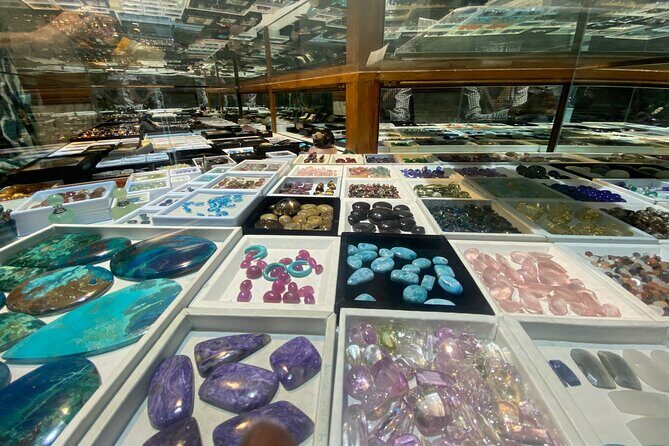
Next up is Ratnavali Arts, another about one hour stop. This is a factory-style shop where skilled artisans create jewelry and gemstones, and you can see the craftsmanship firsthand. That “factory” detail matters because it helps you spot the difference between mass-produced looks and pieces that involve real work.
Then comes Akee International for about one hour. This is a well-regarded pashmina shop, known for pashmina manufacturing. If you’re looking for cashmere-like softness (and want something you can feel for quality), this is the kind of stop that usually works better than random guess-shopping later.
The advantage of having both of these in one day: you can compare price logic while you’re still in decision mode. When you’re asking questions about fibers, stones, or finishing, the guide can translate what to look for and what questions to ask. And if you’re the type who gets overwhelmed, having a schedule helps you avoid wandering into the wrong shop.
Consideration: these are specialist retail environments. That’s great for quality, but it also means you may not get the same roaming market vibe you’d get on your own. If you want to mostly browse street markets with zero structure, you might feel a bit guided more than you expected.
Johri Bazaar and Bapu Bazaar: market time without the chaos
To balance the more structured craft stops, you also get market browsing: Johri Bazaar for about 30 minutes, and Bapu Bazaar for another 30 minutes.
Johri Bazaar is known for jewelry—traditional Rajasthani gold and silver ornaments and gemstones. It’s also connected to textiles, which matters because Jaipur shopping is rarely one-lane. If you’re shopping for gifts, jewelry, or small wearable souvenirs, Johri Bazaar is where you can spot what people are buying day to day.
Then Bapu Bazaar is one of the older markets in Jaipur. It’s a great place to soak up the atmosphere while you stroll and pick up smaller items. This is where you can find trinkets and general souvenirs and get a sense of what’s popular at street level.
The tradeoff is time. Each market gets about 30 minutes, which is enough to browse intentionally but not enough to deep-stalk every stall. The payoff is that you’re not stuck in market mazes all day. You get flavor and photos and impulse buying opportunities, without losing the day to indecision.
You can also read our reviews of more shopping tours in Jaipur





Channi Carpets and Jaipur Blue Pottery: touch-first souvenirs
Carpets in Jaipur can be a big-ticket decision, so the carpet stop is a smart one. You spend about an hour at Channi Carpets & Textiles, in a spacious factory setting with lots of options. If you’re aiming for something you can actually live with—something that feels right and looks right in your room—this is the kind of stop where you can slow down and compare.
Carpet shopping is tricky because the best value often hides in details you only notice when you’re close: texture, knotting feel, and how the color looks in different light. A guided stop helps you ask the right questions and avoid being steered into a pattern that looks great on a wall but doesn’t match what you want at home.
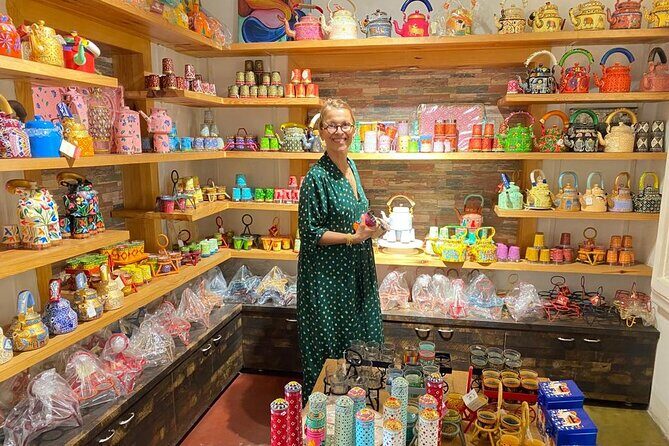
Then you move to Jaipur Blue Pottery Art Centre for about one hour. This is where you can see a craftsmanship focus on blue pottery and learn how the craft feels and looks in person. It’s also a popular celebrity-endorsed destination, which means the shop is set up to welcome visitors who want to understand the work, not just grab a souvenir.
Potential drawback: pottery and carpets are both items you might have to plan for—packing, shipping, and making sure it stays intact. The tour can help with direction, but you should still think ahead if you’re traveling light.
How Shakir’s style saves you money (and stress)
The strongest praise in the day isn’t just about the shops—it’s about the guide. Many people highlight Shakir for being flexible, friendly, and honest about what fits your goals. That means you don’t just get taken to places; you get your shopping plan adjusted while you’re there.
Here’s what that looks like in real terms. People describe getting special pricing and even free gifts at certain stores when Shakir is with you. Others mention that he’ll help negotiate and push for better deals without making it feel confrontational. If you’re worried about being overwhelmed, that support is huge.
Safety also comes up often. Solo travelers often feel much more comfortable when they’re not negotiating alone or walking through unfamiliar areas with no plan. Shakir is repeatedly described as respectful and patient, including with families and children.
One practical bonus: some guests report that tailored items could be delivered back to the hotel. That’s not something you should assume for every purchase, but it’s a strong sign that he’s thinking about how shopping fits into your actual itinerary.
Shopping tips that work well on this kind of tour
If you want your money to go further, use the guide’s expertise on the right questions. Start with goals. Ask what options best match your budget and what’s worth spending extra on. Then ask how the shop justifies the price: material quality, finishing, and how the item is made.
When you’re comparing products, don’t just look for the same category. Compare the reason the item costs more. For example, in textiles you’ll want to ask about the fabric and printing style. In pashmina, focus on fiber feel and thickness. For jewelry and stones, ask questions that clarify authenticity and how the shop prices the piece.
Also plan your buying sequence. If you’re shopping for multiple items (say scarves plus a rug plus pottery), buy the smaller “confidence items” first. Then, once you understand quality and price ranges, you’ll be less likely to panic-buy a bigger ticket item.
Finally, keep in mind what the day includes: you’ll hit multiple specialist shops plus two market strolls, and you’ll want time for decisions. Wear comfortable shoes, and don’t schedule another heavy activity right after. Jaipur crafts deserve slow choices.
Who this tour is best for
This tour is ideal if you want:
- A structured shopping day focused on textiles, jewelry, carpets, and pottery
- A private guide who helps you avoid random storefronts and unfair pricing
- A calm way to shop if you’re traveling solo or want extra confidence in how you navigate
It’s also a good fit if you know you want quality, not just souvenirs. The craft stops are designed for buyers who care about how things are made and who want to compare.
If you’re shopping for complicated event outfits, like wedding clothing, pay extra attention to your timelines. The custom garment angle is attractive, but event shopping often needs more than one try-on or more follow-up than a single day. You’ll be better off if you come prepared with clear photos, your sizes, and expectations—and you’re open to needing fittings after.
Should you book this Jaipur private shopping tour?
If your top priority is better quality shopping with less stress, I think this is an easy yes. You’re paying for private transportation, time-efficient stops, and a guide-led approach that helps you negotiate and shop with confidence. The day also balances production-focused craft shops with quick market browsing, so you still get that Jaipur feel without getting lost.
I’d skip it only if you’re mainly looking for hours of free-roaming market wandering, or if your purchase goal is extremely timing-sensitive and you can’t handle any follow-up. Otherwise, grab a spot, go in with a short wishlist, and let Shakir steer you toward the right shops for textiles, pashmina, jewelry, carpets, and pottery.
FAQ
How long is the private shopping tour in Jaipur?
It lasts about 6 hours.
Does the tour include hotel pickup and drop-off?
Yes. The price includes hotel/airport/railway station pickup and drop-off.
What is included in the tour price?
The tour includes a chauffeur-driven A/C private vehicle, bottled water, fuel, parking charges, and all government taxes (GST), plus a private guide.
What’s not included?
Alcoholic drinks, tips/gratuities, and souvenir photos are not included.
Is free cancellation available?
Yes. You can cancel up to 24 hours in advance for a full refund.
Can children participate?
Children can participate, but they must be accompanied by an adult.