REVIEW · JAIPUR
Jaipur: Guided History Walking Tour with Food Tasting
Book on GetYourGuide →Operated by Multi Tours India · Bookable on GetYourGuide
Jaipur on foot brings the city to life. This 3-hour Pink City walking tour mixes real street-level history with comfort-food breaks, so you’re not just looking at Jaipur, you’re learning it. I especially liked the way the guide connects food tastings with stories about old neighborhoods, temples, and everyday customs. One thing to consider: it’s a walking tour, and it’s not suitable if you have food allergies.
You also get a private-group feel, which makes the pace easier to manage in tight lanes. I liked that you’ll hear practical details about architecture and spiritual beliefs while you move through markets and older house areas (like havelis), stepwells, and courtyards. Because you’re eating along the route, people with allergies should double-check needs in advance.
If you’re pairing sightseeing with actual meals, this tour fits well. You’ll start at New Gate, snack through the old squares and bazaars, and finish near the Flower Market area at Choti Chaupar. Bring comfortable shoes and plan for sun.
In This Review
- Key highlights you’ll actually feel on the walk
- Price and value: what $13 buys you in Jaipur
- New Gate to Chaura Rasta: getting oriented before you hit the maze
- Badi Chaupar: the story behind a central square stop
- Tripolia Bazar and the stepwell, haveli, and courtyard moments
- Choti Chaupar and the Flower Market finish: dessert, tea, and market light
- What you’ll eat: the handpicked tastings that make the route make sense
- Artisan moments: when craft work becomes part of the history
- Guides and pacing: why Rajesh, Krishna, and Ali Irfan-style tours work
- What to bring, and how to stay comfortable on the route
- Should you book this Jaipur Guided History Walking Tour with Food Tasting?
- FAQ
- How long is the Jaipur guided walking tour with food tasting?
- Where does the tour start and where does it end?
- What food and drinks are included?
- What languages are available for the tour guide?
- Is this a private group or a shared tour?
- Is it suitable for wheelchair users or people with food allergies?
Key highlights you’ll actually feel on the walk
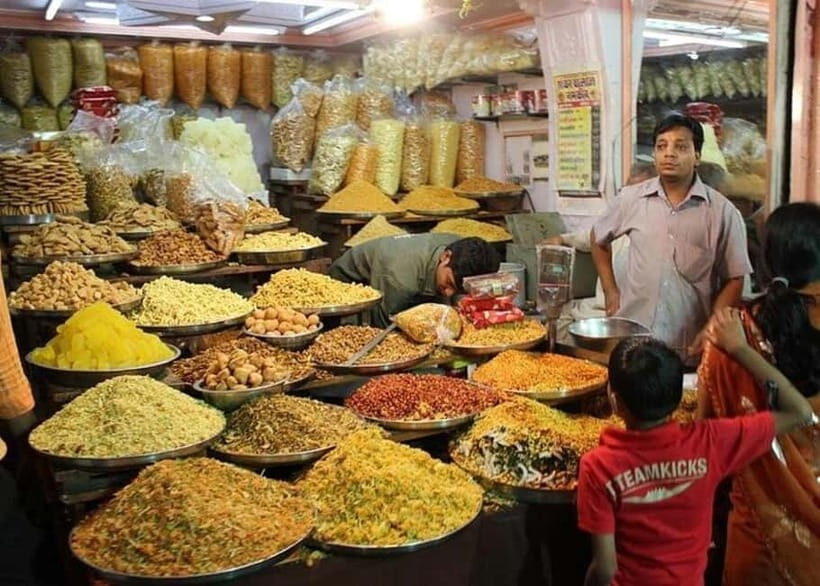
- Street-food tastings built into the route instead of a rushed pit stop at the end
- History told from the sidewalk, with notes on architecture, local customs, and spiritual beliefs
- Photo-friendly moments around the big chowks and market lanes
- Handpicked Jaipur and Rajasthani favorites like pyaaz kachori, chaat, and sweets such as ghewar or rabri
- Guides with personality and restraint; people have been especially happy with Rajesh, Krishna, and Ali Irfan for keeping it informative and not salesy
- You might see artisans at work (potters, jewelers, miniature painters, spice sellers), depending on the day
Price and value: what $13 buys you in Jaipur
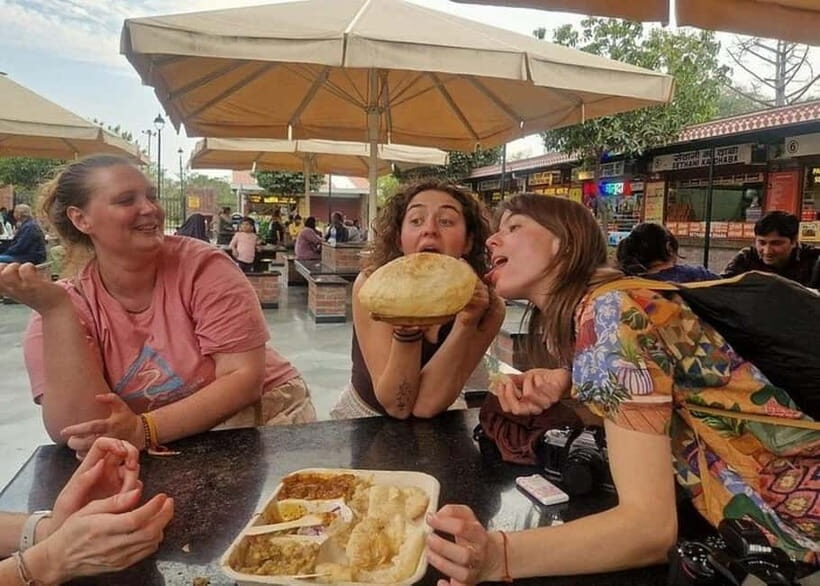
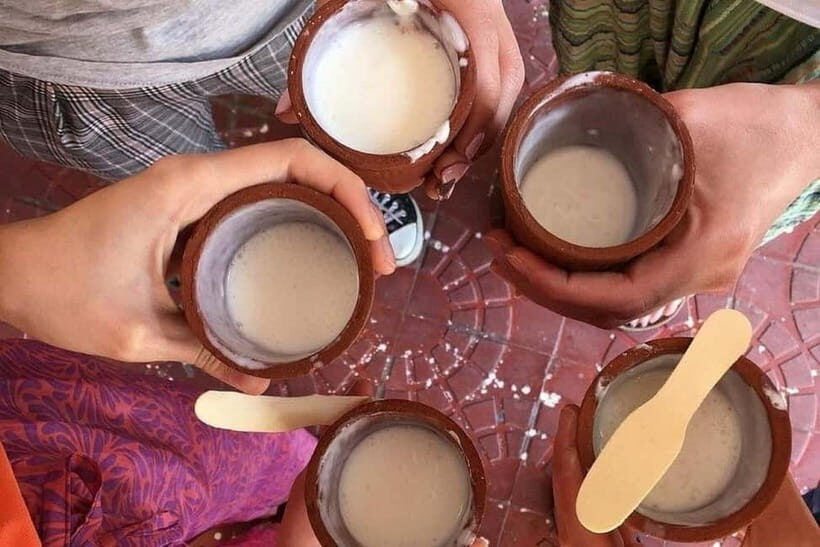
At about $13 per person for a 3-hour guided experience, the value is mainly in two things: time with a local guide and the food plan. This isn’t just a history walk where you optionally stop for snacks. You’re set up for food tasting, plus bottled water, a traditional dessert, and masala chai at local tea shops.
For many first-time visitors, Jaipur can feel overwhelming fast: streets twist, markets overlap, and it’s not always obvious what you’re looking at. Paying for a guide helps you understand what you’re seeing, not just transport yourself between landmarks. And since the tour builds in multiple tasting moments, you won’t end up deciding on-the-spot what to eat while navigating crowds and heat.
One more value point: the tour is listed as private group, which usually means a calmer pace and fewer coordination headaches than a large public group. It’s still a heritage walking route, so you should expect uneven footpaths and plenty of moving. But the “private” format tends to make it feel more like a neighborhood walk with a storyteller.
You can also read our reviews of more walking tours in Jaipur


New Gate to Chaura Rasta: getting oriented before you hit the maze
You start at New Gate, a smart starting point because it gets you into the heart of the old city fast. Early on, a good guide does something important: they help you get your bearings. That matters here, because Jaipur’s older lanes can look similar until someone points out the why behind the shapes and streets.
From there, Chaura Rasta is a key entry into the Pink City rhythm. You’ll have a photo stop and time with tea and street food while the guide explains what you’re seeing around the street and market life. This is where you’ll start picking up how Jaipur’s old-city layout connects daily business with social routines.
What makes Chaura Rasta work on a walking tour is the balance between movement and breaks. You’re learning as you go, then taking a quick pause to taste. You’ll likely notice that the tour doesn’t treat food like an afterthought; it’s part of how you understand the area’s daily flow.
Practical tip: wear shoes you trust. This is an active route with walking time, and market surfaces can be uneven. If you skip good footwear, Jaipur becomes less about culture and more about foot pain.
Badi Chaupar: the story behind a central square stop
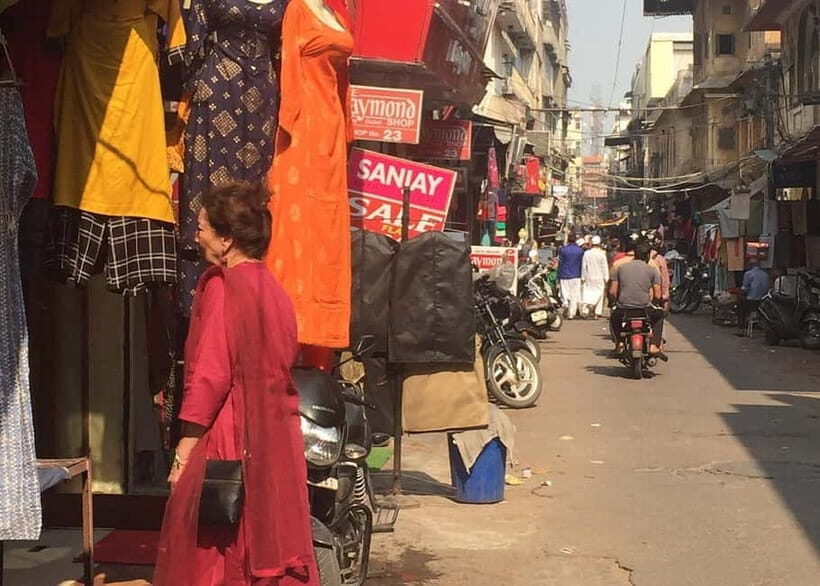
Badi Chaupar is one of those places where Jaipur starts making sense. Squares and chowks act like anchors in the city’s old plan, and your guide uses that to explain how people move, gather, and trade. You’ll get a guided walk plus food tasting here, with time to look around and enjoy scenic views along the way.
This stop is valuable because it ties together three things at once:
- How architecture frames space
- How people use public areas
- How local belief and custom show up in daily behavior
When the guide speaks about spiritual beliefs and local rituals while you stand in a market square, it clicks more than it would from a museum label. The tour’s approach keeps the information grounded in place, so you’re not memorizing facts—you’re connecting them to what you can see.
There’s also a simple comfort factor. A square stop gives you a breather. You can regroup, refocus, and then head back into the narrower lanes with less stress.
Tripolia Bazar and the stepwell, haveli, and courtyard moments
Next comes Tripolia Bazar, where you’ll have another photo stop and guided walking time through the old commercial lanes. This is a stop that’s less about one big monument and more about patterns: traditional houses (havelis), older neighborhood details, and the quieter architecture elements that make Jaipur feel layered.
The tour description points out you may see things like:
- havelis and traditional houses
- stepwells
- courtyards
- smaller temples and everyday spiritual spaces
Even if you’re not a hardcore architecture person, these are the points that change your whole impression of Jaipur. Monuments are impressive, but smaller built features explain how residents lived with climate, community, and routine. A guide matters here because many of these details are easy to miss if you’re just passing through.
One more thing I appreciate about this style of walking tour: the guide often includes notes on attire and language nuances, plus local customs and rituals. That’s the difference between seeing a market and understanding why certain behaviors matter.
You should expect the route to include street-level watching: people, vendors, and daily work. If you’re the type who likes to observe, this part of the walk is where you’ll feel most satisfied.
Choti Chaupar and the Flower Market finish: dessert, tea, and market light
Choti Chaupar is another key area, and it’s where the tour shifts into more street-food focus. You’ll have street food and local snacks again, plus guided walking that keeps the story attached to the tastings. This portion also includes photo opportunities around the market flow—helpful if you want pictures that actually match the experience, not just random angles.
Then you end near the Flower Market area at Choti Chaupar. That finish is smart because it keeps your last energy balanced. You’re not sprinting toward a museum ticket window or trying to find dinner after a long walk. Instead, the tour closes with more guided time and a typical food finale that usually includes traditional sweets.
Based on what the tour commonly tastes like, you may encounter favorites such as ghewar or rabri, and then a cold finish like kulfi or another regional dessert. Even if you’re not a sweets person, the desert/tea rhythm is part of Jaipur’s food culture, and it’s a good way to end without decision fatigue.
Heat check tip: bring a hat and sunscreen. Jaipur sun can be real, and walking between stalls means you’ll often be standing in open light during breaks and photos.
You can also read our reviews of more food & drink experiences in Jaipur






What you’ll eat: the handpicked tastings that make the route make sense
This is a food tasting tour, but it’s also a guided tasting. Instead of one big meal, you’ll likely sample multiple Jaipur and Rajasthani favorites along the way. The tour list includes items such as pyaaz kachori, aloo tikki or chaat, samosa, and mirchi bada, with options for drinks like lassi or masala chai.
You’ll also get a traditional dessert, with examples including ghewar or rabri, plus kulfi or other regional desserts. The actual mix can vary depending on day and route details, but the pattern stays consistent: you’ll try classic street staples plus a Jaipur-leaning sweet finish.
How to handle this without feeling stuffed:
- Pace yourself between tastings. If you take too much too fast, later stops feel like punishment.
- Drink water between bites. Bottled water is included, but you still need to remember to actually use it.
- If you’re sensitive to spice, you can ask the guide or the tea stall for a mild approach. The tour is built for food comfort, but you control your personal tolerance.
One practical warning: the tour is not suitable for people with food allergies. That’s important. Street-food ingredients can include multiple items (spices, dairy, flour-based components), and the information provided here doesn’t promise allergy-safe handling.
Artisan moments: when craft work becomes part of the history

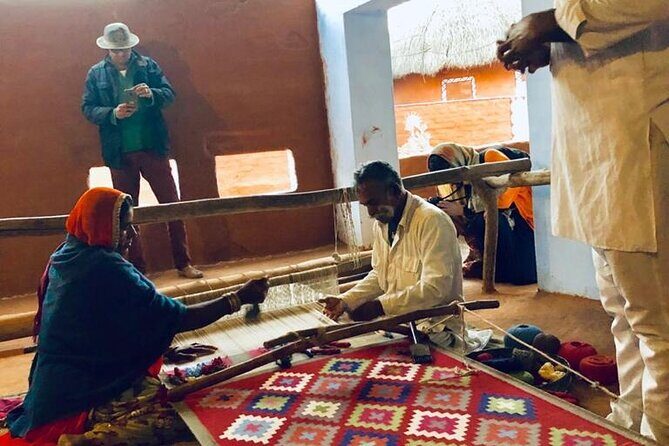
One of the fun parts is that your day may include a peek at artisans at work, depending on the tour. You might meet or observe people such as:
- potters
- jewelers
- miniature painters
- spice vendors
This matters because Jaipur’s craft tradition is part of the city’s story, not just an optional photo stop. When you see someone’s hands doing the work, you suddenly understand why certain markets exist where they do and how local economies formed around specific trades.
Even when you’re not buying anything, watching the process helps you read the city. It gives context to why the bazaars look the way they do and why certain streets are known for particular goods.
Also, some guides include historical stories tied to crafts and local dynasties. The goal isn’t to turn the tour into a lecture. It’s to explain how Jaipur evolved, then point you to what you can see today.
Guides and pacing: why Rajesh, Krishna, and Ali Irfan-style tours work
The biggest difference between a so-so walking tour and a great one is how the guide controls pace and focus. In the guide experience notes, people have praised leaders like Rajesh, Krishna, and Ali Irfan for a mix of local knowledge and an easygoing style. The common theme: they share history and culture without pressuring you into purchases.
That’s exactly what you want in Jaipur markets. When you’re walking through busy lanes, you already have enough temptation and enough noise. You don’t need a guide turning every stop into a sales pitch. A good guide keeps you moving, explains what you’re seeing, and lets you decide.
You’ll also notice the guide gives language and custom tips that make interactions feel less awkward. Small details like how people dress, what certain behaviors mean, or how local rituals fit into everyday life can change your whole comfort level.
If you’re nervous about language barriers, choose a guided group with your preferred language. This tour lists English, Spanish, Russian, German, Japanese, Chinese, and French, which is a big help for getting full value out of the stories.
What to bring, and how to stay comfortable on the route
This tour comes with a simple pack list. I’d follow it closely:
- Comfortable shoes (non-negotiable)
- Hat for sun
- Sunscreen
- Camera
- Water (bottled water is included, but personal extra is fine)
Also note what’s not allowed: smoking. That’s helpful for overall experience quality in street settings.
And keep your expectations grounded. This is a walking experience through older streets and markets. That means you should plan for:
- frequent walking and stopping
- some tight lanes and uneven ground
- sun exposure during market photos and tea breaks
If you’re considering this while traveling with mobility limitations, it’s explicitly not suitable for wheelchair users. Similarly, people with food allergies should skip this one unless you can confirm allergy-safe practices with the provider directly.
Should you book this Jaipur Guided History Walking Tour with Food Tasting?
If you want Jaipur in a compact 3 hours—history, architecture, and food—the answer is yes. This tour makes sense if you’re a first-timer who doesn’t want to guess where to go or what to eat, and you like learning through real neighborhood streets rather than only looking at big-ticket sites.
Book it if:
- you enjoy street food and want a planned tasting route
- you want context for havelis, stepwells, temples, and courtyards
- you’d like a private-group feel with an English-speaking (or other listed-language) guide
Skip it if:
- you use a wheelchair or need an accessibility-first route
- you have food allergies (the tour isn’t suited based on the provided info)
FAQ
How long is the Jaipur guided walking tour with food tasting?
It lasts about 3 hours.
Where does the tour start and where does it end?
The tour starts at New Gate and finishes near the Flower Market area at Choti Chaupar.
What food and drinks are included?
You’ll get food tasting, bottled water, a traditional dessert, and masala chai at local tea shops. Items may include dishes like pyaaz kachori, aloo tikki or chaat, samosa, mirchi bada, plus sweets such as ghewar or rabri, and desserts like kulfi.
What languages are available for the tour guide?
The tour guide is available in English, Spanish, Russian, German, Japanese, Chinese, and French.
Is this a private group or a shared tour?
It’s listed as a private group.
Is it suitable for wheelchair users or people with food allergies?
No. It’s not suitable for wheelchair users, and it’s also not suitable for people with food allergies.