REVIEW · NEW DELHI
Spiti Valley Biking / Backpacking Road Trip 2022
Book on Viator →Operated by Trans Himalaya Travels · Bookable on Viator
Spiti feels remote in the best way. This private 10-day road trip pushes you out of Delhi traffic and into the mountains fast, with private transport, monastery visits, and a mix of short treks and sightseeing. I like that the trip is planned as a real route (not just random stops), so each day builds toward the next dramatic valley.
I especially liked two parts: the chauffeured, door-to-door setup that keeps logistics from stealing your energy, and the hotel-to-homestay mix that fits the region and tends to mean solid, filling meals. In the support team names that come up most often, you’ll hear Amrita, Ajay, and Gaurav—the kind of coordinators you want when roads, timings, or small problems pop up.
One drawback to consider: you’re on the road a lot, including overnight Volvo bus segments and long mountain drives between villages. If you get motion sick easily or hate early starts, plan for it (and remember altitude can also slow you down).
In This Review
- Key highlights at a glance
- From Delhi to Shimla on an overnight Volvo reset
- Sangla Valley and Chitkul: getting that Himalayan feeling early
- Kalpa: apple orchards, snowy-peak views, and a real overnight rhythm
- Nako Lake and Tabo Monastery: the Spiti “inside track”
- Kaza basecamp days: Kibber, Chicham Bridge, Key Monastery
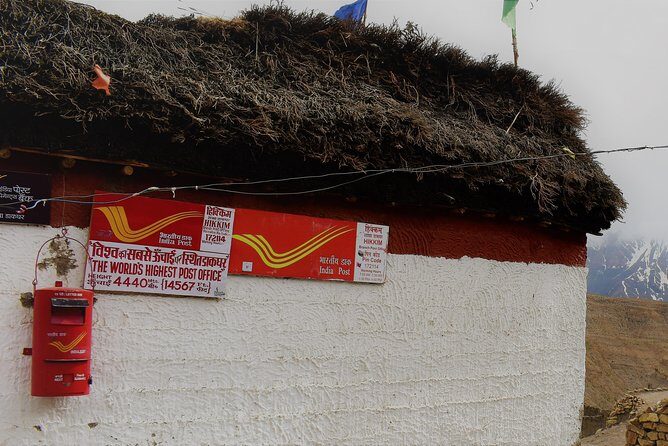
- Komic, Hikkim, and Langza: highest-post-office energy
- The return route via Kalpa and Rampur: spiritual stop + mountain-town vibe
- Shimla finale: Tani Jubbar Lake, Mall Road, and classic church stops
- Price and logistics: what $390.20 buys you (and what it doesn’t)
- What the private format changes for your day
- Who should book this Spiti Valley road trip?
- Should you book it?
- FAQ
- What does the tour include for meals and accommodation?
- Do I travel in a private vehicle?
- Where do we start and what time?
- Where do we end?
- How long is the trip?
- Are entrance fees included for monasteries and attractions?
- What kind of fitness level do I need?
- Is this tour shared with other people?
- What if weather is poor?
- What is the cancellation window for a full refund?
- Is GST included in the price?
Key highlights at a glance
- Private vehicle with a designated driver for an actually flexible day
- Overnight Volvo bus to get you out of Delhi and up to Shimla efficiently
- Spiti monasteries and villages like Tabo, Key, Kibber, Langza, Komic, and Hikkim
- High-altitude lake moments at Nako Lake (plus the Tani Jubbar Lake finale)
- Kalpa apple orchards and mountain towns on the way back
- Support from coordinator teams including Amrita, Ajay, and Gaurav in the operator network
From Delhi to Shimla on an overnight Volvo reset
The trip starts with an overnight transfer from Delhi toward Shimla, using a Volvo bus. It’s not glamorous, but it’s efficient. You’re buying time: instead of burning daylight on the road, you wake up already closer to your mountain route.
You meet at Studifysuccess12, RamaKrishna Ashram Marg, Sector C, Gole Market in New Delhi, with a start time listed at 6:30 am. That early timing matters because once you’re in the hills, every delay has a domino effect.
Practical tip: bring layers you can manage while moving. Even if the days feel calm, mornings and evenings can turn cool quickly in this part of India.
You can also read our reviews of more cycling tours in New Delhi
Sangla Valley and Chitkul: getting that Himalayan feeling early
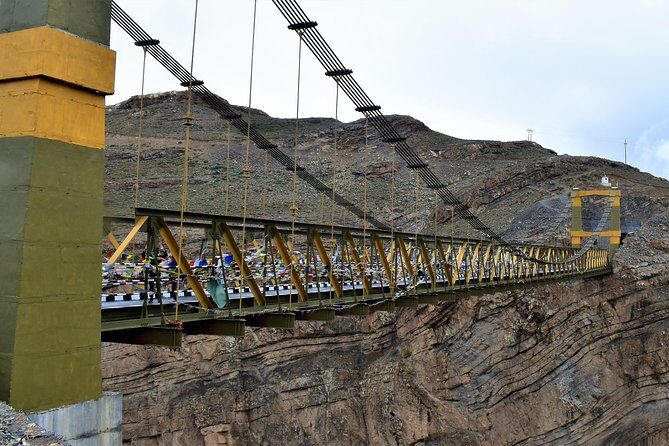
After Shimla, the drive continues toward Sangla Valley, crossing the Baspa River as you enter. This is a good “warm-up” day—enough riding to feel the mountains, but not so far behind the first curve of the trip that you’re exhausted.
Sangla is a great place to get your bearings: villages, river energy, and roads that slowly start looking less like highways and more like cliffside routes with big views waiting around bends.
Then you hit Chitkul, described as the second last village of India after Tibet. Chitkul’s appeal in the provided plan is very specific: in summer, wild roses can bloom there, and you get sweeping mountain presence all around. It’s the kind of stop where you’ll want to linger, just to let the place sink in.
Kalpa: apple orchards, snowy-peak views, and a real overnight rhythm
The itinerary uses Kalpa as a key overnight point—both while heading into Spiti territory and again on the way back. In the description, Kalpa is praised for mountain views across the valley and for being known for apple orchards.
I like this kind of repeat stop on road trips. It gives you a mental reset. You’re not only checking boxes; you’re living inside the rhythm of the route: drive, settle, eat, and sleep in a place that matches the season.
If you’re someone who enjoys small-town pacing, Kalpa is a welcome shift from monastery days and long drives. If you’re chasing constant movement, you might feel you want more time in the villages you pass through. Either way, the overnight matters because it helps you avoid treating Spiti like a day-trip checklist.
Nako Lake and Tabo Monastery: the Spiti “inside track”
Next the trip pushes higher and more remote, using Nako as a stop before reaching Kaza via Tabo Monastery. The highlight here is the Nako Lake moment—small enough to feel personal, but high enough to feel like you left the world behind.
Then comes Tabo Monastery. The plan flags it with admission included, which usually means you’re not hunting around last-minute for tickets or permissions. Monasteries in Spiti aren’t just sightseeing; they’re cultural centers tied to how people live at altitude. Even on a tight schedule, the visit gives you context for why these settlements endure.
A practical consideration: monasteries are calmer than roads. You might spend more time standing still here than you expect. Bring a light jacket and something for sun (a hat helps a lot).
Kaza basecamp days: Kibber, Chicham Bridge, Key Monastery
From Kaza, the route fans out toward Kibber and Chicham Bridge, with Key Monastery included on the way. In the plan, the direct distance from Kaza to Chicham is mentioned as about 25 km, but the real idea is that you don’t just rush through. You visit Key Monastery first, then move on toward the villages and bridge viewpoints.
Two standout notes here:
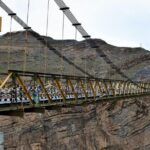
- Chicham Bridge is described as Asia’s highest bridge, which is the kind of landmark claim that makes people stop and stare.
- Kibber acts like a scenic village pause that helps break up the drive and transition you from Kaza into the high-altitude village zone.
The best part of routing like this is pacing. You get a monastery, then a village feeling, then a big wow structure. If you try to do all of that without a plan, you end up with rushed photos and no breathing space.





Komic, Hikkim, and Langza: highest-post-office energy
Days around Kaza also include stops such as Komic, Hikkim, and Langza. The plan describes a sequence: going from Kaza toward Komic (not far from Langza by distance), passing through Hikkim and then continuing to Langza.
Two claims in the itinerary are worth holding onto because they shape what you’ll notice once you’re there:
- Hikkim has the highest post office in the world (as stated in the route description).
- Komic is called the world’s highest village connected with a motorable road.
I love stops like this because they give you a feeling for how everyday life adapts to height. You’re not just watching rocks and rooftops—you’re seeing human routines squeezed into thin air.
Drawback to consider: those altitude-adjacent villages can make you move slower. Plan on short walks, slow photo stops, and taking breaks. If your group expects marathon hiking, you might feel a mismatch. This tour is set up for moderate fitness and sightseeing that mixes in treks, not for extreme, all-day endurance.
The return route via Kalpa and Rampur: spiritual stop + mountain-town vibe
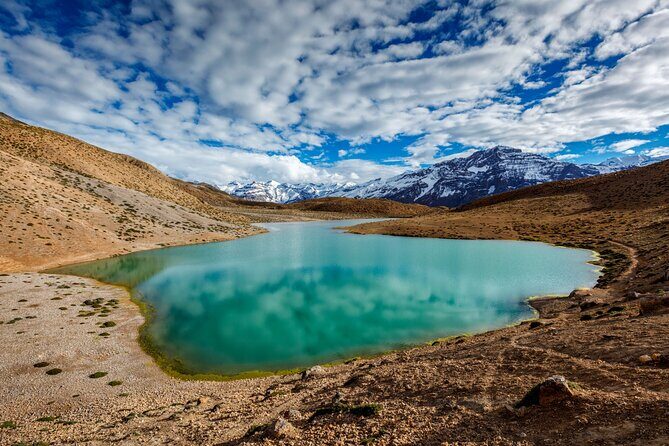
After the Spiti-core days, the trip heads back toward Kalpa for another night. This supports the idea that you’re not only traveling out; you’re also giving yourself time to absorb the return journey. Kalpa’s apple-orchard identity still fits here, and you can usually feel that the pace shifts from “Spiti circuit” intensity to calmer mountain exploration.
Then you visit Shri Bhima Kali Ji Temple. The plan describes the temple as dedicated to mother goddess Bhimakali, and it notes her role as the presiding deity of rulers of Rampur (former Bushahr State). It’s a nice contrast to Buddhist monastery days because it broadens what you experience religiously in the region.
After the temple, the route continues toward Rampur and Saharan for an overnight stay. Since the data doesn’t spell out a lot of fine detail for those towns, your best move is to treat it as a stop that resets your energy before the Shimla finale.
Shimla finale: Tani Jubbar Lake, Mall Road, and classic church stops
On the last main day, you head toward Shimla, including sightseeing stops listed with admission included or free. The itinerary highlights Tani Jubbar Lake and then classic Shimla spots such as:
- Shimla Mall Road
- Christ Church
- Gaiety Heritage Cultural Complex
This part matters because it changes the feel of the trip. You go from high-altitude Spiti villages and monasteries into a more mainstream hill-town atmosphere—cafes, promenades, and that busy-at-a-different-level Shimla vibe.
Then you return to Delhi by overnight Volvo bus, dropped at Kashmere Gate ISBT on the final day.
If you want one strategy for the last day: keep your shopping light. It’s easy to burn time on gifts and snacks, and you’ll want energy for the overnight bus.
Price and logistics: what $390.20 buys you (and what it doesn’t)
At $390.20 per person for an approximately 10-day private package, the value depends on what you normally spend when you plan mountains yourself.
Here, the big value is not one thing—it’s the combination:
- Private transportation door to door in your own vehicle with a designated driver
- Accommodation for 7 nights
- Breakfast (8) and dinner (7) included
- Admission shown as included or free for several key stops
- A named style of support through coordinators and driver assistance
The main “cost surprise” to watch is what’s not included: GST and any expenses not listed. Also, the tour explicitly notes that if natural calamities or uncontrollable circumstances hit, extra costs can happen.
Another logistics reality: this is a mountain road trip with overnight transport. That’s part of the pricing logic. You’re paying to compress distances, reduce planning, and get help when schedules shift.
What the private format changes for your day
A private tour like this is built for people who don’t want to babysit a group timetable. You’re moving as your own unit, which is a huge benefit in Spiti where roads can be slow and delays can be normal.
A big theme that shows up in the support approach: coordinators like Amrita, Gaurav, and Ajay are described as being responsive. You still need to do your part—like carrying water, staying flexible, and giving yourself rest—but having quick help can turn a headache into a minor adjustment.
Also, this is described as a package with treks and sightseeing mixed together. That matters because you’re not only driving past places. You’re meant to stop, walk a bit, and see the monasteries and villages as living communities, not just photo points.
Who should book this Spiti Valley road trip?
You’ll be happiest with this trip if:
- you want private driving support in remote regions
- you enjoy monasteries and village culture, not just scenery
- you’re okay with mountain pacing and a moderate fitness level
- you like the rhythm of hotel + homestay style stays
You might want to rethink if:
- you want a purely biking-focused itinerary with lots of on-bike time (the plan emphasizes driving and sightseeing stops)
- you hate overnight bus travel and long road days
- your group expects constant activity every hour with no slower moments at altitude
Should you book it?
I’d book this Spiti Valley road trip if your priority is a well-run route with strong day-to-day support and you want Spiti’s highlights—Kaza, Nako, Tabo, Kibber, Komic/Hikkim/Langza—without trying to engineer every turn yourself. The included meals and the mix of stays add real comfort value, especially because the days involve plenty of riding.
I’d also book it with one mindset: treat it like a mountain expedition by vehicle. You’re trading some freedom to a fixed plan for the benefits of less stress and more time to enjoy stops. If that trade feels right for you, this is a strong way to do Spiti on a realistic schedule.
FAQ
What does the tour include for meals and accommodation?
The package includes accommodation for 7 nights, plus breakfast on 8 days and dinner on 7 days.
Do I travel in a private vehicle?
Yes. You ride in a private vehicle with a designated driver, and only your group participates.
Where do we start and what time?
The start is listed at Studifysuccess12, RamaKrishna Ashram Marg, double storey, Sector C, Gole Market, New Delhi. Start time is 6:30 am.
Where do we end?
On the last day, the Volvo service drops you at Kashmere Gate ISBT, Delhi.
How long is the trip?
Duration is listed as approximately 10 days.
Are entrance fees included for monasteries and attractions?
The itinerary lists some stops with Admission Ticket Free and others with Admission Ticket Included, so it depends on the specific stop.
What kind of fitness level do I need?
It says travelers should have a moderate physical fitness level.
Is this tour shared with other people?
No. It is a private tour/activity, so only your group participates.
What if weather is poor?
The experience requires good weather. If it’s canceled due to poor weather, you’ll be offered a different date or a full refund.
What is the cancellation window for a full refund?
You can cancel up to 3 days in advance for a full refund, and you must cancel at least 3 full days before the experience’s start time.
Is GST included in the price?
GST is not included.