REVIEW · NEW DELHI
11 Days Private Tour of Char Dham Yatra from Delhi by Car
Book on Viator →Operated by ARYABHATT TOUR AND TRAVELS · Bookable on Viator
One holy circuit plus a comfy private car route can feel oddly calming. This 11-day Char Dham Yatra private tour is built around driving between sites, sleeping in camp or hotel, and keeping the pilgrimage moving at a human pace. You’ll visit the core shrines—Yamunotri, Gangotri, Kedarnath, and Badrinath—with optional pony, palki, or helicopter rides at extra cost.
I especially like how the schedule mixes major temples with stops that make the drive itself meaningful, like Haridwar’s riverside rituals and Mussoorie’s Kempty Fall. I also like that breakfast and dinner are included (nine each), so you’re not constantly making daily food decisions when you’re tired and altitude routes are demanding.
The one drawback to weigh up front: key legs involve real walking (for Kedarnath it’s a 20 km one-way trek from Gaurikund), and the quick-fix options like helicopter/pony/palki are not included, so your total spending can rise if you choose them.
In This Review
- Key highlights worth your attention
- The big idea: completing Char Dham with less friction
- Delhi to Haridwar: temples, then Ganga Aarti at Hari Ki Pauri
- Mussoorie stop on the way to Barkot: a break from the drive
- Getting to Yamunotri via Jankichatti: 7 km trek or pony ride
- Uttarkashi and the Vishwanath Temple Trishul moment
- Gangotri from Harsil: walking in, then a sacred Ganga dip
- Guptkashi: the quieter gear-shift day
- Kedarnath day: 20 km one-way trek (and the options if needed)
- Sitapur rest and puja before Badrinath
- Badrinath: temple night visit after a long drive
- Rishikesh finale: temples in the morning, then back to Delhi
- Price and logistics: what you’re paying for (and what costs extra)
- Service style: private doesn’t mean lonely
- Who this tour is best for (and who should think twice)
- Should you book this private Char Dham Yatra from Delhi?
- FAQ
- FAQ
- What is the duration of this Char Dham Yatra tour?
- Where does the tour start and how do I get picked up?
- How much does the tour cost?
- Which holy sites are included in the Char Dham circuit?
- What is included in the price?
- Is lunch included?
- How do you reach Yamunotri from Jankichatti?
- How do you reach Kedarnath from Gaurikund?
- Are the helicopter, palki, or pony rides included?
- What is the cancellation policy?
Key highlights worth your attention
- Private door-to-door transport from Delhi with pickup arranged around your arrival time and location
- Most meals included (9 breakfasts and 9 dinners) with bottled water along the way
- Ganga Aarti in Haridwar at Hari Ki Pauri, timed for sunset
- Multiple shrine access options for Yamunotri and Kedarnath (trek vs pony/palki/helicopter, extra cost)
- A realistic, pilgrimage-focused pace that doesn’t just hustle you between gates
The big idea: completing Char Dham with less friction
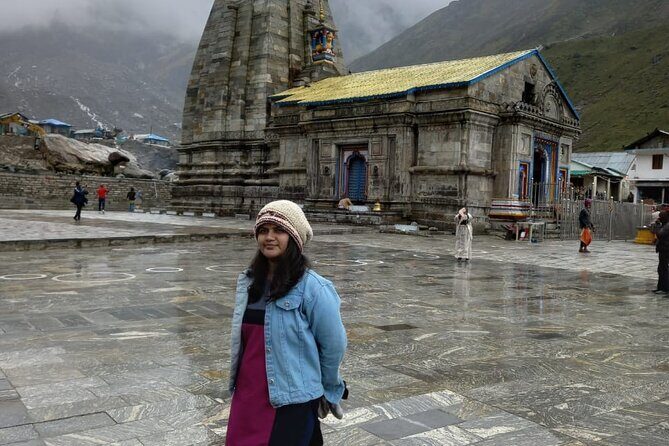
Char Dham Yatra is about completing a spiritual loop in Uttarakhand: Yamunotri, Gangotri, Kedarnath, and Badrinath. Hindus believe finishing this circuit helps cleanse sins, so the trip carries emotional weight for many people.
What makes this tour practical is that it’s structured for movement without chaos. You get a private car, you sleep in camp or hotels, and you’re guided through the “how do I get there?” parts—especially on the route legs that can otherwise feel confusing when you’re traveling with family or not sure about timing.
Just know the goal here isn’t luxury sightseeing. It’s pilgrimage logistics done with comfort where possible—then walking where it’s part of the experience.
You can also read our reviews of more private tours in New Delhi

Delhi to Haridwar: temples, then Ganga Aarti at Hari Ki Pauri
You start by meeting your driver in Delhi—at the railway station, airport, or your own stay—then heading to Haridwar. After check-in, you’re taken to Mansha Devi Temple, which sets a devotional tone early.
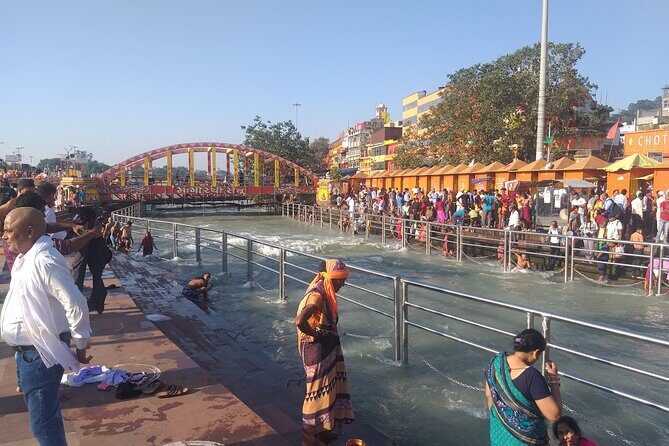
Later, you visit Hari Ki Pauri, the famous ghat on the Ganges, and you get to experience the sunset Ganga Aarti, when priests perform the ritual and devotees flick diya offerings into the river. That scene is one of those “even if you’re not super religious, you still feel it” moments. The riverfront is alive with meaning, and it helps you shift from travel mode into pilgrimage mode fast.
Mussoorie stop on the way to Barkot: a break from the drive
The next morning includes an early start with a Ganga river deep bath before breakfast and check-out. Then the drive heads toward Barkot, with Kempty Fall in Mussoorie as a stop along the way.
This is a clever pacing choice. You’re not going straight into shrine days back-to-back. Instead, you build in a scenic break, which matters because the next segment—Yamunotri—has trekking choices and a spiritual schedule you’ll want to have energy for.
When you arrive in Barkot, you check in to a camp or hotel (depending on what’s arranged), then rest.
Getting to Yamunotri via Jankichatti: 7 km trek or pony ride
Yamunotri is where many people feel the Yatra “become real.” You drive to Jankichatti, then continue to Yamunotri Dham by either trekking 7 km or taking a pony ride.
Once you reach the shrine area, you have the chance to take a holy dip in the river and do puja/ritual ceremonies. For people who like having a structured “step-by-step” day, this is a good match: clear departure, clear arrival point, and a defined window for rituals.
Practical consideration: if you choose trekking, plan for stamina. If you choose pony, budget extra and go in with the mindset that this is a paid convenience, not included in the base package.
Afterward, you return to Barkot for overnight.
Uttarkashi and the Vishwanath Temple Trishul moment
From Barkot, the route moves to Uttarkashi, where you check in and get time to rest before evening temple time. The highlight here is Vishwanath Temple, dedicated to Lord Shiva.
The temple’s standout feature is a huge trishul described as 6 meters tall, and there’s an attention-grabbing story around it: the trishul is said to vibrate when you apply pressure with your finger, even though you can’t move it with your body force. Whether you take the myth literally or just enjoy the legend, it creates a memorable stop—and it’s the kind of local temple detail you’ll remember long after the car ride.
Overnight is at a hotel in Uttarkashi.



Gangotri from Harsil: walking in, then a sacred Ganga dip
Next up is Gangotri, reached via Harsil. You drive to Harsil, then walk to the temple and the Ganga river area. Once you reach, you can take a holy dip and do darshan.
This leg is dedicated to Goddess Ganga, and the river here is also connected to the name Bhagirathi. There’s also an option for Pind Dan at Gangotri if you want it—worth noting because some circuits mention rituals in passing, while this one explicitly offers that possibility.
Then you drive back to Uttarkashi for your overnight stay.
A balanced tip: keep your expectations flexible here. The walking is part of the day, so pace yourself. If you’re traveling with older family members, consider whether your group can handle these segments without rushing.
Guptkashi: the quieter gear-shift day
After Uttarkashi, the schedule moves to Guptkashi. Day 6 is lighter in structure: you check out, drive to Guptkashi, check in at a hotel, and overnight.
This matters more than it sounds. After Yamunotri and Gangotri, you’ve spent multiple days on early starts, drives, walking, and rituals. Having a calmer transition day helps you save energy for Kedarnath, which is the toughest and most physically demanding part of the circuit in this plan.
Kedarnath day: 20 km one-way trek (and the options if needed)
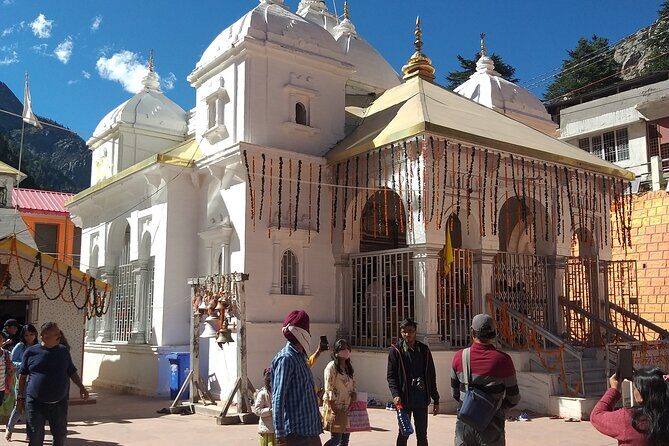
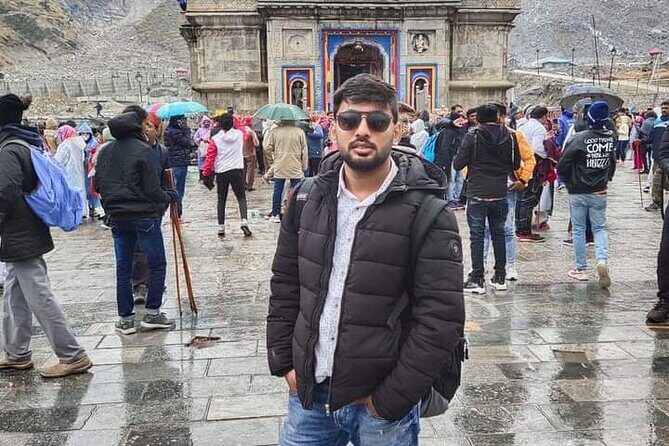
Kedarnath is the emotional center for many people on this route, and this tour makes it achievable by giving you choices. You go toward Gaurikund, then the journey continues to Kedarnath with options.
The plan describes Sitapur – Gaurikund – Kedarnath (20 km trek one way). From Gaurikund, you can trek, or choose a pony ride, palki, or helicopter—with helicopter and pony/palki charges listed as extra cost.
Once you arrive, you rest and then do darshan of Baba Kedarnath, described as Lord Shiva. You also get overnight at Kedarnath.
What I’d tell you plainly: this is the day to be honest about your body and your group. If trekking 20 km one way isn’t realistic, the fact that the tour lays out paid alternatives is valuable. But if you’re going to trek, plan for a long physical push and keep your timing calm—especially since it’s a shrine with a lot of people during pilgrimage season.
Sitapur rest and puja before Badrinath
After Kedarnath, the next day focuses on returning toward Sitapur. The schedule includes doing puja and coming back from Gaurikund by trek or paid options (pony/helicopter), then arriving and checking into hotel at Sitapur. You’re left with leisure time and then overnight.
This part of the route is a breathing space. You’ve done the big-ticket trek, and now you’re allowed to reset rather than jumping into another major climb immediately.
Think of it as the “recharge” day. If you treat it that way—good food, enough rest, calm pacing—it makes Badrinath feel more rewarding instead of just like the next box to tick.
Badrinath: temple night visit after a long drive
Badrinath comes with a direct drive from Sitapur, and you check in on arrival. In the evening or at night, you visit the Baba Badrinath Temple.
This shrine is dedicated to Lord Vishnu and is connected with both Char Dham and Chota Char Dham. The tour keeps your focus on darshan rather than turning it into a sightseeing marathon, which I like. For pilgrimage travel, that’s often the right balance.
Overnight is at a hotel.
Rishikesh finale: temples in the morning, then back to Delhi
You finish with Rishikesh. The plan includes early morning darshan/puja at temples, then breakfast and check-out, followed by driving to Haridwar or Rishikesh for overnight.
On the final day, you visit Ram Jhula and Parmath Ashram, plus additional temples in the area. After this, you drive back to Delhi and your driver drops you at the airport, railway station, or your hotel.
This closing segment is a nice “soft landing.” After days of shrine travel, Rishikesh lets you step into a calmer spiritual atmosphere before you hit Delhi traffic again.
Price and logistics: what you’re paying for (and what costs extra)
The price is $880 per person for an approximately 11-day private tour from Delhi by car. That number matters less than what’s inside it, so here’s the practical breakdown.
Included:
- Private transportation
- Bottled water
- All fees and taxes
- Breakfast (9) and Dinner (9)
Also included:
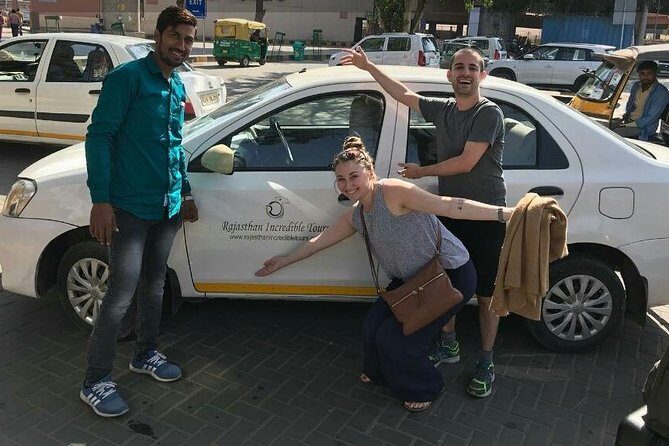
- Pickup is offered in Delhi (driver meets you at the railway station, airport, or your stay).
- A mobile ticket is provided.
- There are group discounts.
Not included (so budget ahead):
- Lunch
- Helicopter ticket
- Palki or pony charges
So the real value question is: do you want a private, guided pilgrimage with meals handled, while paying extra only for the optional transport upgrades? If that matches your style, this tour can feel like good value because you reduce decision-making on physically tiring days.
If you know you’ll want helicopter/pony/palki repeatedly, ask yourself how much that will add before you lock in. The base price covers the core circuit travel and meals, but those shortcuts are clearly priced as add-ons.
Service style: private doesn’t mean lonely
One of the most reassuring bits from the provided feedback is that the team gives support and travel tips over the phone. For a route like this, that kind of practical guidance can save you from last-minute confusion—especially when you’re choosing between trekking and paid alternatives.
I also like that this is positioned as a true private experience: only your group participates. That matters for family groups who want the same pace and fewer waiting surprises.
Who this tour is best for (and who should think twice)
This is a strong fit if you want:
- A private car from Delhi and a planned pilgrimage flow
- Meals largely included so you’re not hunting for food every day
- Shrine access with clear options for Yamunotri and Kedarnath (treating paid alternatives as backup)
It may be a tougher fit if:
- Your group can’t handle walking days. The Kedarnath leg is described as a 20 km one-way trek from Gaurikund, and Yamunotri includes a 7 km trek option.
- You’re relying on included pricing only. Lunch and the helicopter/pony/palki extras aren’t part of the package.
Should you book this private Char Dham Yatra from Delhi?
Book it if you want the Char Dham circuit without the stress of stitching together transport, lodging type (camp or hotel), and most meals on your own. The structure helps, especially if this is your first Yatra or your group has mixed walking comfort.
Don’t book yet if you’re unsure how you’ll manage the longer trek days, or if you expect to take paid helicopter/pony/palki rides often enough that the total cost will climb significantly. In that case, figure out your likely choices for Yamunotri and Kedarnath before committing.
FAQ
FAQ
What is the duration of this Char Dham Yatra tour?
It runs for about 11 days.
Where does the tour start and how do I get picked up?
The tour is from New Delhi, and pickup is offered. The driver meets you at the Delhi railway station or airport or at your own stay.
How much does the tour cost?
The price is $880.00 per person.
Which holy sites are included in the Char Dham circuit?
You visit Yamunotri, Gangotri, Kedarnath, and Badrinath, along with other sacred stops such as Haridwar and Rishikesh.
What is included in the price?
Private transportation, bottled water, all fees and taxes, and breakfast (9) and dinner (9).
Is lunch included?
No, lunch is not included.
How do you reach Yamunotri from Jankichatti?
From Jankichatti, you can trek 7 km or take a pony ride to reach Yamunotri. The pony ride is an added charge.
How do you reach Kedarnath from Gaurikund?
The plan includes a 20 km one-way trek. You can also choose pony ride, palki, or helicopter, but those have extra charges.
Are the helicopter, palki, or pony rides included?
No. Heli ticket and any palki/pony charges are not included.
What is the cancellation policy?
This experience is non-refundable and cannot be changed for any reason. If you cancel or request an amendment, your payment is not refunded.