REVIEW · NEW DELHI
Old Delhi: Spices, Heritage and Bazaars Walking Tour
Book on GetYourGuide →Operated by Discover Activitis · Bookable on GetYourGuide
Old Delhi has a smell you can’t forget. This 3-hour small-group walk threads history, spices, and everyday market life from Jama Masjid through Chandni Chowk to Khari Baoli. You’ll get a guide-led route that helps you navigate fast, without getting lost in the noise.
Two things I like a lot: the route is built around real market districts (Meena Bazaar, Chandni Chowk, Khari Baoli), and the spice portion is practical—you learn what you’re actually looking at, not just which spice is which. The optional Jama Masjid visit also lets you match your time and comfort level.
One thing to plan for: you’ll be on foot in narrow lanes, and mobility issues or pregnancy make this one a poor fit. Also, no large luggage is allowed, so travel light.
In This Review
- Key highlights worth your time
- Getting your bearings at Jama Masjid Metro Gate 1
- Jama Masjid: Optional INR 450 entry, big-town views either way
- Meena Bazaar and Chandni Chowk: from Mughal trade to today’s everyday vendors
- Khari Baoli: Asia’s big spice market and the scent education
- Havelis and old residential heritage in the maze of lanes
- Goldsmith artisans: Mughal-era craft life, not just souvenirs
- Pace, photos, and how the small group actually helps
- Price and value: $13 for a focused Old Delhi hit
- Who should book this Old Delhi walk, and who shouldn’t
- Should you book this Old Delhi Spices, Heritage and Bazaars tour?
- FAQ
- Where do I meet the guide for the Old Delhi spices and bazaars walking tour?
- Is entry to Jama Masjid included?
- How long is the tour, and how many people are in the group?
- What’s included in the price?
- Is food or drinks included?
- Is this tour suitable if I have mobility issues or I’m pregnant?
Key highlights worth your time
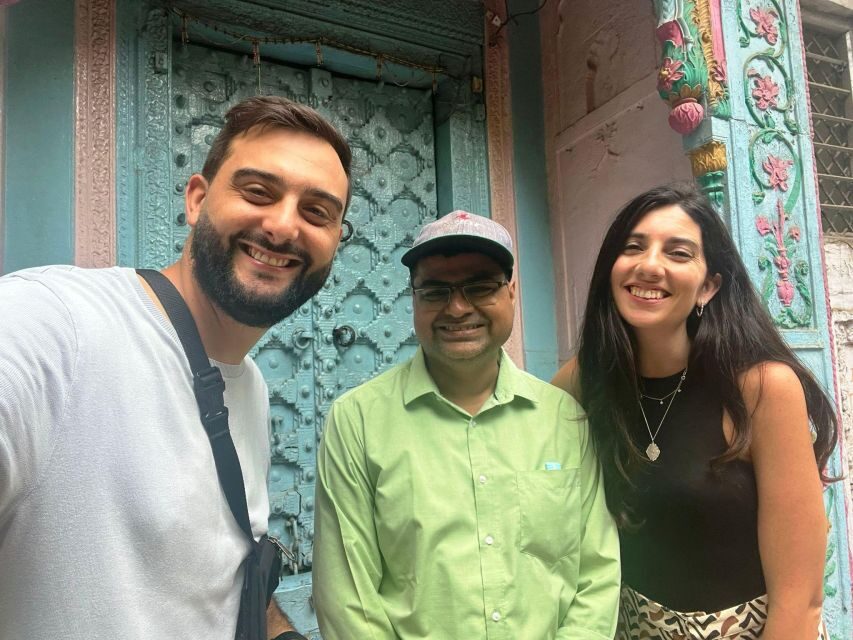
- 400-year-old Jama Masjid views from the best angles, with optional INR 450 entry
- Khari Baoli spice market trail with wholesaler warehouses and spice “display” bags
- Chandni Chowk market storytelling tied to Mughal-era trade and today’s commerce
- Havelis and craft lanes that show Old Delhi’s residential heritage, not just storefronts
- Mughal-era goldsmith neighborhood where artisan life has a long timeline
- Small group of up to 7 with an English-speaking guide, so questions don’t get lost
Getting your bearings at Jama Masjid Metro Gate 1
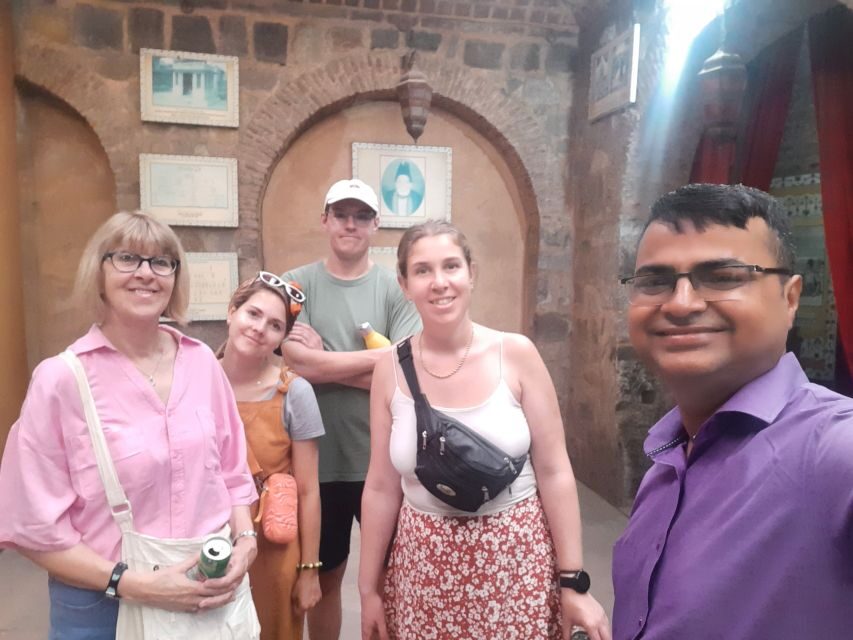
The tour starts in a very Delhi way: meet at Exit Gate No 1 of Jama Masjid Metro Station. If you’re coming by Uber, use the provided Google pin so you’re not wandering around the wrong side of the street. The organizer also strongly emphasizes sending your WhatsApp/cell number at booking, because the guide will coordinate if you’re a few meters off.
I like this setup because it saves time. In Old Delhi, 10 minutes of miscommunication can turn into 40 minutes of stress. The tour is designed so you can get moving quickly, with a short briefing before the walking starts.
You can also read our reviews of more walking tours in New Delhi



Jama Masjid: Optional INR 450 entry, big-town views either way
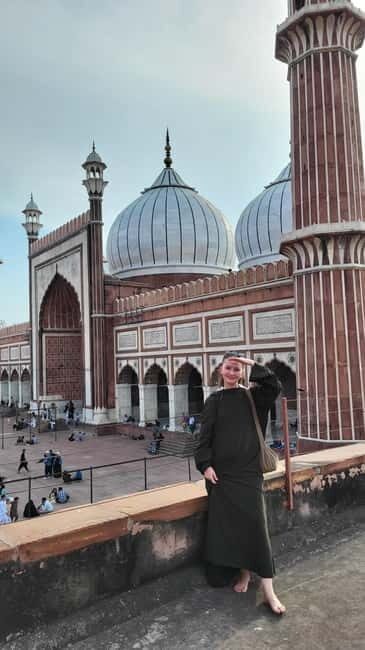
Jama Masjid is the headline stop, and you’ll see it up close early on. The walk includes a guided portion (about 30 minutes) that helps you understand what you’re looking at. The guide also uses the route to give you a sense of the old town scale—tight streets, dense neighborhoods, and the mosque as a visual anchor.
Here’s the key detail: entering Jama Masjid is optional. The entrance fee is INR 450 per person, and if you don’t want to go inside, you can still get a photo stop from outside. Either way, the view of the Old Delhi rooftops and the city layout is the point.
If you’re thinking about whether to pay the fee, use your energy as the guide. If you’re comfortable with crowds and mosque visits, go in. If you prefer photos and stories from the outside, you won’t feel like you missed the tour’s best part.
Meena Bazaar and Chandni Chowk: from Mughal trade to today’s everyday vendors
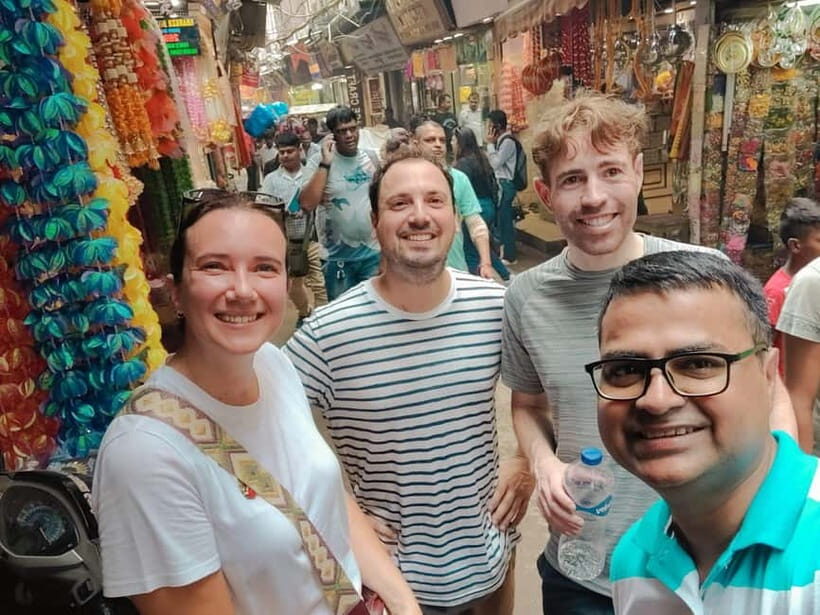
After Jama Masjid, the route takes you into the market web around Meena Bazaar. The tour frames it in a way that actually helps: this was once associated with imperial-level trade (think precious gems in the Mughal era), but now it’s more about everyday goods for ordinary shoppers.
That context matters. When you understand that Old Delhi commerce has layers, you stop expecting the past to look like a museum. You start seeing how the same streets can support different needs across centuries.
The next major stop is Chandni Chowk, with about 45 minutes of guided time. You’ll walk through dense lanes linked to the old bazaar economy, and the guide explains what makes these markets work—how shops are positioned, what people buy, and why the streets feel the way they do. You’ll also get time to pause for photos and to ask questions, which helps if you’re new to Indian market etiquette.
Khari Baoli: Asia’s big spice market and the scent education
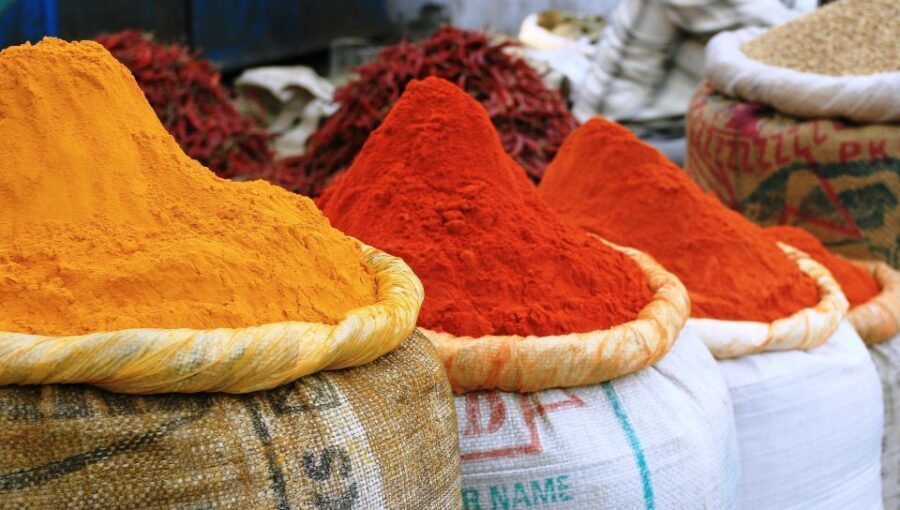
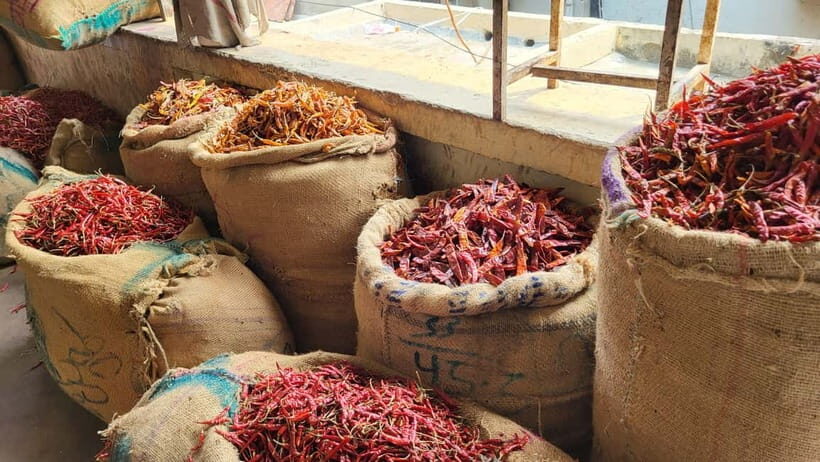
This is the sensory core of the tour: the Khari Baoli spice market. The route pushes you into wholesale zones and spice warehouses, so you’re not just sampling tiny retail displays. You’ll see spice merchants negotiating deals, and you may notice big bags cut open for display—this is where the air itself changes.
The tour experience here is more educational than you might expect. You get a briefing in an old spice depot/storehouse on famous Indian spices and how they’re used. It also gives you a reality check: spices that feel cheap at home can be expensive once you factor in trade, sourcing, and processing—Old Delhi explains the pricing logic behind what ends up in your kitchen.
This stop lasts around 30 minutes, but it feels longer because your senses keep pulling you in different directions. If you hate strong smells, consider it a personal tolerance test. If you love the idea of learning what you’re buying before you buy it, this is exactly the right place to slow down.
Havelis and old residential heritage in the maze of lanes
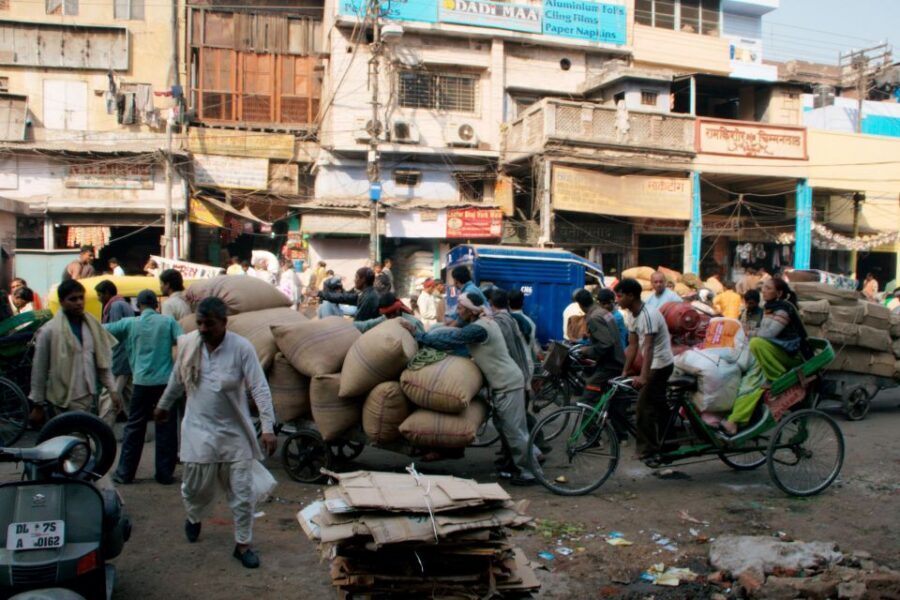
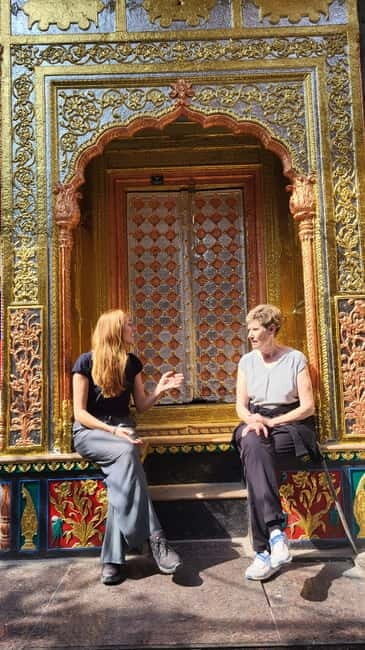
One of the best surprises on this walk is that it’s not only temples and markets. You’ll spend time moving through meandering lanes where the guide points out heritage houses (havelis)—traditional homes with distinct designs that show Old Delhi’s architecture beyond the bazaar facades.
This matters because “heritage” can turn into a boring word unless you connect it to daily life. Havelis remind you that Old Delhi isn’t only street commerce. People lived (and in some cases still live) close to the places where trade happens, which is why the neighborhoods feel so intertwined.
You’ll also get a sense of why the “maze” feeling is part of the city’s identity. Instead of fighting the lanes, you learn how to read them—where the crowds gather, how sound travels, and where sightlines open up.
You can also read our reviews of more historical tours in New Delhi




Goldsmith artisans: Mughal-era craft life, not just souvenirs
The tour highlights an ancient neighborhood of goldsmith artisans tied back to Mughal-era living. This is a smart inclusion because it gives you a third angle on Old Delhi: not only religious power (Jama Masjid) and trade (Chandni Chowk and Khari Baoli), but also craft and skilled labor.
This portion helps you shop differently. If you understand how artisan work fits into a community that’s been there for generations, you stop treating jewelry and metalwork as instant tourist buys. You start asking practical questions—what’s made here, what’s imported, and what the shops actually do for the local economy.
Pace, photos, and how the small group actually helps
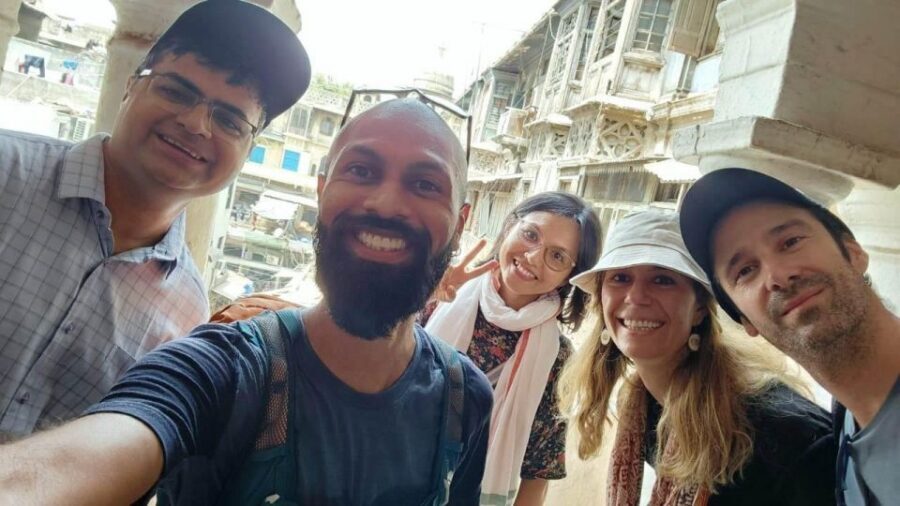
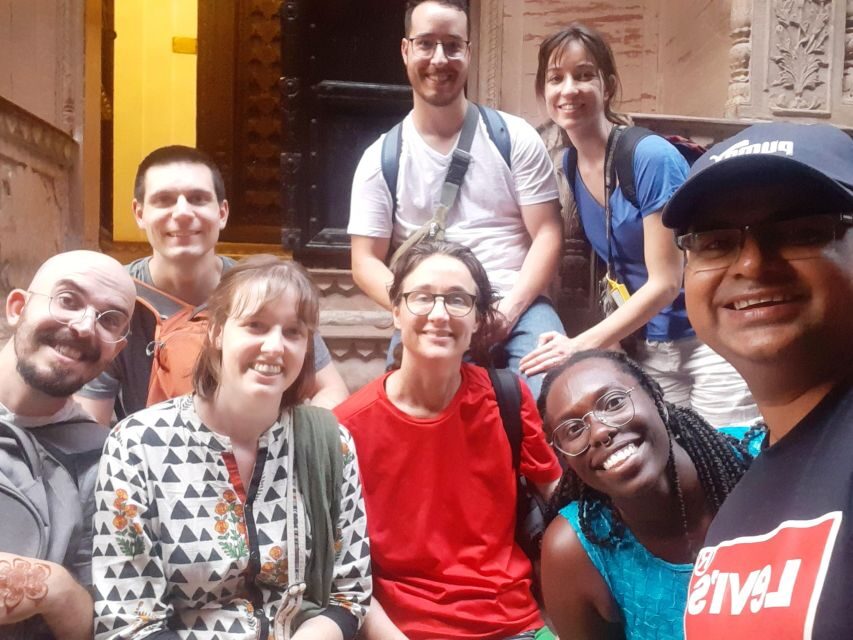
The tour runs about 3 hours and is limited to 7 participants. That small size shows up in the pace: you’re moving through tight spaces without losing the guide every 30 seconds. It also means questions don’t get brushed aside when the group is curious.
You should expect lots of walking. This is not a sit-down tour, and it’s not built for slow mobility. The route is also tight enough that the provider sets a clear rule: no luggage or large bags. A small daypack is the practical choice.
Photo-wise, plan on stops rather than expecting a single “perfect shot.” Jama Masjid gives you the big view, while the spice warehouses and old lanes give you textures—signs, hands, materials, and the way shops present goods.
Price and value: $13 for a focused Old Delhi hit
At $13 per person for a 3-hour, small-group, English-guided walk, this is a strong value if you want the essentials done well. You’re paying for navigation, context, and access to market areas that are hard to interpret on your own.
What’s included is simple: a knowledgeable local guide plus one mineral water bottle per person. Food and drinks are listed as not included, so if you want meals, plan to pay separately. That said, the tour experience strongly centers on chai and market tastings as part of the day’s flow, so you may still feel fed. Just don’t assume a full meal is covered.
Also, entrance logistics matter. The tour mentions express security check, which can help when you’re trying to keep the day from turning into a queue marathon.
Who should book this Old Delhi walk, and who shouldn’t
This tour is best for you if you want a practical Old Delhi experience: markets you can understand, a spice segment that teaches, and a guide who helps you behave in places where locals live and work—not just where tourists pass through.
It’s not suitable if you need mobility accommodations or if you’re pregnant. The walking and lane conditions simply aren’t built for that.
If you’re traveling solo, small groups can be a big plus. It’s easier to ask direct questions and feel oriented when you’re not doing everything alone.
Should you book this Old Delhi Spices, Heritage and Bazaars tour?
Book it if you want Old Delhi with structure: Jama Masjid (optional paid entry), Chandni Chowk, Khari Baoli spices, and the craft lanes around artisans and havelis. The $13 price works best when you care about learning the market logic and not just collecting photos.
Skip it if you’re hoping for a low-walking, sit-and-sip experience or if you’re counting on easy accessibility. Also, if you don’t like strong smells at all, the spice market will be a challenge—because that’s literally the point.
FAQ
Where do I meet the guide for the Old Delhi spices and bazaars walking tour?
Meet at Exit Gate No 1 of the Jama Masjid Metro Train Station. If you’re coming by Uber, use the provided Google pin location, and share your WhatsApp/cell number so the guide can coordinate if you’re a few meters away.
Is entry to Jama Masjid included?
Entry to Jama Masjid is optional. If you choose to enter, there is an INR 450 per person entrance fee. If you don’t enter, you can still stop for photos from outside.
How long is the tour, and how many people are in the group?
The tour lasts 3 hours and is a small group limited to 7 participants.
What’s included in the price?
The included items are a local English-speaking guide and one mineral water bottle per person. Everything else is not included unless the guide adds it during the walk as part of the experience.
Is food or drinks included?
Food and drinks are listed as not included, so you should plan to pay for anything beyond what’s included (and carry some cash for small purchases if you plan to snack or shop).
Is this tour suitable if I have mobility issues or I’m pregnant?
No. The tour is not suitable for people with mobility impairments and not suitable for pregnant women due to the walking and lane conditions.