REVIEW · DHARAMSALA
Guided Tibetan Culture Walk at Norbulingka,Gyuto and Nunnery
Book on Viator →Operated by Himachal Bylocals · Bookable on Viator
Three stops, one real Tibetan day. This guided walk around Norbulingka Institute, Dolmaling Nunnery, and Gyuto Karmapa Temple is a smart way to understand Tibetan Buddhism where it actually lives in Dharamsala—through study, ritual, and daily discipline. I especially like having a local guide explain what you’re seeing in plain language, not in tourist-brochure terms.
I also like the practical feel of the outing: it’s only about 3 hours, it stays small (up to 15 people), and you get bottled water so you don’t spend the day thinking about logistics. The route includes walking between sites, and you’ll get some upslope effort rather than just “stand and pose.”
One consideration: ticket costs can be extra. Norbulingka Institute charges a foreigners’ entrance fee of ₹200 per person (and admissions aren’t included for the listed stops), so bring cash or be ready to pay on the ground.
In This Review
- Key things to know before you go
- Dharamsala’s Tibetan sites, on foot and with a local guide
- Norbulingka Institute: where the exile story meets daily practice
- Dolmaling Nunnery: the walk to Dolma Ling in the Kangra valley
- Gyuto Karmapa Temple: tantric meditation and ritual arts
- The route’s pace: comfortable shoes, smart casual, and some uphill work
- Price and value: $31 with a guide, water, and real sites
- Who this walk suits best (and who should skip it)
- Should you book this Tibetan culture walk?
- FAQ
- How long is the Tibetan culture walk?
- What is included in the $31 price?
- Are entrance fees included?
- Is hotel pickup and drop-off included?
- Where do I meet for the tour?
- How big is the group?
- What should I wear?
- Is food provided during the walk?
- What happens if the weather is bad or I need to cancel?
Key things to know before you go
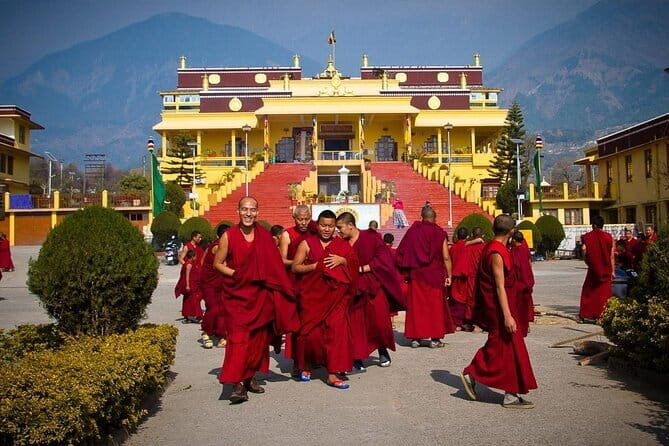
- Up-close Tibetan practice: you visit an institute connected to the Dalai Lama’s world in exile, a nunnery, and a major tantric monastery.
- Small group size: capped at 15 travelers, so your guide can answer questions as you go.
- Guided walking, not a bus tour: comfortable shoes matter because the day includes uphill walking.
- Admission costs may apply: Norbulingka Institute has a listed foreigners’ fee of ₹200, and admissions aren’t included for the stops.
- Weather matters: the experience requires good weather, and poor conditions can trigger a reschedule or refund.
Dharamsala’s Tibetan sites, on foot and with a local guide
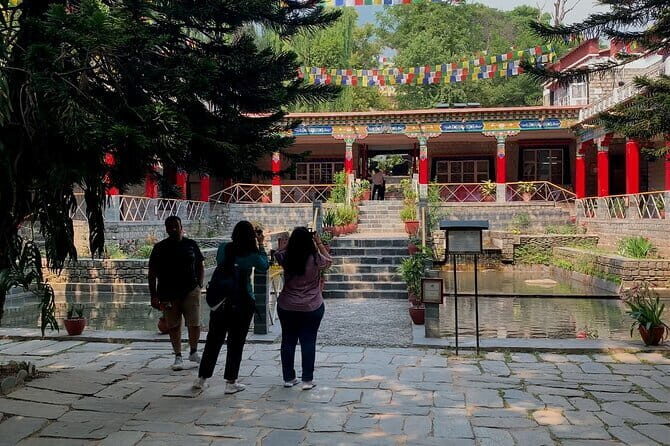
Dharamsala is one of those places where the culture doesn’t feel “museum.” You feel it in routines: quiet corners for study, courtyards for practice, and the way people move through sacred spaces with purpose. This walk is built for that kind of noticing.
You start near Norbulingka Institute and work your way through the area on foot with a local guide from Himachal Bylocals. The tour is short enough to fit into a travel schedule, but structured enough that you’re not wandering alone and guessing what matters. In that small window, you get three different lenses on Tibetan life: an institute with deep ties to the community in exile, a nunnery in the Kangra valley, and Gyuto’s focus on tantric study and ritual arts.
One of the best parts is the guide’s pacing. You don’t just get names and dates. You get context for why each site looks the way it does and what kinds of practice happen there. It turns a walk into a lesson you can feel in your legs and senses.
You can also read our reviews of more walking tours in Dharamsala
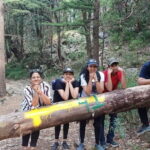
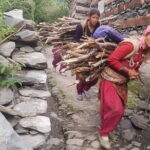
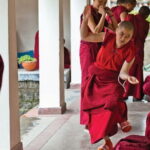
Norbulingka Institute: where the exile story meets daily practice
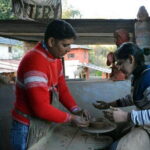
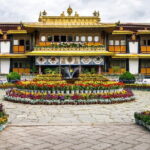
Norbulingka Institute is a strong starting point because Dharamsala is home to the Dalai Lama’s government in exile, and the institute sits right in that living Tibetan center of gravity. Even if you only have a short time in town, this stop gives you immediate orientation: you’re not arriving at Tibet as a theme; you’re entering a community that’s rebuilding life through education, discipline, and faith.
Plan on about 30 minutes here. That’s enough time to take in the overall setting and understand the place’s role without turning it into a long museum sprint.
The main practical point: Norbulingka Institute’s foreigners’ entrance fee is ₹200 per person, and admission tickets aren’t included on the tour price. This is the one place where the math can surprise you if you assumed the walk price covered everything. If you’d rather not think about it mid-trip, keep some cash ready.
How to make this stop work for you: arrive with a quiet mindset. This is not the kind of site where you should rush. If you’re respectful and observant, the details start to connect—study spaces, the mood of the grounds, and the way visitors are guided to understand what’s happening rather than just look at it.
Dolmaling Nunnery: the walk to Dolma Ling in the Kangra valley
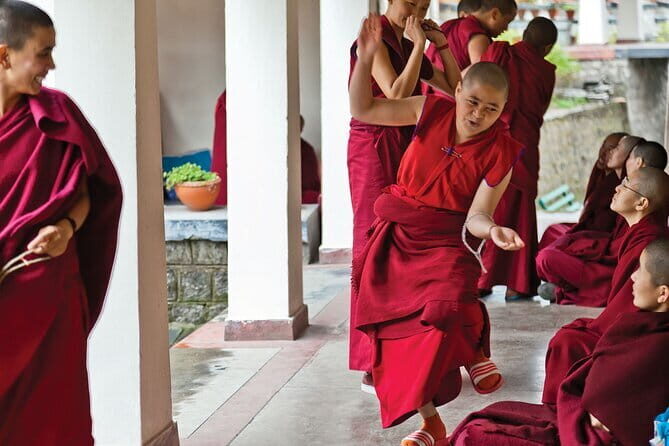
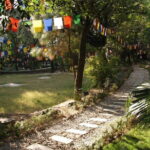
From Norbulingka, you head onward on foot toward Dolma Ling (Dolmaling) Nunnery. Expect about another 30 minutes at this stop, and remember that the day is “walking first.” If you’re the type who likes photos, keep your camera use thoughtful. Quiet places tend to run on calm energy, so ask if you’re unsure and don’t disrupt the flow.
Dolma Ling Nunnery is described as non-sectarian, and that matters. In practice, it means the emphasis isn’t on a single school label for visitors to memorize. Instead, you get a broader view of Tibetan monastic life—how women’s vows, learning, and daily practice create a steady rhythm inside sacred walls.
The Kangra valley setting also helps. You’re not stuck in a flat, urban routine. The walk and the change in surroundings support the “culture on the ground” feeling. Even if you’re not a hardcore history nerd, the physical shift—from one campus atmosphere to another—helps you understand that Tibetan life in Dharamsala is lived in multiple forms, not one single postcard.
What to watch for: the way people interact with the space. A nunnery isn’t about spectacle. It’s about routine, study, and respect. When you notice that, the whole stop clicks.
Gyuto Karmapa Temple: tantric meditation and ritual arts
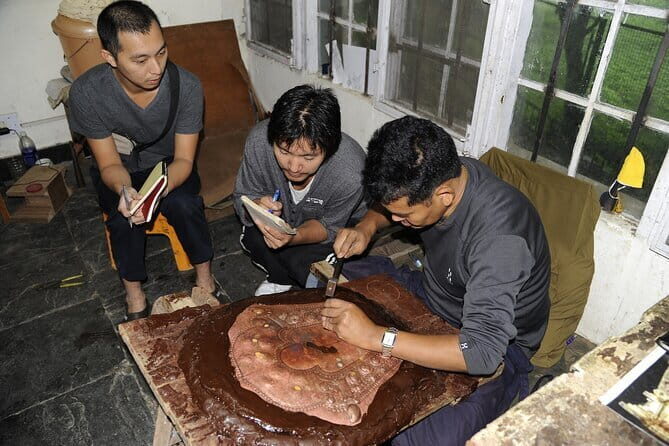
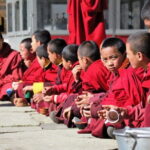
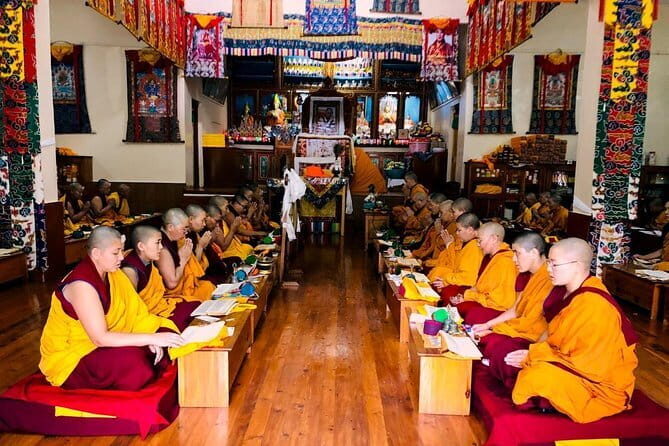
Gyuto Karmapa Temple (often associated with Gyuto Monastery) is the tour’s longer intellectual hit, with about 40 minutes allotted. This is where the Tibetan learning tradition gets unusually specific.
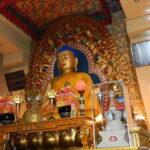
Gyuto is known for study of Tantric meditation, tantric ritual arts, and Buddhist philosophy. The monastery tradition traces back to Tibet (founded in 1474), which gives the stop weight beyond what you might expect from a short visit. Even if you don’t know tantric terminology ahead of time, the guided framing helps you understand the logic: these practices aren’t random. They’re structured paths for training the mind and shaping conduct.
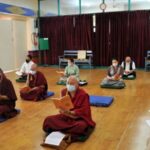
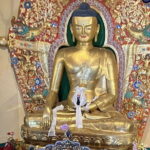
This is also where you’ll likely feel the day’s most “serious” atmosphere. Temples and monasteries tend to have their own tempo—chants, rituals, and the feeling that you’re entering a place with long continuity. If you’ve been thinking of Tibetan Buddhism as only prayer and scenery, this stop helps you see the mental training side, too.
A practical note: entries aren’t included in the tour price for this stop either (ticket costs, if any, would be paid on-site if required). Keep a little budget cushion so you’re not scrambling when you’re already in the flow.
The route’s pace: comfortable shoes, smart casual, and some uphill work
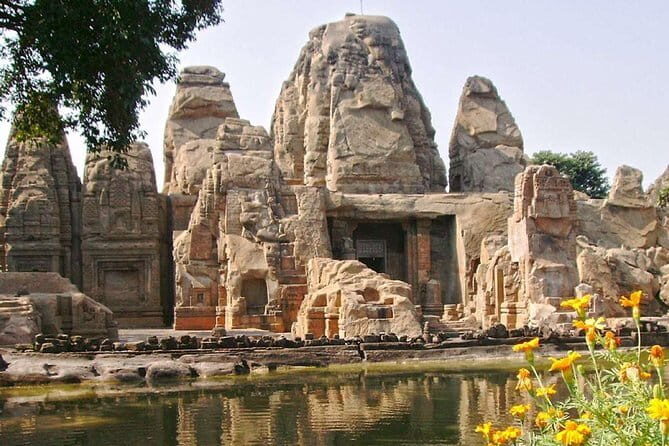
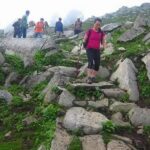
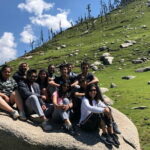
The tour is around 3 hours total, but don’t confuse “3 hours” with “easy walking.” One of the reviews highlights the idea of clambering up to higher points, and that matches the style of Dharamsala’s terrain. You’re on hillside paths, and the day likely includes upslope sections and short bursts of effort.
Here’s how to set yourself up well:
- Wear grippy footwear. Even if the ground looks fine, paths can be uneven.
- Dress smart casual. That’s the listed dress code, so swap your sloppy travel clothes for something you can sit or stand comfortably in around temple spaces.
- Bring a light layer. Dharamsala can shift from sunny to cool quickly, and monasteries don’t always feel warm.
- Use the bottled water included in the tour. You’ll appreciate it more than you think.
One more “do this, not that”: don’t show up hungry if you hate late-snack surprises. Food and drinks aren’t included. You can plan to eat before you start or after you finish back at the meeting point.
You can also read our reviews of more guided tours in Dharamsala
Price and value: $31 with a guide, water, and real sites
At $31 per person, this walk is priced like a guided neighborhood experience—not a luxury day pass. In your ticket, you get bottled water, the guide, and the guided walking experience. You’re also getting group discounts and a mobile ticket, which is convenient if you prefer to keep things digital.
What’s not included is the part that often adds up: entrance fees. Norbulingka Institute has a foreigners’ entrance fee of ₹200 per person. Admissions are marked as not included at the listed stops, too. So the true cost depends on what you’re asked to pay on-site.
Still, I think the value is strong if your goal is context. A guide who can explain Tibetan culture makes a short visit far more meaningful. Without that, you’re left reading signs and guessing. With it, you’re walking through a sequence that tells a story: community in exile, monastic life for women, and the tantric study tradition at Gyuto.
Also, the capped group size (maximum of 15) tends to feel less chaotic than the big bus-style tours. You’re more likely to get personal attention—especially if you ask questions.
Who this walk suits best (and who should skip it)
This is a great fit if you:
- Want Tibetan culture in Dharamsala without committing to a full-day itinerary.
- Prefer small-group learning and walking over loud, crowded sightseeing.
- Like religious and cultural sites but want the meaning explained in a practical way.
- Enjoy conversations with a guide who can connect the dots between different institutions.
You might want to skip or rethink it if you:
- Dislike uphill walking or uneven paths.
- Need a completely flat, low-effort tour.
- Can’t handle extra on-site entry costs and would rather have everything fully bundled.
Should you book this Tibetan culture walk?
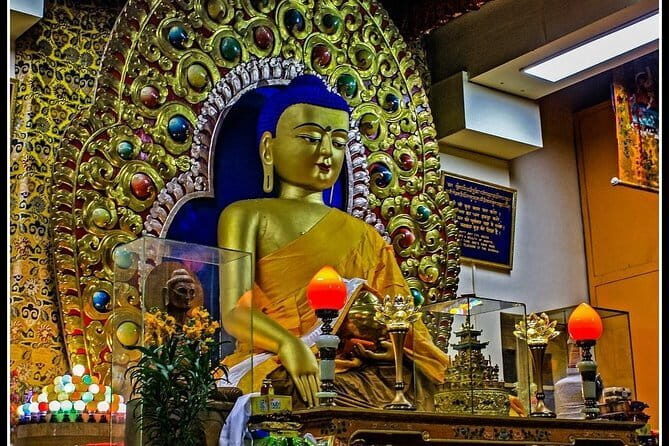
I’d book it if you want a short, focused way to understand Tibetan Buddhism’s different “faces” in Dharamsala. Norbulingka gives you the community context. Dolmaling Nunnery adds monastic life in a non-sectarian setting. Gyuto rounds it out with tantric meditation, ritual arts, and philosophy—so the day doesn’t just skim the surface.
But do it smart: wear comfortable grippy shoes, bring a light layer, and budget for the Norbulingka Institute foreigners’ entrance fee of ₹200 per person. If you plan around those realities, this walk is exactly the kind of trip that leaves you feeling like you learned something real—not just visited three locations.
FAQ
How long is the Tibetan culture walk?
The tour duration is approximately 3 hours.
What is included in the $31 price?
The price includes bottled water, all activities, a local guide, and the walking tour.
Are entrance fees included?
No. Entrance fees are not included for the listed stops. Norbulingka Institute has an entrance fee for foreigners of ₹200 per person.
Is hotel pickup and drop-off included?
No. Hotel pick up and drop off is not included, and the tour ends back at the meeting point.
Where do I meet for the tour?
You meet at Norbulingka Institute, Temple Rd, Sidhpur, Mohli Lahrandi, Himachal Pradesh 176057, India.
How big is the group?
This experience has a maximum of 15 travelers.
What should I wear?
The dress code is smart casual.
Is food provided during the walk?
No. Food and drinks are not included.
What happens if the weather is bad or I need to cancel?
This experience is non-refundable and cannot be changed for any reason. It requires good weather, and if it’s canceled due to poor weather, you’ll be offered a different date or a full refund.