REVIEW · DHARAMSALA
Guided Village walk with Stories in Dharamsala
Book on Viator →Operated by Himachal Bylocals · Bookable on Viator
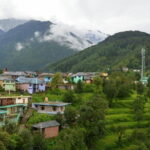
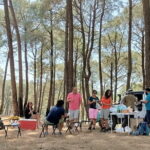
A quiet trail in the deodar forests.
That is the vibe here: a relaxed walk outside the main tourist churn, with Dhauladhar views and village stories that make the area feel real. You spend time walking, stopping, listening, and talking with locals—then heading back the way you came.
I especially like how the hike balances nature and people. You get tall deodar and pine along the path, birds in the trees, and big Himalayan scenery for photos. And you also get face-to-face moments with families in a mountain village, not just a quick drive-by look.
One thing to plan around: the experience requires good weather. If conditions are poor, it may be canceled, and you don’t get a personal-change refund if you cancel on your end—so keep an eye on forecasts and keep your schedule flexible.
In This Review
- Key highlights to know before you go
- Naddi’s walk starts in real life, not the tourist strip
- The 4-hour trail: what the deodar-pine route feels like
- River stream crossings and story stops that keep it from feeling like a hike
- The village visit: conversations, routines, and a face-to-face view
- Guides who bring the Dhauladhar to life: Ashok, Ranjit, Vikas Kumar
- Pacing, comfort, and tea breaks for families and seniors
- Photos: when you’ll actually get the good shots
- Value for $31: what you’re paying for (and what you’re not)
- Weather and cancellation: the practical planning piece
- Who should book this village walk (and who might not)
- Should you book? My take
- FAQ
- Where does the walk start?
- How long is the experience?
- What’s included in the tour price?
- Are meals included?
- Is there an entry fee at the locations?
- How big is the group?
- What kind of walking pace should I expect?
- What happens if the weather is bad?
Key highlights to know before you go
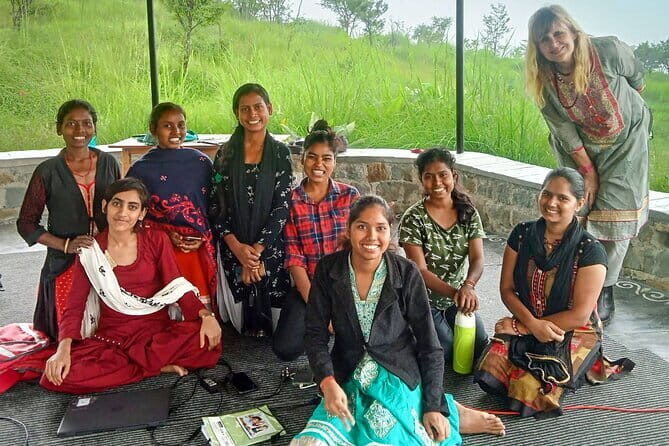
- Dhauladhar views from a village-walk pace, not a fast trek
- Deodar and pine forest trail with birds and cool mountain air
- River stream crossing plus small waterfalls along the way
- Village home visit and real conversations with families
- Small groups (up to 10 travelers) for a more personal feel
- Local guides with community stories, including Gaddi perspectives
Naddi’s walk starts in real life, not the tourist strip
Most people base themselves around McLeod Ganj, where the streets are full of shops, cafés, and constant traffic flow. This walk starts at Naddi main square, which instantly changes the mood. You’re not trying to squeeze in views between crowds. You’re moving into quieter spaces where the hills, the trees, and everyday village rhythms take over.
In practice, that matters. Leaving town on foot means you see how the area shifts from visitor-focused life to local routine. The walk is also designed to feel comfortable as walking—think gradual pace, plenty of stopping, and time to look around, not constant pressure to keep moving.
A big part of the value is that your guide is there to keep things on track. The goal is that you can focus on the scenery and conversations instead of worrying about routes or getting turned around. And because the group is small, the guide can adjust how often you stop for stories, photos, or tea.
You can also read our reviews of more walking tours in Dharamsala
The 4-hour trail: what the deodar-pine route feels like
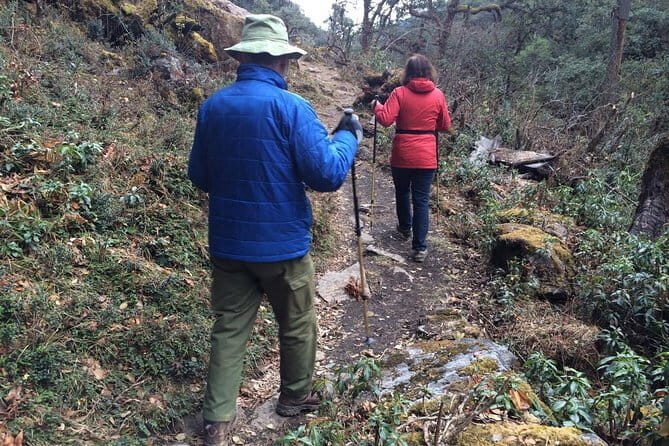
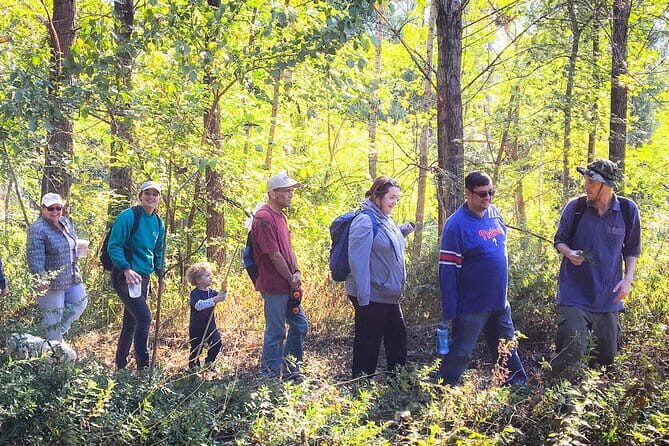
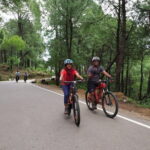
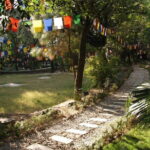
This is a 4-hour experience (approx.), with the hike portion framed as relaxed hiking. The setting is dense forest—deodar and pine—with cool air that can feel surprisingly crisp as you gain a little height and get more shade from the trees.
What you’ll notice on the trail:
- Birds around you, especially when you stop and listen
- Mountain breeze that makes the walk feel easier on the lungs
- Trail segments that run alongside water—an important feature, because it breaks up the hike and adds a soothing soundtrack
The “best views” part is also real. The walk’s backdrop is the Dhauladhar range, part of the Himalayas, and you’ll get multiple chances to look out over the hills rather than just one dramatic moment. That pacing helps for photos, too. You’re not sprinting to a viewpoint and then rushing away.
Route details can vary by day. On some routes, you may cross through villages such as Kareri and Dal. On other days, you might be walking through areas like Naddi/Balh. The core idea stays the same: a village outside town plus forest hiking plus a nature-and-culture connection.
River stream crossings and story stops that keep it from feeling like a hike
This isn’t just about walking from point A to point B. The trail is built for pauses—refueling stops, short breaks, and conversation time. Your guide will tell you about what you’re seeing and why it matters.
A couple of details stand out from what the experience includes:
- You may cross a river stream, with natural spots to stop and take photos
- Some paths include small waterfalls, which add a bit of drama without turning it into a technical hike
Then there’s the bird-and-water effect: when the trail runs near streams, the whole experience feels less like exertion and more like a slow-moving nature stroll. You’re still hiking, but the environment does the heavy lifting for atmosphere.
These story stops also help you understand the transformation of the region over time—how life here has shifted across decades. You’ll hear references to local communities and, in some cases, nomadic tribal traditions and cattle/wildlife context. It’s the kind of info that makes a village visit more meaningful than simply seeing a house and moving on.
The village visit: conversations, routines, and a face-to-face view
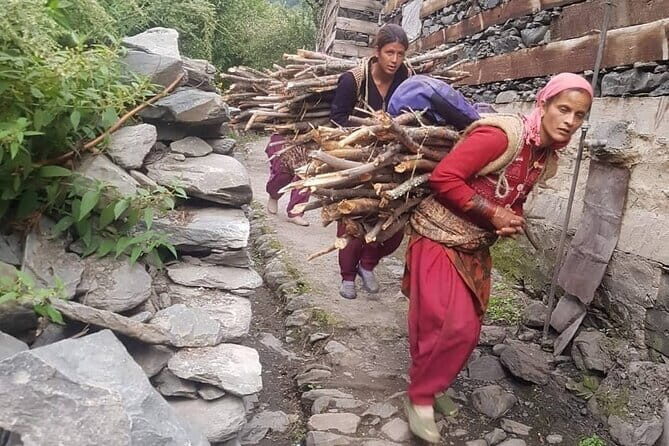
The main “aha” moment comes when you reach the mountain village and shift from scenery to human life. This experience includes a village home visit and face-to-face interaction with a family, where you can learn about daily routine and lifestyle.
This is the part you’ll remember long after the views fade:
- Watching how people live close to the hills and forest
- Asking questions (if your guide encourages it) about work, home life, and local culture
- Getting a real sense of how mountain conditions shape everyday routines
In some versions of this walk, you’ll spend meaningful time at a guide’s home area—like when Ranjit, a local guide, brought his group to his home in Balh village. Those personal connections are what turn the village part from sightseeing into actual relationship-building.
Just be ready for the tone. This isn’t a formal cultural show. It’s a respectful, daily-life conversation with room for curiosity and photography. Ask first, follow your guide’s cues, and keep your expectations grounded: you’re visiting a working community.
Guides who bring the Dhauladhar to life: Ashok, Ranjit, Vikas Kumar
A guided walk lives or dies by the guide, and this one has a strong track record. Names you might meet include Ashok, Ranjit, and Vikas Kumar.
- Ashok shared stories and helped make the scenery feel connected to place, including explanations that tied together the forest walk with village life.
- Ranjit stood out for personal warmth and energy, plus he was fit and clearly comfortable leading the hike and visiting his community.
- Vikas Kumar shared local history and stories from a Gaddi community perspective, which adds a layer of context you don’t always get on short tours.
What matters for you isn’t just the facts. It’s how they handle the pace. You’ll get frequent stops, and your guide will guide you so you don’t feel rushed or lost. If you’re traveling solo or with family, that structure is a comfort.
Because groups are capped at 10 travelers, your guide can keep the conversation flowing without turning the experience into a single-file line.
You can also read our reviews of more guided tours in Dharamsala

Pacing, comfort, and tea breaks for families and seniors
This walk is designed to fit a wide range of travelers. The experience is described as enjoyable for solo travelers, groups of friends, families, and even senior citizen couples. The key is pacing and rest.
Expect:
- Plenty of stops along the way
- An optional tea break and refreshment if you request it
- A walk that feels like a hike, but not an all-day endurance challenge
In real terms, this means you can take your time. If you’re carrying a camera, great—this route is photo-friendly because you’ll naturally pause for viewpoints, river scenes, and village moments.
If you’re bringing seniors, the main thing to watch is footing. Mountain paths can be uneven, and there’s often natural variation between forest sections and village approaches. The tour is framed as comfortable, but your comfort still depends on your shoes and balance.
Photos: when you’ll actually get the good shots
You’ll be surrounded by visual material the whole time—Dhauladhar hills, snow-clad backdrop at the higher/visible points, and a forest trail full of texture. But the best photos usually come from the moments you’re already likely to stop for.
Plan for:
- Viewpoints where the range stretches out in front of you
- Tree-and-bird scenes during pauses in the forest
- Water features: the river stream crossing areas and small waterfalls
- Village home interaction shots only when your guide signals it’s appropriate and comfortable for the family
The good news is that the walk doesn’t feel like you’re chasing a single location. You get repeated chances to frame the scenery, not one rushed viewpoint.
Value for $31: what you’re paying for (and what you’re not)

At $31 per person for about 4 hours, you’re not paying for a big vehicle tour or a long itinerary of paid attractions. You’re paying for the essentials that actually make this type of experience work well:
- A local guide
- A village walk and hike experience
- A provided water bottle
- Time with locals and stories that explain what you’re seeing
- Optional tea break and refreshment if you ask
What’s not included: any meal and personal expenses. Entrance fees are listed as free.
That breakdown is usually a good sign for value. You’re paying for access to interpretation and local life. And because the group is small, your guide time doesn’t get diluted by a large crowd.
If you like experiences where someone else handles route logic and you focus on atmosphere, this price tends to make sense. If you’re strictly looking for a scenic hike with no social component, you might prefer a pure viewpoint trail instead. But if you want nature plus people, this fits.
Weather and cancellation: the practical planning piece
This experience requires good weather. If the tour is canceled due to poor weather, you’ll be offered another date or a full refund. If you cancel or request changes for other reasons, it’s non-refundable and cannot be changed.
So how should you handle that?
- Check conditions the day before and on the morning of your walk
- Try to pick dates where you’re not making strict time commitments around it
- If clouds or rain are persistent in your forecast window, be ready for a possible shuffle
Who should book this village walk (and who might not)
You should book if:
- You want a calmer alternative to McLeod Ganj traffic
- You love slow hikes with stops and stories
- You care about meeting locals and learning about daily life
- You’re traveling with seniors or mixed ages and want something that doesn’t feel brutal
You might skip if:
- You only want a viewpoint hike with zero village interaction
- You’re uncomfortable with uneven mountain paths (even at a relaxed pace)
- Your schedule has no flexibility and weather risk worries you
Should you book? My take
If your idea of a great Dharamsala day includes quiet forest walking, river-and-view breaks, and a real village conversation, this is a strong fit for the time and price. The small group size and frequent stops make it easy to enjoy rather than just endure. And the guide-led storytelling is the difference between seeing the hills and actually understanding what you’re looking at.
If the weather forecast looks stable and you’re open to a respectful village visit, I’d book it. It’s the kind of experience that makes the region feel lived-in, not staged.
FAQ
Where does the walk start?
The meeting point is at Naddi main square in Dharamsala, Himachal Pradesh.
How long is the experience?
It’s about 4 hours (approx.), and it ends back at the meeting point.
What’s included in the tour price?
The tour includes a local guide, the village walk and hike, and a water bottle. Optional tea break and refreshment are available if you request them.
Are meals included?
No meals are included.
Is there an entry fee at the locations?
Entrance fee is listed as free.
How big is the group?
The experience has a maximum of 10 travelers.
What kind of walking pace should I expect?
It’s described as a relaxed hike with stops for refueling and conversations, and it’s presented as comfortable for many types of travelers.
What happens if the weather is bad?
This experience requires good weather. If it’s canceled due to poor weather, you’ll be offered a different date or a full refund. If you cancel yourself, it’s non-refundable and cannot be changed.