Kareri Lake is a real reset button. This simple 3-day trek near Dharamsala blends a guided hike to an iconic high-altitude lake with all meals and camp comfort so you can focus on the walking and the views. You’ll also stop at the Lord Shiva temple at the lake, which adds a spiritual pause to the whole experience.
The main thing to keep in mind is the moderate fitness requirement, plus this is an outdoor trek where weather matters. Also, you’ll need to sort out footwear and any extra personal gear yourself, since the basics are provided but extra items aren’t.
In This Review
- Key points to know before you go
- Kareri Lake in 3 Days: The Big Picture for Your Feet
- Day 1: Dharmashala to Rioti Camp Through Kareri Village
- Day 2: Hike to Kareri Lake and the Lord Shiva Temple Stop
- Day 3: The Return Down to Kareri Village and Back to Dharamshala
- Camping Comfort: Tents, Sleeping Bags, Mattresses, and a Washroom Tent
- Price and Value at $31: What You Get for That Money
- Packing List and Fitness: What to Bring (and What to Skip)
- Weather, Season, and When Frozen Views Happen
- Who This Trek Is For (and Who Should Pass)
- Should You Book This Kareri Lake Trek?
- FAQ
- How long is the Kareri Lake trek?
- Where does the trek start and end?
- What time does the experience start?
- Is transportation included?
- What camping equipment is included?
- Are meals included?
- Do I need a porter or extra trekking equipment?
- How fit do I need to be?
Key points to know before you go
- Beginner-friendly pace: Built for people with moderate fitness and a first-trek friendly rhythm
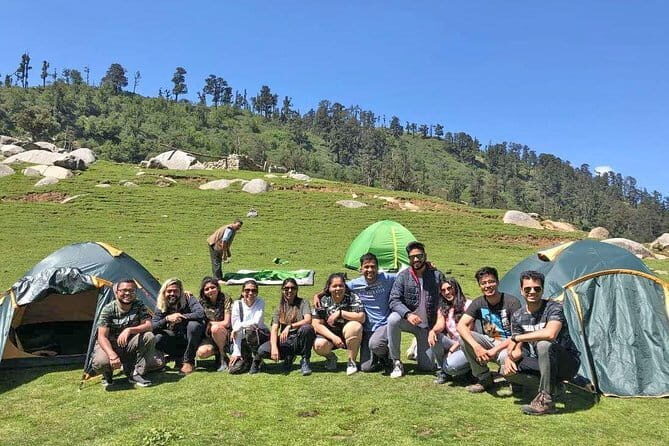
- Camping setup included: Tents, sleeping bags, mattresses, and a washroom tent
- Meals handled: Breakfast, lunch, and dinner are included across the 3 days
- Guide + small group: An experienced trek guide with a maximum of 20 people
- Round-trip transport: Private transfers between Dharamshala and the Kareri side
- Lake visit can freeze: Late-season snow can turn Kareri Lake into an icy sight
Kareri Lake in 3 Days: The Big Picture for Your Feet
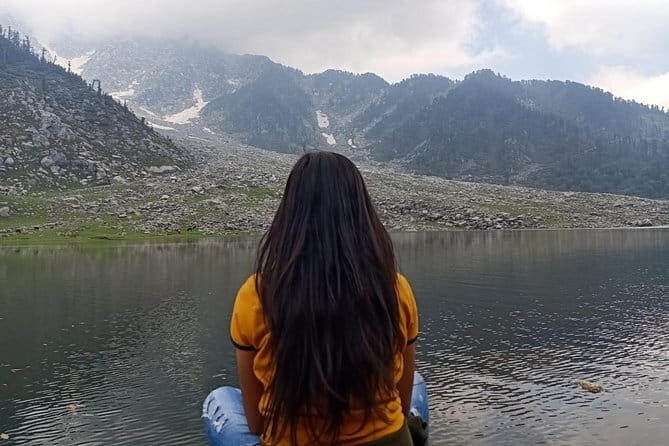
This trek runs on a very practical rhythm: travel into the hills, hike up to the lake, then hike back out. It’s the kind of itinerary that makes sense when you’re short on time but still want that mountains-feel payoff—cool air, long views, and a real sense of being away from roads.
You’re also not on the hook for logistics. You get round-trip transportation, an experienced guide, and camp gear, plus meals included. For a price around $31, that’s a lot of the “hard parts” handled for you.
You can also read our reviews of more hiking tours in Dharamsala
Day 1: Dharmashala to Rioti Camp Through Kareri Village
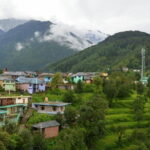
Day 1 starts with a transfer from Dharamshala. You’ll move from Dharamshala to Kareri village (about 25 km), then lunch is served depending on your arrival timing. After that, it’s time to start trekking toward the Rioti campsite, with an evening arrival.
Why this first day matters: it’s your warm-up to altitude and trail style. Even if you’re not doing anything extreme, you’re learning how the trail feels—footing, pace, and how quickly you’ll warm up once you start climbing.
The “heads up” here is timing. The itinerary frames Day 1 as long (around 12 hours), so plan for a full day that mixes road travel and walking. Bring layers and keep your water habits consistent so you don’t feel cooked by the afternoon.
Day 2: Hike to Kareri Lake and the Lord Shiva Temple Stop
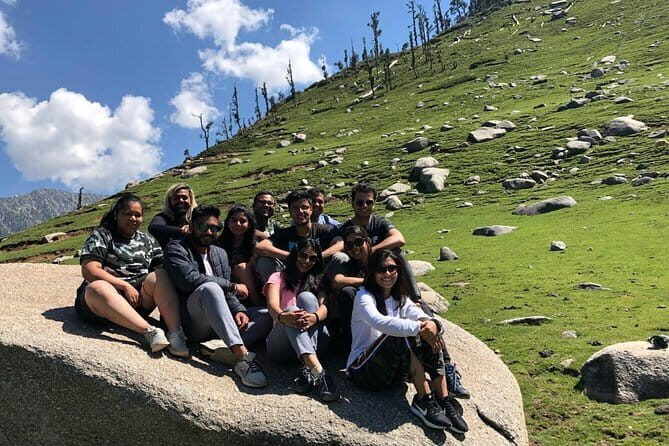
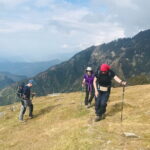
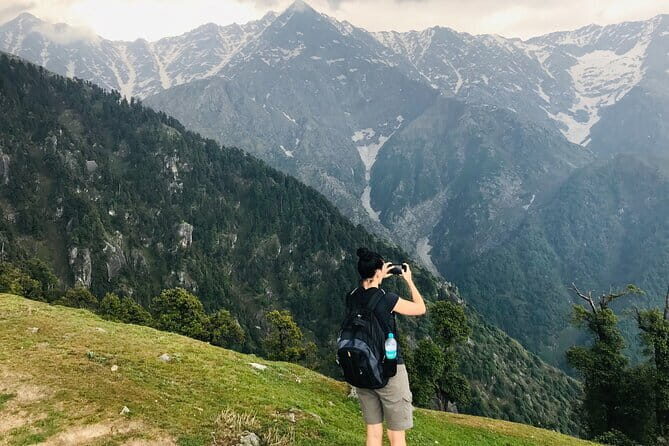
Day 2 begins with breakfast, then you’ll trek from camp up toward Kareri Lake. Once you reach the lake area, you get sightseeing time at the Lord Shiva temple, and then you’ll eat packed lunch on-site.
This is the day most people care about, and for good reason. You get a moment to slow down, look around properly, and take in the lake setting rather than just rushing to a photo and moving on. And that temple stop gives the day extra meaning beyond scenery.
One practical note: high-altitude weather can change quickly. Even if the trek feels manageable, you’ll want to be ready for cool winds around the lake and any chill that comes with morning air.
Also, the trek is listed as including admission, which is helpful—you’re less likely to get stuck figuring out entry fees on the spot.
Day 3: The Return Down to Kareri Village and Back to Dharamshala
Day 3 is the unwind day. You’ll have breakfast, then start trekking back toward Kareri village, followed by transfer back to the Dharamshala bus stand by evening.
This return leg is where good pacing really pays off. Going down can be easier on your lungs, but it can be harder on your knees and ankles if your steps get sloppy. Keep your stride short and controlled, especially on rocky or uneven stretches.
The nice part is that the end is handled for you. You don’t have to find your own way out of the mountains—transport back to Dharamshala is included, and you finish the experience right at your starting meeting point.
Camping Comfort: Tents, Sleeping Bags, Mattresses, and a Washroom Tent
You’re not roughing it in the way that some budget treks do. Camping equipment is included: tents, sleeping bags, and mattresses, plus a washroom tent.
That combination matters more than it sounds. Sleeping bags help you handle mountain night temperatures, and mattresses make a huge difference when you’ve been on your feet all day. After a 2-day hike, the difference between “okay” and “comfortable enough” is the difference between waking up ready to go—or waking up feeling wrecked.
What to remember: camp comfort still doesn’t replace basic preparation. You’ll feel the night air, so bring warm layers for after dinner, not just for the trail.
Price and Value at $31: What You Get for That Money
At around $31 for a 3-day guided trek with camp gear and meals, you’re paying for structure. You’re not just buying a view—you’re buying transportation, staffing, and equipment so your trip runs smoothly.
Here’s what makes the value feel real:
- Meals are included (breakfast x2, lunch x2, dinner x2), which saves you cash and avoids meal-hunt stress
- Camp gear is included, so you’re not scrambling for sleeping essentials
- A guide is included, which helps you keep a steady pace and stay oriented on trail decisions
What you’re not paying for (and should budget for):
- Tips/gratitude
- A porter (you’d carry your own extra trekking needs)
- Extra personal equipment like shoes
- Any special drinks or energy snacks beyond what’s provided
So yes, it’s inexpensive. But it’s not “everything for free.” The best value shows up if you come prepared with your own footwear and a realistic attitude about outdoor nights.
Packing List and Fitness: What to Bring (and What to Skip)
The trek is described as requiring moderate physical fitness. That usually means you can walk for stretches, handle uneven ground, and you’re not completely new to hiking—no heroics required.
Your essential prep points:
- Footwear: Shoes aren’t included, so bring what you trust on uneven ground
- Layers: Mountain mornings and lake winds can cool things down fast
- Personal snacks/drinks: Energy drinks or special refreshments aren’t included, so bring what you like
- Basic trail items: You’ll want your own water strategy and anything small that keeps you comfortable
If you’re a beginner, this trek can still make sense because it includes an experienced guide and a guided pacing structure. Still, your success will depend on your own effort: take it slow, drink water, and don’t try to match someone else’s stride.
Weather, Season, and When Frozen Views Happen
Kareri Lake can look different depending on when you go. One useful clue from the seasonal chatter around this trek: the third week of March is a time people go specifically for snow and a frozen lake look.
If that’s your target, plan around late winter-to-early spring conditions and be ready for cold. Cold isn’t just about feeling chilly—it can affect footing and how long you’ll want to linger near the water.
The trip is also described as weather-dependent, so if the weather is poor, you may be offered a different date or a full refund. That’s exactly what you want on a mountain itinerary: don’t gamble with safety.
Who This Trek Is For (and Who Should Pass)
This trek fits people who want:
- A short commitment (about 3 days)
- A guided route with structure
- Included meals and camping basics
- A moderate challenge without day-long suffering
It’s especially appealing if you like offbeat travel. The route starts near Dharamshala, then shifts into village-to-campside trekking, where the day feels more local and less like a theme park.
You might consider passing if:
- You’re not comfortable with hiking on uneven ground
- You want a trek with no outdoor nights or limited cold exposure
- You’re expecting gear like shoes or extra energy drinks to be provided
Should You Book This Kareri Lake Trek?
I’d book it if you want a value-packed, structured hike that still feels real. The combination of guide support, camp gear, and meals included makes it easier to show up, walk, and enjoy the lake without turning the trip into a logistics project.
But do your part: come with proper footwear, bring warm layers, and be ready for a moderate trail. If you’re aiming for snow at the lake, think about going in the late-winter to spring window, and accept that weather can change plans.
If that sounds like your kind of travel—simple, guided, outdoors—Kareri Lake is a trip that can deliver more calm than chaos.
FAQ
How long is the Kareri Lake trek?
It runs for about 3 days.
Where does the trek start and end?
It starts in Dharamshala, Himachal Pradesh, India, and ends back at the meeting point in Dharamshala.
What time does the experience start?
The start time is 10:00 am.
Is transportation included?
Yes. Round-trip private transportation is provided between Dharamshala and Kareri village.
What camping equipment is included?
Tents, sleeping bags, mattresses, and a washroom tent are provided.
Are meals included?
Yes. Breakfast, lunch, and dinner are included across the 3 days.
Do I need a porter or extra trekking equipment?
A porter is not included. Extra trekking equipment like shoes is not included either.
How fit do I need to be?
The trek is for people with moderate physical fitness.