REVIEW · DHARAMSALA
McLeod Ganj: Triund Trek with Manu Adventures India
Book on GetYourGuide →Operated by Manu Adventures India · Bookable on GetYourGuide
Triund trek feels like a Himalayan shortcut. Two days from McLeod Ganj, you’ll work your way up for Dhauladhar panoramas and a memorable stop at the Bhagsunag waterfall, all with a friendly, guided setup that keeps the pace realistic. If you go midweek, the air can feel quieter and the trail less crowded, which makes the viewpoints land harder.
One thing to watch: the trek is short, not flat. Expect steep sections and uneven footing at points, so bring solid shoes and be ready to use a walking stick or trekking pole.
In This Review
- Key Points You’ll Care About
- A Short Himalayan Escape From McLeod Ganj
- Triund Trek At A Glance: Duration, Pace, and What “Easy” Really Means
- Day 1: Bhagsu Nag to Triund (plus the Bhagsunag Waterfall Break)
- Day 1 Evening at Leta Village Camps: Dome Tents, Dinner, and a Bonfire
- Day 2: Sunrise, Hot Breakfast, and a Smooth Return via Bhagsunag
- What’s Included (and Why the Price Can Feel Like a Steal)
- The Guides and Group Vibe: Expect Friendly Leadership
- What to Bring: Realistic Packing for a Cold Morning and Rocky Steps
- Weather and Crowds: How to Choose Your Day
- Who This Trek Suits Best (and Who Should Rethink It)
- Should You Book This 2-Day Triund Trek?
- FAQ
- How long is the Triund trek?
- Where does the trek start, and when do we meet?
- What’s included in the price?
- What is not included?
- What should I bring?
- What kind of guide support is there?
Key Points You’ll Care About
- A short trek with real elevation so it feels like an achievement, not a stroll
- Bhagsunag waterfall built into the route, good for photos and a breather
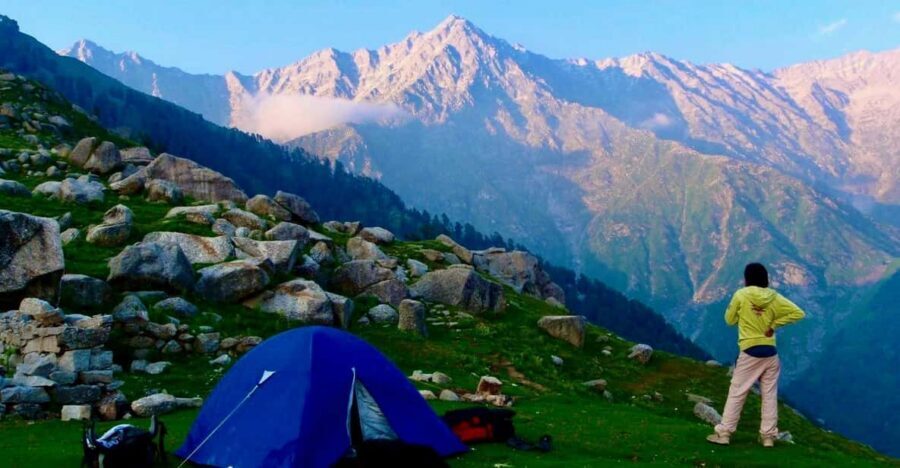
- Camp under the starlit sky in dome tents, with dinner and a bonfire vibe
- Sunrise focus on Day 2 with hot breakfast and early walking
- Budget pricing that bundles a lot like permits, guide support, and meals (but not transport)
A Short Himalayan Escape From McLeod Ganj
McLeod Ganj is already a trip in itself—tea, bookstores, Tibetan markets, and that hill-station feel. This 2-day Triund trek turns it into something more physical and more scenic without requiring a whole week off.
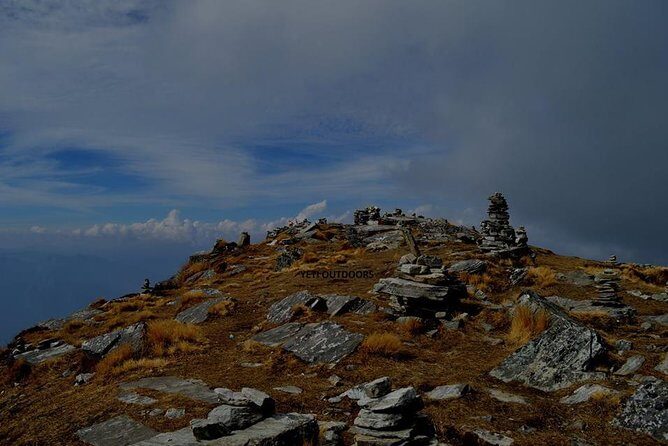
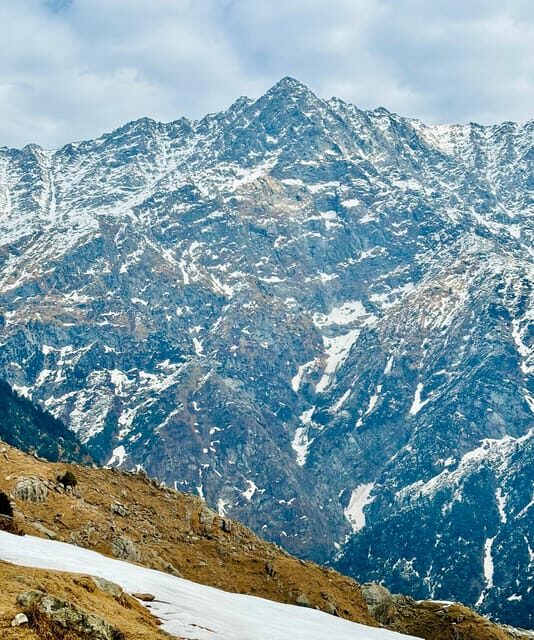
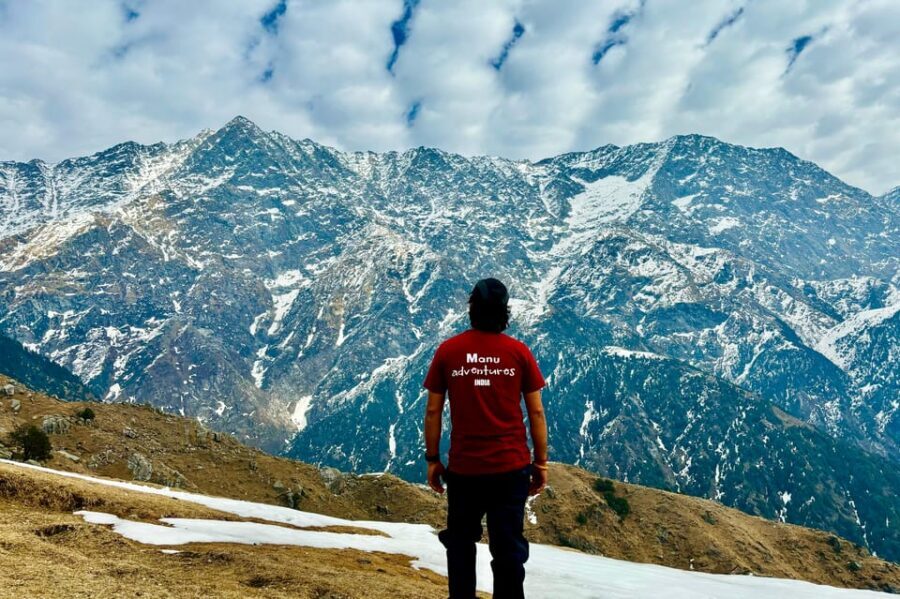
What I like most is the way the trek gives you a strong sense of the Himalaya in minimal time. You’re moving through forested sections and stone steps, then hitting wide-open views toward the Dhauladhar range and Kangra Valley. It’s also guided, which matters here: on the walk, you’ll want someone steering the group, handling the timing, and keeping you from getting bored when the climb drags.
And yes, you do sleep out under the stars. Dome tents make it feel like “camping,” but the structure is simple and practical—enough comfort to help you wake up ready for the next day.
You can also read our reviews of more hiking tours in Dharamsala
Triund Trek At A Glance: Duration, Pace, and What “Easy” Really Means
This is a 2-day trek, typically built around a weekend-friendly schedule. The route is known as one of the shorter Himalayan hikes near McLeod Ganj, and it’s often described as accessible. That said, you’ll still earn your views.
Here’s the honest translation of “easy”:
- The trek is short enough that most people can do it with basic hiking fitness.
- The trail includes steep stretches and some rougher terrain.
- You’ll be on the move long enough that trekking poles can make a noticeable difference.
A couple guides connected to this route—like Shivam and Anuc—are described as friendly and encouraging, which helps when the climb starts to feel like work. One extra piece of advice showed up again and again: bring a walking stick. Even if you think you don’t need it, you’ll likely appreciate it on uneven ground.
Day 1: Bhagsu Nag to Triund (plus the Bhagsunag Waterfall Break)
Your day starts at the Manu Adventures India office at 10:00 AM. From there, the group heads out toward upper Bhagsu, passing through village areas before the route turns more into trail mode.
The first “big moment” is the Bhagsunag waterfall stop. This is built into the trek and gives you something useful: a pause that isn’t just sitting on a rock. You get a chance to stretch, take photos, and reset your legs before continuing upward. If you like getting your bearings visually, this stop helps—after it, the scenery feels bigger and more dramatic.
There’s also a snack break at Shiva Café for refreshments. The trek setup includes small opportunities to grab water and snacks along the way, so you’re not stuck rationing mid-climb. That’s a practical advantage because short hikes still drain energy fast when you’re climbing steadily.
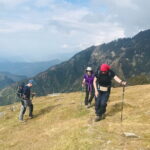
The next push moves via Katrani Dhar, and this is where the trail’s character changes. The views start opening up more, and the walk feels more “Himalayan” than “walking through hills.” You’ll be stopping for photos and breathers, but the day still has enough momentum that you’re not just commuting.
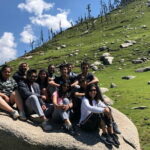
When you finally reach Triund, you’ll get time to enjoy the top: capturing the scenery, soaking in the quiet, and taking in the wider Kangra Valley side plus the snow-capped Dhauladhar range view.
Potential drawback for Day 1: it can be a long day physically. Even if the hike is “short,” the total time can be around 7 hours for many people. If you’re not used to uphill walking, plan to move slower than your ego wants.
Day 1 Evening at Leta Village Camps: Dome Tents, Dinner, and a Bonfire
Triund isn’t the end of the story. After enjoying the top, you’ll trek back down to Leta Village Camps for the night.
What makes the campsite portion worth caring about is that it keeps the trip from turning into a “day hike with sleeping.” You get:
- Dome tent accommodation, twin sharing
- Dinner (veg.)
- Time around a bonfire with soothing music
- A chance to just sit and look up at the sky
If you’ve been on busy trips, you know how rare it is to have a quiet evening without planning the next thing. Here, the day’s work is done, and the night is yours. It’s one of those simple setups that can feel surprisingly meaningful.
Also, the camp is practical. The trek operator lists washrooms available, and the gear setup includes dome tents with what’s needed to stay warm. In one shared experience, the sleeping setup was described as more than enough for keeping warm, which matters because nights in this region can feel cold even when daytime was comfortable.
Tiny tip: after a long climb, warm clothing matters more than you think. Pack it like you’re expecting a temperature drop, not just a slight evening chill.
Day 2: Sunrise, Hot Breakfast, and a Smooth Return via Bhagsunag
Day 2 starts early because sunrise is the highlight. You wake up, walk out for the view with early light, and then come back for a hot breakfast. This morning routine is a big reason people like the trek—it gives you a “best moment” that isn’t only about the top of the mountain at midday.
After breakfast, you trek down toward McLeod Ganj and aim to arrive by early noon. The itinerary builds in one more scenic stop on the way: you’ll reach the waterfall area again, and the guide will leave you there.
That timing is a big deal for value. You don’t just get a trek and then return exhausted with no energy left for anything else. You still have the rest of the day in McLeod Ganj to wander.
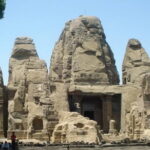
From the waterfall area, you have free time to explore, including the local Tibetan market and an ancient temple in the area. Even if you’re not a “market person,” it’s nice to have options that are cultural and nearby, so your 2 days don’t feel like they all happened on a trail.
Potential drawback for Day 2: sunrise is weather-dependent. If clouds roll in, you’ll still hike and enjoy the morning energy, but you may not get the same sky drama you were hoping for.
What’s Included (and Why the Price Can Feel Like a Steal)
The price is listed at $18 per person, and for what’s bundled, that’s genuinely good value—especially if you’re used to paying more for basic trekking logistics.
Included in the trek package:
- Dome tent accommodation on twin sharing
- Meals while on trek: veg dinner and veg breakfast
- All necessary permits
- First aid medical kits and stretcher
- Professional Trek Leader (mountaineering qualified) plus guide and support staff
- Washroom availability
That’s the core: you’re paying for the route management, safety readiness, tents, meals, and the people who make the hike smooth.
What’s not included matters too:
- Porters/ponies for baggage (so you carry your own stuff)
- Any hotel in Dharamsala
- Transportation
- Train ticket and any other meals not mentioned
- Forest entry fee
- Extra costs from bad weather, landslide, road block, or other natural issues
So yes, it’s cheap—but cheap works best when you arrive prepared. If you need taxis from your hotel, or if you’re counting on porters to move most of your bag, the final cost can creep up. Still, the trek day itself is well packaged.
The Guides and Group Vibe: Expect Friendly Leadership
This trek is run by Manu Adventures India, and the team shows up in reviews as friendly. The owner Manu is described as welcoming, which matters because trekking groups work best when the mood stays calm.
You may also get a guide named Shivam or Anuc (names show up in experiences shared with this trek). The common thread: guides who keep the walk interesting with stories and who help you pace the day so you don’t feel rushed.
For you, this translates into less stress. When you’re hiking in changing conditions, you don’t want to also be thinking about timing, where the group goes next, or how to handle a “quick shortcut.” A solid guide turns that mental load into something lighter.
What to Bring: Realistic Packing for a Cold Morning and Rocky Steps
Pack for the climb and the temperature drop. The operator lists essentials, and I’d stick to them:
- Comfortable shoes (non-negotiable)
- Warm clothing (especially for sunrise and camp evenings)
- Camera
- Snacks and water
Then I’d add one practical item based on the route’s reality:
- Hiking sticks / walking stick
A number of people point out that it’s not for beginners and that having a stick helps on uneven terrain. It can prevent slips and saves your knees during descent. If you’ve never used one on a rocky trail, practice once on flat ground at home first.
Also, keep your bag light. Since porters aren’t included, your comfort depends on what you actually carry. Bring just what you need for the day and keep the rest minimal.
Weather and Crowds: How to Choose Your Day
The trek highlights mention that weekdays can feel calmer, and that matches what you’d expect near a popular hill route. If you can pick a weekday, you’ll likely enjoy:
- quieter viewpoints
- a steadier pace
- less time waiting at photo spots
Weather is the other big factor. Sunrise looks amazing when it’s clear, but clouds are common enough in mountain regions that you should plan for the possibility of fog or low visibility. The operator lists that costs may be affected by bad weather, landslides, or road blocks—so build flexibility into your broader trip plan.
If your schedule is rigid, choose a buffer day in McLeod Ganj so a weather wobble doesn’t derail everything.
Who This Trek Suits Best (and Who Should Rethink It)
This trek is a strong match if you want:
- a short Himalayan experience with real payoff
- big views without multi-day trekking logistics
- camping that’s comfortable enough to sleep and eat well
- a guided route that makes the walk simpler
It may be less ideal if:
- you’re a brand-new hiker and don’t handle steep climbs well
Even though the trek is marketed as accessible, reviews and route notes repeatedly point to steep and uneven sections. If your fitness level is low, you’ll still likely finish, but it won’t feel comfortable.
It also suits solo travelers who want structure. Twin sharing tents can be a good way to meet people, and having meals and timing managed means you don’t spend your trip coordinating every detail.
Should You Book This 2-Day Triund Trek?
I’d book this trek if you want maximum scenery for minimum time and you’re okay with carrying your own day bag. The value is the headline: dome tents, veg meals, permits, a mountaineering-qualified trek leader, and safety support are all included at a budget price.
I’d be cautious if you hate steep trails or you’re traveling without proper shoes and warm layers. This trek is short, but it’s still a climb, and the payoff comes after effort.
If you do book, go in prepared: bring a walking stick, pack warm clothes for the morning, and accept that sunrise and views are weather-dependent. If you get good conditions, you’ll come away feeling like you really touched the Himalaya—without losing your whole weekend.
FAQ
How long is the Triund trek?
It runs for 2 days.
Where does the trek start, and when do we meet?
The meeting point is the Manu Adventures India office at 10:00 AM.
What’s included in the price?
Accommodation in dome tents on a twin sharing basis, veg meals while on trek (dinner and breakfast), necessary permits, first aid medical kits and stretcher, a mountaineering-qualified trek leader, guide and support staff, and washroom availability.
What is not included?
Porters/ponies for baggage, any hotel in Dharamsala, transportation, train ticket and any other meals not mentioned, expenses due to bad weather/landslide/road block, and the forest entry fee.
What should I bring?
Comfortable shoes, warm clothing, a camera, snacks, and water.
What kind of guide support is there?
The tour includes a live guide in English, with professional trek leadership and support staff.