REVIEW · DHARAMSALA
Guided Walk, India’s Own Mini Tibet at Mcleodganj
Book on GetYourGuide →Operated by Himachalbylocals · Bookable on GetYourGuide
A stroll with a side of big ideas. This McLeod Ganj walking tour is a simple, 3-hour way to see how Tibetan Buddhist life, monasteries, learning, and even health traditions fit together in Himachal Pradesh. I especially like how the stops connect culture with context, and how an English-speaking local host points out what you’d miss on your own. The one possible drawback: it’s a walking-focused experience, so you’ll want comfortable shoes and a steady pace.
You meet at the Main Square in McLeod Ganj market and follow your guide through key temple complexes and institutions, including Tsuglagkhang, the LTWA library, and Men-Tsee-Khang. In at least one confirmed run, the guide name Onkar stood out for answering questions with real detail, which makes the walk feel like a guided education, not just sightseeing. The route also includes sites that draw serious pilgrims, so come ready for a quiet, respectful vibe.
In This Review
- Key highlights you’ll care about
- Starting at McLeod Ganj Main Square: a 3-hour walk with a clear rhythm
- Thekchen Choumlling complex and the Kalachakra Temple: why these sites feel connected
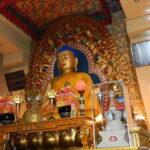
- Tsuglagkhang: Dalai Lama’s temple complex and the power of pilgrimage
- LTWA library and the Tibet Museum: learning without a classroom feel
- Nechung Monastery: the State Oracle tradition and Nechung Kuten
- Men-Tsee-Khang: Tibetan Medical and Astro Institute in a charitable frame
- Price and value: what $38 buys on a 3-hour guided walk
- When to go and what to bring for comfort
- Who this guided walk suits best
- Should you book this McLeod Ganj guided walk?
- FAQ
- Where is the meeting point for the guided walk?
- How long is the guided walk?
- Do I get an English-speaking guide?
- Is water included?
- What places will we visit during the tour?
- What should I bring?
- Are alcohol or drugs allowed?
- What’s the maximum group size?
- Is there free cancellation?
Key highlights you’ll care about
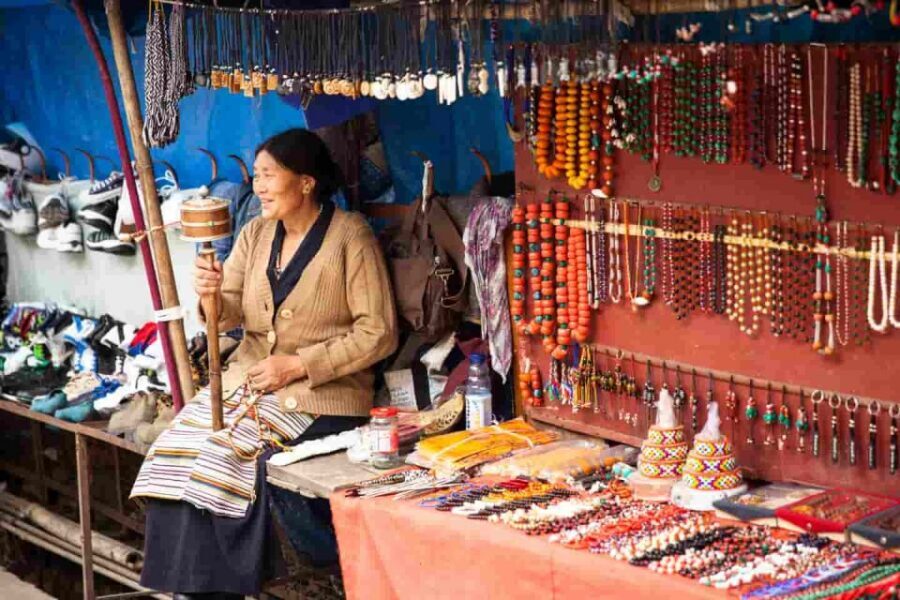
- English-speaking local host who explains what you’re actually seeing
- Tsuglagkhang Temple complex as a living center for His Holiness Dalai Lama and followers
- Thekchen Choumlling complex ties together Kalachakra Temple, Namgyal monastery, and Dalai Lama’s chambers
- LTWA and the Tibet Museum put Tibetan culture and institutions into historical perspective
- Nechung Monastery shows the seat of the State Oracle and the role of Nechung Kuten
- Men-Tsee-Khang connects Tibetan medicine and astrology as a charitable institute
Starting at McLeod Ganj Main Square: a 3-hour walk with a clear rhythm
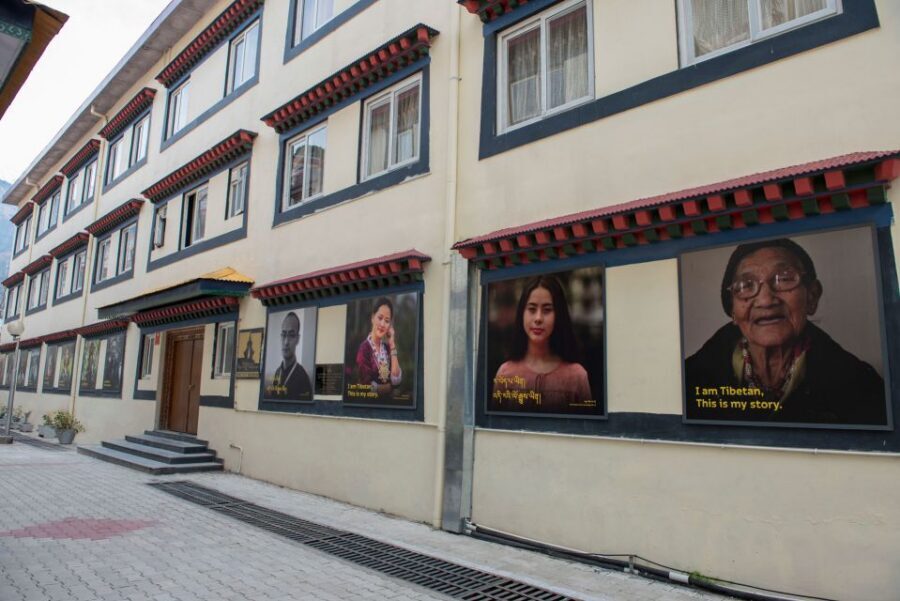
The tour starts at the Main Square in the McLeod Ganj market area (meeting point: 68QF+G9 Dharamshala is listed). That matters more than it sounds. When you begin in the center, you get oriented fast—where you are, how the town feels, and how each next stop relates to the previous one.
This is a 3-hour guided walk, and the included water bottle helps you stay comfortable while you’re moving between sites. You’ll also be walking in comfortable clothes territory. The activity is designed for most people, with a maximum of 15 people per booking, so it should feel like a small group rather than a crowd.
One practical note: the experience is set up as a walking tour, so if you’re using it as a quick stop during a longer day in Dharamshala, plan your schedule so you’re not rushing afterward. The experience doesn’t ask for extreme fitness, but it does assume you can comfortably walk for a few hours.
You can also read our reviews of more walking tours in Dharamsala
Thekchen Choumlling complex and the Kalachakra Temple: why these sites feel connected
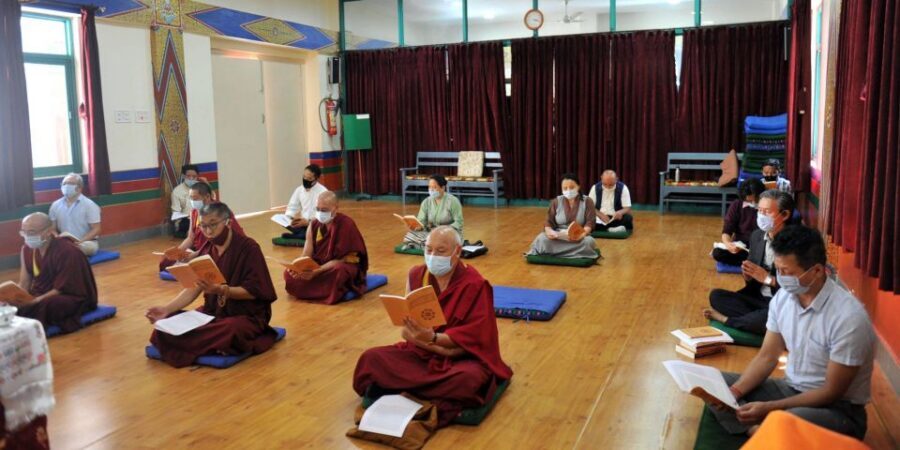
One of the first religious clusters you visit is the Kalachakra Temple, which sits inside the Thekchen Choumlling temple complex in McLeod Ganj. This detail is worth paying attention to, because it changes how you experience the place.
In many towns, you see a temple and move on. Here, the complex model helps you understand how multiple functions can exist in one spiritual zone. The Thekchen Choumlling complex is described as housing:
- Namgyal monastery
- the private chambers of His Holiness the Dalai Lama
- Tsuglagkhang Temple
That lineup tells you something important about what you’re walking through. You’re not just visiting buildings; you’re moving across a living system where monastic life, spiritual leadership, and major temples sit in one area. I like that the guide’s job is to connect these overlapping roles so the geography makes sense.
Potential drawback to consider: private-chamber context and areas associated with major leadership can come with a heightened sense of reverence and attentiveness. Even if you’re not sure what rules apply, your best move is to keep your volume low and follow your guide’s lead.
Tsuglagkhang: Dalai Lama’s temple complex and the power of pilgrimage
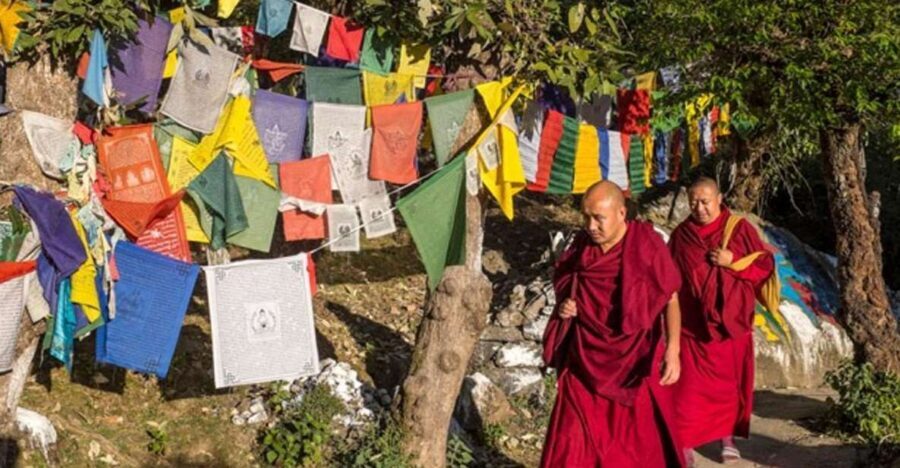
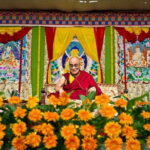
From the Thekchen Choumlling area, you move to Tsuglagkhang, also called Dalai Lama’s Temple complex. This is described as the home for His Holiness Dalai Lama and as one of the world renowned religious centers. It’s also noted as being thronged by Buddhist pilgrims throughout the year.
That word choice—thr0nged—matters. Tsuglagkhang isn’t a quiet museum stop. It’s a working spiritual center with people coming for devotion, routine, and spiritual life. If you’re expecting the feel of a temple photo stop, you might miss the emotional tone that comes from constant pilgrimage.
What I like here is that the tour frames Tsuglagkhang as both:
- a beautifully built structure, and
- a residential complex for His Holiness and followers.
When you understand that, Tsuglagkhang feels less like a single landmark and more like a hub. The guide can help you notice how the space functions as a center of presence, not just a site of worship.
If you’re sensitive to crowds, plan your mindset for a busy religious environment. The tour is still manageable in a group of up to 15, but Tsuglagkhang is clearly a place with constant attention.
LTWA library and the Tibet Museum: learning without a classroom feel
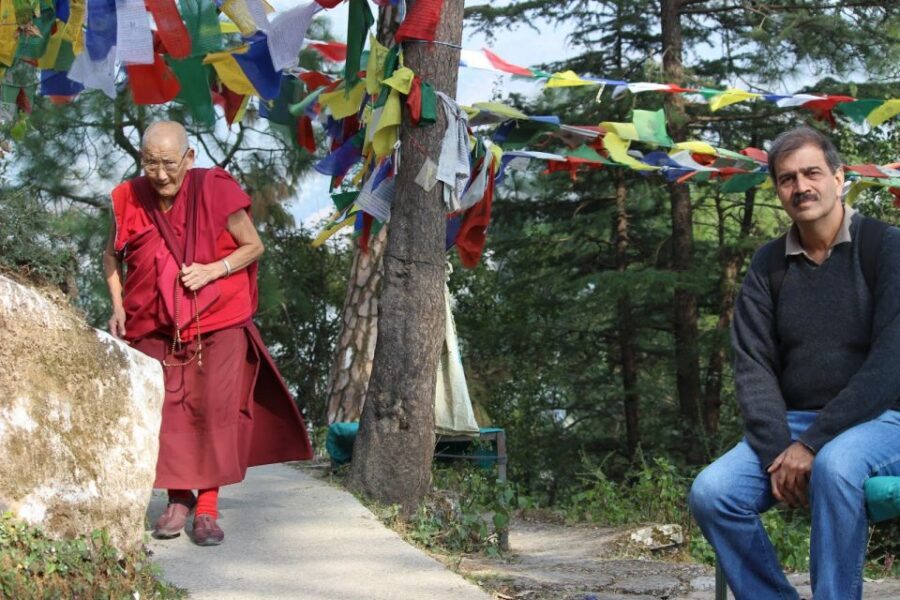
After the main temple complex time, the tour shifts from worship spaces to learning institutions, and that’s one of the most valuable parts of this experience.
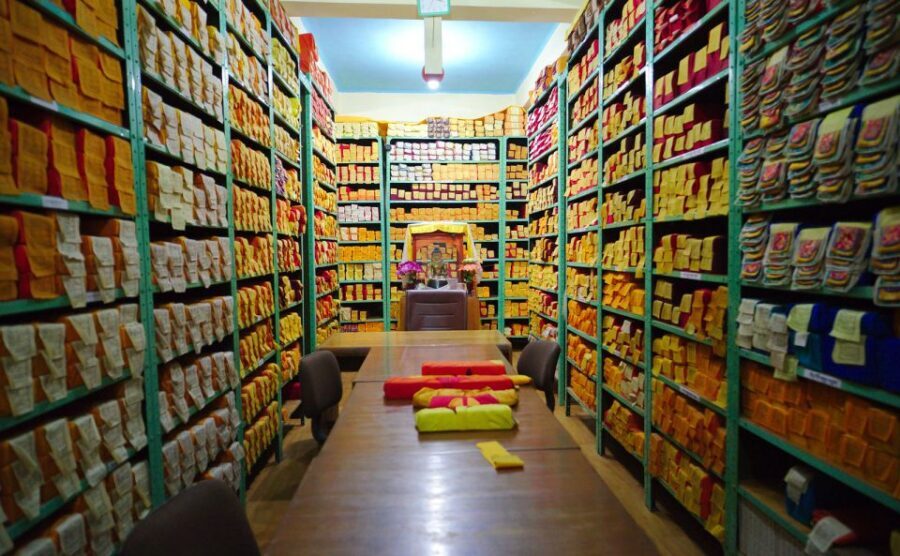
First up is the Library of Tibetan Works and Archives (LTWA). It’s described as a Tibetan library in Dharamshala founded by Tenzin Gyatso, the 14th Dalai Lama, on 11 June 1970. The library is also described as one of the most important libraries and institutions of Tibetan works in the world.
Then you visit the Tibet Museum, which is described as the official museum of the Central Tibetan Administration’s Department of Information and International Relations. It’s located near the main temple of the 14th Dalai Lama, Tsuglagkhang, in the Dharamshala suburb of McLeod Ganj.
Why this pairing works: it turns religious context into cultural context. You go from a place where people gather for spiritual life into places that preserve texts and present information about Tibetan life and governance in exile. Even if you’re not a history nerd, it’s an easy shift that adds depth without turning the tour into lectures.
What you’ll likely get from your guide in this section is clarity about why these institutions exist. Libraries and museums are not neutral decorations. They are tools for continuity—keeping language, records, and identity present and legible.
Practical note: libraries and museums typically reward slower attention, but this tour is time-bound (3 hours total). The guide’s value is in helping you see what’s essential in the time you have.
Nechung Monastery: the State Oracle tradition and Nechung Kuten
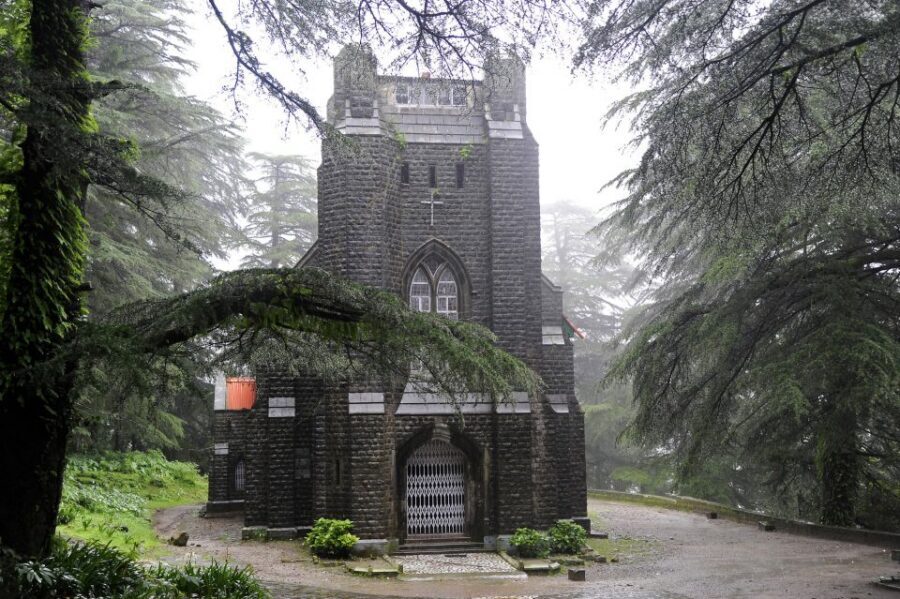
Next is Nechung Monastery, described as the seat of the State Oracle and protector-deity of His Holiness Dalai Lama and Tibet. It also has importance in Tibetan history and Buddhist religion.
What makes this stop especially interesting is the tour’s focus on process, not just place. The information provided explains that Nechung has acted as spiritual guide to the Tibetan Government since the 18th century. It also names the physical medium called Nechung Kuten.
And here’s the key part: when the medium enters into a trance-like state, the protector-deity takes possession of his body and gives advice and predictions to the Dalai Lama and Tibetan leaders in exile.
This is not the kind of detail you get from a standard temple walk. It’s also not something you can fully grasp by reading a plaque. In a guided format, you can ask the questions that matter to you—what role oracles play, what protector-deities mean within Buddhist tradition, and why this tradition is still described as historically significant.
Possible consideration: if you prefer purely architectural sightseeing, the oracle tradition can feel more conceptual than visual. But if you want the cultural and political nuance that often comes with Tibetan religious institutions, this is the moment where the tour becomes more than scenic.
You can also read our reviews of more guided tours in Dharamsala
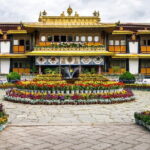
Men-Tsee-Khang: Tibetan Medical and Astro Institute in a charitable frame
The tour concludes with Men-Tsee-Khang, also known as the Tibetan Medical and Astro Institute. It’s described as a charitable institution based in Dharamshala, Himachal Pradesh, India.
This stop offers a different angle on Tibetan culture: not only temples and archives, but also the practical traditions of medicine and astrology. The information provided says the institute was founded by the 13th Dalai Lama in Lhasa in 1916. After the Chinese occupation of Tibet, the 14th Dalai Lama came to India and re-established the institution in 1961.
I like this ending because it connects faith to day-to-day life. It reminds you that Tibetan tradition isn’t only devotional. It’s also tied to health and knowledge systems—organized, taught, and carried forward.
Even if you don’t know much about Tibetan medicine or astrology going in, your guide can help you understand why a medical and astrological institute could be framed as charitable and how that fits into broader Tibetan cultural continuity.
Price and value: what $38 buys on a 3-hour guided walk
The listed price is $38 per group up to 1, with a 3-hour duration and an English live tour guide plus a water bottle. You’re also capped at 15 people per booking, which matters for a guided experience. Smaller groups make it easier to ask questions, hear explanations clearly, and move at a human pace through religious spaces.
So is it worth it? For me, the value comes from the combination:
- English-speaking local hosting (not just a generic script)
- multiple major institutions in one connected route
- context that turns buildings into stories you can actually hold onto
If you’re visiting on a tight schedule and want the benefit of a host to translate meaning, this kind of guided loop is often better value than piecing together multiple stops alone. You also avoid the time cost of trying to figure out how these sites relate to each other.
One more way to think about it: the tour isn’t just “see the temple.” It’s “see the temple plus the archive plus the oracle tradition plus the medical institute.” That’s a lot to pack into three hours, and your guide is the tool that makes it coherent.
When to go and what to bring for comfort
This experience is built for walking. The tour lists what to bring as:
- comfortable shoes
- comfortable clothes
Keep that simple. In McLeod Ganj and the Dharamshala area, weather can change, and you’ll likely feel it more when you’re moving for hours. Layers tend to help, but you don’t need anything fancy—just something you can walk in without fuss.
You also need to follow the activity rules:
- No alcohol and drugs
For the overall tone, remember that several stops are religious and institutional centers—Tsuglagkhang, the temple complex environment, Nechung Monastery, and Men-Tsee-Khang. Even if you’re not sure what’s allowed inside specific rooms, your safe strategy is to keep your demeanor calm and respectful and follow your guide’s pacing.
Who this guided walk suits best
This guided walk fits people who want:
- a cultural and historical context focus, not just sightseeing
- an English-speaking host to help connect religious sites to institutions
- a route that covers both spiritual centers and learning/knowledge places
It’s also a good fit if you’re curious about Tibetan Buddhism’s broader world—temples, archives, and traditions like the State Oracle. And if you like asking questions, the guide-led format is where you’ll feel it most.
It may be less suitable if you strongly dislike walking or if you’re in a situation where long indoor and outdoor transitions would be hard. The activity is also noted as not suitable for people over 95 years.
Should you book this McLeod Ganj guided walk?
If you want a structured way to see McLeod Ganj’s Tibetan life without losing time figuring out connections, I’d book it. The route goes beyond one temple photo and includes Tsuglagkhang, LTWA, the Tibet Museum, Nechung Monastery, and Men-Tsee-Khang—so you leave with more than landmarks.
I’d skip it if your ideal day is strictly minimal walking and you already feel comfortable studying these sites on your own. But for most people who want meaning and context in a short time window, this is a practical, good-value option with a live English guide and a small-group feel.
FAQ
Where is the meeting point for the guided walk?
The meeting point is Main Square, McLeod Ganj, Himachal Pradesh 176219.
How long is the guided walk?
The duration is 3 hours.
Do I get an English-speaking guide?
Yes. The tour includes a live guide in English.
Is water included?
Yes, a water bottle is included.
What places will we visit during the tour?
You’ll visit the Kalachakra Temple inside the Thekchen Choumlling temple complex, Tsuglagkhang (Dalai Lama’s Temple complex), the Library of Tibetan Works and Archives (LTWA), the Tibet Museum, Nechung Monastery, and Men-Tsee-Khang (Tibetan Medical and Astro Institute).
What should I bring?
Wear comfortable shoes and comfortable clothes.
Are alcohol or drugs allowed?
No. Alcohol and drugs are not allowed.
What’s the maximum group size?
The maximum is 15 travellers per booking.
Is there free cancellation?
Yes. Free cancellation is available up to 24 hours in advance for a full refund.