REVIEW · NEW DELHI
Golden Triangle Delhi Agra Jaipur 3 Night 4 Days
Book on Viator →Operated by Pink City Guide · Bookable on Viator
Delhi to Jaipur in just four days takes planning. This Golden Triangle setup is interesting because you get a private car and driver plus guided sights without having to puzzle out transport. I like that it’s customizable, so you can adjust your pace and what you actually care to see, and the guide team can be very hands-on, with people like Jai and Kiran noted for clear explanations and careful help during street crossings.
Two more things I like: parking fees are included (so fewer petty add-ons), and you’re not stuck doing a cookie-cutter route at top speed. The one drawback to plan for is simple: monument entry tickets are not included, so your day-by-day budget needs a little extra room—especially for the big-name stops like the Taj Mahal.
In This Review
- Key points before you go
- Golden Triangle in four days: the drive schedule you should expect
- Day 1 in Delhi: Humayun’s Tomb, Qutub Minar, India Gate, and the Red Fort show
- Day 2 to Agra: Sikandra first, then Taj Mahal and Agra Fort
- Day 3 to Jaipur: Fatehpur Sikri transfer, then Hawa Mahal, City Palace, Jantar Mantar
- Private car and driver: what you gain (and how guides make it easier)
- Price and value: how $140 per person makes sense with the right expectations
- Hotels and entry tickets: budget without surprises
- What to ask your guide before you start walking
- Who this Golden Triangle plan fits best
- Should you book this Golden Triangle 3-night / 4-day plan?
- FAQ
- FAQ
- What’s included in the Golden Triangle tour price?
- Are monument entry tickets included?
- What days and cities does the tour cover?
- Do you get help at the airport or pickup from your location?
- Is this tour private or shared with strangers?
- Can I customize the itinerary?
- Are meals included?
- Are hotels included?
- What’s the cancellation policy?
- Does weather affect the tour?
Key points before you go
- Private car + driver for four days across Delhi, Agra, and Jaipur, with pickup offered.
- Half-day and full guided blocks built into the plan, but you can still steer the day.
- Parking fees included, plus bottled water and afternoon tea to keep the long driving days sane.
- Entry fees are extra, and they apply across multiple attractions on your route.
- Guide support that’s practical, like helping with safe street crossing and explaining what you’re seeing as you go.
Golden Triangle in four days: the drive schedule you should expect
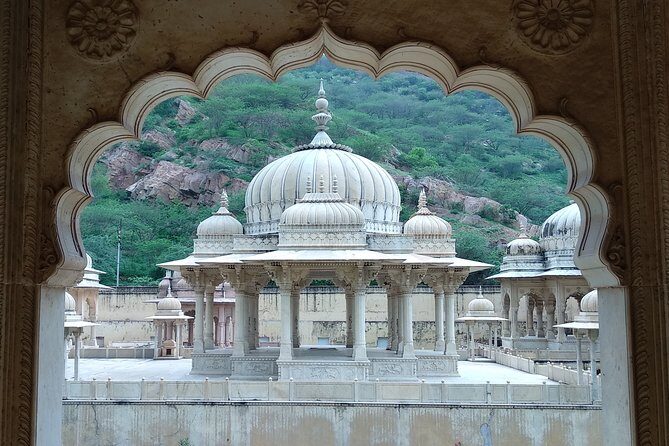
The Golden Triangle is three cities, three different moods, and a lot of “how do we fit this in?” energy. This plan helps by giving you one dedicated car and driver for the core moving parts, so you’re not constantly switching vehicles or coordinating timing between multiple transfers.
Your days are built around travel windows: a half-day in Delhi on Day 1, a longer driving day to Agra on Day 2 (with a stop at Sikandra), and another longer hop to Jaipur on Day 3 (via Fatehpur Sikri). Day 4 is the unwind-and-fly finale—either back to Delhi or dropped at Jaipur airport for your next flight.
In real terms, what this means for you is less friction and more time spent looking at the actual sights. Delhi, Agra, and Jaipur all demand attention, and the logistics can easily drain a trip if you’re handling taxis and routes yourself. Here, you’re paying for the comfort of having the transportation handled, so you can spend your mental energy on choosing what to do once you arrive.
One more practical note: it’s private for your group, so you’re not waiting around for a crowd schedule. That can be a big deal when you’re traveling with jet lag, or you just want your own rhythm.
You can also read our reviews of more evening experiences in New Delhi

Day 1 in Delhi: Humayun’s Tomb, Qutub Minar, India Gate, and the Red Fort show
Day 1 starts with arrival and hotel check-in in Delhi, then a half-day sightseeing route focused on major landmarks. You’ll hit Humayun’s Tomb, Qutub Minar, India Gate, and Parliament House area sights. The idea is to help you get your bearings fast—Delhi can feel huge, but these stops quickly connect you to the city’s different eras and architectural styles.
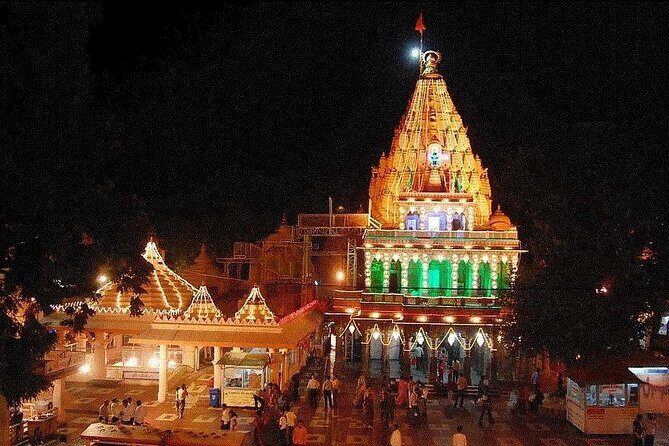
Then comes the evening highlight: a sound and light show at Red Fort. This part matters because it shifts the experience from “reading stones” to an atmospheric, story-driven performance. Even if you’re not chasing history lectures, it’s a good way to see Red Fort’s scale and mood after sunset, when the setting does more of the work for you.
A detail I really appreciate in the guide feedback from this kind of trip: guides like Jai are described as very careful and attentive, including helping someone cross the street safely. That kind of day-to-day support isn’t glamorous, but it makes a big difference in a city where traffic flow can surprise first-timers.
A heads-up for planning: the entry tickets for these monuments are not included, and the itinerary specifies that admissions are extra. So if your priority is a smooth day with fewer decisions, you’ll want to budget for entry fees in advance.
Day 2 to Agra: Sikandra first, then Taj Mahal and Agra Fort
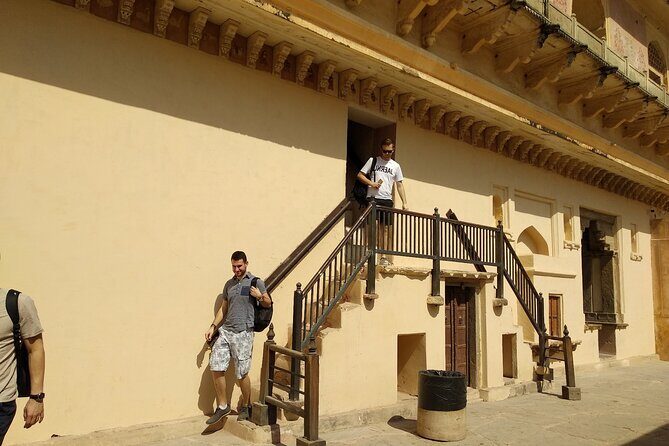
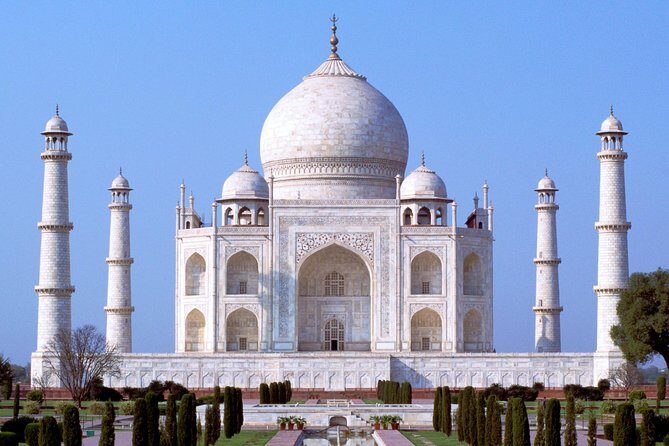
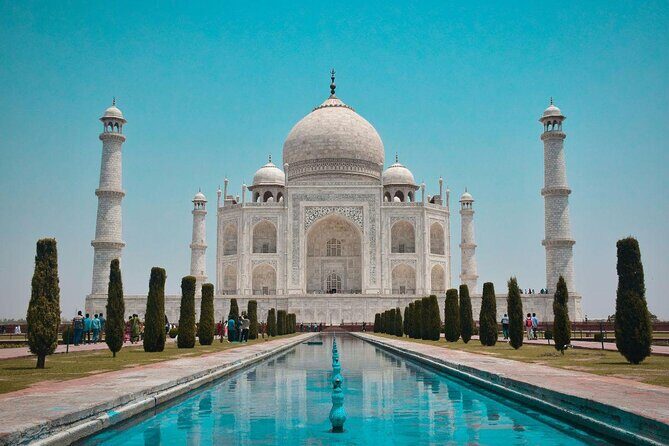
Day 2 is built for the signature moment most people come for: the Taj Mahal. After breakfast, you drive about 200 km to Agra. On the way, you visit Akbar’s Tomb at Sikandra, which is a smart pacing choice. It breaks up the long journey with an important stop, and it adds context to what you’ll see in Agra later.
Once you’re in Agra, you’ll check into your hotel, then join a guide for the Taj Mahal and Agra Fort. Agra Fort is described as being designed by Akbar and tied to earlier military foundations on which it stands—so you get both the famous monument and the fortress setting that shaped the city’s power center.
The Taj Mahal deserves the budget it costs for entry, and it also deserves a guide who can point out what matters beyond the postcard image. In feedback from the guide team, Jai and others are praised for clear explanations, which is exactly what you want here. If all you do is look at the building without guidance, you’ll still enjoy it—but guidance helps you notice proportions, design choices, and why it’s considered so meaningful.
One practical consideration: this is an all-in-again day. The itinerary lists a long day length (around 8 hours), so expect a packed schedule. If you’re the type who likes to linger, talk with your guide early on and see where you can steal time for slower looking.
And again: admissions are not included. Your day will feel easier if you plan for extra entry costs for Taj Mahal and Agra Fort rather than treating them as a surprise add-on.
Day 3 to Jaipur: Fatehpur Sikri transfer, then Hawa Mahal, City Palace, Jantar Mantar
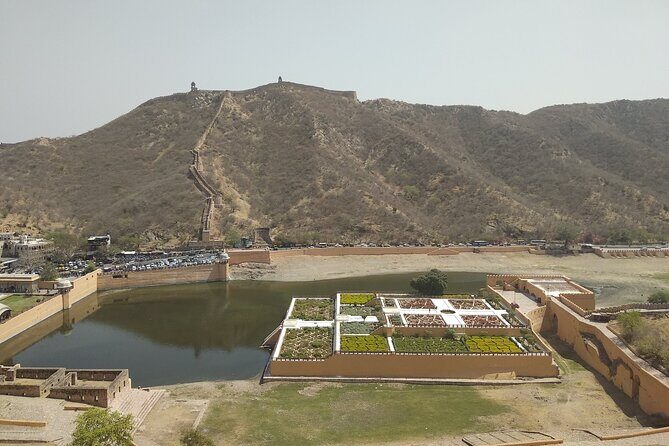
Day 3 starts with breakfast in Agra, then a longer road transfer—about 240 km—to Jaipur. The route includes Fatehpur Sikri, which is a strong inclusion. It’s a “between cities” stop that turns travel time into sightseeing time, not just time spent in a car.
When you arrive in Jaipur, you check into your hotel, then get a half-day tour of the Pink City. Expect major sights like Hawa Mahal, City Palace, and Jantar Mantar, plus time in the market for shopping. That shopping time matters because Jaipur isn’t just temples and forts—it’s also crafts, textiles, and small souvenirs you’ll actually use.
Guide quality is a big variable on days like this, and the feedback you’ll see about the Pink City Guide team is consistently positive: guides such as Kiran and Jai are described as friendly, enthusiastic, and able to explain what you’re seeing in a way that sticks. There’s also mention of the vehicle being dependable and comfortable (with driver names like Suresh appearing in notes), which is the kind of practical reassurance you want when you have another long day and still want energy for photos.
If you’re shopping, treat the market time as your chance to be selective. You’ll often find a lot of options fast, and it’s easy to rush. With a guide, you can slow down and ask what something is, what it’s made from, and what’s a fair purchase for your priorities.
As on prior days, entry fees for attractions cost extra.
Private car and driver: what you gain (and how guides make it easier)
This experience is essentially three things bundled together: transportation, time efficiency, and guided interpretation. The private car and driver give you control over the day’s flow. You can ask to tweak your order, spend a bit longer at a stop, or adjust based on how you feel after a long drive.
The “parking fees included” detail sounds minor, but it’s the kind of thing you feel. In India’s city centers, parking can be a maze. Handling it ahead of time reduces stress and helps your day stay on schedule.
Then there’s the guide factor. In the feedback linked to this type of trip, Jai and Kiran are repeatedly described as careful and friendly, including safety-minded help during street crossings. That kind of attention helps you relax and focus on the sights rather than constantly watching traffic.
You also get small comfort perks included in the package: bottled water and afternoon tea. On a hot day with a lot of walking and sun, those little items can save you from the annoying scramble for drinks.
One more thought: this is described as a private activity for your group only. That generally means less waiting, less negotiating with strangers, and a tour that can respond to your pacing. If you like having control, this is a good match.
A few more New Delhi tours and experiences worth a look



Price and value: how $140 per person makes sense with the right expectations

At $140 per person for a 3-night / 4-day Golden Triangle plan, the “value” comes from what’s included: GST, parking fees, afternoon tea, bottled water, and—most importantly—the private car and driver service across multiple city transfers.
If you were doing this on your own, you’d be paying for transportation anyway, and you’d still need to figure out where to park and how to sequence sights without losing half your day. This package trades cash for time, and for a short trip, time is usually the scarcer resource.
Now, the part you must respect for budgeting: hotel stays are not included, and entry tickets are extra. The itinerary also clearly indicates admissions aren’t included at key monuments. That means the final cost of the trip depends on your hotel choice and your attraction entry spending.
Where this price becomes especially attractive is if you value:
- less hassle on road transfers,
- a guide who can explain and save you guesswork,
- and a schedule built for efficiency without turning into a sprint.
If your main goal is to simply see the major sites and you’re already organizing every hotel and driver yourself, this price might feel less impressive. But if you want a supported, low-stress route that still allows customization, $140 can be a strong deal.
Hotels and entry tickets: budget without surprises
Because hotels aren’t included, you should choose a place that fits your style—then let the tour plan do the heavy lifting for daytime transport and sightseeing. In practice, you’ll want to be near the areas your day starts from, so check your hotel location with your driver or guide plan in mind.
For entry tickets, remember that you’ll likely pay multiple times across the route:
- Delhi monuments like Humayun’s Tomb and Qutub Minar,
- Red Fort sound and light show,
- Taj Mahal and Agra Fort,
- and Jaipur attractions like Hawa Mahal, City Palace, and Jantar Mantar.
The tour explicitly notes that admission tickets are not included. So your best move is to set aside a separate day-by-day budget for tickets, rather than hoping one payment covers everything.
Also plan for meals and drinks. Food and drinks aren’t included, and alcoholic drinks are available to purchase separately. Tips aren’t included either, and while tipping is often expected in service economies, the exact amount is up to you and local norms—just don’t budget the trip assuming no extra service costs.
What to ask your guide before you start walking
To get the most from this kind of guided Golden Triangle day, I’d ask a few practical questions up front:
- What order will you recommend for the day to avoid the slow parts?
- Where can we pause for quieter photos?
- If I want extra time at one stop, what’s the most flexible?
- Are there any street crossings where you want me to stay close and follow your timing?
You’ll also get more value by being clear about your priorities. If you care most about architecture, focus your questions at Qutub Minar, Taj Mahal, and the Jaipur monuments. If you care about atmosphere, Red Fort’s sound and light show becomes a bigger part of your evening.
The guide team connected with this experience has a track record of clear explanations and safety-minded support, so it’s worth using that. If you want a specific kind of photo location or want help shopping intelligently in Jaipur markets, say so early.
Who this Golden Triangle plan fits best
This is a strong fit if you:
- want a private approach in Delhi, Agra, and Jaipur without juggling multiple transport arrangements,
- are short on time and want a full route built around the big headline sites,
- like the idea of guides such as Jai or Kiran who add context and keep you comfortable,
- and you prefer having practical support during busy streets and long driving days.
It can also work well for couples and solo travelers who want structure but still appreciate small customization. Because it’s private, your group’s pace and preferences can matter more than fitting someone else’s itinerary.
Should you book this Golden Triangle 3-night / 4-day plan?
I’d book it if you want a supported, time-saving Golden Triangle route where the car and driver handle the hard part—getting you between cities—while guides help you make sense of what you’re seeing. The included parking fees, bottled water, and afternoon tea are small but real perks on long days, and the guide feedback around clarity and safety support (names like Jai, Kiran, and drivers such as Suresh show up) is exactly what you want for first-time India planning.
I wouldn’t book it if you’re the type who already has hotels locked and is comfortable organizing your own transport and ticket strategy. In that case, you might prefer a more budget-focused option, since entry fees and your hotel cost will be the major parts of your total anyway.
FAQ
FAQ
What’s included in the Golden Triangle tour price?
The package includes GST, parking fees, afternoon tea, and bottled water. It also includes the private car and driver service for the route between the cities.
Are monument entry tickets included?
No. Entry fees for attractions (monuments) are not included, and admissions cost extra.
What days and cities does the tour cover?
It covers Delhi first, then Agra, then Jaipur, with a return to Delhi or drop-off in Jaipur on the final day.
Do you get help at the airport or pickup from your location?
Pickup is offered, and the tour starts at 8:00 am.
Is this tour private or shared with strangers?
This is a private tour/activity, meaning only your group participates.
Can I customize the itinerary?
Yes. The service is described as customizable to suit your needs.
Are meals included?
No. Food and drinks are not included. Alcoholic drinks are available to purchase separately.
Are hotels included?
No. Hotels are not included, and you choose your own hotel based on budget and tastes.
What’s the cancellation policy?
Cancellation is free, and you can cancel up to 24 hours in advance of the experience’s start time for a full refund.
Does weather affect the tour?
Yes. The experience requires good weather, and if it’s canceled due to poor weather, you’ll be offered a different date or a full refund.