REVIEW · NEW DELHI
Old Delhi Photography & Food Tour with Rickshaw Ride to Masterji Kee Haveli
Book on Viator →Operated by Masterji kee haveli dot com · Bookable on Viator
That first turn into Old Delhi can feel like a time shift. This 4-hour food and culture loop uses a cycle rickshaw to move you through the tight lanes, pairing classic stops like Chandni Chowk with Khari Baoli, Asia’s big wholesale spice market.
I like the way this tour keeps things human-sized—maximum 10 people—so you get real conversation instead of a lecture from afar. I also like the meal flow: street-food tasting plus breakfast, lunch, and coffee/tea, with bottled water so you’re not guessing what to eat and drink.
One thing to consider: the streets can be slow, crowded, and weather-dependent, so start/finish times can shift due to traffic, road conditions, and group pace.
In This Review
- Key points before you go
- Old Delhi by cycle rickshaw: faster than you think, calmer than you expect
- Pasar Chandni Chowk: food, heritage, and the rhythm of shopping streets
- Khari Baoli spice market: where the smells do the explaining
- “Local friend cum story teller cum photographer”: how the guide changes the trip
- Food included: why the meal plan is part of the value
- Price and time: how $53.62 fits a realistic Old Delhi day
- Where to meet and how to plan your logistics without stress
- Who should book this, and who might want a different style of tour
- Before you go: quick tips that make the tour easier
- Should you book this Old Delhi Photography and Food Tour?
- FAQ
- How long is the Old Delhi Photography & Food Tour?
- What’s the group size?
- What’s included in the price?
- Where does the tour start and end?
- Are there admission tickets for the stops?
- Is hotel pickup included?
- Should I tip the guide?
- What’s the cancellation rule for a full refund?
Key points before you go
- Cycle rickshaw and walking combo keeps you moving without exhausting yourself on long stretches
- Small group (up to 10) means you can ask questions and get guidance
- Food-and-water setup includes breakfast, lunch, street tastings, coffee/tea, and bottled water
- Khari Baoli spice market visit lets you see where much of Old Delhi’s cooking ingredients start
- A local friend storyteller/photographer helps you notice details, not just eat them
Old Delhi by cycle rickshaw: faster than you think, calmer than you expect
Old Delhi’s lanes are not designed for big vehicles, and that’s exactly why the cycle rickshaw approach makes sense. It’s slow enough to look, smell, and photograph, but practical enough to avoid turning your tour into a full-day hike. You also get that local-feeling movement—like you’re sliding through the neighborhood instead of fighting for space.
You’ll be with a small group (max 10), which changes the vibe. When you can hear your guide, you’ll actually learn what you’re looking at—why a street is busy, why a market matters, and how people shop and live.
There’s another helpful detail: you’ll have bottled water provided. That sounds basic, but in Old Delhi heat and crowded walking, it’s the difference between enjoying food stops and feeling sluggish.
You can also read our reviews of more food & drink experiences in New Delhi
Pasar Chandni Chowk: food, heritage, and the rhythm of shopping streets
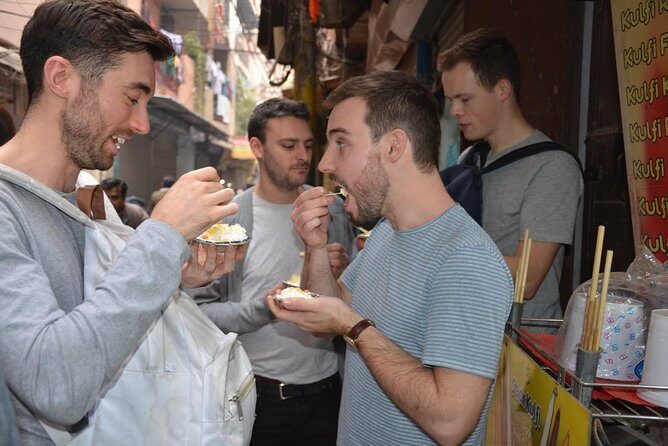
The tour’s first big leg is in the Chandni Chowk area, with a focus on food, heritage, and culture. Instead of only pointing at famous landmarks, the flow is built around daily life—how people move, what they buy, and where snacking fits into normal routines.
This stop is run as part of a “Food, Heritage & Culture” format, using both walking and cycle rickshaw rides. For you, that matters because it gives your legs a break when the route tightens up, and it gives your eyes a chance to catch the small stuff that makes Old Delhi feel real (signs, vendor activity, and how stalls are arranged).
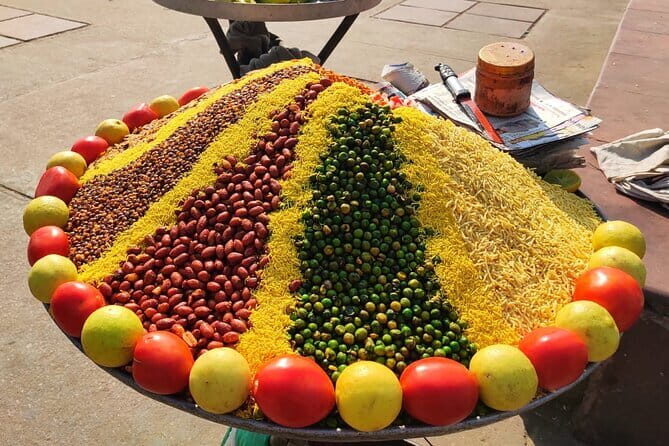
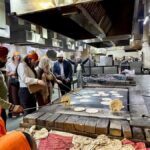
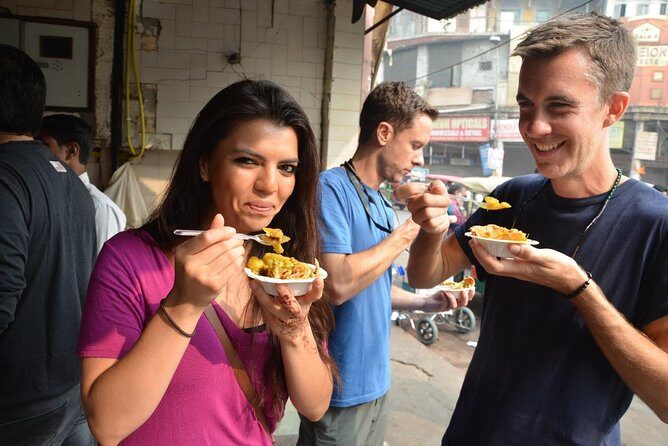
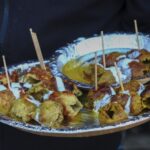
You’ll also get street food tasting here, plus snacks. You don’t have to plan what to try or worry about ordering correctly; you can focus on sampling and observing. If you’re the type who likes to learn by eating, this structure works well.
A practical note: street food areas can be loud and busy, and you’ll likely be standing close to other people. Wear shoes you don’t mind getting scuffed, and bring a sense of humor—Old Delhi does not run on your schedule.
Khari Baoli spice market: where the smells do the explaining
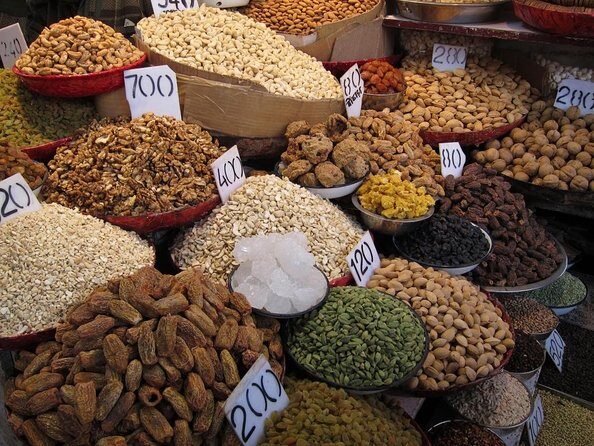
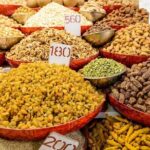
Next comes Khari Baoli, the spice market at the western end of Old Delhi. This is the place where your senses really get involved. You’ll see wholesale trade in spices, nuts, herbs, and other food ingredients—items that show up later in Delhi kitchens and street snacks.
The key value of this stop isn’t just shopping—it’s context. Seeing spices in bulk helps you understand why local street food tastes the way it does. You start connecting flavors to sourcing, not just seasoning on a plate.
Expect a lot of visual texture: color layers, stacked products, and vendor displays. If you like photography, this is one of the more straightforward places to frame shots because the market environment is naturally “composed” for you—signs, goods, and people moving through the same corridors.
The one caution: Khari Baoli is a spice market, so smells can be strong and lingering. If fragrances bother you, take breaks, keep water handy, and don’t wait until you feel overwhelmed to step aside.
“Local friend cum story teller cum photographer”: how the guide changes the trip
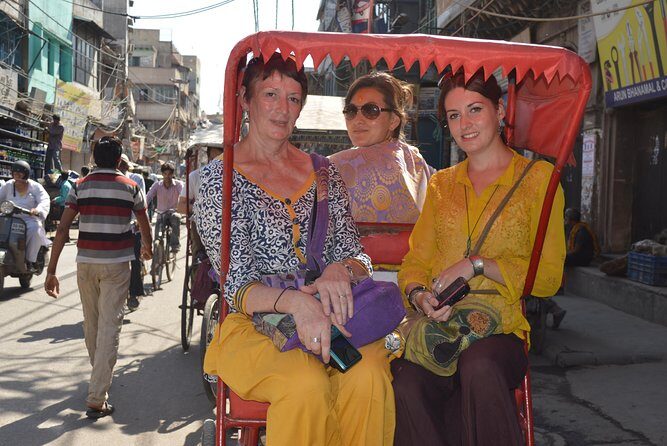
This tour’s guide role is unusually specific. You’re not just getting a route map; you’re getting a storyteller and photographer who helps you notice what’s going on around you.
In one recent group, the tour leadership was done by Verun, and the takeaway was clear: food and history were connected, and the best tasting stops weren’t random. That’s the main reason this kind of tour can feel worth the money—you’re paying for local pattern recognition, not just for walking with someone.
For you, it also means you’ll likely get better at reading markets. You’ll learn what to look for: where people gather for certain kinds of goods, how vendors present items, and why the street layout supports trading the way it does.
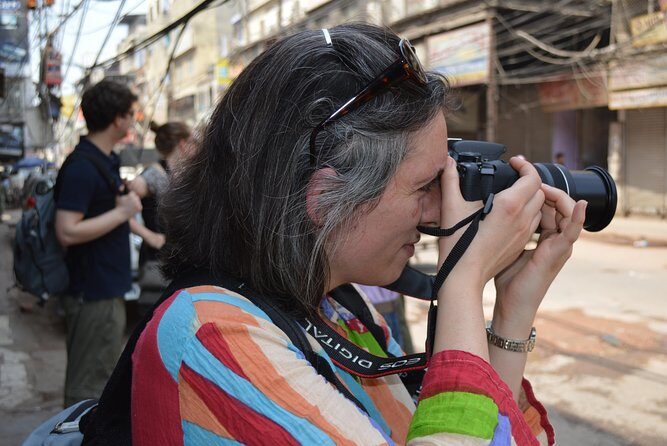
And yes, if you’re into photos, you’ll probably be encouraged to slow down at the right moments instead of snapping everything at once. That’s a small detail, but it leads to better pictures and a calmer experience.
Food included: why the meal plan is part of the value
This is a rare tour where the food isn’t an add-on you must piece together yourself. You’ll get breakfast, street food tasting, lunch, and coffee and/or tea, plus bottled water to keep you going between stops.
Think about what that means when you’re traveling. In Old Delhi, trying to DIY street food can be hit-or-miss if you’re unfamiliar with what’s safe, popular, or portioned for foreigners. Having tasting and meals handled gives you a smoother path: you can eat, enjoy, and learn without turning it into a stressful decision every hour.
You’re also not limited to one style of snack. The structure (street tastings, then fuller meals) tends to keep your energy stable. That matters when you’re moving through markets where you might want to pause for questions, photos, or just watching people shop.
If you’re a foodie, this tour hits a sweet spot: you get to taste multiple things without spending your entire budget on individual street stalls.
A few more New Delhi tours and experiences worth a look




Price and time: how $53.62 fits a realistic Old Delhi day
At $53.62 per person for about 4 hours, this doesn’t price like a “cheap” walking tour, and it also doesn’t price like a luxury day. The reason it can feel fair is that it bundles several costs into one package.
You’re paying for:
- cycle/electric rickshaw rides
- street food tasting
- breakfast, lunch, and coffee/tea
- bottled water
- all taxes and fees and handling charges
So when you compare it to buying your own food and figuring out transport, it starts to look less expensive than it first appears. If you’d otherwise spend that amount on meals alone, the tour effectively turns your lunch plan into a guided cultural loop.
One more value point: group size is capped at 10. That’s not a guarantee of a great guide, but it increases the odds you’ll get personal attention while you’re eating and asking questions.
Where to meet and how to plan your logistics without stress
The meeting point is listed as Ajmere Gate Rd, Bazar Sirkiwalan, Chawri Bazar, Old Delhi, Delhi 110006. The tour ends back at the meeting point, so you’re not stuck figuring out how to get back across the city after eating your way through Old Delhi.
There’s no hotel pickup included (though it may be arranged for an extra cost). If you’re staying far from Old Delhi, plan to arrive with buffer time and use local transport to reach the meeting area.
You should also expect possible delays. Even when everything goes right, time can change from factors like traffic, weather, and group energy. For a smoother day, don’t book an important appointment immediately after your tour.
Who should book this, and who might want a different style of tour
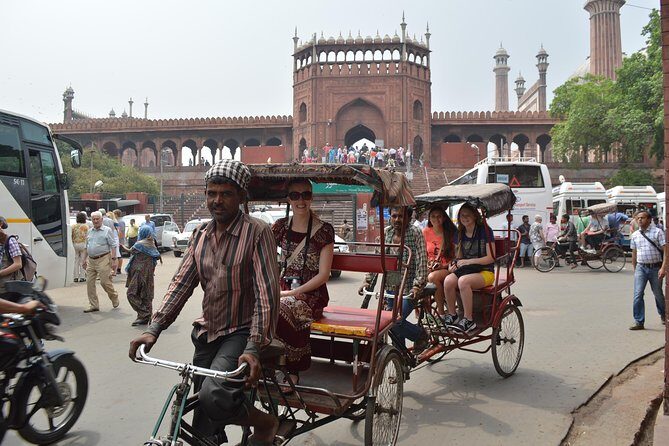
This is a great fit if you want Old Delhi through food, photography, and local stories. It’s also ideal if you like small groups and want a guide to help you slow down and understand what you’re seeing.
You’ll likely enjoy it more if you’re comfortable with:
- short stretches of walking through busy lanes
- close-quarters market atmospheres
- eating street food tastings alongside a structured plan
If you’re looking for a quiet, minimal-stimulation sightseeing day, this might feel a bit intense. Markets are active, and you’ll be around lots of people. Also, if your main goal is sitting at museums or big-ticket monuments for long stretches, this route won’t be built for that.
Before you go: quick tips that make the tour easier
Wear shoes that work on uneven pavement and don’t mind getting a little dusty. Bring something light for sun and heat, and consider sunglasses if glare is strong.
Since water is provided, use it. Sip regularly rather than waiting until you’re thirsty. For photography, keep your phone or camera secure while moving through crowds, and aim to pause for guided moments instead of rushing.
Lastly, note the instruction about tips. The tour includes local guiding, and the organizers ask you not to offer tips. If you’re the type who always tips, just mentally plan to skip it here.
Should you book this Old Delhi Photography and Food Tour?
Yes, I’d book it if you want a compact Old Delhi day with real value—food included, transport handled, and a small-group guide who connects what you eat to what’s happening around you. The cycle rickshaw approach is a smart match for Old Delhi’s lane system, and Khari Baoli is the kind of sensory stop you remember.
Skip it if you hate crowds, need a totally low-walking pace, or prefer tours centered on monuments over markets and street life.
If your travel style is eat, ask questions, take photos, and learn by watching daily routines, this is a strong match.
FAQ
How long is the Old Delhi Photography & Food Tour?
It runs for about 4 hours.
What’s the group size?
The tour has a maximum of 10 travelers.
What’s included in the price?
Included are bottled water, breakfast, street food tasting, lunch, coffee and/or tea, taxes and fees, and cycle/electric rickshaw rides.
Where does the tour start and end?
It starts at Ajmere Gate Rd, Bazar Sirkiwalan, Chawri Bazar, Old Delhi (110006) and ends back at the same meeting point.
Are there admission tickets for the stops?
Both Pasar Chandni Chowk and Khari Baoli are listed as free admission.
Is hotel pickup included?
Hotel pickup and drop-off are not included, though they may be arranged for an additional cost.
Should I tip the guide?
The tour notes that you should not offer tips.
What’s the cancellation rule for a full refund?
You can cancel up to 24 hours in advance for a full refund.